
Choosing the right indoor cardio equipment is a pivotal decision for your home gym, especially when outdoor workouts are limited by heavy tropical downpours or intense midday heat. The ideal machine depends entirely on your personal fitness objectives, joint health, and the physical constraints of your living space. An inclined treadmill, a spin bike, and a rowing machine each offer distinct physiological benefits and demand different types of physical effort. By understanding how these machines engage your body and fit into your home, you can make an investment that keeps you consistent and injury-free.
Comparing Core Fitness Metrics: Calories, Muscles, and Joint Impact
When evaluating these three cardio giants, energy expenditure is often the first metric users consider. However, calorie burn is not a fixed property of the machine itself; rather, it is a direct result of your workout intensity, resistance or incline settings, and total duration. A high-intensity session on a spin bike can easily match or exceed a moderate walk on an inclined treadmill, just as an active rowing session can surpass both if you push your physical limits. Your personal effort and consistency determine the actual energy you expend during each session.
Muscle engagement reveals a stark contrast in how these machines condition your body. The inclined treadmill and the spin bike are primarily lower-body dominant, focusing heavily on your quadriceps, hamstrings, glutes, and calves. In contrast, the rowing machine is a true full-body system, utilizing a pulling motion that recruits approximately 86 percent of your muscles, including your upper back, shoulders, arms, core, and legs. If your goal is balanced muscular conditioning alongside cardiovascular training, the rowing machine offers a highly efficient path.
Products mentioned in this guide
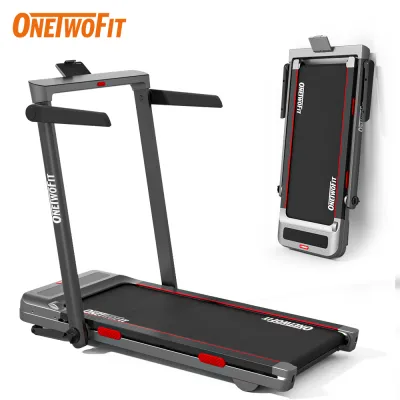
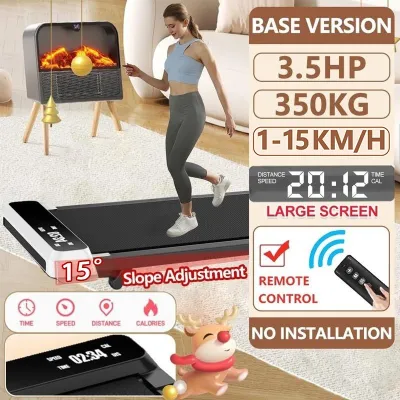
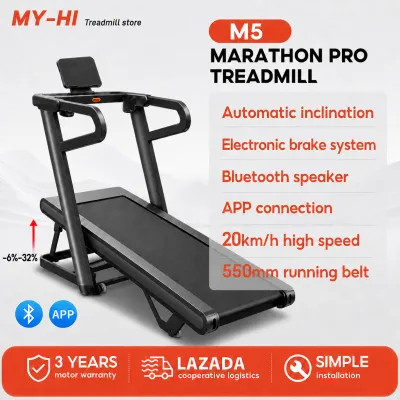
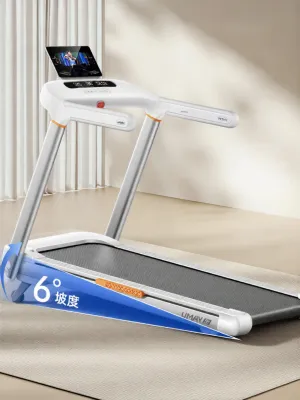
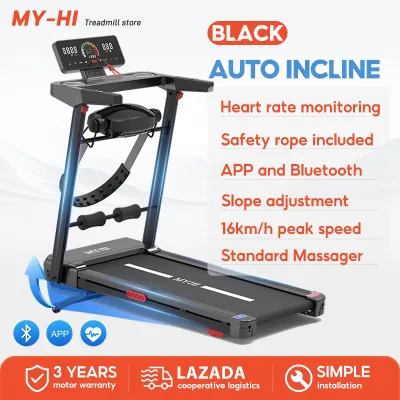
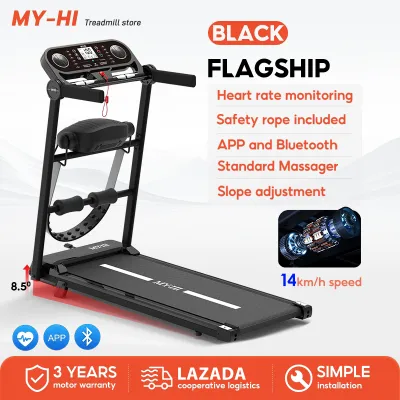
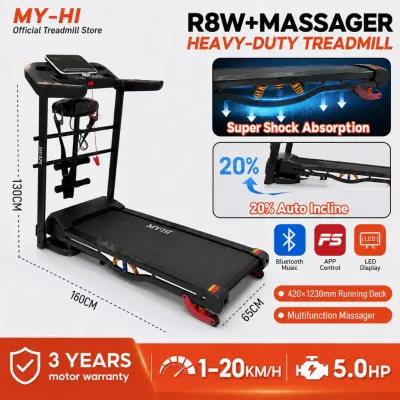
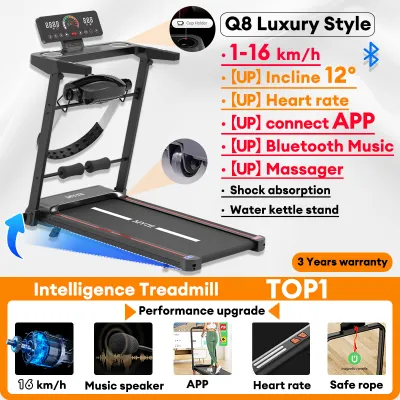
Prices are valid at publication and may change. Please refer to the product page for the latest price.
Joint impact is another critical differentiator that dictates long-term comfort and safety. The inclined treadmill involves weight-bearing movement, which is excellent for stimulating bone density but subjects your ankles, knees, and hips to repetitive ground reaction forces. Spin bikes and rowing machines are non-weight-bearing, meaning your body weight is supported by a seat, significantly reducing the stress on your lower joints. If you have a history of joint discomfort or are recovering from an injury, these low-impact options are generally more forgiving, though you should always consult a physical therapist before starting a new regimen.
Inclined Treadmill: Weight-Bearing Cardio and Lower-Body Focus
An inclined treadmill is designed to simulate the physical demands of outdoor hiking and uphill running, making it an exceptional tool for functional lower-body strength. Elevating the deck shifts the workload directly to your posterior chain, targeting your glutes, hamstrings, and calves far more intensely than flat-surface walking. This weight-bearing exercise is highly beneficial for maintaining bone health, which is a key consideration as we age. It also prepares your body for real-world hiking trails and outdoor adventures.

Before bringing an inclined treadmill into your home, carefully measure your available space and ceiling height. These machines have a substantial footprint and require a solid, level floor. More importantly, when the treadmill deck is fully elevated, your head will be significantly closer to the ceiling. You must calculate your height plus the maximum deck elevation to ensure you have ample clearance, particularly in standard residential rooms or low-ceiling basements.
When shopping, use a strict verification checklist to evaluate potential models. Check the continuous horsepower (CHP) of the motor; a motor rated below 2.5 CHP may struggle with continuous high-incline walking or running. Verify the belt length and width to ensure it accommodates your natural stride length without restriction. Finally, confirm the maximum incline percentage in the manufacturer’s specifications, as some entry-level models only offer manual adjustments rather than motorized, on-the-fly incline controls.
Spin Bike: Low-Impact Cardio and High-Intensity Intervals
The spin bike is a powerhouse for high-intensity interval training (HIIT) and sustained cardiovascular endurance. Because your feet remain clipped or strapped into the pedals, the motion is smooth and continuous, eliminating the jarring impact associated with running. This makes it an exceptional tool for building cardiovascular capacity and leg endurance without overtaxing your knees and ankles, allowing for frequent, high-effort workouts.
In terms of space and setup, the spin bike is highly practical for compact living environments, such as urban apartments. It occupies a relatively small footprint compared to treadmills and rowing machines, and most models feature transport wheels that allow you to roll the bike into a corner when not in use. This portability is especially convenient if you need to share a multi-purpose living area or workout in different rooms depending on the time of day.
To ensure you select a durable and comfortable spin bike, verify several key specifications. Look at the flywheel weight; a heavier flywheel generally provides a smoother, more road-like pedaling feel, while lighter flywheels can feel jerky at high resistance. Check the adjustability ranges for both the seat and the handlebars, ensuring they move both vertically and horizontally to accommodate your body proportions. Lastly, verify pedal compatibility, checking whether the bike comes with standard toe cages or clip-in pedals compatible with cycling shoes.
Rowing Machine: Full-Body Conditioning and Core Stability
The rowing machine offers a unique combination of cardiovascular endurance and muscular strength, engaging your entire body in a single, fluid motion. Each stroke requires a powerful leg drive, followed by core stabilization and a strong upper-body pull. This balanced recruitment makes it highly effective for improving posture and strengthening the posterior chain, which is often weakened by long hours of sitting at a desk. However, because the movement is technically demanding, maintaining proper form is essential to prevent lower back strain.
While rowing machines provide an incredible workout, they require a long, narrow footprint during operation. You must ensure you have enough physical clearance behind and beside the machine to complete the full rowing stroke without hitting walls or furniture. Fortunately, many modern rowers are designed with space-saving storage in mind, allowing you to fold the frame or stand the machine upright against a wall when your workout is finished.
When verifying rowing machine specifications, pay close attention to the resistance type, which can be air, magnetic, water, or hydraulic. Air and water rowers provide dynamic resistance that responds to how hard you pull, but they tend to be louder. Magnetic rowers offer silent operation and adjustable resistance levels, making them ideal for shared living spaces. Additionally, verify the rail length to ensure it accommodates your inseam, and check the maximum user weight capacity to guarantee structural stability.
Making the Final Choice: Decision Framework and Space Practicalities
To make your final decision, align your primary fitness goals and physical needs with the unique strengths of each machine. Choose the inclined treadmill if your main objective is to build bone density, prepare for outdoor hiking, or enjoy the natural mechanics of walking and running. Choose the spin bike if you want a compact, low-impact machine dedicated to high-intensity interval training and lower-body endurance. Choose the rowing machine if you seek a highly efficient, full-body workout that builds core stability and upper-body strength alongside cardiovascular fitness.
Beyond fitness goals, practical home constraints must guide your purchase. Consider the noise output of each machine; motorized treadmills and air rowers generate significant ambient sound, whereas magnetic spin bikes operate almost silently. Floor weight capacity is also crucial, especially if you live on an upper floor of a residential building. Furthermore, factor in routine maintenance requirements. Treadmills require periodic belt alignment and silicone lubrication to combat friction, especially in humid tropical climates, while chain-driven rowers or spin bikes may require occasional oiling to keep the drive train running smoothly. Whether you are looking at budget-friendly options or investing upwards of ₱35,000 in a premium, commercial-grade machine, these ongoing care steps are vital for longevity.
Regardless of which machine you choose, safety must remain your top priority. Always begin with a thorough warm-up and take the time to learn the correct biomechanics of your chosen equipment. If you experience any sharp pain, joint discomfort, or unusual dizziness during a workout, stop immediately and seek professional medical advice. Equipment is a tool to enhance your health, and listening to your body is the most critical component of any sustainable fitness routine.
Frequently Asked Questions (FAQ)
Can I use an inclined treadmill if I have knee pain?
While walking on an incline reduces the impact forces on your joints compared to flat-surface running, it significantly increases the load on your patellofemoral joint and calves. If you suffer from chronic knee pain, this increased angle can sometimes aggravate your symptoms. It is highly recommended to consult a healthcare provider or physical therapist before incorporating incline training into your routine, and always test the machine at a low angle first to monitor your body’s response.
Which machine is the quietest for apartment living?
A spin bike equipped with magnetic resistance and a belt drive is generally the quietest option for apartment living. Motorized treadmills produce substantial noise from both the motor and the physical impact of your feet on the deck, which can easily transfer through floors. Air-resistance rowing machines also generate a loud, continuous whirring sound. If minimizing noise for family members or downstairs neighbors is a priority, a high-quality magnetic spin bike or a magnetic rowing machine is your best choice.
Community discussion
Share your experience or ask a question. Comments are reviewed before publication.