
Choosing between an indoor and outdoor volleyball comes down to where you plan to play most of your matches. While they might look similar at a distance, these two types of balls are engineered for entirely different environments. Indoor balls are designed for the controlled conditions of an indoor gymnasium, focusing on a soft touch, high speed, and precise control. Outdoor balls, whether designed for beach sand, grass, or concrete courts, prioritize durability, weather resistance, and stable flight in windy conditions. Using the wrong ball on the wrong surface not only ruins the quality of your game but also leads to rapid wear and tear, forcing you to replace your gear much sooner than expected.
Core Differences in Construction and Materials
To understand why these balls perform so differently, you must look closely at how they are built. Indoor volleyballs typically feature a cover made of premium synthetic leather or genuine leather panels. These panels are carefully glued or molded onto an inner bladder, creating a smooth, seamless surface. This flush construction ensures that the ball has a highly consistent bounce and aerodynamic flight path, which is essential for the fast-paced, strategic plays of indoor volleyball. The lack of raised seams also provides a uniform feel when setting or spiking, allowing players to predict exactly how the ball will roll off their fingers.
Outdoor volleyballs, on the other hand, are built to survive harsh elements. Their covers are often made of heavy-duty synthetic materials, composite leather treated with water-resistant coatings, or thick rubber. Instead of being glued, the panels of an outdoor ball are typically stitched together using heavy-duty thread. This stitched construction creates deeper, highly visible seams. These deep seams serve a practical purpose: they help players grip the ball when it is covered in sand, dirt, or sweat, and they allow the ball to shed debris easily. If you look closely at the manufacturer’s label printed near the inflation valve, you will often find specific details about the cover material and construction type, which can help you verify whether a ball is built for indoor or outdoor use.
Products mentioned in this guide
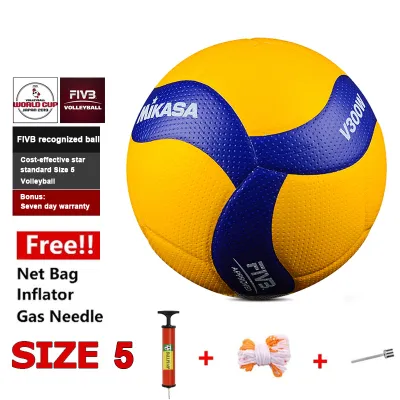
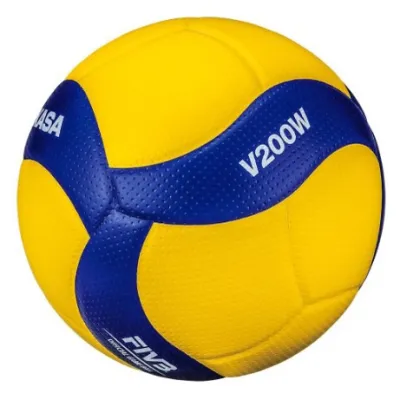
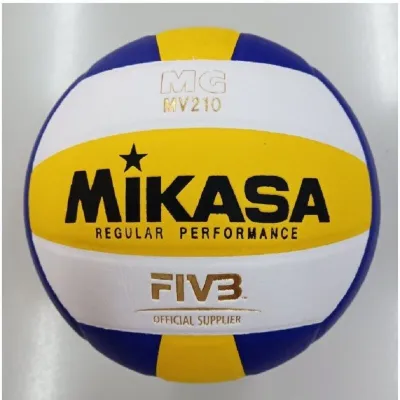
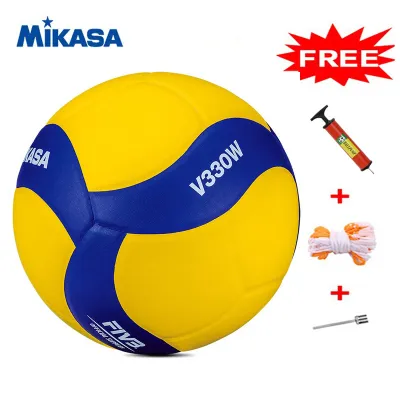
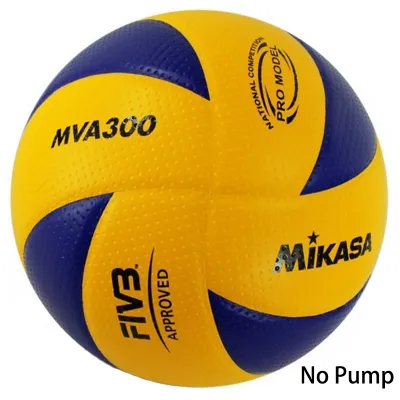
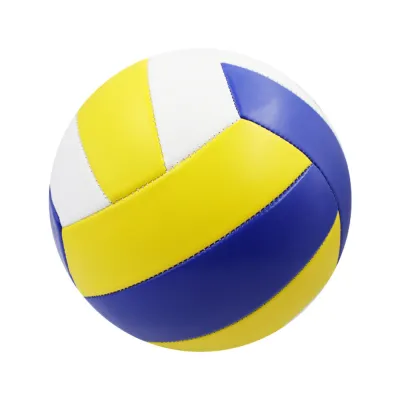
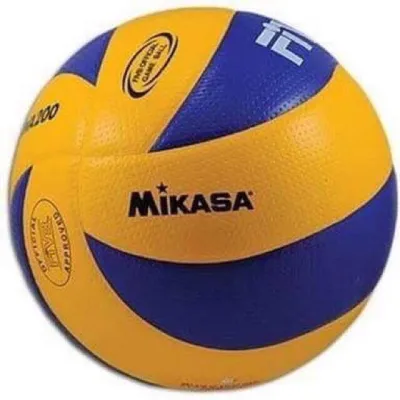
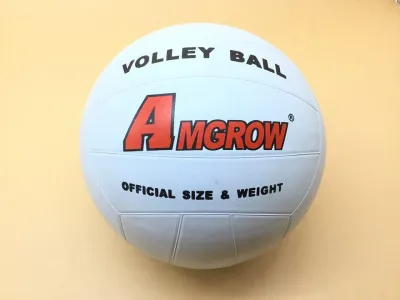
Prices are valid at publication and may change. Please refer to the product page for the latest price.
How Playing Surface Dictates Your Choice
The court surface is the single most important factor in your decision. Indoor courts feature polished hardwood or smooth synthetic floors. These surfaces are gentle on sports equipment, allowing manufacturers to prioritize a soft, cushioned feel over extreme durability. If you take an indoor ball outside, however, the environment will quickly take its toll. Rough concrete courts, abrasive beach sand, and sharp grass blades will scratch, scuff, and puncture the delicate synthetic leather cover. Furthermore, exposure to moisture from morning dew or sudden tropical rain showers can cause the glue holding the indoor panels together to dissolve, leading to peeling and warping.

Outdoor courts demand a ball that can take a beating. Sand is highly abrasive, acting like sandpaper against any surface it rubs against. Concrete and asphalt are even more unforgiving, capable of tearing through soft materials in a single afternoon of play. Outdoor volleyballs are specifically designed with puncture-resistant covers that can withstand these rough surfaces without losing their shape or peeling apart. Additionally, outdoor balls are built to resist moisture absorption. When a ball absorbs water, it becomes waterlogged, heavy, and painful to hit. Outdoor models use water-resistant materials and sealed stitching to ensure they maintain their original weight and bounce, even when playing in high humidity or damp conditions.
Weight, Feel, and Flight Characteristics
The physical differences between these balls translate directly into how they feel during play. Indoor volleyballs have a lighter, softer touch. When you pass or set an indoor ball, the impact is cushioned, which allows for precise handling and reduces sting on your forearms. Because indoor games are played in draft-free gymnasiums, the ball can be lighter and more aerodynamic without the risk of wind blowing it off course. This lighter weight enables high-speed serves and rapid defensive reactions.
In contrast, outdoor volleyballs feel firmer and slightly heavier, even though they often weigh nearly the same as indoor balls on a scale. This perceived weight difference comes from their thicker covers and stitched seams. The extra sturdiness is necessary to combat wind. If you tried to play beach volleyball with a light indoor ball, a slight breeze would easily carry it out of bounds. Outdoor balls are designed to cut through wind currents, ensuring that your serves and sets go where you intend them to go. To get the optimal performance out of either ball, you must verify the recommended inflation pressure, usually measured in pounds per square inch (PSI). This specification is typically printed directly on the ball’s valve. Keeping the ball at its recommended pressure ensures the correct bounce, flight path, and hand feel.
Decision Framework: Which Volleyball Should You Buy?
To make the right purchase, evaluate your primary playing conditions and match them to the following guidelines.
Choose an indoor ball if:
- Your primary playing venue is a polished hardwood gym or a smooth synthetic indoor court.
- You participate in organized indoor leagues, school tournaments, or regular indoor pickup games.
- You prioritize a soft, cushioned touch for precise setting, passing, and high-speed spiking.
Choose an outdoor/beach ball if:
- You mostly play on sand, grass, concrete, or outdoor dirt courts.
- Your games are exposed to outdoor elements like wind, direct sunlight, and moisture.
- You need a highly durable ball that can withstand abrasive surfaces without peeling or losing its shape.
Verify first if:
- You plan to play on multiple surfaces. While some recreational balls are marketed as multi-surface options, they are generally a compromise. They may feel too hard for comfortable indoor play or wear out too quickly when used on rough concrete. If you play both indoor and outdoor volleyball regularly, investing in two dedicated balls is the most effective way to ensure optimal performance and longevity for both.
Care and Maintenance for Longevity
Proper care is essential to protect your investment and keep your volleyball in excellent condition. After a game, take a few minutes to clean the ball. For both indoor and outdoor balls, wipe the surface with a soft, damp cloth to remove sweat, dirt, or sand. Avoid using harsh chemical cleaners, detergents, or abrasive brushes, as these can strip away protective coatings and damage the synthetic leather or rubber cover.
Storage conditions are equally important, especially in warm, humid climates. Always store your volleyball in a cool, dry place away from direct sunlight. Leaving a ball in the trunk of a hot car or exposed to the sun on a balcony will cause the air inside to expand, stretching the bladder and warping the cover. It can also dry out the materials, leading to cracking and seam failure. Finally, perform regular observable checks. Inspect the seams for any signs of splitting or loose threads, and check the inflation valve. You can test for slow air leaks by applying a small drop of soapy water to the valve; if bubbles form, the valve is leaking air and may need to be serviced or replaced.
Frequently Asked Questions (FAQ)
Can I use an indoor volleyball on the beach?
Using an indoor volleyball on the beach is not recommended. The abrasive sand will quickly scratch and wear down the soft synthetic leather cover, while moisture from the sand or air can weaken the glue holding the panels together. Additionally, indoor balls are lighter and more aerodynamic, meaning even a light beach breeze will make it difficult to control the ball’s flight path.
How do I check if a volleyball is properly inflated?
To check if your volleyball is properly inflated, look for the recommended pressure rating (PSI) printed near the inflation valve. Use a reliable ball pressure gauge attached to a hand pump to measure the current pressure. If you do not have a gauge, a common physical check is to press your thumbs into the ball; it should have a firm bounce but still allow for a very slight squeeze without feeling rock-hard or excessively soft.
Are there multi-surface volleyballs that work for both?
Some manufacturers offer recreational volleyballs labeled for multi-surface or utility use. While these balls are highly versatile and budget-friendly for casual backyard play, they represent a compromise. They are typically firmer and heavier than dedicated indoor balls, which can cause forearm discomfort during indoor play, and they may not match the extreme durability of specialized outdoor beach balls. For serious players, dedicated balls are preferred.

Community discussion
Share your experience or ask a question. Comments are reviewed before publication.