
Choosing the right volleyball ball is essential for performance, safety, and durability, as the ball you use must match the specific court surface and environmental conditions of your game. If you play on indoor hardwood or synthetic taraflex courts, you need a molded, microfiber composite ball that offers a soft touch, high aerodynamic stability, and reliable sweat resistance. Conversely, if you play outdoors on sand, grass, or concrete, you require a stitched, water-resistant synthetic leather or rubber ball designed to withstand abrasive surfaces, wind, and intense tropical heat.
Understanding the Core Differences Between Indoor and Outdoor Volleyballs
The fundamental physical differences between indoor and outdoor volleyballs stem directly from the environments they are engineered to handle. Indoor volleyballs are designed for controlled, draft-free spaces where consistent flight and precise handling are paramount. These balls typically feature an outer shell made of premium genuine leather or advanced microfiber composite materials, which provide an exceptionally soft feel and superior grip. The panels are molded and glued onto an inner bladder, resulting in smooth, seamless transitions that ensure a uniform bounce and predictable flight path.
Outdoor volleyballs, on the other hand, must contend with unpredictable weather, abrasive surfaces, and moisture. To survive these harsh elements, they are constructed from durable, water-resistant synthetic leather or heavy-duty rubber. Instead of being molded, outdoor panels are usually stitched together—either by machine or by hand—using heavy-duty threads. This stitched construction creates deeper seams that help players maintain a secure grip even when the ball is covered in sand, sweat, or morning dew.
Products mentioned in this guide
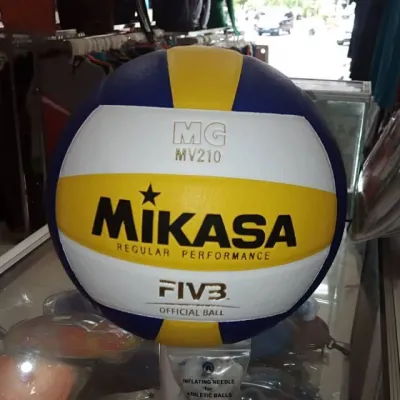
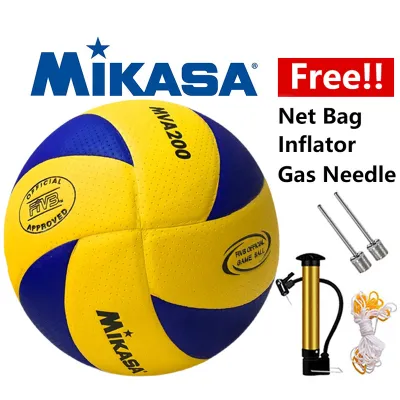
![[Philippines Spot]MIKASA MVA200 Volleyball Indoor Training Game Sports Ball Outdoor Beach Ball Hard High Elastic Competitions Game Ball original spikes set](https://img.lazcdn.com/g/p/f7658acdd0c982dbd339f87af28a2a8d.jpg_400x400q80.jpg_.webp)
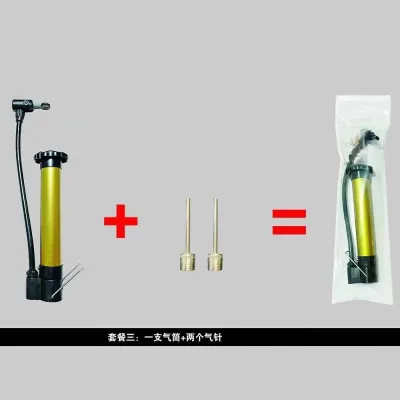
Prices are valid at publication and may change. Please refer to the product page for the latest price.
Weight distribution and internal pressure also vary significantly between the two types. Indoor balls are slightly smaller in circumference and are inflated to a higher pressure, typically ranging from 4.26 to 4.61 pounds per square inch (psi). This high pressure makes the ball fast and highly responsive, which is ideal for the rapid, explosive rallies characteristic of indoor court play. Outdoor beach volleyballs are slightly larger and are inflated to a much lower pressure, usually between 2.5 and 3.2 psi. This lower pressure allows the ball to float more naturally in the wind and provides a softer impact, making it easier to control on unstable sand surfaces.
Ultimately, these design choices are direct engineering responses to environmental factors. An indoor ball is optimized for floor friction and hand contact, whereas an outdoor ball is built to resist water absorption, wind resistance, and surface abrasion. Understanding these core distinctions is the first step in selecting a ball that will perform well and last for multiple seasons.
Choosing an Indoor Volleyball Ball: Court Surfaces and Performance Needs
Indoor volleyball matches require high precision, rapid reactions, and exceptional ball control, which are heavily influenced by the ball’s construction. Hardwood gym floors and synthetic taraflex courts provide a smooth, consistent playing surface that allows for fast-paced rallies. To match this speed, indoor volleyballs utilize premium microfiber composite or genuine leather covers. These materials are exceptionally soft to the touch, minimizing the sting on your forearms during hard-driven spikes and allowing setters to execute clean, cushioned sets with maximum accuracy.

Aerodynamic stability is another critical factor in indoor play. Because indoor courts are shielded from wind and drafts, players expect the ball to follow a perfectly true flight path. Molded panel construction ensures that the ball remains perfectly spherical, preventing unpredictable wobbles during float serves or long sets. This structural consistency allows competitive players to refine their serving and passing techniques with high predictability.
In tropical climates like the Philippines, indoor gymnasiums can become incredibly warm and humid, leading to heavy sweating among players. To address this, high-quality indoor volleyballs incorporate moisture-wicking properties and specialized panel textures. These features prevent sweat from pooling on the surface, ensuring the ball remains dry and grippy even during intense, multi-set matches. Without these sweat-resistant technologies, a ball can quickly become dangerously slick, leading to handling errors and poor control.
Before purchasing an indoor volleyball ball, always verify the product specifications and labels. Look for explicit designations such as “Indoor” or “Official Indoor” printed on the packaging or the ball itself. Choosing a ball specifically certified for indoor use ensures you get the correct material composition and inflation capacity required for high-level court performance.
Selecting an Outdoor or Beach Volleyball: Weather and Sand Conditions
Playing volleyball outdoors introduces a wide array of environmental challenges, from the abrasive concrete of local barangay courts to the sandy shores of popular beach destinations like Batangas or Boracay. To perform consistently under these conditions, an outdoor volleyball ball must be built to withstand moisture, intense UV exposure, and rough physical contact. Standard indoor leather balls will quickly degrade, warp, or waterlog if exposed to these elements, making dedicated outdoor gear a necessity.
Water resistance is the most critical feature of any outdoor or beach volleyball. These balls are typically crafted from high-grade synthetic leather or composite materials that do not absorb moisture. If a ball absorbs water during a rainy outdoor session or from wet sand, it becomes heavy, unbalanced, and painful to hit, which significantly increases the risk of wrist and shoulder injuries. Additionally, UV-resistant coatings are applied to prevent the outer shell from cracking or fading under the intense tropical sun.
The construction method of outdoor balls is specifically engineered to prevent the ingress of sand and water. Reinforced, tight stitching is preferred over molded seams, as stitched seams are highly flexible and can absorb the impact of rough concrete or sand without splitting. Hand-stitched models often offer the highest level of durability, ensuring that the panels remain tightly bound even after months of exposure to abrasive beach environments.
Visual tracking is another unique challenge of outdoor play, where lighting conditions can shift from bright sunlight to deep shade. Outdoor volleyballs feature high-visibility, multi-colored panels—often incorporating vibrant shades of yellow, blue, orange, and white. These bold patterns make it much easier for players to track the ball’s spin and trajectory against complex outdoor backgrounds, such as trees, sand, or open sky.
Beach volleyballs also feature specific design adjustments to accommodate sand play. They are slightly larger than indoor balls, which helps them float longer in the air and gives players more time to move on unstable sand. The surface texture is often slightly textured or cushioned, providing a softer feel that reduces the impact sting during diving digs and overhead sets in windy beach conditions.
Can You Use the Same Volleyball for Both Environments?
A common question among recreational players is whether a single volleyball can be used effectively for both indoor and outdoor play. While manufacturers do produce “all-surface” or “indoor/outdoor” hybrid balls, these products represent a series of compromises. To survive the rough conditions of outdoor play, hybrid balls are often made with stiffer, heavier synthetic materials or rubber. While this increases their durability, it sacrifices the soft, premium touch and precise control required for high-quality indoor matches.
These multi-purpose hybrid balls are perfectly acceptable for casual, low-stakes scenarios. If your primary activities include backyard family gatherings, physical education classes, or recreational camping trips, a hybrid ball provides excellent value and versatility. In these settings, the need for extreme performance is secondary to durability and cost-effectiveness, making a single, sturdy ball a practical choice.
However, if you participate in organized leagues or play regularly on specific surfaces, you should strictly separate your gear. Using an expensive, microfiber indoor ball on an outdoor concrete court or a sandy beach will ruin it in a matter of hours. The rough concrete will scuff and tear the delicate outer cover, while sand and moisture will penetrate the seams, ruining the inner bladder and permanently warping the ball’s shape. Conversely, using a heavy, stitched outdoor ball indoors can damage wooden court surfaces and feel overly hard and uncomfortable for players accustomed to indoor standards.
To decide whether to buy one hybrid ball or two specialized balls, evaluate your playing frequency and competitive level. If you play more than once a week or participate in competitive matches, investing in dedicated indoor and outdoor balls is highly recommended. For casual players who only play occasionally on different surfaces, a budget-friendly hybrid ball is a reasonable compromise, provided you accept its limitations in touch and performance.
Key Specifications to Check Before You Buy
When shopping for a volleyball ball, understanding how to read product specifications and inspect the physical item will help you avoid low-quality counterfeits and unsuitable models. The first specification to verify is the size and weight of the ball. Standard adult volleyballs, classified as Size 5, are designed for players aged 12 and older, featuring a circumference of 65 to 67 centimeters for indoor play and 66 to 68 centimeters for beach play. For younger players, look for lightweight youth or training balls, which feature reduced weights (often around 200 to 220 grams) to prevent shoulder strain and encourage proper form.
Inspecting the physical construction of the ball is crucial, especially when purchasing in person. Examine the seam alignment carefully; the panels should meet perfectly without any visible gaps, loose threads, or overlapping edges. Check the inflation valve to ensure it is flush with the ball’s surface and securely seated, as a loose or misaligned valve is a common source of persistent air leaks. You can also test the ball’s spherical shape by rolling it gently across a flat surface; a high-quality ball will roll in a perfectly straight line without wobbling.
If you plan to use the ball for organized school leagues, amateur tournaments, or official club play, look for official federation approval marks. Look for logos such as “FIVB Approved,” “FIVB Official Game Ball,” or local athletic association stamps printed directly on the ball’s surface. These marks guarantee that the ball meets strict international standards for weight, circumference, bounce, and pressure retention.
In the Philippines, volleyball balls generally fall into three broad price bands: budget-friendly rubber or basic synthetic balls under ₱1,000, mid-range composite balls between ₱1,000 and ₱2,500, and premium professional-grade leather or microfiber balls exceeding ₱3,000. Finally, check the manufacturer’s warranty and durability claims, particularly regarding surface compatibility. Reputable brands often provide limited warranties covering manufacturing defects, valve failures, or premature panel peeling. Be sure to read the fine print, as using an indoor-rated ball on outdoor concrete will almost certainly void any warranty coverage.
Care and Maintenance for Different Volleyball Types
Proper care and routine maintenance are essential to extend the lifespan of your volleyball ball and maintain its performance characteristics. Cleaning methods must be tailored to the specific materials of your ball. For indoor leather or microfiber balls, never submerge them in water or use harsh chemical cleaners. Instead, gently wipe the surface with a soft, damp microfiber cloth after each session to remove sweat, dust, and body oils, then allow it to air dry completely in a well-ventilated room. For outdoor synthetic or rubber balls, you can safely rinse away sand, dirt, and mud under cool, running water, but be sure to dry the ball immediately with a clean towel to prevent moisture from seeping into the seams.
Storage conditions play a massive role in preserving the structural integrity of the ball. Always store your volleyball in a cool, dry place away from direct sunlight, extreme heat, or high humidity. Avoid leaving your ball inside a hot car trunk or a damp gear bag, as extreme temperatures can cause the air inside the bladder to expand, warping the panels and degrading the adhesives.
Maintaining correct air pressure is vital for optimal bounce and to prevent seam damage. Always refer to the recommended pressure range printed directly near the inflation valve. Use a reliable ball pump equipped with an accurate pressure gauge, and always moisten the inflation needle with a drop of water or specialized valve lubricant before inserting it. This simple step prevents the needle from scratching or tearing the internal rubber valve, which is the leading cause of slow air leaks.
Lastly, learn to recognize the clear signs of wear that indicate it is time to replace your ball. If you notice peeling panels, a lopsided or deformed shape, persistent air loss that requires daily inflation, or a hardened outer cover that causes physical discomfort during play, it is time to invest in a new volleyball ball.
Frequently Asked Questions (FAQ)
What size and weight volleyball is best for beginners or youth players?
For beginners and youth players under the age of 12, a lightweight training volleyball is highly recommended. These balls are standard Size 5 in circumference but weigh significantly less—typically between 200 and 220 grams compared to the standard adult weight of 260 to 280 grams. Using a lighter ball reduces the impact force on developing joints, prevents forearm bruising, and helps players focus on mastering proper passing and setting techniques. Always check the manufacturer’s age and skill recommendations printed on the packaging to ensure a safe and comfortable fit.
How can I check and maintain the correct air pressure in my volleyball?
To maintain the correct air pressure, locate the manufacturer’s recommended psi range, which is typically printed directly next to the inflation valve. Use a dedicated ball pump equipped with an integrated pressure gauge to ensure precise inflation. Before inserting the inflation needle, always moisten it with water or valve lubricant to protect the rubber valve from damage. Avoid over-inflating the ball, as excessive pressure can stretch the seams, warp the spherical shape, and result in a hard, painful touch during play.
Community discussion
Share your experience or ask a question. Comments are reviewed before publication.