
Choosing the right volleyball depends primarily on where you intend to play. While all volleyballs share a spherical shape, indoor and outdoor models are engineered with completely different materials, weights, and aerodynamics to suit their respective environments. Using an indoor ball on a rough outdoor concrete court will quickly ruin its delicate cover, while using a heavy, water-resistant outdoor ball on an indoor court can result in harsh impacts, unpredictable bounces, and a compromised playing experience.
To get the most out of your games and protect your investment, it is essential to understand how court surfaces, weather conditions, and player profiles dictate the type of ball you need. Making an informed decision ensures optimal grip, consistent flight, and safety during play.
Quick Comparison: Indoor vs. Outdoor Volleyball Features
Understanding the structural differences between indoor and outdoor volleyballs helps you quickly identify which category fits your primary playing environment. Manufacturers design these balls to perform under specific conditions, and using them outside their intended environment dramatically reduces their lifespan.
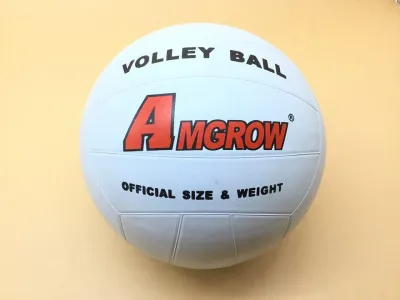
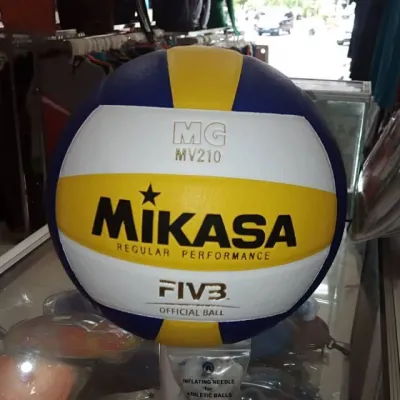
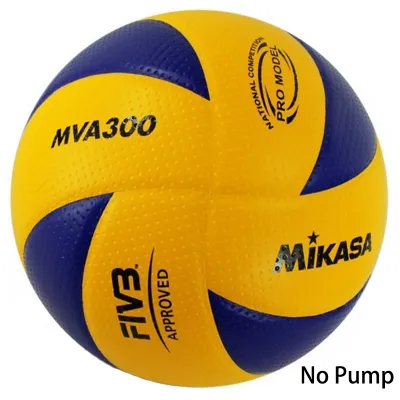
Products mentioned in this guide
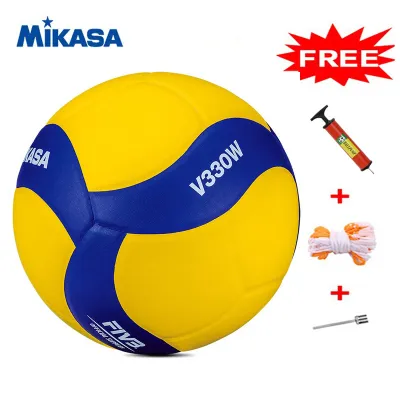
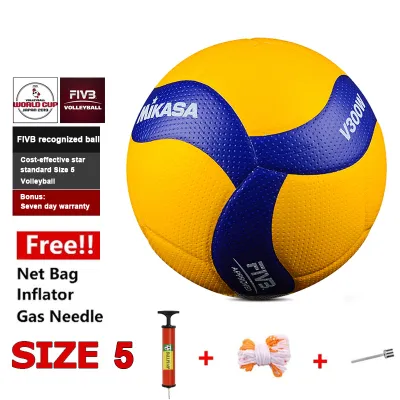
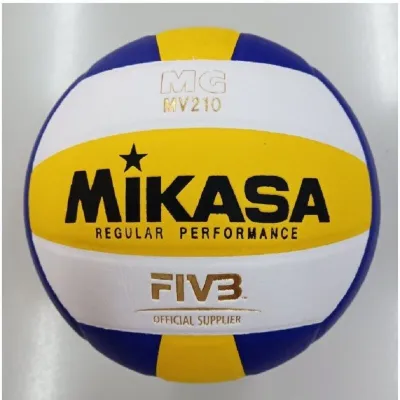
![[Philippines Spot]MIKASA MVA200 Volleyball Indoor Training Game Sports Ball Outdoor Beach Ball Hard High Elastic Competitions Game Ball original spikes set](https://img.lazcdn.com/g/p/f7658acdd0c982dbd339f87af28a2a8d.jpg_400x400q80.jpg_.webp)
Prices are valid at publication and may change. Please refer to the product page for the latest price.
| Feature | Indoor Volleyball | Outdoor (Beach/Street) Volleyball |
|---|---|---|
| Cover Material | Soft composite or genuine leather | Heavy-duty synthetic leather (PU) or molded rubber |
| Construction | Laminated / Glued panels | Stitched panels or molded rubber seams |
| Weight & Size | Official Size 5; tight, compact design | Official Size 5; slightly larger circumference for lower pressure |
| Internal Pressure | Higher pressure (approx. 4.26 to 4.61 PSI) | Lower pressure (approx. 2.5 to 3.2 PSI) |
| Water Resistance | Low (absorbs moisture and swells) | High (repels water, rain, and sweat) |
| Ideal Surface | Polished hardwood, taraflex, synthetic courts | Beach sand, grass, concrete, or asphalt |
| Flight Path | Fast, crisp, and highly predictable | Slower, float-resistant to withstand wind |
While these specifications represent standard manufacturing distinctions, you must always verify specific product labels and manufacturer guidelines before purchasing. Some brands offer hybrid or specialty training balls that cross these traditional boundaries, but these should be chosen only for specific, limited use cases.
Using the wrong type of ball carries immediate consequences. If you take a premium indoor ball to an outdoor concrete court or a sandy beach, the abrasive surface will scuff and peel the laminated panels within a few games. Exposure to morning dew or damp grass will cause the leather to absorb water, making the ball heavy, off-center, and painful to hit. Conversely, using a stiff, molded outdoor rubber ball on a polished indoor court leads to poor grip, erratic rebounds off the floor, and uncomfortable forearm sting during passes.
Indoor Volleyballs: Materials, Grip, and Hardwood Court Needs
Indoor volleyball is a fast-paced game of precision, rapid sets, and high-velocity spikes. To support this style of play, indoor volleyballs are engineered to prioritize touch, control, and consistent flight. The materials and construction methods used are tailored specifically for the stable, wind-free environment of an indoor gymnasium.

Most high-quality indoor balls feature an outer cover made of premium composite leather or genuine leather. These panels are laminated—meaning they are glued or cemented directly onto an inner lining that wraps around the bladder. This laminated construction eliminates exposed seams, creating a smooth, uniform surface. The soft-touch cover provides excellent friction against a setter’s fingers, allowing for precise control and clean releases without slipping.
This smooth, cushioned surface also plays a critical role in player comfort and safety. Receiving a high-speed spike, known as digging, puts significant impact force on a defender’s forearms. The padded composite leather absorbs a portion of this impact, reducing bruising and skin irritation during long training sessions or intense matches.
Because indoor courts are free from wind and air currents, the flight path of an indoor ball is highly predictable. The ball is inflated to a relatively high pressure (typically between 4.26 and 4.61 PSI), which gives it a crisp, lively bounce off the hardwood or taraflex floor. This high pressure ensures that when a player spikes the ball, it travels fast and true to its target.
However, these high-performance materials require careful environmental protection. Composite and genuine leathers are naturally porous and highly susceptible to moisture damage. If used outdoors, the ball will absorb sweat, rain, or ground moisture, causing the panels to swell, the adhesive to dissolve, and the cover to peel away from the bladder. Additionally, rough surfaces like concrete, gravel, or asphalt act like sandpaper, instantly scratching the delicate cover and ruining the ball’s aerodynamic properties.
Before purchasing, inspect the product packaging or online specifications. Confirm the presence of labels such as “Indoor Use Only,” “Laminated Construction,” or “Premium Composite.” If you play in school gymnasiums or local sports centers, these are the exact specifications required to maintain court standards and ensure a fair game.
Outdoor Volleyballs: Weather Resistance, Durability, and Visibility
Outdoor volleyball encompasses beach games, grass tournaments, and recreational matches on neighborhood concrete courts. Because these environments expose the ball to abrasive surfaces, wind, moisture, and direct sunlight, outdoor volleyballs require a completely different engineering approach focused on durability and environmental resilience.
To withstand these harsh conditions, outdoor volleyballs are typically constructed with heavy-duty synthetic leather (such as polyurethane) or molded rubber. Unlike laminated indoor balls, outdoor synthetic balls feature panels that are securely stitched together. This heavy stitching prevents the panels from peeling when exposed to moisture, heat, or sand. For rough concrete barangay courts, molded rubber balls offer the highest level of abrasion resistance, preventing the cover from tearing or wearing down.
Water resistance is a vital feature for any outdoor ball. Whether playing through a sudden tropical drizzle or dealing with sweaty hands on a humid afternoon, the ball must repel water. Outdoor synthetic covers are treated to prevent moisture absorption, ensuring the ball maintains its original weight and balance throughout the game. This water resistance also protects the internal bladder from rotting or losing air retention capabilities.
Surface texture is adjusted to combat outdoor elements. Many beach and outdoor volleyballs feature a slightly textured, pebbled, or ribbed surface. When players’ hands are covered in sand, sweat, or sunscreen, this texture provides the necessary grip to set and serve effectively. Without this texture, a wet ball would easily slip, making controlled play nearly impossible.
Visibility is another major consideration for outdoor designs. While indoor balls are often classic white or subtle multi-color patterns, outdoor balls utilize bright, high-contrast color schemes. Combinations of neon yellow, vibrant orange, bright blue, and stark white are common. These high-visibility patterns help players track the ball’s spin and trajectory against complex, naturally lit backgrounds like bright blue skies, green trees, or beige sand under direct sunlight.
These protective features require certain performance trade-offs. Outdoor balls generally feel firmer and heavier on impact than indoor models, even if they weigh the same on a scale. They are designed to operate at a lower internal pressure (typically 2.5 to 3.2 PSI), which allows them to float slightly more, helping players control the ball in windy outdoor conditions. This lower pressure results in a softer, slower bounce, which is necessary when playing on absorbing surfaces like beach sand.
Choosing by Player Profile: Age, Skill Level, and Match Certifications
Selecting the perfect volleyball requires looking beyond the court surface. You must also consider the physical attributes of the players, their skill levels, and whether the ball needs to comply with specific tournament rules.
Matching Weight and Size to Age and Skill
Volleyballs are manufactured in different sizes and weights to accommodate different age groups and developmental stages. Using a ball that is too heavy or rigid for a player’s physical capability can lead to poor technique, arm fatigue, or painful bruising.
- Adult / Official Size (Size 5): Designed for players aged 12 and older. These balls have a circumference of 65 to 67 centimeters for indoor play (slightly larger for beach play) and a standard weight of 260 to 280 grams. This is the standard size used in high schools, colleges, and professional leagues.
- Youth / Lightweight Balls: Designed for players under the age of 12 or beginners learning the basics. These balls typically weigh between 198 and 226 grams. They often feature a foam-backed cover or an ultra-soft composite layer that minimizes the sting of impact on young arms.
Using a lightweight or “soft-touch” ball allows beginners to focus on mastering proper passing, setting, and serving mechanics without the fear of pain or injury. When buying for family recreation, school physical education, or youth training, always check the manufacturer’s recommended age or skill level indicators on the product details to ensure a safe and encouraging playing experience.
Identifying Official Certifications for Competitive Play
If you are purchasing a volleyball for school varsity teams, club leagues, or official tournaments, the ball must meet strict regulatory standards set by sports governing bodies. These organizations test balls for precise weight, roundness, rebound height, and pressure retention to ensure fair and uniform play.
To verify if a ball is approved for competitive play, look for official certification stamps printed directly on the ball’s cover or packaging. Common certifications include:
- FIVB Approved / FIVB Official Game Ball: This stamp from the Fédération Internationale de Volleyball indicates the ball meets the highest global standards and is authorized for international competitions.
- NFHS Approved: The National Federation of State High School Associations stamp is required for high school league matches in many competitive school sports systems.
- National Association Endorsements: Local school sports boards or national volleyball federations often specify particular approved brands and models for regional tournaments.
If you are purchasing a ball for recreational backyard games, beach outings, or casual street play, these official certification stamps are not necessary. Non-certified recreational balls from reputable manufacturers offer excellent durability and performance at a much more accessible price point, typically ranging from ₱500 to ₱1,500, whereas certified professional match balls can range from ₱3,000 to ₱6,000 or more.
How to Inspect, Inflate, and Maintain Your Volleyball
Proper care and routine maintenance will significantly extend the life of your volleyball, preserving its grip, shape, and bounce consistency over seasons of play.
Visual Inspection Upon receiving your new volleyball, perform a quick visual check before inflation. Examine the seams (whether laminated or stitched) to ensure there are no gaps, loose threads, or lifting edges. Inspect the inflation valve to make sure it is centered and flush with the cover. Run your hands over the deflated ball to check for any obvious material defects or surface irregularities.
Safe Inflation Steps Incorrect inflation is a leading cause of premature bladder rupture and split seams. Follow these steps to inflate your ball safely:
- Locate the PSI Rating: Find the manufacturer's recommended pressure range printed directly on the ball, usually right next to the inflation valve. Indoor balls typically require 4.26 to 4.61 PSI, while outdoor beach balls require 2.5 to 3.2 PSI.
- Lubricate the Needle: Always moisten your inflation needle with a drop of glycerin, valve oil, or soapy water before inserting it. Inserting a dry needle can scratch, damage, or push the rubber valve core inside the ball, causing permanent air leaks.
- Use a Hand Pump with a Gauge: Always use a manual hand pump equipped with an integrated pressure gauge. Avoid using high-pressure air compressors (such as those at gas stations), as they pump air too quickly and can easily over-inflate, warp, or pop the ball's internal bladder.
- Perform a Physical Check: If you do not have a pressure gauge, inflate the ball until it feels firm but still yields slightly (about 2 to 3 millimeters of indentation) when pressed firmly with both thumbs. If the ball feels rock-hard, immediately release some air.
Cleaning Guidelines Keep your ball clean to maintain its grip and prevent dirt from degrading the cover material:
- Indoor Balls: After each session, wipe the cover with a soft, slightly damp microfiber cloth to remove sweat, dust, and floor wax. Never submerge an indoor composite or leather ball in water, and never use harsh chemical detergents or solvents. Dry the ball immediately with a clean towel.
- Outdoor Balls: Rinse off sand, dirt, or mud under cool, running water. If necessary, use a mild, diluted dish soap solution and a soft sponge to clean the surface. Rinse thoroughly to remove all soap residue, and wipe dry with a towel.
Storage Best Practices Store your volleyball in a cool, dry place away from direct sunlight, extreme heat, or high humidity. Avoid leaving your ball inside a hot car trunk, as extreme heat can melt the adhesives on laminated indoor balls, warp the shape, and dry out the rubber bladder. Additionally, do not store the ball underneath heavy equipment or heavy objects, as prolonged pressure can cause permanent flat spots and ruin its roundness.
Frequently Asked Questions (FAQ)
Can I use an indoor volleyball for outdoor play?
While you can physically play with an indoor volleyball outdoors, it is highly discouraged. Indoor volleyballs are made of soft, porous composite or genuine leather designed specifically for smooth indoor courts. When exposed to rough outdoor surfaces like concrete, asphalt, or sand, the cover will quickly scuff, tear, and peel. Furthermore, if the ball absorbs moisture from damp grass or outdoor humidity, it will become heavy and water-logged, permanently ruining its flight dynamics and soft feel.
Why are outdoor volleyballs usually brighter in color?
Outdoor volleyballs feature bright, high-contrast color schemes—such as neon yellow, bright orange, pink, or multi-color panel patterns—to maximize visibility. Unlike indoor courts with controlled lighting and neutral walls, outdoor environments present challenging visual conditions, including direct sunlight, shifting shadows, and complex backgrounds like blue skies, green trees, or beige sand. Bright colors help players easily track the ball’s spin, speed, and trajectory, reducing reaction times and eye strain.
How do I know if my volleyball has the correct air pressure?
The most accurate way to verify correct air pressure is to check the recommended PSI or bar rating printed near the ball’s inflation valve and measure it using a pump with an integrated pressure gauge. If a gauge is unavailable, you can perform a manual check: press both thumbs firmly into the ball. It should feel solid and resilient, yielding only slightly (about a few millimeters) under firm pressure. If the ball feels rock-hard and does not yield at all, it is over-inflated; if it feels soft or squishy, it needs more air.
Community discussion
Share your experience or ask a question. Comments are reviewed before publication.