
Choosing the right volleyball ball depends entirely on where you plan to play. Indoor courts require a highly precise, molded composite or genuine leather ball that delivers a consistent bounce on polished hardwood. Outdoor courts—such as neighborhood concrete spaces or grassy parks—demand a rugged, scuff-resistant synthetic or rubberized ball that can withstand abrasive surfaces. Beach volleyball requires a slightly larger, stitched ball with lower internal pressure, designed to float predictably in coastal winds and resist moisture. Using the wrong ball type not only ruins your playing experience but also quickly destroys your equipment.
Selecting a ball tailored to your specific environment ensures optimal grip, accurate flight paths, and long-lasting durability. Whether you are setting up a casual game on a local barangay court or preparing for a competitive indoor tournament, understanding these structural differences will help you make a smart investment.
Why Playing Surface Dictates Your Volleyball Choice
The physical environment of a volleyball game imposes unique demands on the ball’s construction. Hardwood, concrete, grass, and sand all interact differently with the ball upon impact. Because of these distinct physical interactions, manufacturers engineer separate product lines with specialized cover materials, internal bladders, and panel assembly methods.
Products mentioned in this guide
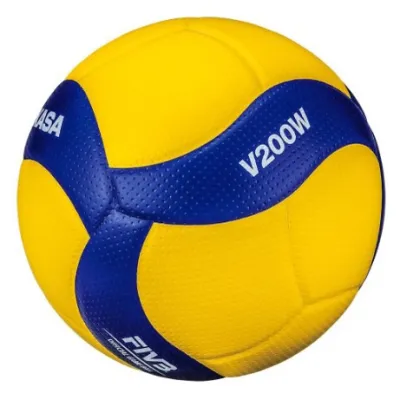
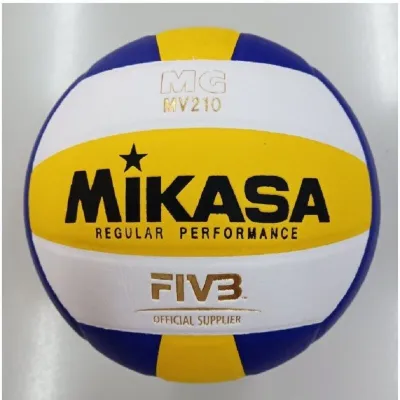
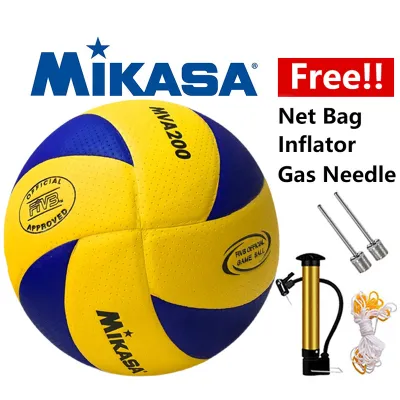
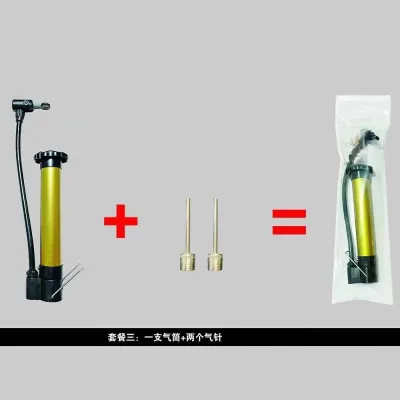
![[Philippines Spot]MIKASA MVA200 Volleyball Indoor Training Game Sports Ball Outdoor Beach Ball Hard High Elastic Competitions Game Ball original spikes set](https://img.lazcdn.com/g/p/f7658acdd0c982dbd339f87af28a2a8d.jpg_400x400q80.jpg_.webp)
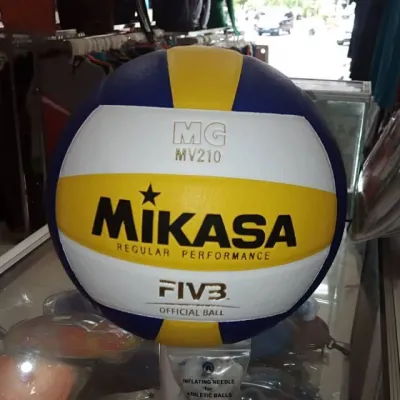
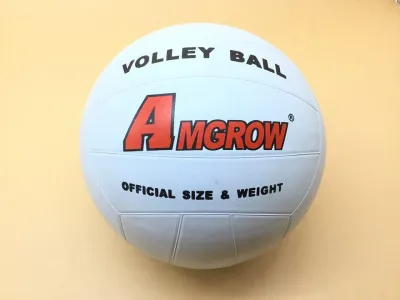
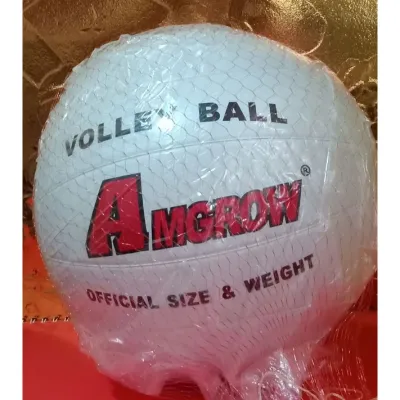
Prices are valid at publication and may change. Please refer to the product page for the latest price.
Indoor courts feature smooth, clean, and uniform surfaces that allow for highly consistent bounces. Because the floor is non-abrasive, indoor balls can prioritize soft touch and aerodynamic precision over raw ruggedness. The cover materials are designed to absorb minimal impact shock while maximizing hand grip during rapid sets and spikes.
Outdoor environments present a much harsher set of variables. Concrete and asphalt act like sandpaper on soft leather, while grass can introduce morning dew and dirt that degrade untreated seams. Outdoor balls are built to survive these abrasive elements, utilizing tougher outer shells and reinforced bladders to maintain their shape over time.
Sand courts introduce the challenges of wind, high heat, and intense moisture. Sand grains can easily wedge into tight seams, while coastal humidity or sweat can make a standard ball heavy and waterlogged. Beach volleyballs are specifically designed with looser, stitched seams and water-repellent covers to combat these coastal elements.
Using a ball on a surface it was not engineered for leads to immediate drawbacks. An indoor ball used on concrete will scuff, peel, and lose its grip within a single session. Conversely, playing with a heavy, rigid outdoor ball on a polished indoor court can cause hand fatigue and erratic bounces off the floor.
Indoor Courts: Choosing a Ball for Hardwood and Precision
Indoor volleyball is a game of high speed, quick reflexes, and absolute precision. To facilitate this level of play, indoor balls are engineered with a focus on aerodynamics, consistent flight, and a soft feel on the hands and forearms.

Most high-quality indoor balls feature a molded construction. During manufacturing, the panels are glued or laminated directly onto a rubber lining or cloth-wrapped bladder. This seamless design ensures a perfectly round shape and a highly predictable trajectory when the ball is served or set. The lack of raised seams allows air to flow smoothly over the surface, reducing unpredictable wobbling in mid-air.
Premium indoor balls utilize genuine leather or high-grade composite leather covers. Genuine leather offers unmatched longevity and a classic feel, though it requires a brief break-in period to soften. Composite leather, which is highly popular in school leagues and recreational centers, provides a soft, cushioned touch right out of the box. These materials are optimized for dry, climate-controlled environments where dust is the only major contaminant.
In terms of specifications, indoor balls are inflated to a higher pressure than beach balls, typically ranging from 4.26 to 4.61 psi (pounds per square inch). This higher pressure, combined with a slightly smaller circumference of 65 to 67 centimeters, makes the ball move much faster through the air. This speed is essential for the fast-paced defensive digs and explosive spikes characteristic of the indoor game.
Before purchasing an indoor ball, check the manufacturer’s label for official certifications. Look for seals such as “FIVB Approved” or local athletic association stamps if you plan to play in organized tournaments. Always verify that the ball is designated strictly for indoor use; using these premium models on rough outdoor surfaces will void any performance benefits and ruin the expensive cover.
Outdoor Courts: Finding a Durable Ball for Grass and Concrete
Outdoor volleyball in the Philippines is incredibly popular, often played on concrete barangay courts, backyard grass, or dirt lots. These unforgiving surfaces require a ball that prioritizes rugged durability without completely sacrificing playability.
Outdoor balls are constructed with heavy-duty synthetic leather or rubberized covers. These materials are specifically formulated to resist scuffing, scraping, and tearing when the ball inevitably contacts rough concrete or gravel. Rubber covers are the most economical option and are virtually indestructible, making them excellent for casual street play, though they feel much firmer on the arms.
Visibility is another crucial factor for outdoor play. Natural sunlight, moving shadows, and complex outdoor backgrounds can make a standard white ball difficult to track. To solve this, outdoor balls frequently feature bright, high-contrast color schemes—such as vibrant blues, yellows, and neon pinks—helping players track the ball’s rotation and path against trees, buildings, or bright skies.
To ensure a true bounce on uneven, hard ground, outdoor balls are often inflated to a slightly firmer feel. The internal bladders are reinforced to hold air pressure longer, even when subjected to repeated impacts against solid concrete walls or metal posts. Additionally, the outer materials are designed to be weather-resistant, preventing the ball from absorbing moisture from damp grass or light tropical drizzle.
When shopping for an outdoor ball, look for models labeled as “All-Surface” or “Outdoor.” These models strike a balance between a playable grip and a tough exterior. While they may feel slightly heavier and stiffer than their indoor counterparts, their ability to survive rough terrain makes them the most cost-effective choice for open-air recreation.
Beach Play: Selecting a Soft, Weather-Resistant Ball for Sand
Beach volleyball is distinct from both indoor and traditional outdoor court play. Played under the sun, often in windy coastal conditions, this discipline requires a ball that can handle sand, wind, and moisture while offering maximum comfort for players diving on the sand.
Beach volleyballs are physically larger than indoor balls, with a regulation circumference of 66 to 68 centimeters. They are also inflated to a much lower pressure, usually between 2.5 and 3.2 psi. This combination of a larger size and lower internal pressure allows the ball to float more slowly through the air, giving players extra time to react and move across the shifting, unstable sand.
Instead of molded panels, beach balls feature a stitched construction, typically utilizing 18 panels sewn together with heavy-duty, water-resistant thread. The stitched seams are slightly raised, which gives players a better physical grip on the ball when it is covered in fine sand or sweat. This textured surface also helps the ball bite into the wind, preventing erratic drifting during outdoor sets.
Water and sand resistance are critical safety and performance features. High-quality beach balls use specialized synthetic covers that do not absorb water. If a ball absorbs moisture, it becomes heavy, waterlogged, and painful to hit, which can lead to wrist or shoulder strain. The stitched seams are also tightly sealed to prevent fine sand grains from slipping inside the bladder and throwing off the ball’s balance.
Keep in mind that a beach volleyball is not suitable for hard indoor courts. Because of its soft, low-pressure design, it will not bounce properly on hardwood or painted concrete floors. Using a beach ball indoors results in a sluggish, mushy game that fails to match the fast pace of the indoor sport.
Cross-Surface Compatibility: Can One Ball Handle Multiple Environments?
Many players wonder if they can buy a single volleyball to use across all playing surfaces. While a multi-purpose ball is highly convenient, it always involves significant performance compromises.
If you must use one ball for multiple environments, a dedicated “All-Surface” or outdoor synthetic ball is your best compromise. You can bring an outdoor ball onto an indoor court for a casual, recreational game without damaging the court or the ball. However, the trade-off is a stiffer feel, a heavier impact on your arms, and less precise flight control compared to a true indoor ball.
Conversely, you should never use a premium indoor leather ball on an outdoor concrete or sand court. High-end indoor balls can cost anywhere from ₱3,000 to over ₱5,000. Using such an expensive piece of equipment on rough concrete will scuff the delicate leather cover, split the molded seams, and ruin the ball within minutes, representing a significant financial loss.
For players who transition regularly between indoor gymnasiums and outdoor sand or concrete courts, the most practical approach is to purchase two dedicated balls:
- A mid-tier composite indoor ball for gym sessions, ensuring excellent control and safety on hardwood.
- A durable synthetic outdoor or beach ball for park, street, or coastal games, ensuring long-lasting performance against the elements.
Dividing your play this way extends the lifespan of both balls, making it a more economical choice in the long run.
Pre-Purchase Checklist and Basic Ball Maintenance
Before finalizing your purchase, run through a quick verification check to ensure you are getting a high-quality product that matches your playing needs. Proper maintenance afterward will ensure your investment lasts for years.
Pre-Purchase Verification Checklist
- Check the Valve Quality: Look for a secure, flush-mounted rubber valve. A loose or poorly constructed valve is the primary cause of slow air leaks.
- Inspect the Seams: For beach and outdoor balls, check that the stitching is tight and uniform with no loose threads. For indoor balls, ensure the molded panels are perfectly flush with no visible glue residue or peeling edges.
- Verify Specifications: Ensure the ball displays the correct size (usually Size 5 for adults) and weight labels near the valve. Check if the recommended inflation pressure is clearly printed on the ball.
Low-Risk Maintenance Steps
To extend the life of your volleyball, follow these simple, reversible care steps after every game:
- Use Proper Inflation Tools: Always use a standard ball pump equipped with a reliable pressure gauge. Before inserting the inflating needle into the valve, moisten it with a drop of water or glycerin to prevent tearing the inner rubber seal.
- Clean After Use: Wipe the ball down with a soft, damp cloth after playing outdoors or on the beach to remove dirt, sweat, and abrasive sand. Avoid harsh chemical detergents, which can dry out and crack composite or genuine leather.
- Dry and Store Correctly: Allow the ball to air-dry completely in a shaded, well-ventilated area. Never leave your volleyball in direct sunlight, inside a hot car trunk, or near a heat source, as extreme heat causes the air inside the bladder to expand, warping the ball's shape and weakening the structural adhesives.
Frequently Asked Questions (FAQ)
What is the standard size and weight for a regulation volleyball?
For adult play, a standard regulation indoor volleyball has a circumference of 65 to 67 centimeters and a weight of 260 to 280 grams. A regulation beach volleyball is slightly larger, with a circumference of 66 to 68 centimeters, but shares the same weight range of 260 to 280 grams. Because tournament rules and youth categories may have slightly different requirements, always check your specific league’s rulebook or the manufacturer’s certification label before purchasing a ball for competitive play.
How do I know if my volleyball needs more air?
An under-inflated volleyball will feel heavy, exhibit a sluggish or inconsistent bounce, and sting your hands and forearms upon impact because it deforms too much. To verify the inflation level accurately, avoid squeezing the ball or guessing by eye. Instead, insert a calibrated pressure gauge into the valve to check if the reading falls within the manufacturer’s recommended psi range printed on the ball, which is typically 4.26 to 4.61 psi for indoor models and 2.5 to 3.2 psi for beach models.
Community discussion
Share your experience or ask a question. Comments are reviewed before publication.