
Selecting the right inflatable rescue craft depends entirely on your primary water activity, passenger capacity, and available storage space. For island hopping, an active, high-capacity inflatable lifeboat or motorized dinghy is necessary to navigate open coastal waters and transport groups safely. Conversely, for kayaking, a compact, lightweight rescue raft or packraft that fits securely within your limited deck rigging or storage hatches is the only practical choice.
In tropical environments, sudden weather shifts, high humidity, and intense UV exposure demand careful equipment selection. Choosing the wrong type of craft can leave you stranded with a vessel that is either too heavy to deploy or too fragile to withstand coastal currents. Understanding the distinct roles of these safety tools ensures you remain prepared for emergencies on the water.
Understanding Inflatable Rescue Craft: Boats vs. Rafts
To make an informed decision, you must first distinguish between active inflatable boats and passive emergency rafts. While both are designed to keep you afloat, their engineering, deployment methods, and intended uses are fundamentally different.
Products mentioned in this guide
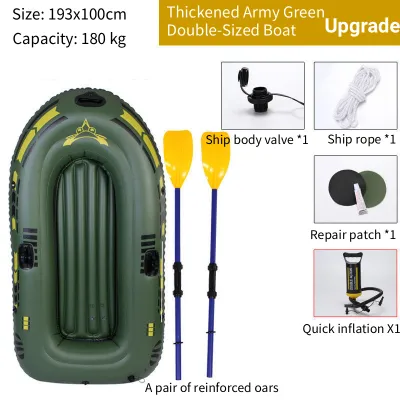
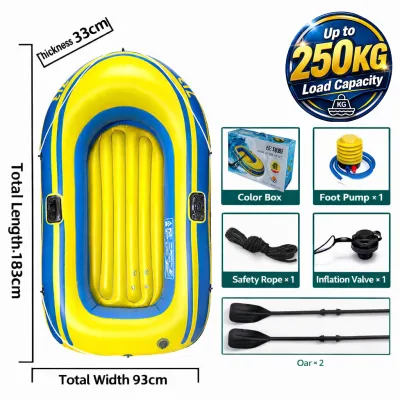
Prices are valid at publication and may change. Please refer to the product page for the latest price.
Inflatable lifeboats and utility dinghies are built for active navigation. These craft feature rigid or semi-rigid floors, reinforced transoms for mounting outboard motors, and robust bow designs that allow for towing or rowing. They are designed to be steered, propelled, and used as functional transport vessels to travel from a larger host boat to the shore or to navigate coastal waters independently.
In contrast, life rafts are passive survival equipment designed strictly for vessel abandonment. These rafts are typically packed into compact canisters or valise bags and feature automatic CO2 inflation systems. Once deployed, they inflate into high-walled, canopy-covered structures meant to drift with the wind and current while protecting occupants from exposure until rescue teams arrive. They lack propulsion systems and cannot be steered.
Using a standard maritime life raft for recreational paddling or active island touring is highly impractical. These rafts are heavy, difficult to repack, and offer no way to navigate toward a specific destination. For active water sports, you need a craft that matches your mobility requirements rather than a passive survival shelter.
Island Hopping: Selecting a High-Capacity Inflatable Boat
Island hopping involves traveling longer distances across open water, often with multiple passengers and substantial gear. To ensure safety during these transits, you need a high-capacity inflatable boat that can handle changing sea conditions and support your group.

Passenger capacity and weight limits are your primary considerations. When calculating capacity, account for the combined weight of all passengers, safety gear, coolers, and fuel. Overloading an inflatable boat compromises its stability and increases the risk of swamping in choppy coastal waters. Always check the manufacturer’s capacity plate and leave a conservative safety margin.
Storage space on your primary vessel or transport vehicle dictates the size of the deflated craft. If you operate a larger host boat, you must decide whether to store the inflatable boat on davits, secure it on deck, or deflate and pack it into a locker. For land-based travelers, the packed dimensions must fit comfortably inside your vehicle’s trunk or roof rack along with your other travel gear.
Deployment methods and hull designs also play a critical role in usability. Inflatable boats with drop-stitch air floors or aluminum slats offer excellent rigidity and can be assembled quickly on the beach or deck. If you plan to cover significant distances, choose a model with a reinforced transom that supports a small outboard motor. Additionally, ensure the boat features heavy-duty bow D-rings and towing bridles if you intend to tow it behind a larger vessel.
Kayaking: Choosing a Compact Rescue Raft or Packraft
Kayaking presents unique safety challenges due to the extremely limited storage space and weight capacity of a kayak. If you capsize or experience a hull failure far from shore, a standard inflatable boat is far too bulky to carry as a backup. Instead, you must rely on ultra-compact rescue rafts or specialized packrafts.
Packed size and weight are the most critical constraints for kayakers. A suitable rescue craft must pack down to the size of a small sleeping bag and weigh under five kilograms. This compact profile allows you to secure the raft under your kayak’s deck bungees or slide it inside a dry storage hatch without disrupting your paddling stroke or altering the kayak’s balance.
Quick-deployment features are essential when you are already in the water or dealing with a compromised kayak. Look for rescue rafts that utilize high-volume manual inflation bags or integrated CO2 cartridge systems. These mechanisms allow you to inflate the craft in minutes without needing a bulky foot pump. The inflation valves must be easily accessible and simple to operate even with wet hands.
You must also accept significant capacity trade-offs with these compact designs. Kayak rescue rafts are typically rated for only one or two occupants and offer virtually no space for extra gear. Their primary purpose is to keep you out of the water and visible to rescuers, rather than serving as a comfortable touring vessel.
Core Specifications to Evaluate Before Purchase
Regardless of whether you choose a high-capacity boat or a compact kayak raft, several critical material and design specifications determine the craft’s reliability and lifespan.
Hull materials must be selected based on their resistance to tropical elements. Heavy-duty PVC is a common and cost-effective option, but it requires UV-resistant coatings to prevent degradation under intense tropical sunlight. For maximum durability in saltwater and high-abrasion environments, polyurethane-coated nylon or Hypalon-style materials offer superior resistance to punctures, scrapes, and chemical exposure, though they often come at a higher price point.
Inflation systems require built-in redundancy to ensure safety on the water. A reliable inflatable craft must feature multiple independent air chambers. If one chamber is punctured by a sharp rock or marine debris, the remaining chambers must retain enough air to keep the craft afloat and support the occupants. High-quality valves, such as Halkey-Roberts or Leafield valves, are essential for preventing air loss during transit.
Essential safety features should never be overlooked. Ensure the craft is equipped with high-visibility grab lines running along the outer perimeter, allowing swimmers to hold onto the boat easily. Reflective tape and bright safety colors, such as high-visibility orange or yellow, are crucial for search-and-rescue visibility. Finally, verify that the craft includes secure D-rings and tie-down points for tethering safety gear or securing the raft to your kayak.
Can One Inflatable Craft Cover Both Scenarios?
Many water sports enthusiasts wonder if they can purchase a single inflatable craft that serves both island hopping and kayaking needs. While a versatile setup is appealing, attempting to use one craft for both scenarios introduces significant safety and practical compromises.
Using a large, high-capacity island-hopping boat for kayaking is physically impractical. These boats are far too heavy to carry on a kayak deck and create immense aerodynamic and hydrodynamic drag if towed behind a paddle craft. Attempting to tow a heavy inflatable boat while paddling a kayak can quickly exhaust you, leaving you vulnerable to currents and wind.
Conversely, relying on a tiny kayak rescue raft for multi-person island hopping is highly dangerous. These compact rafts lack the structural rigidity, passenger capacity, and stability required to navigate open coastal channels. They cannot support outboard motors and are easily swept off course by strong tropical currents, making them unsuitable for active group transit.
To make the right choice, establish a clear decision framework based on your primary activity. If your adventures consist of group trips between islands using a motorized host vessel, prioritize a durable, high-capacity inflatable boat. If you are a solo paddler exploring coastal waters, invest in a dedicated, ultra-lightweight rescue raft or packraft designed specifically for kayak storage. Prioritizing the correct gear for each specific environment is the best way to ensure safety on the water.
Frequently Asked Questions (FAQ)
Do I need a registered life raft for recreational island hopping in the Philippines?
While commercial maritime vessels in the Philippines must comply with strict safety regulations regarding certified life rafts, private recreational vessels face different requirements. For personal island hopping, a registered commercial-grade life raft is generally not legally mandated for small recreational craft, but carrying adequate flotation devices is highly recommended. You should always consult the latest guidelines from the Philippine Coast Guard (PCG) and local maritime authorities to ensure your vessel complies with safety equipment mandates for your specific route and boat size.
How often should I inspect and repack my inflatable rescue craft?
You should perform a thorough visual inspection of your inflatable craft at least once every six months, especially in hot, humid tropical climates where heat can weaken glued seams and valves. Inflate the craft to its recommended working pressure and let it sit for 24 hours to check for slow leaks or pressure drops. Clean the valves of any sand or salt crystals, and always follow the manufacturer’s specific guidelines for professional servicing and repacking intervals to ensure the craft deploys reliably in an emergency.
Community discussion
Share your experience or ask a question. Comments are reviewed before publication.