
Finding the perfect inflatable swimming floater depends entirely on your swimming ability, your environment, and how you intend to spend your time in the water. Whether you are planning a relaxing weekend at a resort pool in Laguna, heading to the beaches of Batangas, or looking for a reliable resting aid for snorkeling, choosing the right design is key to your comfort and safety.
There is no single best inflatable swimming floater for every scenario. Instead, the right choice is highly conditional: choose an inflatable ring for casual wading, socializing, and easy mounting; choose an inflatable lounger for hands-free relaxation, reading, or sunbathing in calm, sheltered waters; and choose an inflatable tube for active swimming support, snorkeling, or covering longer distances.
Before choosing any model, you must recognize a critical safety limit: none of these recreational floaters are certified life-saving devices. They are designed solely for leisure and should never replace proper life jackets or active adult supervision for children and non-swimmers in any water depth.
Products mentioned in this guide
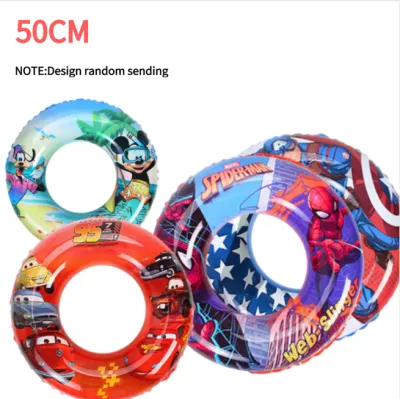
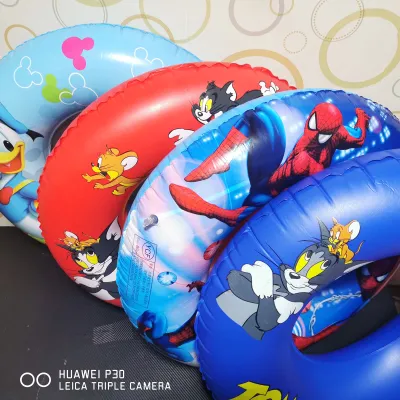
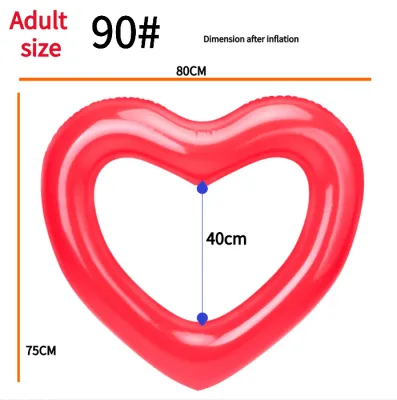
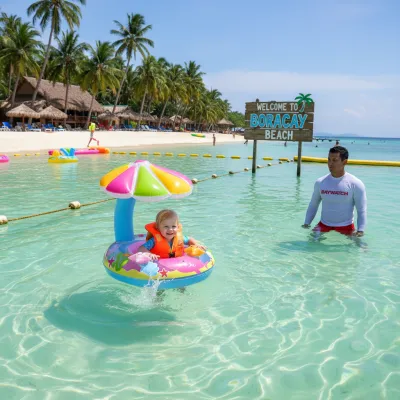
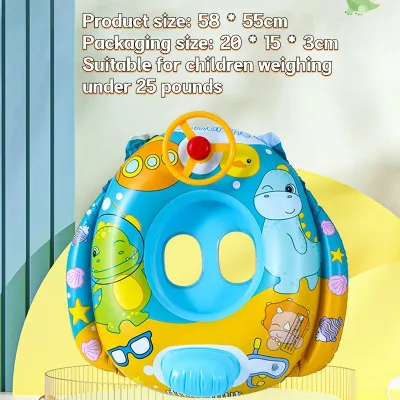
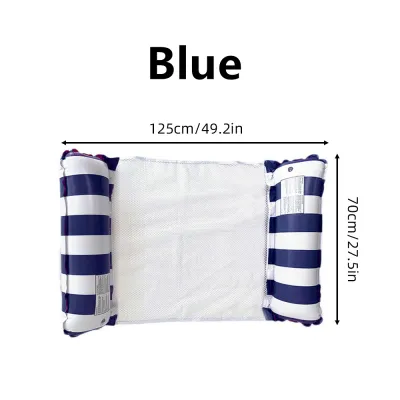
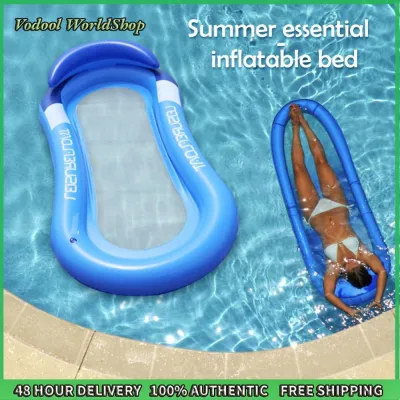
Prices are valid at publication and may change. Please refer to the product page for the latest price.
Understanding the Core Designs: Ring, Lounger, and Tube
To make an informed purchase, you first need to understand how these three floater types differ in physical structure, posture, and intended water behavior. Each design distributes your weight differently across the water’s surface, which directly affects how much physical effort you must exert to stay balanced and comfortable.
Inflatable Rings (Classic Circles and Donuts)
The inflatable ring is the traditional circular floater featuring an open center. To use it, you typically slip your body through the middle, letting the inflated ring rest under your armpits, or you drape your legs over the sides to sit directly inside the central opening.
Its primary appeal lies in its simplicity and social design. Because you sit upright and can easily rotate 360 degrees, it is highly suited for casual play, wading in shallow pool waters, and chatting with friends. However, the classic ring offers minimal physical support for your back or head. To move around, you must actively kick your legs or paddle with your hands, which can become tiring during extended sessions in the water.
Inflatable Loungers (Water Chairs and Hammocks)
Inflatable loungers are designed to mimic land-based lounge chairs, water hammocks, or floating armchairs. They typically feature built-in backrests, armrests, headrests, and sometimes specialized mesh bottoms that allow a small amount of water to filter through, keeping you cool while keeping your upper body dry.
These floaters prioritize maximum comfort for prolonged, passive relaxation. They are ideal for reading, sunbathing, or enjoying a cold beverage in completely calm, flat water, such as swimming pools or protected coastal coves. The trade-off for this comfort is size and wind resistance. Because they sit high out of the water and have a large surface area, they act like sails in breezy conditions, making them difficult to steer or control if a sudden wind picks up.
Inflatable Tubes (Cylinders and Noodles)
Inflatable tubes, often designed as elongated cylinders, swim noodles, or long log-style inflatables, are built for active water users. Unlike rings or loungers, they do not enclose your body or support you in a seated position; instead, you drape them under your arms, across your chest, or wrap them around your torso.
This design keeps your head and shoulders comfortably above the surface while leaving your hips, legs, and feet completely free to move. This makes them highly effective for active swimming support, snorkeling, or resting between lap sets. The limitation of the tube design is that it lacks the enclosed security of a ring and requires you to maintain a forward-leaning or prone posture, making it less suitable for passive, hands-free socializing.
Key Comparison Dimensions for Water Comfort and Control
When comparing these three floater types, you must evaluate how they perform across practical dimensions that directly impact your safety, physical exertion, and the product’s lifespan in tropical conditions.

Stability and Balance in the Water
Stability varies significantly depending on the shape of the floater and your center of gravity. Inflatable rings offer moderate stability, but they can easily flip or slip out from under you if you lean too far backward or if a sudden wave hits the side. They require constant, minor core adjustments to stay upright.
Inflatable loungers provide high static stability in flat, calm water due to their wide base and lower center of gravity. However, their tall backrests make them highly vulnerable to wind and choppy water, which can cause them to tip over or drift rapidly away from the shore. Tubes offer excellent forward stability when placed correctly under the armpits, but they rely entirely on your active body balance to keep your lower half aligned.
When shopping, always check the product packaging or online specifications for multi-chamber designs. Floaters with multiple independent air chambers provide a crucial safety margin: if one chamber suffers a puncture, the remaining inflated sections will continue to provide buoyancy, preventing sudden and total deflation.
Mobility and Swimming Effort
If you plan to move around a resort pool or navigate a calm beach cove, consider the hydrodynamic drag of each design. Inflatable rings present a wide, flat circular profile to the water, creating significant resistance. Moving a ring forward requires continuous kicking and hand paddling, and turning can feel slow and cumbersome.
Inflatable loungers are highly resistant to movement. Their bulky, irregular shapes are designed to stay stationary, and attempting to paddle a large lounger against even a mild current or breeze requires substantial physical effort. They are not built for travel across the water.
Tubes offer the lowest drag and highest mobility of the three types. Because your legs are completely unencumbered and your body remains in a natural swimming alignment, you can swim efficiently, make sharp turns, or even dive down briefly while holding the tube. This makes them the superior choice for covering distances.
Material Durability and Puncture Resistance
The lifespan of any inflatable floater depends heavily on its material and seam construction. Most recreational floaters are made from polyvinyl chloride (PVC) or vinyl. When evaluating durability, look for manufacturers that specify heavy-duty vinyl or thicker PVC ratings on their packaging.
Seam construction is equally critical. Radio-frequency (RF) welded seams are fused at a molecular level, making them far more durable and resistant to pressure splits than simple glued seams.
Because inflatable loungers feature complex joints, mesh fabric inserts, and multiple inflation valves, they naturally have more potential failure points. These complex components can degrade faster under intense tropical sun and saltwater exposure compared to the simple, thick-walled, single-chamber designs of standard rings and tubes.
Matching the Floater to Your Swimming Ability and Activity
To ensure a safe and enjoyable time in the water, you must match the physical attributes of the floater to your personal swimming skills and the specific water conditions of your location.
For Beginners and Supervised Children
For beginners and young children playing in shallow, controlled environments like resort swimming pools, inflatable rings are highly popular. The enclosed, circular shape provides a reassuring sense of security and gives the user a physical barrier to hold onto while building water confidence.
However, this sense of security can be deceptive. Beginners and children must always remain within arm’s reach of a competent, supervising adult swimmer. If a non-swimmer slips through the center of a ring or if the ring capsizes, they may struggle to right themselves.
Avoid using loungers for beginners or young children. The deep seating position and high sides of a lounger can make it difficult for an inexperienced swimmer to stand up quickly or escape the floater if it shifts, tips, or drifts into deeper water.
For Relaxing and Lounging in Calm Water
If your primary goal is pure leisure, sunbathing, or reading while floating, the inflatable lounger is the unmatched choice. It is best suited for confident swimmers or adults who want to relax in calm pools, lakes, or protected, wave-free beach areas.
Before heading out with a lounger, always check the local weather and wind conditions. You should avoid using loungers on windy days or in open water where offshore currents are present. Because of their high wind resistance, a sudden gust can easily carry you far from the shoreline or pool edge before you realize you are drifting.
For Active Swimming and Snorkeling Support
For active swimmers, snorkelers, or beachgoers who want to explore larger bodies of water, the inflatable tube is the most practical choice. It serves as a highly portable buoyancy aid rather than a passive seat.
When snorkeling over shallow reefs, a tube allows you to rest your chest and upper body comfortably on the inflation chamber while keeping your face submerged in the water. This position keeps your legs free to kick with fins, allowing you to swim efficiently back to a boat or shore without fighting the heavy drag associated with rings or loungers.
Decision Framework: How to Make Your Final Choice
To help you finalize your purchase, use this structured decision framework to match your activities, environment, and safety requirements to the correct floater type.
- Choose an Inflatable Ring if: You want a versatile, highly social, and budget-friendly floater for casual pool days, shallow-water wading, and easy storage. These typically range in price from entry-level options around ₱150 to ₱500 for thicker, heavy-duty vinyl models.
- Choose an Inflatable Lounger if: Your main goal is hands-free relaxation, reading, or sunbathing in completely calm, wind-protected water, and you prioritize excellent back and head support. Standard loungers and water hammocks generally range from ₱500 to ₱1,500, while premium models with cup holders and fabric covers can exceed ₱2,500.
- Choose an Inflatable Tube if: You plan to swim actively, snorkel, need a highly portable resting aid between laps, or want maximum mobility with minimal water drag. Heavy-duty swim tubes and utility noodles generally range from ₱300 to ₱1,200 depending on material thickness.
- Verify First if: You are buying for a child, a non-swimmer, or for use in open ocean conditions. In these scenarios, pause and verify if a certified life jacket or a specialized personal flotation device (PFD) is actually what you need instead of a recreational toy.
Always cross-reference your final choice with the specific weight limits, age recommendations, and safety warnings printed directly on the product packaging before entering the water.
Essential Safety and Care Rules for Tropical Climates
Using inflatable floaters in hot, humid, and sunny environments like the Philippines requires specific care to prevent premature material failure and ensure safety during use.
Sun and Heat Protection
Prolonged exposure to intense tropical UV rays and high heat can rapidly degrade PVC and vinyl materials, causing them to become brittle and prone to cracking. Furthermore, air expands when heated. A floater inflated to maximum capacity in the cool morning air can over-expand under the midday sun, putting extreme pressure on the seams and potentially causing a sudden burst.
To prevent this, always deflate your floater slightly (leaving a little “give” or flexibility when you press on the material) if you plan to leave it in the direct sun. When you are not in the water, store your inflatables in a shaded area out of direct sunlight.
Inflation Best Practices
Always use a manual hand pump, foot pump, or a low-pressure electric pump designed specifically for recreational inflatables. Never use high-pressure air compressors, such as those found at gas stations, as they can instantly over-inflate and rupture the seams of your floater.
When inflating, do not fill the chamber until it is completely rigid. Leaving a small amount of flexibility in the material allows the air inside to expand safely as the temperature rises throughout the day.
Rinsing and Storage
Chlorine from swimming pools and salt from ocean water are highly corrosive to PVC, vinyl, and plastic valves over time. After every use, thoroughly rinse your inflatable floater with clean, fresh tap water to remove chemical residues and salt crystals.
Allow the floater to dry completely in a shaded, well-ventilated area before folding and storing it. Storing a damp inflatable in a humid closet or bag will encourage the growth of mold and mildew, which can permanently stain the material, weaken the seams, and cause unpleasant odors.
Pre-Use Inspection
Make it a habit to visually inspect your floater before every water session. Check the inflation valves to ensure they seal tightly and do not leak air under pressure.
If you suspect a slow leak, mix a small amount of liquid dish soap with water and spray or wipe it along the seams and around the valve. If bubbles begin to form and grow, you have located a leak that must be repaired with a vinyl patch kit before the floater can be safely used in deep water.
Frequently Asked Questions (FAQ)
Can I use an inflatable swimming floater instead of a life jacket?
No, you must never use an inflatable swimming floater as a substitute for a certified life jacket. Recreational rings, loungers, and tubes are classified as water toys and are not subject to the strict safety, buoyancy, and self-righting standards required for life-saving equipment. They can easily puncture, leak, slip away from your body, or capsize in rough water. Non-swimmers, children, and anyone participating in boating, open-water swimming, or rapid currents must wear a properly fitted, coast-guard-approved life jacket.
How do I protect my floater from sun damage in hot weather?
To protect your floater from intense sun damage, avoid leaving it fully inflated in direct sunlight for extended periods when not in use. The heat will expand the air inside, stretching and weakening the seams. Always release a small amount of air to give the material some flexibility if it sits in the sun, and store it in a cool, shaded place immediately after your swim. If permitted by the manufacturer’s care instructions, you can also apply a specialized UV-protectant spray designed for vinyl and plastics to help extend the life of the material.
Community discussion
Share your experience or ask a question. Comments are reviewed before publication.