
Choosing between an inflatable and a foam swimming pool bed comes down to a fundamental trade-off between portability and long-term durability. If you have limited storage space and only need a float for occasional weekend relaxation, an inflatable model offers compact storage and easy transport. Conversely, if you prioritize zero-setup convenience, long-term durability, and have ample flat storage space in your home, a solid foam bed is the more practical investment. However, before deciding on any water recreation gear, it is crucial to remember that a swimming pool bed is strictly a leisure accessory and not a life-saving device. No equipment can replace swimming ability, proper water safety training, or active adult supervision. You must always assess your swimming skills, understand your pool’s depth, and establish clear safety boundaries before heading into the water.
Understanding Material and Construction Differences
To make an informed choice, you must first understand how these two types of pool beds are constructed and how their materials behave in a wet environment. Inflatable swimming pool beds are typically manufactured from polyvinyl chloride (PVC) or heavy-duty vinyl. These materials are designed to be lightweight and flexible, relying on air pressure to provide structure. The seams of an inflatable float are usually heat-welded or high-frequency welded to create an airtight seal, while inflation and deflation are managed through one-way or rapid-release air valves. Because they are filled with air, their overall weight is minimal, making them incredibly easy to lift and maneuver when dry.
Foam pool beds, on the other hand, utilize solid, buoyant materials that do not require inflation. Most high-quality foam floats are constructed from closed-cell foam, such as ethylene-vinyl acetate (EVA) or polyethylene. Closed-cell foam consists of millions of tiny, sealed air bubbles trapped within the material during manufacturing, which prevents water absorption and ensures permanent buoyancy. Some foam beds feature a bare, textured surface coated with a protective vinyl layer, while others are encased in stitched fabric or heavy-duty vinyl covers. The density of these foam cores makes them significantly heavier and more rigid than their inflatable counterparts, but this density also provides a solid, unyielding baseline buoyancy that remains completely consistent throughout the day.
Products mentioned in this guide
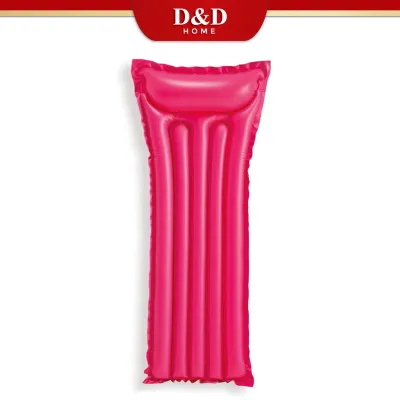
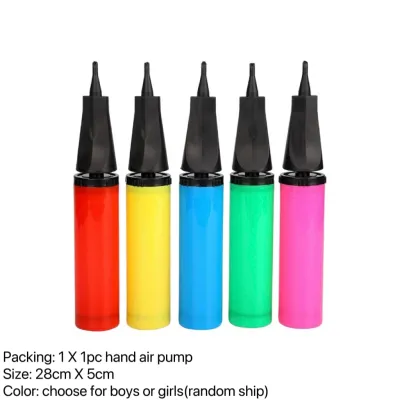
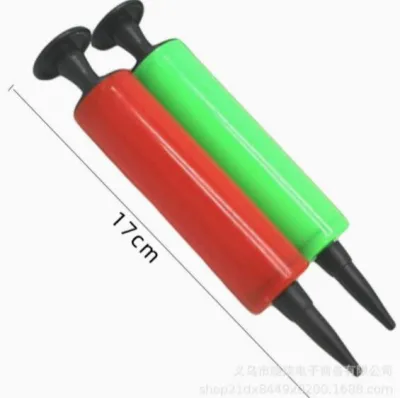
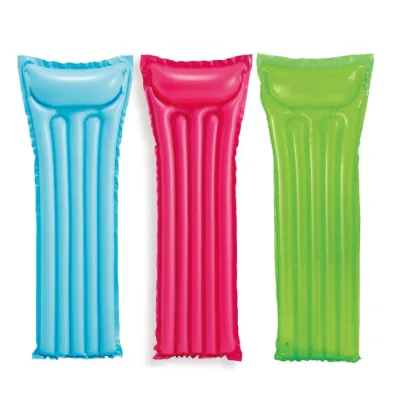
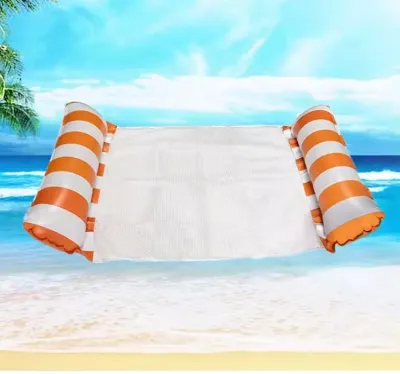
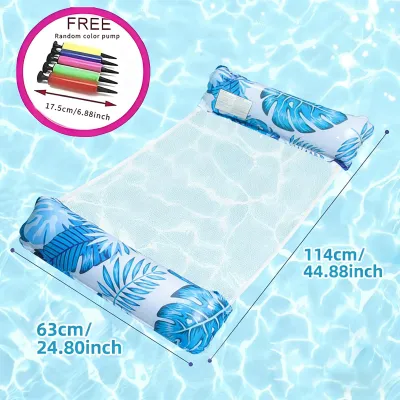
![[🇵🇭 Stock&COD] Floating Water Hammock Float Lounger Floating Toys Inflatable Floating Bed Chair Swimming Pool](https://img.lazcdn.com/g/p/3b682edaed1beb77c6ce984fc3af9b00.jpg_400x400q80.jpg_.webp)
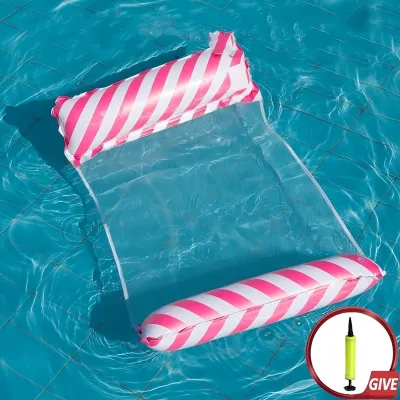
Prices are valid at publication and may change. Please refer to the product page for the latest price.
Evaluating Durability and Pool Environment Risks
The environment surrounding your pool plays a massive role in determining which float type will last longer. Inflatable pool beds are highly susceptible to punctures, tears, and seam failures. Sharp concrete pool coping, rough wooden decking, pet claws, and even sharp jewelry or swimwear zippers can easily pierce the thin vinyl exterior. While most inflatable models come with patch kits or can be repaired using specialized vinyl adhesives, a patched float is rarely as reliable as a brand-new one, and finding microscopic leaks along heat-welded seams can be incredibly frustrating.

Foam pool beds are virtually immune to sudden deflation disasters. Even if a dog scratches the surface or a sharp object gouges the side, a foam bed will continue to float perfectly because its buoyancy is distributed throughout the solid closed-cell structure. However, foam is not entirely indestructible. Over time, bare foam surfaces can suffer from scratching, peeling, or cracking, especially when exposed to intense tropical sunlight. Fabric-covered foam models can experience cover wear, zipper corrosion, or torn stitching. To mitigate these risks, always verify the manufacturer’s specifications for UV-resistant treatments and maximum weight limits before purchasing, ensuring the materials are rated for your specific household environment and usage frequency.
Comparing Setup Time, Storage, and Portability
The practical logistics of getting your pool bed to the water and storing it afterward can make or break your lounging experience. Inflatable beds require a dedicated setup routine. Depending on the size of the float, inflating it manually with a foot pump or mouth valve can be physically exhausting, while using an electric pump requires access to a power outlet or batteries. Deflation also takes time, requiring you to squeeze the valve or use a pump’s deflation mode, followed by careful folding to avoid putting stress on the seams. The major benefit, however, is the storage footprint; once deflated and folded, an inflatable bed can easily fit into a small drawer, a closet shelf, or a beach bag, making it highly portable for trips to public pools or beach resorts.
Foam pool beds offer the ultimate “grab-and-go” convenience. There are no pumps to carry, no valves to pinch, and no setup time required out of the box—you simply pick up the bed and toss it into the water. However, this convenience comes at the cost of storage space and portability. A solid foam bed cannot be folded or compressed, meaning you must have a large, flat storage area available, such as wall-mounted racks in a garage, a dedicated pool shed, or a spacious closet. Transporting a foam bed to another location is also a challenge, as it will not fit into a standard car trunk and typically requires a large SUV, a pickup truck, or roof racks to transport safely.
Comfort, Stability, and the In-Water Experience
Once you are actually in the water, the physical sensation of lounging differs dramatically between the two designs. Inflatable pool beds offer a bouncy, cushioned, and somewhat contouring feel. Because the air inside shifts as you move, the bed temporarily molds slightly around your body shape, creating a hammock-like pocket. However, this shifting air pressure can sometimes make the float feel unstable, especially if it is under-inflated or if you are trying to change positions. Inflatables generally sit lower in the water, allowing a thin layer of water to wash over the top, which can be highly refreshing on hot, sunny days.
Foam pool beds provide a much firmer, more stable, and uniform lounging platform. Because the solid foam core does not shift or compress under your weight, you enjoy consistent head-to-toe support without any sagging. This stability makes it much easier to climb onto the float and adjust your position without tipping over. Foam beds also tend to ride higher on the water’s surface, keeping you mostly dry and elevated above the splashes. If you prefer a highly stable, dry, and supportive lounging experience, foam is the superior choice, whereas those who enjoy a soft, body-hugging, and water-cooled float may prefer an inflatable.
Essential Maintenance and Cleaning Routines
Proper maintenance is essential to protect your investment and prevent hygiene issues, especially in warm, humid climates like the Philippines where mold and mildew thrive. After every use, both inflatable and foam beds must be thoroughly rinsed with clean, fresh water to remove pool chemicals like chlorine, bromine, or salt. If left on the material, these chemicals will gradually degrade vinyl, weaken heat-welded seams, and cause foam coatings to crack or peel. After rinsing, allow the float to dry completely in a shaded, well-ventilated area before storing it; packing away a damp float is a guaranteed way to invite mold growth.
For inflatable models, pay close attention to the air valves and seams during cleaning, ensuring no dirt or sand particles block the valve seal. For foam models, especially those with removable fabric covers, regularly inspect the zippers, stitching, and inner chambers. If a fabric cover becomes soiled, wash it according to the manufacturer’s instructions, and ensure the inner foam core is completely dry before reassembling. For safety reasons, you must immediately stop using any float that shows signs of compromised structural integrity, such as deep tears that expose the raw foam core, failing seams on an inflatable, or persistent mold inside sealed chambers that cannot be cleaned.
Making Your Final Decision: Which Type to Buy
To finalize your decision, evaluate your home storage capacity, budget, and how you plan to use the swimming pool bed. Choose an inflatable model if your storage space is highly limited, you plan to travel with your float, or you are working with a tighter budget and only plan to use the bed occasionally during the hottest months. Inflatables offer unmatched portability and a low entry cost, making them highly practical for casual users.
Choose a foam pool bed if you want immediate, hassle-free water access, possess ample flat storage space in your garage or shed, and prioritize long-term structural durability over portability. While foam models represent a larger upfront investment, their resistance to punctures and zero-setup design make them highly convenient for daily use in a private home pool. Before making your final purchase at a local sports outlet or online marketplace, always verify the specific product’s weight capacity, cover material quality, and warranty terms on the manufacturer’s label to ensure it matches your physical needs and pool environment.
Frequently Asked Questions (FAQ)
Can I leave my inflatable or foam pool bed in the water all summer?
No, you should not leave either type of pool bed in the water continuously. Prolonged exposure to pool chemicals, constant water immersion, and intense UV radiation from the sun will rapidly accelerate material degradation. For inflatables, this can weaken the seams and cause the vinyl to become brittle and prone to popping. For foam beds, continuous sun exposure can crack the vinyl coating or degrade the foam core, while constant moisture encourages algae and mold growth. To maximize the lifespan of your swimming pool bed, always remove it from the water, rinse it with fresh water, and store it in a dry, shaded area after each use.
Are foam pool beds safe for young children?
Foam pool beds are recreational lounging accessories and are not safety or flotation devices for children. They do not provide the secure, upright support of a certified personal flotation device (PFD) or life jacket. Young children should never be left unattended on or near a pool bed, regardless of whether it is made of foam or inflatable vinyl. Always ensure that children are wearing appropriate, certified safety gear and are under active, close-range adult supervision at all times when using pool floats. Always check the manufacturer’s age and weight warning labels on the product before allowing children to use it.
Community discussion
Share your experience or ask a question. Comments are reviewed before publication.