
Choosing the right modular boat can completely transform your fishing trips, turning a complex transport chore into a seamless journey to the water. The choice between an inflatable modular boat and a rigid-hull modular boat depends on your transport limits, storage space, and the specific waters you fish.
Inflatable modular boats excel in portability, fitting into small car trunks and navigating shallow, remote waters where launching a heavy craft is impossible. They offer high buoyancy and a quiet approach, making them excellent for shallow flats and calm rivers.
Rigid-hull modular boats offer excellent tracking, wind resistance, and a solid standing platform, making them ideal for open bays, choppy lakes, and anglers carrying heavy gear. The trade-off centers on setup time and material care versus on-water structural rigidity and long-term abrasion resistance.
Products mentioned in this guide
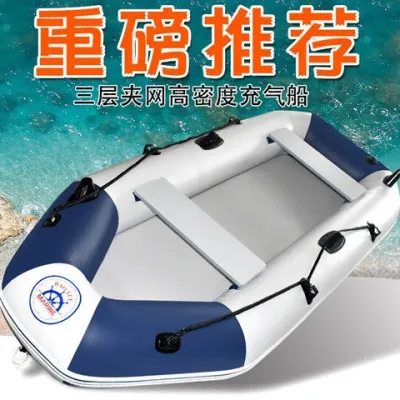
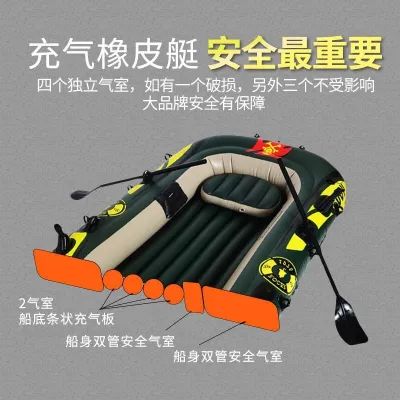
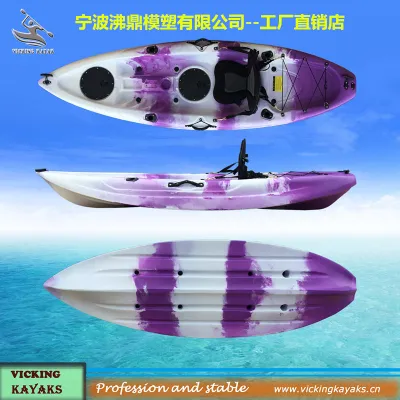
Prices are valid at publication and may change. Please refer to the product page for the latest price.
Structural Differences: How Inflatable and Rigid-Hull Modularity Works
Inflatable modular systems rely on high-pressure drop-stitch technology to achieve structural integrity. This construction uses thousands of polyester threads connecting two outer fabric layers, allowing the floor and side chambers to be inflated to high pressures, often between 10 and 15 PSI. This high pressure creates a surface that mimics a hard deck while remaining lightweight. Detachable side tubes, aluminum or composite framing, and drop-in floorboards provide lateral support and accessory mounting points, allowing you to break the boat down into separate, manageable bags.
Rigid-hull modular systems use interlocking hard panels made of rotomolded polyethylene or composite materials. These sections connect using heavy-duty latches, straps, shear pins, or bolt-together frames that align the hull segments into a single, continuous shape. Some designs allow the sections to nest inside one another, significantly reducing the storage footprint when disassembled.
The chosen modularity method directly impacts how the boat feels underfoot and how it handles weight. Inflatables distribute weight evenly across buoyant air chambers, but they can exhibit slight flex when navigating waves or when carrying heavy, concentrated loads. Rigid hulls maintain absolute structural rigidity, providing a completely flat, unyielding deck that feels identical to a traditional solid boat, ensuring that energy from your movements is not absorbed by hull flex.
On-Water Performance: Stability, Tracking, and Draft Depth
Stability is a primary concern when standing, casting, and fighting fish. Inflatable modular boats feature wide beams and highly buoyant outer tubes, making them incredibly stable and difficult to capsize, even when standing close to the edge. However, any slight deck flex can affect your balance during high-energy casting or when fighting large fish. Rigid hulls provide a solid, predictable platform where your footing remains completely stable, though their narrower profiles might feel more reactive to sudden shifts in weight.

Tracking, speed, and handling vary significantly between the two designs. Rigid hulls slice through water and hold their line in crosswinds or strong currents due to molded keels and tracking channels. Inflatables tend to sit higher on the water, making them more susceptible to wind drift, which requires more effort or a trolling motor to stay on course.
Draft depth determines how close you can get to the fish in shallow areas. Inflatables draw very little water, allowing you to glide over shallow flats, muddy shallows, and weedy areas without scraping. Rigid hulls draw slightly more water but handle rocky bottoms and submerged structures with less risk of structural damage, as the hard polyethylene can slide over obstacles that might snag soft materials.
Sound travels differently through these materials, affecting how easily you might spook fish. Rigid hulls can amplify dropped tackle, footsteps, or hull slap from waves, sending vibrations directly into the water. Inflatable chambers naturally absorb vibrations and dampen impact sounds, offering a quieter approach in shallow water.
Logistics: Transport, Storage, and Launch Ramp Setup
Transporting your boat requires matching the modular components to your vehicle’s capacity. Inflatables pack down into heavy-duty bags that fit inside standard car trunks or the back of a utility vehicle, eliminating the need for roof racks or trailers. Rigid-hull sections, while modular, still require significant space; they usually fit in truck beds, large SUVs, or require a small dedicated trailer, making them slightly more demanding to transport.
Storage conditions are critical, especially in tropical climates with high humidity and heat. Inflatables must be stored in cool, dry, well-ventilated areas to prevent heat-induced seam degradation and mold growth. Rigid-hull sections can withstand wider temperature swings and can be stacked in a garage or outdoor shed, though they still require protection from direct sunlight to prevent UV warping over time.
Assembly at the launch ramp requires different levels of physical effort. Setting up an inflatable involves unpacking, inflating multiple chambers with a manual or electric pump, and securing the frame or floorboards, which can take 15 to 30 minutes of physical effort. Rigid-hull assembly involves aligning the interlocking sections and securing the heavy-duty latches or bolts, which is often faster but requires handling heavy, bulky panels. Always verify the manufacturer’s instructions to ensure all locking mechanisms are fully engaged before launching.
Durability and Upkeep: Material Vulnerabilities and Maintenance
Modern inflatables use multi-layer PVC or Hypalon, but they remain vulnerable to sharp hooks, knives, oyster beds, and jagged rocks. Intense tropical UV rays can degrade the fabric and weaken glued seams over time. Regular inspection of valves and seams is essential to ensure safety on the water.
Rotomolded polyethylene rigid hulls are highly impact-resistant and slide over rocks with ease. However, deep gouges can compromise the hull, and the interlocking joints, gaskets, and metal latches require regular inspection to prevent water intrusion and structural play.
After fishing in saltwater or muddy lakes, both boat types require a thorough freshwater rinse. Inflatables must be completely dry before folding to prevent mold and mildew, which thrive in humid environments. Rigid hulls should be washed, dried, and checked for any trapped water inside the hollow sections.
Minor punctures in inflatables can often be patched using manufacturer-approved adhesive kits. However, seam separations, valve failures, or major tears require professional repair. For rigid hulls, minor surface scratches are cosmetic, but deep cracks or damaged interlocking joints must be evaluated by the manufacturer or a qualified marine technician to ensure on-water safety.
Final Decision Framework: Match the Boat to Your Fishing Profile
To finalize your decision, evaluate how your fishing style and logistical constraints align with each hull type.
- Choose an inflatable modular boat if:
- You have limited storage space, such as an apartment or a home without a garage.
- You transport your gear in a compact sedan or hatchback without roof racks.
- You primarily fish in calm, shallow waters, remote rivers, or sheltered lagoons.
- You prioritize a quiet approach and high buoyancy over high-speed tracking.
- Choose a rigid-hull modular boat if:
- You regularly fish in choppy lakes, open bays, or areas with strong currents and winds.
- You carry heavy tackle boxes, coolers, and multiple rod setups that require a solid deck.
- You want a fast setup time at the launch ramp without the physical effort of inflation.
- You frequently launch from rocky shores or areas with sharp underwater hazards.
- Verify first before purchasing:
- Check the total weight of the modular components to ensure you can lift and carry them individually.
- Verify the maximum weight capacity of the boat against your weight, your passenger's weight, and all planned gear.
- Confirm the compatibility and weight limits for outboard motors or trolling motors on the specific modular frame.
- Review local maritime guidelines regarding registration and safety equipment for your chosen hull type.
Frequently Asked Questions (FAQ)
Can I attach an outboard motor to any modular inflatable or rigid-hull boat?
No, you cannot attach an outboard motor to every modular boat. You must check the manufacturer’s specific transom ratings, maximum horsepower limits, and shaft length requirements before mounting any motor. Exceeding these limits can put excessive stress on modular joints, latching systems, or inflatable transoms, leading to structural failure or loss of control on the water. Always verify if the boat requires a specialized motor mount or reinforcement kit.
Do modular boats require special registration or licensing for fishing?
Registration requirements depend on your location, the boat’s length, and whether you use a motor. In the Philippines, the Philippine Coast Guard and local government units (LGUs) regulate watercraft registration. Generally, non-motorized boats may have fewer requirements, but adding an outboard or trolling motor usually triggers mandatory registration. Always check with local maritime authorities and municipal offices to verify current licensing and safety equipment requirements before launching your boat.
Community discussion
Share your experience or ask a question. Comments are reviewed before publication.