
Choosing between inline and quad roller skates depends on where you plan to skate, your fitness goals, and how you prefer to move. Quad skates, with their two-by-two wheel arrangement, offer excellent side-to-side stability and tight maneuverability, making them a favorite for dance, roller derby, and casual rink sessions. Inline skates, featuring wheels arranged in a single line, excel at generating speed, maintaining forward momentum, and handling uneven outdoor surfaces, making them ideal for fitness training and long-distance cruising.
Assess Your Skating Goals and Environment
To find the right pair of skates, start by identifying where you will spend most of your time rolling. In the Philippines, outdoor skating often means navigating barangay basketball courts, concrete park paths, or coastal baywalks. These outdoor environments present challenges like heat, high humidity, and rough, uneven asphalt. Conversely, indoor skating usually takes place on smooth wooden or polished concrete rink floors, which require different wheel properties to maintain grip.
Your primary activity also dictates your choice. If your goal is high-intensity cardio, covering long distances, or commuting, your needs will differ from someone who wants to learn dance steps, perform spins, or play roller derby. Speed and distance require efficient energy transfer and smooth rolling over cracks, while artistic and rhythm skating demand quick, precise footwork in a confined space.
Products mentioned in this guide
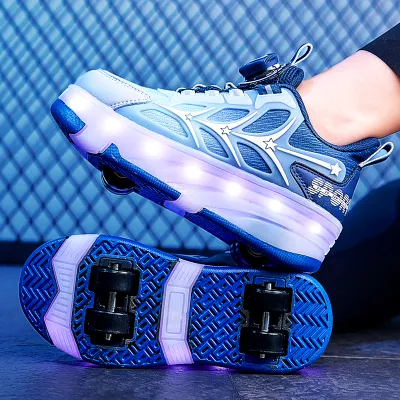
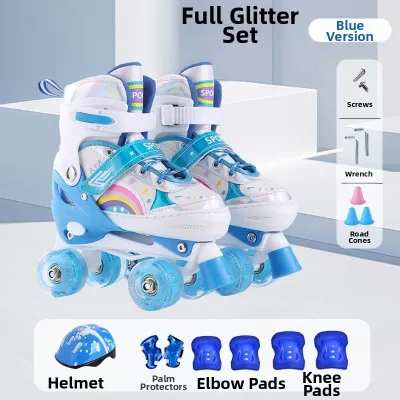
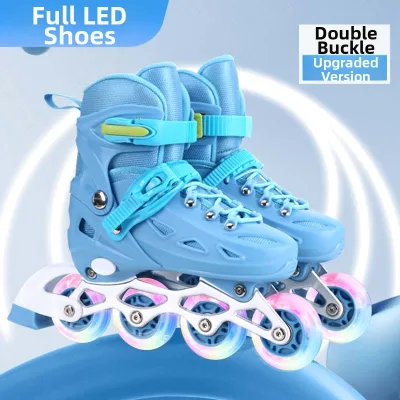
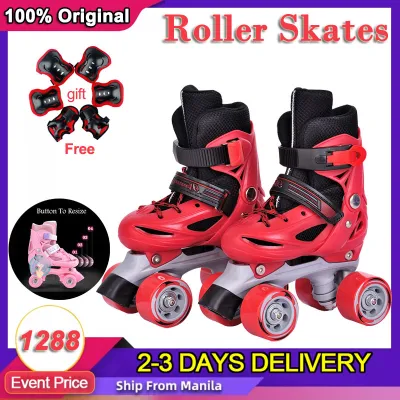
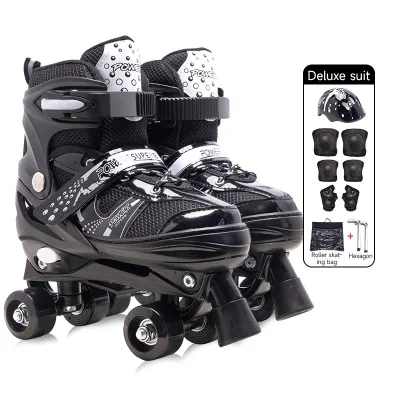
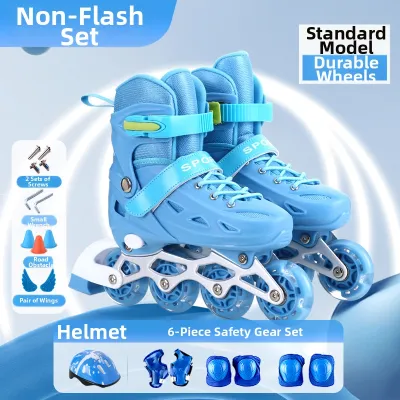
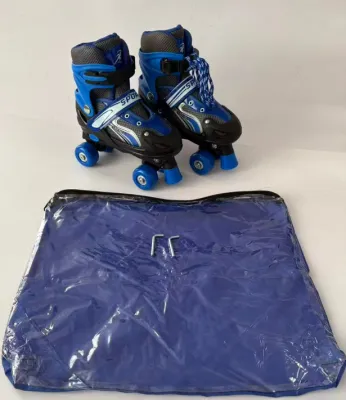
Prices are valid at publication and may change. Please refer to the product page for the latest price.
Physical demand and comfort are equally important. Long-distance outdoor skating requires excellent shock absorption and ankle support to combat fatigue from vibrations. Meanwhile, dance and casual rink skating focus more on flexibility and lateral movement, allowing for a different boot structure. Balancing these factors helps narrow down whether a quad or inline setup fits your lifestyle.
Understanding Quad Roller Skates: Stability and Maneuverability
Quad roller skates feature a rectangular wheel configuration that provides a wide, stable base. This design offers excellent lateral stability, meaning you are less likely to wobble side-to-side when standing still. This natural balance makes them highly approachable for beginners, while also providing the solid foundation needed for the physical contact of roller derby and the precise upright postures of artistic skating.

The shorter wheelbase of quad skates—where the front and back wheels sit closer together under the foot—allows for incredible agility. You can execute tight turns, spins, and intricate dance-style footwork with ease. This maneuverability is why quads remain the standard for rhythm and jam skating, where dancers utilize small spaces on the rink floor to perform complex routines.
When choosing quad skates, pay close attention to the wheels. Indoor rinks generally require harder wheels that slide smoothly on wood, while outdoor paths demand softer wheels to absorb shocks from pebbles and pavement cracks. Always verify the manufacturer’s specifications on wheel durometer (hardness) before purchasing, as using hard indoor wheels on rough outdoor concrete can lead to a harsh, unstable ride.
Understanding Inline Skates: Speed and Distance
Inline skates, often referred to as rollerblades, position their wheels in a single straight line. This narrow profile reduces friction and allows for a longer wheelbase, which translates directly into superior forward stability and speed. Because the wheels cover more ground contact from front to back, inline skates are highly efficient at maintaining momentum, making them the preferred option for fitness enthusiasts and long-distance skaters.
Balancing on a single line of wheels requires distinct ankle strength and lateral control. Most inline skates feature high, rigid plastic cuffs to provide the necessary ankle support, helping beginners keep their feet upright. The learning curve involves mastering this side-to-side balance, but once you gain forward momentum, the inline configuration glides over cracks and debris much more easily than quad skates.
Wheel size and hardness are critical specifications to check on product labels. Larger wheels (typically 80mm to 110mm) roll faster and handle rough outdoor surfaces better, whereas smaller wheels offer a lower center of gravity for better control. Ensure you verify whether the pre-installed wheels are rated for outdoor use, as soft outdoor wheels will wear down rapidly if used on abrasive indoor surfaces, and hard indoor wheels will lack grip on dusty outdoor concrete.
Skill Level and Learning Curve Considerations
The initial learning curve differs significantly between the two skate types. Quad skates feel instantly stable when you stand still because of their wide four-corner footprint. However, they offer less forward and backward stability, meaning beginners who lean too far back risk falling backward. Inline skates require active ankle stabilization to stay upright initially, but their longer frame makes it much harder to tip forward or backward once you start moving.
Braking mechanisms also require different physical techniques. Inline skates typically feature a rubber heel brake on the back of one skate, requiring you to lift your toes to apply pressure. Quad skates utilize a toe stop at the front of the boot, which requires you to drag your foot behind you or turn around to stop. Understanding these mechanics is vital for beginner safety, especially when navigating sloped paths or crowded areas.
To assess which skate matches your current physical conditioning, consider this quick checklist:
- Ankle Strength: Do you prefer rigid, structured support (inline), or do you want flexible lateral movement (quad)?
- Balance Preference: Are you more comfortable managing side-to-side balance (quad) or forward-and-backward balance (inline)?
- Stopping Comfort: Do you prefer dragging a toe stop behind you, or lifting your toes to use a heel brake?
- Primary Terrain: Will you skate mostly on smooth, flat indoor floors, or unpredictable outdoor pavements?
Finalizing Your Roller Skate Decision
Ultimately, your choice comes down to a simple trade-off between stability and speed. Choose quad skates if you prioritize lateral stability, plan to skate primarily in indoor rinks, or want to explore dance, rhythm, or roller derby. Opt for inline skates if your main goals are cardiovascular fitness, outdoor distance skating, commuting, or achieving higher speeds on public paths.
When shopping, focus on the structural quality of the boot and frame. Look for adjustable frames if you want to fine-tune your wheel alignment, and check that the boot provides a snug fit without pinching your toes. High-quality ankle support is non-negotiable for beginners to prevent strain and injury during long sessions in tropical heat, where sweat can cause feet to slip inside loose boots.
Finally, remember to budget for essential safety gear. No matter which style you choose, a helmet, wrist guards, knee pads, and elbow pads are critical for preventing injuries during falls. Select protective gear that is rated for roller sports and fits snugly, ensuring you can skate with confidence on any surface.
Frequently Asked Questions (FAQ)
Can I use indoor roller skates for outdoor skating?
You can use the same skate boots outdoors, but you must check the wheel specifications first. Indoor wheels are typically hard (often rated 95A or higher), which makes them slide easily on smooth rink floors but causes a bumpy, dangerous ride on rough outdoor asphalt. For outdoor skating, check the product label and swap to softer wheels (usually rated 78A to 85A) that can absorb shocks and grip uneven pavement safely.
Is it easier to learn on inline or quad roller skates?
Neither is universally easier, as the difficulty depends on your natural balance. Quad skates are easier for standing still and walking slowly because of their wide lateral base, but they can feel unstable if you lean too far backward. Inline skates require more ankle strength to keep from rolling inward or outward, but they offer superior forward-and-backward stability and roll over outdoor obstacles much more smoothly once you are in motion.
Community discussion
Share your experience or ask a question. Comments are reviewed before publication.