
Plantar fasciitis can make every step feel like walking on sharp pebbles, especially when you first get out of bed or stand up after sitting. Finding relief often leads to a choice between three primary conservative treatments: orthotic insoles, night splints, and foot braces or compression sleeves. The most effective option is not a single, universal product, but rather the one that aligns with when your pain is most severe, your daily activity levels, and your typical footwear. By understanding how each tool targets different aspects of tissue strain, you can build a practical management plan that fits your lifestyle and accelerates your recovery.
Quick Answer: Which Treatment Should You Choose?
Choosing the right treatment depends heavily on the timing of your symptoms and how you spend your day. If your pain is most severe during daytime activities like walking, running, or standing at work, orthotic insoles are generally the most effective choice because they absorb shock and support your arch under weight-bearing pressure. If your primary struggle is the sharp, stabbing pain during your first steps in the morning, a night splint is designed specifically to address this by keeping the tissue gently stretched overnight. For those who need flexible, low-profile support during sports, light indoor movement, or while walking barefoot at home, foot braces and compression sleeves offer active compression and mild stabilization.
It is important to remember that these products are symptom-management tools rather than instant cures. They work by reducing mechanical stress on the plantar fascia, allowing the inflamed tissue to heal over time. Combining these devices with targeted stretching and lifestyle adjustments yields the best results, as no single device can instantly reverse chronic tissue strain.
Products mentioned in this guide
Prices are valid at publication and may change. Please refer to the product page for the latest price.
How Insoles, Night Splints, and Foot Braces Work
The plantar fascia is a thick, fibrous band of connective tissue that runs along the sole of your foot, linking your heel bone to your toes and supporting your arch. Plantar fasciitis occurs when this band experiences repetitive strain, leading to micro-tears, irritation, and localized inflammation.

Mechanical support devices aid recovery by altering the physical forces acting on this inflamed tissue. By limiting how much the fascia stretches, absorbing the impact of your steps, or keeping the tissue elongated during rest, these tools prevent continuous reinjury. This mechanical assistance lowers overall tension, improves foot alignment, and promotes better local circulation, creating an environment where natural healing can take place.
Insoles and Orthotics (Daytime Support)
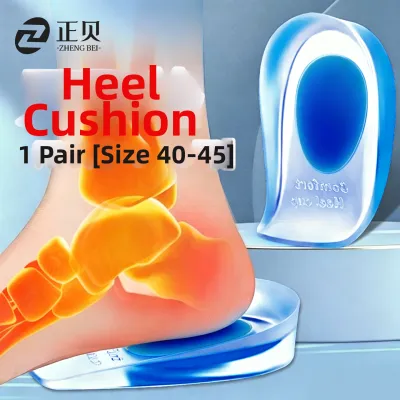
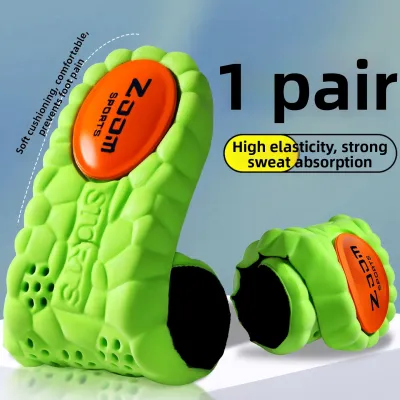
Orthotic insoles are designed to manage the forces placed on your feet during weight-bearing activities. When you stand or walk, your body weight forces your arch to flatten, which pulls and stretches the plantar fascia. Insoles counteract this by providing structural arch support, which prevents the arch from collapsing excessively and reduces the tensile stress on the fascia. Additionally, they feature deep heel cups that cradle the heel’s natural fat pad, improving shock absorption and distributing your weight more evenly across the entire sole.
To experience the benefits of orthotic insoles, you must wear them with compatible footwear. Most standard shoes come with thin, flat factory liners that offer little to no structural support. For orthotics to fit correctly, these factory liners must be completely removable; placing a supportive insole on top of an existing liner will crowd your shoe, causing friction, blisters, and localized pressure points. Your shoes must also have adequate depth to accommodate the added volume of a supportive orthotic without squeezing the top of your foot.
During active hours, insoles play a vital role in preventing the plantar fascia from overstretching. Whether you are walking on hard city pavements, standing on tiled floors during a long work shift, or going for a run, these inserts maintain proper skeletal alignment. By stabilizing the foot, they reduce strain not only on the heel but also up the kinetic chain, helping to prevent compensatory pain in your ankles, knees, and lower back. Over-the-counter orthotics in the Philippines typically range from ₱500 to ₱2,500, making them a practical starting point compared to custom-molded medical orthotics.
Night Splints (Overnight Stretching)
Night splints target a specific physiological process that occurs while you sleep. When you lie down, your feet naturally relax into a downward-pointing position, known as plantarflexion. In this position, the plantar fascia and the Achilles tendon contract and shorten. Over several hours of sleep, the tissue begins to heal in this shortened state. When you take your first steps out of bed, your body weight suddenly forces this contracted tissue to stretch rapidly, causing painful micro-tears and the characteristic sharp morning heel pain.
A night splint prevents this contraction by holding your foot in a neutral to slightly flexed position, known as dorsiflexion, where your toes point upward. By maintaining a gentle, continuous stretch on both the plantar fascia and the Achilles tendon throughout the night, the splint ensures the tissue heals in an elongated state. Consequently, when you stand up in the morning, the fascia is already adapted to the stretch, significantly reducing or even eliminating that initial sharp pain.
While highly effective for morning symptoms, night splints involve clear trade-offs in terms of comfort and usability. They are inherently bulky, which can disrupt sleep, particularly for those who frequently turn or sleep on their side or stomach. Furthermore, the tension straps must be adjusted carefully; pulling them too tight can restrict blood circulation, cause numbness, or irritate the toes. Users must expect an adjustment period of several days to a week to get used to sleeping with the device.
Foot Braces, Sleeves, and Straps (Active Compression)
Daytime braces, compression sleeves, and plantar straps offer a highly flexible, low-profile alternative to structured orthotics. Compression sleeves are snug, elastic garments made of knitted fabric that wrap tightly around the arch and ankle. They work primarily by applying gentle, constant pressure to the foot, which helps promote blood circulation, reduce localized swelling, and keep the muscles warm and pliable.
Ankle braces and plantar fascia straps serve slightly different functional roles. Ankle braces provide structural, semi-rigid support to limit excessive lateral movement and stabilize the joint, which is highly beneficial if you suffer from ankle instability alongside heel pain. Plantar fascia straps, on the other hand, are adjustable bands that wrap directly around the arch of the foot, allowing you to apply targeted upward pressure to support the fascia during weight-bearing activities.
The primary advantage of these compression garments is their low-profile design and versatility. Because they are thin and flexible, they can easily fit inside tight-fitting shoes, athletic cleats, or formal footwear where bulky orthotic insoles will not fit. Moreover, they can be worn barefoot or with open-toed sandals, making them highly practical for walking around the house. This makes them exceptionally popular among athletes and active individuals who require continuous, lightweight support during dynamic movements.
Comparing Effectiveness, Comfort, and Daily Usability
Evaluating these three treatment options requires looking at how they perform across different environments, physical activities, and climates. Because plantar fasciitis symptoms change throughout the day, a product that excels in one scenario may be impractical or ineffective in another.
When it comes to the primary symptom targeted, night splints are the undisputed leader for mitigating morning stiffness and the initial sharp pain of the day. However, they do nothing for daytime impact. Insoles are the gold standard for managing daytime impact pain, standing fatigue, and walking discomfort, but they cannot help you while you sleep. Compression sleeves and foot braces bridge the gap by managing mild swelling, improving circulation during rest, and offering light support during transitional movements.
Comfort and wearability are heavily influenced by your environment. In warm, humid tropical climates, such as in the Philippines, heat and moisture retention are major considerations. Wearing a bulky, padded night splint or a thick synthetic foot sleeve can trap sweat, leading to skin maceration, chafing, or fungal infections. Under these conditions, highly ventilated night splints or moisture-wicking, breathable compression sleeves are essential. Similarly, orthotic insoles must be paired with breathable socks and well-ventilated shoes to prevent excessive heat buildup during outdoor commutes.
Activity compatibility also dictates your choice. Insoles are ideal for structured environments like office work, running, or long walks where you wear closed shoes. Compression sleeves and straps are highly adaptable, making them perfect for light indoor activities, yoga, or sports where agility is required. Night splints are strictly designed for resting and sleeping; walking in a standard night splint is highly dangerous as they lack slip-resistant soles and restrict natural ankle movement, which can lead to falls or joint strain.
| Product Type | Best For | Wear Time | Shoe Compatibility | Primary Benefit |
|---|---|---|---|---|
| Orthotic Insoles | Daytime walking, running, and prolonged standing | During all weight-bearing hours | Requires shoes with removable factory insoles and adequate depth | Absorbs heel impact, supports the arch, and prevents tissue overstretching |
| Night Splints | Severe morning stiffness and sharp first-step pain | Overnight while sleeping or during long rest periods | Not compatible with shoes; strictly for resting | Keeps the plantar fascia and Achilles tendon elongated overnight |
| Foot Braces & Sleeves | Mild swelling, dynamic sports, and light barefoot indoor use | Daytime, during exercise, or while relaxing | High compatibility; fits inside most shoes or can be worn barefoot | Promotes blood circulation, reduces minor edema, and provides flexible arch support |
Decision Framework: Choosing the Right Option for Your Symptoms
To select the most appropriate device for your recovery, you can use a structured decision framework based on your specific pain patterns, footwear preferences, and lifestyle needs.
Choose Insoles if:
- Your heel pain is triggered primarily by walking, running, or standing on hard surfaces for extended periods.
- You wear structured closed shoes, such as sneakers, leather office shoes, or safety boots, for the majority of your day.
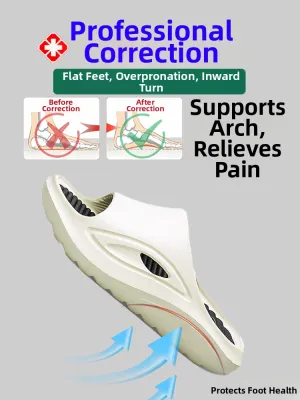
- You have structural foot issues, such as flat feet (overpronation) or high arches, that require physical correction to distribute weight evenly.
- You want a durable, long-term solution that stays hidden inside your footwear during professional or social activities.
Choose Night Splints if:
- Your most severe, sharp pain occurs during the first few steps out of bed in the morning or after long periods of sitting.
- You can tolerate sleeping with a bulky, rigid device on your foot and are willing to go through a short adjustment period.
- You have tight calf muscles or a stiff Achilles tendon, which are known to exacerbate plantar fascia tension.
- Your daytime pain is manageable, but your morning symptoms make starting your day incredibly difficult.
Choose Foot Braces/Straps if:
- You need active support during sports, gym workouts, or dynamic physical activities where rigid insoles might feel too restrictive.
- You want a low-profile, highly portable option that fits easily into tight-fitting shoes without altering how the shoe fits.
- You frequently walk barefoot or wear open-toed footwear at home (such as indoor tsinelas) and need light, continuous arch support and compression on hard tile or concrete floors.
- You suffer from mild, persistent swelling or foot fatigue and benefit from the warmth and increased circulation that compression provides.
Verify first if:
- You are uncertain about your foot type or gait mechanics, as choosing the wrong level of arch support can worsen your symptoms.
- You have underlying health conditions such as diabetes, peripheral neuropathy, or poor arterial circulation, as compression garments or tight splint straps can restrict blood flow and cause serious skin complications.
- Your heel pain is accompanied by severe swelling, redness, warmth to the touch, or pain that persists even when you are not bearing weight, which may indicate a different underlying condition.
Combining Treatments and Knowing When to Seek Professional Help
For many individuals, the most effective path to recovery involves combining these treatments rather than relying on just one. A common and highly successful strategy is to use a night splint overnight to prevent morning stiffness, and then transition to orthotic insoles inside your shoes during the day to protect your feet while walking. This 24-hour management cycle keeps the plantar fascia protected and supported around the clock, accelerating the healing process.
However, it is crucial to recognize that these orthotic devices are designed to manage symptoms and reduce mechanical strain; they do not replace comprehensive medical care. To achieve lasting recovery, these tools should be paired with targeted physical therapy, regular calf and plantar fascia stretches, and gradual activity modification. They are supportive aids that give your tissues the physical space and rest they need to heal, but they cannot address systemic biomechanical issues on their own.
You must establish clear safety boundaries and know when to stop self-treatment. Discontinue the use of any insole, splint, or brace immediately and consult a physical therapist, podiatrist, or physician if your pain worsens significantly, or if you experience numbness, tingling, burning sensations, or skin discoloration. Furthermore, if your symptoms do not show noticeable improvement after four to six weeks of consistent use, seek professional medical evaluation to rule out other potential causes of heel pain, such as stress fractures, nerve entrapment, or systemic inflammatory conditions.
Frequently Asked Questions (FAQ)
Can I wear insoles and a foot brace at the same time?
Whether you can wear orthotic insoles and a foot sleeve or brace simultaneously depends entirely on the volume of your footwear. Combining a thick supportive insole with a compression sleeve or strap can easily crowd the interior of your shoe. This crowding can restrict blood circulation, compress the nerves in your foot, and lead to increased pain, numbness, or blisters. If you want to use both, test the fit carefully with your intended shoes; if the fit feels too tight, opt for a thinner, targeted plantar fascia strap instead of a full compression sleeve, or wear the sleeve only when you are barefoot at home.
How long should I wear a night splint each night?
When introducing a night splint to your recovery routine, it is highly recommended to follow a gradual break-in period rather than attempting to wear it for an entire night immediately. Start by wearing the splint for 1 to 2 hours while relaxing, reading, or watching television before bed to allow your foot and leg muscles to adapt to the continuous stretch. Once you feel comfortable, you can gradually increase the wear time to overnight use as tolerated. Always check your specific product’s manual for manufacturer-specific guidelines, and make sure to loosen the straps or remove the splint immediately if you experience any numbness, tingling, coldness in your toes, or restricted circulation.
Community discussion
Share your experience or ask a question. Comments are reviewed before publication.