
For absolute beginners stepping into a boxing gym for the first time, budget-friendly options like Ippo boxing gloves provide an adequate baseline of protection and functionality. If your training consists primarily of light bag work, shadowboxing, and basic pad drills once or twice a week, a budget glove is generally sufficient to protect your hands while you learn proper punching mechanics.
However, the term “good enough” is highly conditional. If your training intensity increases to include heavy sparring, advanced power punching, or daily high-volume workouts, budget models quickly reveal their limitations. In these demanding scenarios, premium gloves offer superior shock absorption, more robust wrist stabilization, and a significantly longer lifespan. Deciding between the two tiers depends entirely on your training frequency, physical safety needs, and long-term commitment to the sport.
How Ippo and Premium Gloves Compare in the Ring
To understand whether a budget glove will serve your needs, it is essential to look past marketing labels and examine how these tools are constructed. The differences between budget options like Ippo and premium alternatives show up in three critical areas: impact management, material durability under tropical conditions, and ergonomic hand support.
Products mentioned in this guide
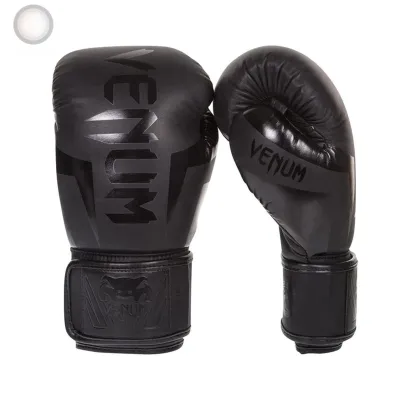
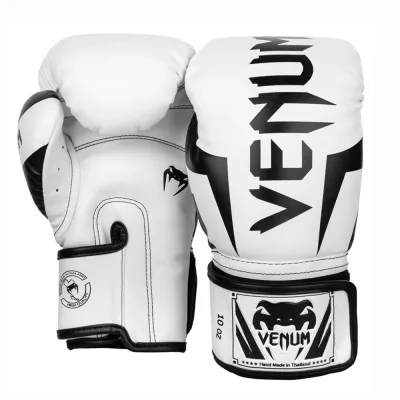
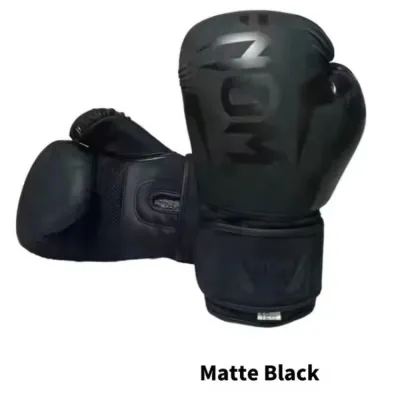
Prices are valid at publication and may change. Please refer to the product page for the latest price.
Shock Absorption and Knuckle Protection
The primary job of any boxing glove is to decelerate impact forces before they reach the delicate bones of your hand. Premium boxing gloves typically utilize a multi-layered foam core, often combining latex, memory foam, and high-density EVA foam. This layered construction is designed to distribute the shock of a heavy punch across the entire surface of the glove, preventing concentrated force from reaching your knuckles.
In contrast, budget gloves like those from Ippo generally rely on standard single-layer or injection-molded foam (IMF). While IMF is excellent for maintaining a consistent glove shape and providing a pre-curved fit, it tends to be firmer and less forgiving. Under repetitive heavy impacts, single-layer foam can compress completely—a phenomenon known as “bottoming out”—which transfers the shock directly to your knuckles and wrist joints.
Before purchasing, always check the manufacturer’s product specifications to identify the glove’s intended use. Some budget gloves are optimized specifically for light fitness bag work, while others feature slightly denser foam suited for general training. If you plan to transition from light fitness drills to high-impact heavy bag sessions, verifying the foam type and density is a crucial safety step.
Materials, Stitching, and Humidity Resistance
The climate of the Philippines presents a unique challenge for sports gear. High relative humidity and intense heat accelerate the breakdown of synthetic materials, especially when combined with acidic human sweat. Budget gloves are almost exclusively wrapped in synthetic polyurethane (PU) leather. While modern high-grade PU can be remarkably soft, standard budget PU is prone to peeling, cracking, and flaking over time if exposed to moisture and left in a closed gym bag.
Premium gloves, on the other hand, are typically crafted from genuine cowhide leather or advanced, high-grade microfiber synthetics. Genuine leather naturally breathes better than standard PU, molds to the unique shape of your hand over time, and resists tearing under high tension. Microfiber synthetics used in premium lines are specifically engineered to resist moisture absorption, preventing the glove from gaining water weight during long training sessions.
When evaluating any glove in person or inspecting product photos online, pay close attention to the high-stress areas. Look at the seam connecting the thumb to the main body, the stitching along the palm, and the reinforcement around the cuff. Premium gloves feature thick, double-row stitching with heavy-duty nylon thread to prevent unraveling. Budget gloves often use single-row stitching, which can split prematurely under the pressure of tight hand wraps and repetitive impact.
Wrist Alignment and Hand Compartment Fit
Wrist injuries are incredibly common among beginners who are still developing proper alignment and punching form. A quality boxing glove must act as a splint, keeping your wrist straight and aligned with your forearm upon impact. Premium gloves achieve this with long, rigid cuffs, reinforced splinting along the back of the wrist, and advanced closure systems such as dual-strap Velcro or traditional lace-ups that pull the cuff tight against the forearm.
Budget gloves often feature shorter, more flexible cuffs with a standard single-strap hook-and-loop closure. While this makes the gloves exceptionally easy to slip on and off during a fast-paced class, it offers less structural resistance against wrist bending. If you punch a heavy bag with a bent wrist in a flexible glove, you risk painful hyperextension or sprains.
To ensure proper safety, always test the fit of your gloves while wearing standard hand wraps. A proper hand compartment should feel snug but not restrictive, allowing your fingers to curl naturally into a fist without cutting off circulation. If the wrist strap does not prevent the glove from bending backward easily when you apply pressure, you may need to look for a model with a stiffer cuff or use longer hand wraps to manually reinforce your wrist joint.
What to Look For: A Buyer’s Checklist
When shopping for boxing gloves, having a clear set of criteria helps you cut through marketing jargon. Use this comparison checklist to evaluate whether a budget option or a premium model fits your current training demands.

| Feature | Budget Gloves (e.g., Ippo) | Premium Boxing Gloves | Verification Needed |
|---|---|---|---|
| Outer Material | Synthetic PU Leather | Genuine Cowhide or Microfiber | Check if the manufacturer specifies "100% genuine leather" or "engineered synthetic." |
| Padding Type | Injected Molded Foam (IMF) | Multi-layered Orthopedic/Latex Foam | Press your thumb into the knuckle area; ensure it doesn't easily sink straight to the inner lining. |
| Wrist Closure | Single Velcro Strap | Dual-Strap Velcro or Lace-Up | Verify that the strap is wide enough to cover the wrist joint completely. |
| Best Use Case | Light bag work, pad drills, fitness classes | Heavy sparring, daily bag work, competition | Confirm if your gym has specific weight or brand rules for sparring. |
| Expected Lifespan | 6 to 12 months (moderate use) | 1 to 3+ years (with proper care) | Read user reviews regarding seam split issues and velcro wear. |
| Sizing & Fit | Standard sizes (10oz to 16oz) | Ergonomic, hand-specific sizing | Always measure your hand circumference and check the brand-specific size chart. |
Evaluating the Real Cost: Budget vs. Premium Value
When analyzing the price difference, it is helpful to look at boxing gloves through the lens of “cost per use.” In the Philippines, budget gloves like Ippo generally sit in the lower price bands, typically ranging from ₱1,000 to ₱2,500. This makes them highly accessible and presents a very low financial barrier to entry. If you are not yet certain whether you will stick with boxing for more than a few months, spending a modest amount is a sensible, low-risk way to test your interest.
Premium gloves from established brands represent a much larger upfront investment, often ranging from ₱5,000 to well over ₱15,000. However, if you train consistently three to four times a week, a premium pair of genuine leather gloves can easily outlast two or three pairs of budget synthetic gloves. Over a two-year period, the cost per use of a durable premium glove often equals or drops below that of repeatedly replacing worn-out budget gear.
It is important to draw a clear distinction between reputable budget brands and unbranded, ultra-cheap “toy” gloves sold on online marketplaces for a few hundred pesos. Brands like Ippo are designed specifically for athletic training, meaning they adhere to baseline safety standards, feature attached thumbs to prevent eye gouging, and use dense foam designed to absorb impact. Unbranded toy gloves lack these basic safety considerations and should be avoided entirely, as they offer virtually no protection against impact injuries.
Final Verdict: Which Gloves Should You Buy?
To make your final decision, evaluate your training habits, physical needs, and goals against this clear decision framework.
Choose Ippo (Budget) if:
- You are a beginner testing the waters: You want to try boxing or kickboxing classes without committing a large amount of money upfront.
- Your training volume is light: You plan to train 1 to 2 times a week, focusing primarily on shadowboxing, light focus mitts, or cardio-heavy fitness drills.
- You prioritize convenience: You want a glove that is easy to put on and take off quickly during group fitness classes.
Choose Premium if:
- You train frequently and intensely: You plan to hit the gym 3 or more times a week, performing heavy bag work or power drills.
- You are progressing to sparring: You need a highly protective, softer glove (typically 16oz) that ensures both your safety and the safety of your training partners.
- You have pre-existing joint issues: You have sensitive knuckles, weak wrists, or a history of hand injuries and require maximum shock absorption and rigid wrist support.
- You want a long-term investment: You want a pair of gloves that will mold to your hands and last for years under rigorous daily use.
Verify first if:
- You are buying online: Always measure your hand circumference with a tape measure and compare it to the manufacturer’s specific sizing guide. Check the seller's return and exchange policy in case the hand compartment is too tight once you wrap your hands.
- You are training at a specific gym: Some local boxing clubs have strict rules regarding the minimum glove weight allowed on their heavy bags or in their sparring rings. Ask your coach for guidance before finalizing your purchase.
Frequently Asked Questions (FAQ)
Can I use budget training gloves for sparring?
Generally, no. Sparring requires gloves with softer, thicker, and more protective padding—typically 16oz or heavier—to minimize the risk of cuts, bruises, and concussions to your training partner. Budget training gloves are often built with denser, firmer injection-molded foam designed to withstand the hard surface of a heavy bag. Using these dense budget gloves for sparring can easily injure your partner. If you plan to spar, invest in a dedicated pair of sparring gloves that meet your gym’s safety standards.
How do I maintain my boxing gloves in a humid climate?
To extend the life of your gloves in a highly humid environment, never leave them inside a closed gym bag after training. Air them out immediately in a well-ventilated, shaded area. You can insert glove deodorizers, cedar chips, or silica gel packs into the hand compartments to absorb sweat and prevent bacterial growth. Wipe down the exterior with a dry microfiber cloth to remove moisture. Avoid high-risk practices like machine washing, tumble drying, or exposing the gloves to direct sunlight, as extreme heat will dry out and crack both synthetic and genuine leather.
Community discussion
Share your experience or ask a question. Comments are reviewed before publication.