
No, 3mm paracord rope is absolutely not safe to use for climbing or rappelling. While paracord is a highly versatile utility cord favored by outdoor enthusiasts for camp setups and gear organization, it lacks the structural design, diameter, and energy-absorbing capabilities required to support human weight in vertical environments. Attempting to use a thin utility cord for life-safety applications carries an extremely high risk of catastrophic equipment failure, which can lead to severe injury or death.
In vertical sports like rock climbing and mountaineering, the gear you choose must be specifically engineered to withstand the extreme dynamic forces generated during a fall. A standard utility cord is designed for static, low-tension tasks where failure does not jeopardize human life. Understanding the physical differences between utility cords and certified life-safety ropes is essential for anyone venturing into the outdoors, especially when navigating challenging terrains.
When planning outdoor adventures in tropical environments like the Philippines, gear selection becomes even more critical. High humidity, intense heat, and sharp volcanic or limestone rock faces place immense stress on textile equipment. Using gear outside of its intended design parameters in these demanding conditions significantly accelerates wear and increases the likelihood of sudden breakage.
Products mentioned in this guide
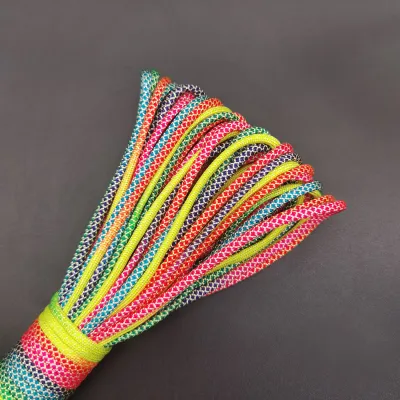
![[Bekcona.] Paracord 1mm/2mm/3mm/4mm/5mm Diameter Parachute Rope Climbing Camping Survival Gear Parachute Rope Bracelet DIY Jewelry Findings](https://img.lazcdn.com/g/p/46fec3f8b5c1aca7fef82e5f0d1b3405.jpg_webp_400x400q80.jpg_.webp)
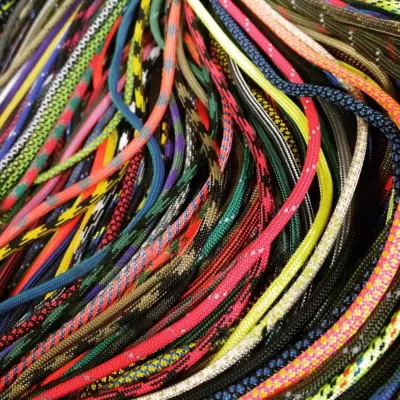
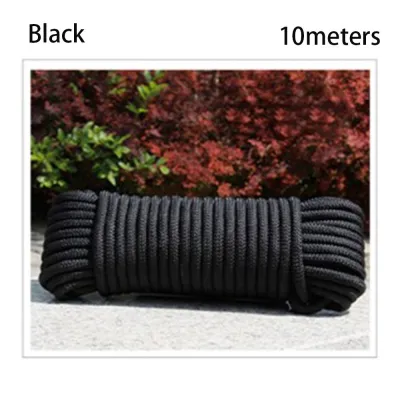
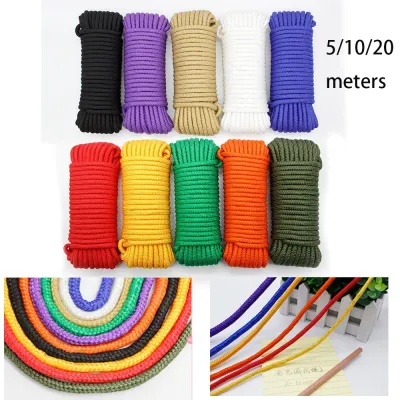
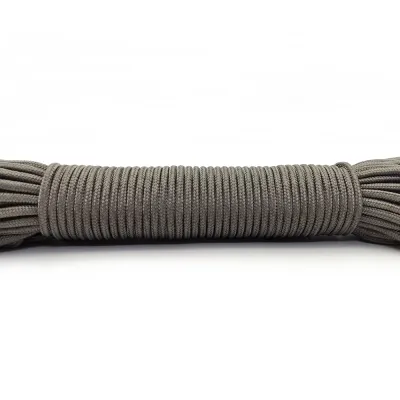
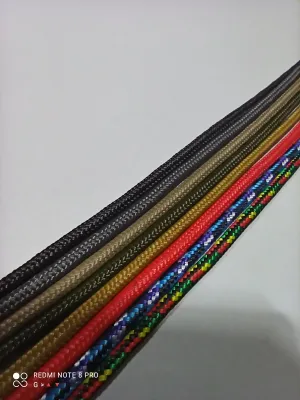
Prices are valid at publication and may change. Please refer to the product page for the latest price.
Why 3mm Paracord Is Unsafe for Human Load-Bearing
To understand why 3mm paracord rope is entirely unsuitable for climbing or rappelling, one must look at the physics of a fall. When a climber falls, they generate kinetic energy that must be safely absorbed. Certified climbing ropes are dynamic, meaning they are engineered to stretch significantly under a load. This stretch acts as a shock absorber, lengthening the deceleration process and reducing the peak impact force transmitted to the climber’s body, the harness, and the anchor points.
A 3mm paracord has virtually no dynamic elongation under high impact; it is a static utility cord. If a climber falls on a static line of this thickness, the sudden stop generates a massive spike in force that can cause severe internal trauma or snap the cord instantly. The energy absorption capacity of a thin utility cord is simply insufficient for human load-bearing applications.
The physical dimensions and tensile strength of 3mm paracord also fall dangerously short of life-safety standards. While standard 550 paracord (which is typically 4mm in diameter) has a nominal static breaking strength of 550 pounds (approximately 2.4 kN), a 3mm utility cord is significantly weaker, often rated for static loads of only 100 kg to 200 kg (roughly 1 kN to 2 kN). In contrast, international climbing standards require ropes to withstand forces of at least 22 kN (about 2,240 kg) to ensure a wide margin of safety. A falling human body can easily generate dynamic forces exceeding 5 kN to 10 kN, which is many times the maximum breaking strength of a 3mm cord.
Furthermore, the fundamental construction of utility cord differs entirely from that of life-safety rope. Climbing ropes utilize a specialized kernmantle design, featuring a highly twisted nylon core protected by a tightly woven outer sheath. This construction is optimized to handle extreme friction, resist cutting over sharp rock edges, and maintain structural integrity under tension. A 3mm paracord lacks the mass and sheath thickness required to survive the intense friction and heat generated by descending devices during a rappel. The friction from a rappel device would melt through the thin nylon sheath of a 3mm cord almost instantly, leading to a complete structural failure.
How to Choose and Verify Proper Climbing and Rappelling Ropes
Selecting the right rope for vertical activities requires careful verification of safety certifications and technical specifications. When purchasing a rope for climbing or rappelling, the first step is to inspect the product label and manufacturer documentation for recognized safety standards. Look for the UIAA (International Climbing and Mountaineering Federation) certification or the European CE mark, specifically EN 892 for dynamic climbing ropes and EN 1891 for low-stretch (static) kernmantle ropes. These certifications guarantee that the rope has undergone rigorous laboratory testing to verify its strength, impact force absorption, and durability under simulated fall conditions.

Understanding the distinction between dynamic and static ropes is crucial for matching the gear to the activity. Dynamic ropes are mandatory for lead climbing because their elasticity safely catches falls. Static ropes, which have very low stretch, are preferred for rappelling, caving, and hauling because they prevent the climber from bouncing uncontrollably, which could rub the rope against sharp rock edges. For both activities, standard safety diameters typically range from 9mm to 11mm. Using a rope within this range ensures compatibility with standard belay and rappel devices, which are specifically engineered to grip ropes of these dimensions.
Before finalizing any rope purchase, always verify the manufacturer’s technical specifications. Check the rated impact force, which indicates how much shock the rope transmits to the climber during a fall; lower numbers generally indicate a softer, safer catch. Additionally, review the UIAA fall rating, which measures how many consecutive factor-1.77 falls the rope can sustain before failing. High-quality manufacturers provide comprehensive spec sheets detailing sheath slippage, static elongation, and weight per meter. If a product lacks these detailed specifications or does not carry official UIAA or CE certifications, it should never be used for human load-bearing activities.
Safe and Practical Outdoor Applications for 3mm Paracord
Although 3mm paracord rope is entirely unsafe for vertical life support, it remains an incredibly valuable tool for non-life-threatening outdoor applications. Its lightweight profile, high flexibility, and ease of knotting make it an ideal companion for camp organization and gear management. Hikers and campers can use it to secure tarps and rainflies, which is particularly useful for weathering sudden tropical downpours. It is also excellent for hanging food bags high in the trees to keep them away from local wildlife, or for securing loose gear to the exterior of a backpack during a trek.
In addition to basic utility tasks, 3mm paracord is highly effective for field repairs and lightweight crafting. It can be used to replace broken boot laces, lash together lightweight bamboo poles for temporary camp structures, or wrap tool handles to improve grip. The inner strands of the paracord can even be unraveled to serve as emergency sewing thread or fishing line if needed. Its versatility in these scenarios makes it a staple of any survival kit, provided its physical limitations are strictly respected.
To maintain safety in the field, you must establish strict boundaries for utility cord usage. Under no circumstances should 3mm paracord be used for towing vehicles, lifting heavy equipment, anchoring hammocks, or securing loads on a vehicle roof rack where failure could cause an accident. Hammock suspension, in particular, can generate surprisingly high tension forces that easily exceed the safe working load of a thin utility cord. Keeping a clear distinction between utility tasks and life-safety tasks ensures that lightweight cords are never mistakenly integrated into high-risk systems.
Essential Safety Protocols and Stop Conditions for Vertical Activities
Engaging in vertical activities like climbing or rappelling demands a disciplined approach to safety, beginning with thorough pre-use gear inspections. Before every outing, run the entire length of your climbing rope slowly through your hands. Feel carefully for any flat spots, stiff sections, or soft, mushy areas, which are classic indicators of core-shot damage—a dangerous condition where the internal load-bearing core has ruptured while the outer sheath remains intact. Visually inspect the sheath for excessive fuzziness, cuts, abrasions, or discoloration caused by chemical exposure or prolonged exposure to the intense tropical sun, which can degrade nylon fibers over time.
It is vital to recognize that high-quality equipment is only one component of outdoor safety; it cannot replace comprehensive professional training and sound judgment. Before attempting to climb or rappel independently, seek instruction from certified guides or recognized local climbing associations. Learning how to properly tie safety knots, construct redundant anchor systems, and operate belay devices under supervision is essential. No amount of certified gear can protect a climber who lacks the knowledge to use it correctly.
Finally, establishing clear stop conditions is critical for managing risk in high-angle environments. You must be prepared to retire a rope immediately if it has sustained a severe high-factor fall, shows any signs of core-shot damage, or has been exposed to corrosive chemicals. In tropical climates, the combination of high humidity, heat, and UV exposure can accelerate the aging of nylon, meaning ropes may need to be retired sooner than the manufacturer’s maximum lifespan. If you encounter equipment uncertainty, deteriorating weather conditions, or feel that a setup is unsafe, always choose to abort the activity. Prioritizing safety over completing a route ensures you return home to climb another day.
Frequently Asked Questions (FAQ)
Can I use multiple strands of 3mm paracord together for climbing?
No, bundling or braiding multiple strands of 3mm paracord does not create a safe alternative to a certified climbing rope. When multiple independent strands are subjected to a sudden dynamic load, it is physically impossible to distribute the tension perfectly equally among them. One strand will inevitably bear the majority of the force first, reach its breaking point, and snap. This triggers a rapid, catastrophic domino effect as the remaining strands are subjected to instantaneous shock loads they cannot support. Furthermore, braided utility cords lack a unified, engineered sheath to protect against abrasion from rock edges, and their irregular shape prevents them from functioning correctly with standard belay and rappel devices, leading to a high risk of slippage and uncontrolled falls.
What is the minimum rope diameter required for rappelling?
For safe human descent, the standard minimum rope diameter typically ranges from 9mm to 11mm for single-rope static systems. While some highly specialized canyoneering or light-duty rescue systems utilize ropes down to 8mm, these require advanced training and compatible high-friction descent devices. You must always verify the exact rope diameter compatibility specified in the user manual of your rappel or belay device. Standard devices, such as tubular belay devices or figure-eight descenders, rely on specific rope thicknesses to generate the friction necessary to control your descent. Using a rope that is thinner than the device’s rated minimum will prevent the system from braking effectively, resulting in an uncontrolled free fall.
Community discussion
Share your experience or ask a question. Comments are reviewed before publication.