
A 100-meter nylon fishing net offers a versatile balance between coverage and manageability, but its suitability depends entirely on your local aquatic environment, target species, and crew size. While it provides ample span for nearshore gill netting and shallow-water encirclement, deploying a net of this length requires physical stamina, proper boat handling, and strict adherence to local municipal fishing laws.
This length is not a universal solution for every coastal or inland setting. In tight river channels or near jagged coral reefs, a 100-meter net can quickly become an expensive liability, prone to severe snagging or illegal encroachment. Conversely, in open sandy bays or calm coastal waters, it serves as an efficient tool for small-scale fishers looking to maximize their catch without upgrading to commercial-grade vessels.
Assess Your Fishing Environment and Target Species
In narrow rivers or small coves, a 100-meter net is often too long to deploy safely. It can block the entire channel, which is not only ecologically damaging but often illegal under local waterway guidelines. In contrast, open coastal waters, sandy shores, and wide estuaries provide the necessary clearance to stretch the net to its full capacity without crowding other fishers or hitting the banks.
Products mentioned in this guide
![[COD] PH Stock 100M x 3M 3-Layer Floating Gill Net – 3/4/5 Finger Large Water Fishing Net](https://img.lazcdn.com/g/p/3106dd0ca495849a31f1ca96c1e51371.png_400x400q80.png_.webp)
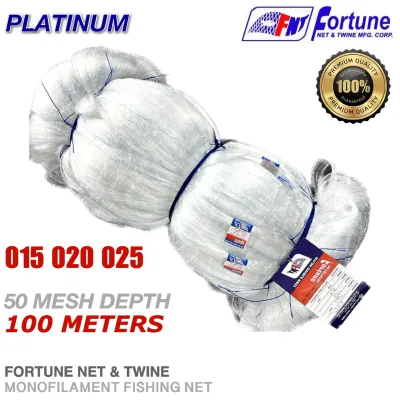
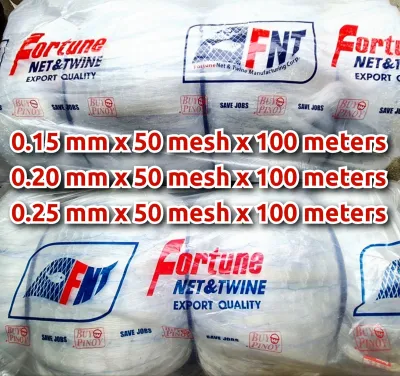
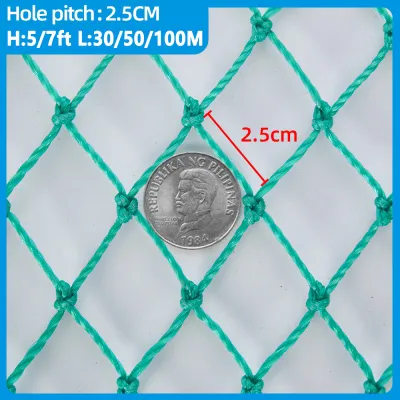

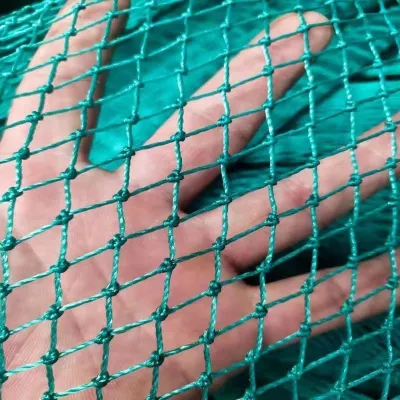
Prices are valid at publication and may change. Please refer to the product page for the latest price.
Schooling species that travel along the shoreline, such as sardines, mackerels, or mullets, require a wider barrier to intercept their path. A 100-meter span creates an effective wall or encirclement zone that matches these rapid, wide-ranging movements. For solitary or territorial bottom-dwellers, a net of this length is often unnecessary and increases the risk of catching non-target species.
Tropical waters are often rich with coral reefs, seagrass beds, and submerged volcanic rocks. Deploying a continuous 100-meter net near these structures is highly risky. Nylon can easily snag on sharp coral, leading to torn mesh, lost gear, and severe damage to the marine habitat. Before choosing this length, map your fishing ground to ensure you have a clear, unobstructed stretch of sandy or muddy bottom.
Match the Net Length to Your Specific Fishing Method
When used as a gill net, a 100-meter setup can be anchored at both ends for set netting or allowed to drift with the current. In nearshore areas, drift netting requires constant monitoring to prevent the net from drifting into shipping lanes or protected sanctuaries. The drift rate must be carefully matched to the wind and tide to keep the net vertical and prevent it from folding in on itself.

If you plan to use the net for beach seining or shallow-water encirclement, 100 meters is a manageable length for active hauling. This method involves sweeping an area to herd fish toward the shore or a central pocket. However, the physical drag of pulling 100 meters of wet nylon, along with the weight of the lead sinkers and trapped fish, requires coordinated effort.
Managing a wet 100-meter net is rarely a solo job. When wet, nylon absorbs water and becomes significantly heavier, and the accumulated weight of floats, sinkers, and catch can quickly overwhelm a single fisher. While an experienced operator in a motorized outrigger boat might manage a static set net alone in calm weather, active seining or rapid deployment in choppy waters typically requires a crew of at least two to three people to ensure safety and prevent entanglement.
Evaluate Nylon Material Properties for Your Conditions
Nylon is favored for its high tensile strength, elasticity, and transparency in water, making it nearly invisible to fish. However, tropical environments expose gear to intense sunlight and high temperatures, which accelerate UV degradation. When purchasing, check the manufacturer’s specifications for UV-stabilized coatings and abrasion resistance ratings to ensure the net can withstand daily exposure.
Over time, saltwater exposure and solar heat cause nylon to lose its elasticity, becoming stiff, brittle, or discolored. Regularly inspect the net by running your hands along the twine to feel for rough patches, frayed knots, or stiff sections. Brittle nylon snaps easily under the weight of a large catch, leading to lost fish and ruined gear.
The durability of your net depends heavily on the twine thickness and the mesh size. Thicker twine offers better resistance against sharp rocks and larger, thrashing fish, but it is more visible and heavier to haul. Ensure the specifications printed on the packaging match the physical demands of your target environment rather than relying on a generic recommendation.
Operational and Safety Checks Before Deployment
Before loading a 100-meter net onto your boat, you must verify local municipal and national fisheries laws. Many coastal municipalities enforce strict limits on net lengths, mesh sizes, and allowable fishing zones to prevent overfishing and protect juvenile stocks. Using an illegal mesh size or exceeding length limits can result in heavy fines, gear confiscation, or suspension of your fishing permit.
Map your route carefully before dropping the net. Avoid active navigation channels where motorized boats can run over your floats, cutting your net in two and creating a hazard for other vessels. Always stay clear of Marine Protected Areas and fish sanctuaries, as deploying any gear in these zones carries severe legal penalties and ecological consequences.
A net only fishes effectively if it maintains its correct vertical profile in the water column. Inspect the float line and lead line before deployment to ensure the weights and floats are evenly distributed. Tangled lines or uneven weighting will cause the net to bunch up, float to the surface, or sink unevenly, rendering the 100-meter span useless and increasing the risk of bottom snagging.
When to Consider Alternative Net Sizes or Materials
If you are operating in deep, open offshore waters targeting large, fast-moving pelagic schools, a 100-meter net may be too short to prevent the school from escaping around the sides. In these scenarios, commercial operations scale up to much longer and deeper purse seines or drift nets, which require specialized mechanical winches and larger vessels to operate safely.
If your primary fishing grounds are surrounded by sharp volcanic rock, oyster beds, or coral outcroppings, standard nylon monofilament may not be the best choice. In these highly abrasive environments, you might need to consider heavier multifilament nylon or specialized polyethylene nets that offer superior cut resistance, even if they are more visible in the water.
For solo fishers operating small non-motorized boats, or those fishing in narrow rivers, mangrove channels, and shallow estuaries, downsizing to a 25-meter or 50-meter net is highly practical. A shorter net is much easier to clean, stack, and deploy alone, reducing physical fatigue and minimizing the risk of getting caught in your own gear during sudden wind shifts or strong tidal currents.
Frequently Asked Questions (FAQ)
How do I properly store a 100-meter nylon fishing net to prevent damage?
To maximize the lifespan of your net, always rinse it thoroughly with clean fresh water after every use to remove salt crystals, mud, organic debris, and fish slime. Allow the net to dry completely in a shaded area; never leave it bunched up while wet or expose it to direct, harsh midday sunlight for extended periods. Once dry, store the net in a cool, well-ventilated storage bin or hang it in a shaded shed that is secure from rodents, as rats and mice can quickly chew through nylon twine and ruin your gear.
What mesh size should I pair with a 100-meter nylon net for coastal fishing?
The ideal mesh size depends on your target species and local municipal ordinances. For catching small baitfish like anchovies, a smaller mesh size is required, whereas targeting larger food fish like snapper or grouper demands a wider mesh to allow juvenile fish to pass through safely. Always consult your local municipal agricultural or fishery office to verify the minimum legal mesh size for your specific water zone to ensure compliance and support sustainable fishing practices.
Community discussion
Share your experience or ask a question. Comments are reviewed before publication.