
A 36V lithium battery pack is only compatible if your electric skateboard or scooter’s motor, electronic speed controller (ESC), and original equipment manufacturer (OEM) specifications are explicitly rated for a 36V nominal system. Mismatching voltage or ignoring physical constraints can cause permanent component damage, void warranties, or create severe safety hazards. Use the following framework to verify compatibility before making a purchase.
How to Verify Your Device's Original Voltage Specifications
To find out if your ride can accept a 36V lithium battery pack, you must first identify its factory-rated voltage. Look for a metal nameplate, a printed sticker, or an engraved label on the underside of the skateboard deck, along the scooter’s steering stem, or directly on the existing battery enclosure. In tropical climates like the Philippines, high humidity, road dust, and frequent rain splash can degrade these labels over time, making them difficult to read or causing them to peel off entirely.
If the physical label is worn away or missing, consult your digital user manual or visit the manufacturer’s official website to look up your specific model’s specifications. When reviewing these documents, pay close attention to the electrical terms. A standard 36V system operates at a ‘nominal’ voltage of 36V, but its maximum charge voltage is actually 42V when fully replenished. Do not confuse the peak charger output of 42V with a requirement for a 42V nominal battery; installing a battery with a nominal rating higher than your system’s design will destroy the electronics. Conversely, using a lower nominal voltage will cause the system to shut down prematurely due to low-voltage protection.
Products mentioned in this guide
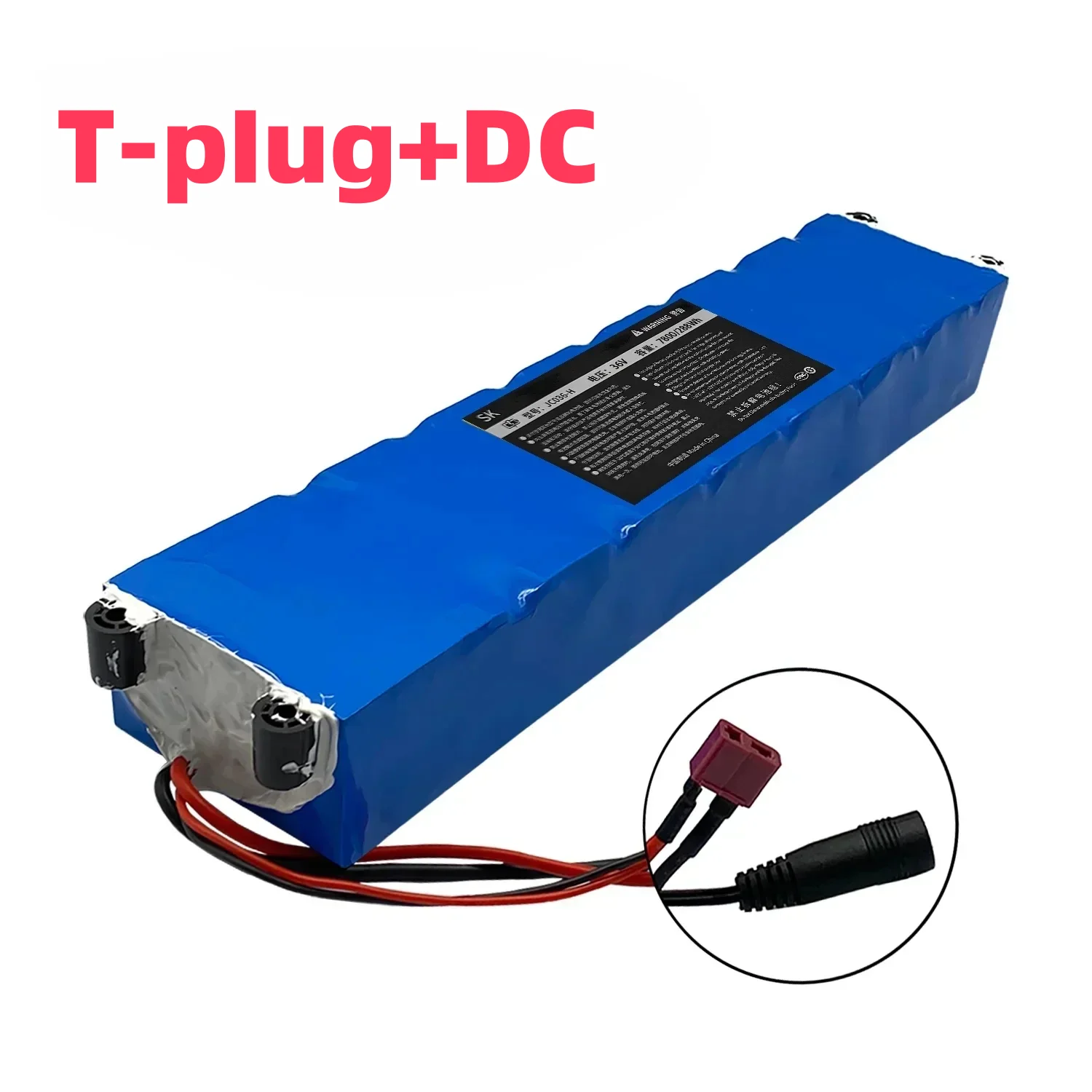
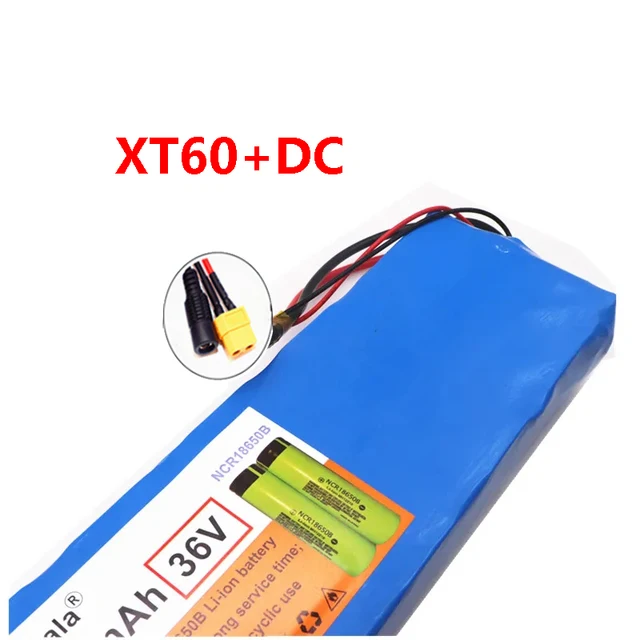
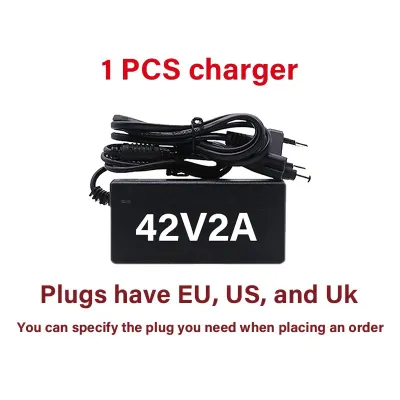
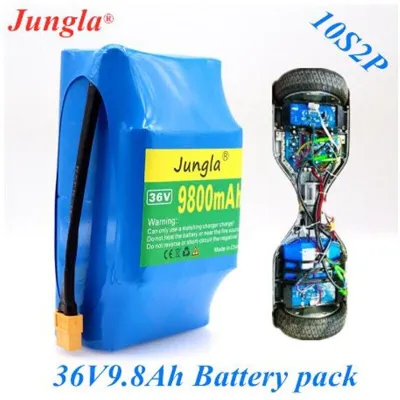
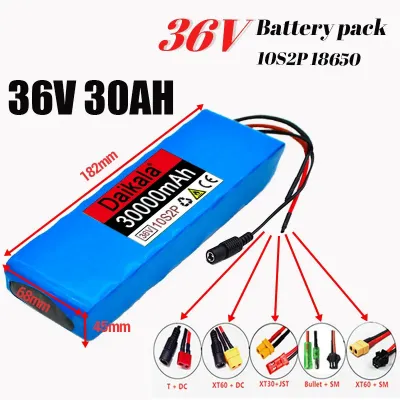
Prices are valid at publication and may change. Please refer to the product page for the latest price.
Critical Compatibility Factors Beyond Voltage
Matching the voltage is only the first step in ensuring a safe and functional battery upgrade or replacement. You must also evaluate the electronic limits of your controller and the physical constraints of your vehicle’s frame.

Controller and Battery Management System (BMS) Limits
Your electric skateboard or scooter relies on an Electronic Speed Controller (ESC) to regulate power delivery from the battery to the motor. The ESC has strict voltage thresholds; if you connect a battery pack that exceeds these limits, the controller’s capacitors and circuits will burn out instantly. Conversely, if the voltage is too low, the ESC will trigger a low-voltage cutoff and refuse to power the motor.
Beyond the controller, the battery pack’s internal Battery Management System (BMS) must align with your motor’s power demands. The BMS regulates the flow of electricity, and its continuous and peak discharge current ratings (measured in Amperes) must meet or exceed the maximum current draw of your motor. Furthermore, some modern smart scooters use proprietary communication protocols, such as UART or CAN bus, to link the battery’s BMS directly to the main controller. If your scooter requires this handshake and you install a generic 36V battery without the matching communication lines, the vehicle will not boot up.
Physical Dimensions and Connector Types
A battery pack cannot power your ride if it does not fit inside the chassis. Use a precise measuring tool to determine the internal length, width, and height of your battery compartment, leaving a few millimeters of extra space for foam padding and wiring routing. In humid environments, keeping the battery securely cushioned prevents internal vibrations from wearing down the protective heat-shrink wrap.
You must also inspect the power connectors. Standard options like XT60, XT90, or Anderson plugs are common, but many commercial brands use proprietary molded plugs. Avoid using cheap, unbranded adapters or splicing wires together with electrical tape, as poor connections can melt under high current or allow moisture to seep in. Compromising the enclosure’s water resistance increases the risk of short circuits, especially during sudden tropical downpours.
Safety Boundaries and When to Consult a Professional
Working with high-capacity lithium-ion batteries carries inherent risks that require strict adherence to safety protocols. If your vehicle’s user manual explicitly forbids the use of third-party, non-OEM, or modified battery packs, you should stop immediately and only purchase official replacements. Violating these guidelines can lead to thermal runaway, which is extremely difficult to extinguish once started.
Never attempt to bypass internal fuses, ignore thermal sensors, or alter the main wiring harness to force an incompatible battery to work. If your upgrade requires custom soldering, structural modifications to the deck, or flashing new firmware to the ESC, seek assistance from a certified light electric vehicle (LEV) technician. Professional help ensures that your connections are properly insulated, waterproofed, and capable of handling daily vibrations on rough roads.
Pre-Purchase Verification Checklist
Before finalizing your order for a new 36V lithium battery pack from an online marketplace, complete this verification checklist to avoid costly mistakes:
- Voltage Match: Confirm that your vehicle's nominal system voltage is exactly 36V and that your existing charger outputs 42V.
- Discharge Rating: Verify that the continuous discharge current (Amps) of the new battery's BMS meets or exceeds your motor's maximum draw.
- Physical Clearance: Measure the internal compartment and compare it to the battery's physical dimensions, accounting for wire clearance.
- Connector Compatibility: Ensure the battery's discharge and charge plugs match your vehicle's connectors, or that high-quality, waterproof adapters are available.
- Charger Compatibility: Check that your current charger's plug and charging profile are fully compatible with the new pack's charging port.
- Seller Policies: Review the seller's return policy, warranty terms for electrical components, and local shipping restrictions for hazardous materials like lithium batteries.
Frequently Asked Questions (FAQ)
Can I upgrade from a 24V system to a 36V battery pack?
No, you cannot directly connect a 36V battery pack to a native 24V system. The higher voltage will immediately overwhelm and destroy the 24V controller’s capacitors and internal circuitry. To perform this upgrade safely, you must replace both the ESC and the throttle assembly, and verify that your motor can handle the increased thermal load without burning its copper windings.
What happens if I use a 36V battery with a higher Ah rating?
Using a 36V battery with a higher Amp-hour (Ah) rating is perfectly safe and will increase your travel range per charge. The Ah rating represents the battery’s capacity, not its electrical pressure, so it will not damage your motor or controller. However, packs with higher capacity contain more physical cells, which increases the overall weight of your scooter or skateboard and may require a larger compartment.
Community discussion
Share your experience or ask a question. Comments are reviewed before publication.