
Deciding whether to add a fishing slingshot to your gear collection requires a clear understanding of your local waters, your target species, and your willingness to master a highly specialized technique. This tool is not a universal solution for every angling scenario, nor is it a shortcut to a guaranteed catch. Depending on your specific goals, a fishing slingshot can either serve as a simple accessory for distributing bait or function as a high-risk, lethal harvesting device.
Before making a purchase, you must evaluate whether your physical skills, local environmental conditions, and regional regulations align with the demands of this unique gear. Choosing the wrong type of tool or using it in an unsuitable environment can lead to frustration, wasted money, or serious safety hazards. By analyzing how these tools operate in real-world conditions, you can make an informed decision that enhances your time on the water.
Clarifying What You Mean by a "Fishing Slingshot"
When anglers discuss a fishing slingshot, they are often referring to one of two entirely different tools. The first is the bait catapult, which is a low-risk accessory designed to launch loose bait, pellets, or groundbait balls over long distances. This tool is widely used in coarse fishing to create a concentrated feeding zone, drawing fish closer to your traditional rod and reel setup. It does not harvest the fish directly but serves as an extension of your baiting strategy.
Products mentioned in this guide
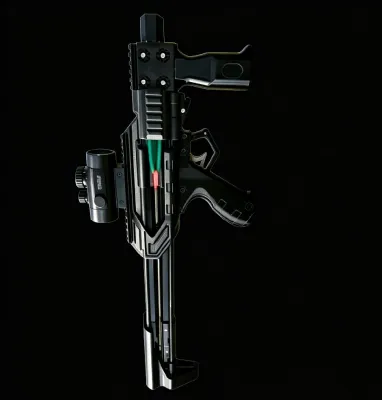
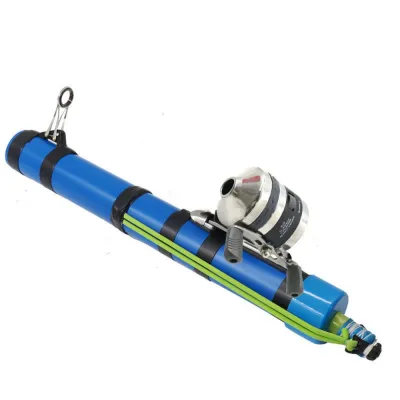
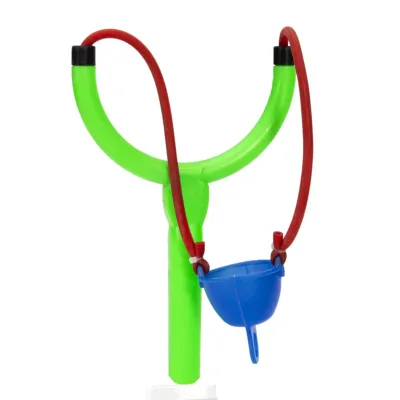
Prices are valid at publication and may change. Please refer to the product page for the latest price.
The second tool is the slingshot bow, also known as a spearfishing slingshot. This is a high-risk, specialized device designed to shoot metal darts, arrows, or bolts directly at fish. These setups feature heavy-duty latex bands, a wrist brace for stability, and an integrated fishing reel that holds a high-strength retrieval line. When you release the band, the dart travels through the air and water to impale the target, allowing you to retrieve the fish by winding the reel.
Distinguishing between these two tools is crucial because they require completely different skill sets, safety protocols, and budgets. A bait catapult is inexpensive, easy to master, and permitted in almost all fishing venues. In contrast, a slingshot bow is a powerful weapon that requires intensive training, protective gear, and strict adherence to local wildlife laws. Identifying which tool matches your initial search intent will establish the correct baseline for your buying decision.
Matching the Tool to Your Fishing Environment and Target Species
The physical characteristics of your typical fishing spots play a decisive role in whether a slingshot bow is a practical choice. Because this method relies entirely on sight, water clarity is the most critical environmental factor. Murky rivers, heavily silted lakes, or deep reservoirs with low visibility make visual targeting virtually impossible. If you primarily fish in turbid waters, a slingshot bow will remain unused in your gear bag.

In contrast, shallow coastal flats, clear freshwater streams, and calm lake margins offer the ideal conditions for visual targeting. In the tropical climate of the Philippines, sunny days provide the necessary illumination to spot fish swimming near the surface or in shallow beds. However, even in clear water, surface ripples caused by wind or heavy rain can distort your view. Anglers must often use polarized sunglasses to cut through the surface glare and accurately locate their targets.
For those using a bait catapult, the environment presents different challenges, primarily wind and distance. Strong head-winds or cross-winds can easily blow lightweight baits, such as loose maggots or soft pellets, off course. You must evaluate whether your target fishing distance is within the catapult’s effective range under typical local weather conditions. Heavier groundbait balls can resist wind better, but they require a sturdier pouch and stronger bands to reach distant spots.
Your target species also dictates which tool is appropriate. Slingshot bows are highly effective for slow-moving, surface-dwelling, or shallow-water species like tilapia, snakehead (locally known as haruan), and certain carp. Fast-swimming pelagic species or fish that stay deep in the water column are incredibly difficult to target due to the rapid loss of projectile velocity underwater. For these deeper or faster species, traditional rod and reel setups remain far superior.
Evaluating Your Skill Level and Operational Readiness
Operating a slingshot bow is a physically demanding activity that carries inherent risks. Drawing a high-tension band requires significant upper-body strength and a stable, consistent anchor point to ensure accuracy. Because a slingshot lacks the rigid frame of a traditional bow, your wrist must bear the full force of the draw weight. Any slight tremor, improper grip, or wrist fatigue can cause the shot to veer off target or result in a painful band snap.
Before attempting to shoot at live fish, you must commit to hours of target practice in a controlled, safe environment. You must develop the muscle memory to calculate water refraction, which makes fish appear higher and further away than their actual physical location. Without this practice, you are highly likely to miss your targets consistently, leading to lost projectiles and deep frustration. Equipment cannot replace personal training, patience, and physical coordination.
If you are considering a bait catapult, the learning curve is gentler but still requires practice to achieve consistency. You must master the tension of the pull and the angle of release to drop your bait in the exact same spot repeatedly. Inconsistent baiting scatters the fish rather than concentrating them, which can actively harm your chances of catching anything on your main line.
Both tools require diligent maintenance habits to remain safe and functional. The intense tropical heat and high humidity in the Philippines accelerate the degradation of latex bands, causing them to dry out, crack, and lose elasticity. You must inspect your bands for micro-tears before every single outing, as a band failure under full draw can cause severe facial or hand injuries. Additionally, rinsing all metal components, reels, and darts with fresh water after exposure to salt or brackish water is essential to prevent corrosion.
Navigating Safety, Legal, and Ethical Boundaries
Because a slingshot bow utilizes sharp metal projectiles propelled at high velocities, it is classified as a potentially dangerous weapon. Before purchasing any gear, you must verify municipal and provincial fishing ordinances in your specific region of the Philippines. Some local government units and community-managed marine sanctuaries strictly prohibit bowfishing, spearfishing, or the use of slingshots to protect local aquatic ecosystems. Operating in these areas without verification can lead to heavy fines or confiscation of your gear.
Safe handling protocols must be established and strictly followed during every session. You should always wear a heavy-duty protective glove, preferably reinforced with metal mesh, on your bow hand to guard against stray darts or catastrophic band failures. Never draw the slingshot or aim it in the direction of other people, boats, or livestock. A clear bystander safety zone of at least fifteen meters must be maintained at all times, and you must stop immediately if anyone enters your field of view.
Ethical considerations are also paramount when using a slingshot bow. Unlike traditional angling, which allows for catch-and-release, shooting a fish with a dart is a lethal harvest method. Once a fish is struck, it cannot be returned to the water to survive. Therefore, you must be absolutely certain of the species and size of the fish before releasing the band. Never shoot at protected species, undersized fish, or targets you do not intend to consume.
Deciding Your Next Step: Buy, Adapt, or Choose an Alternative
To determine your next step, review your local fishing conditions and your personal readiness. If you have regular access to clear, shallow waters where spearfishing is legally permitted, and you are fully committed to wearing safety gear and practicing your aim, purchasing a specialized slingshot bow can be a highly engaging upgrade. Ensure you buy a complete kit that includes a wrist brace, a reliable reel, and appropriate hand protection rather than trying to piece together a makeshift setup.
If you primarily fish in deep, murky waters, or if your local regulations prohibit projectile fishing, you should avoid the slingshot bow entirely. In these scenarios, traditional rod and reel setups, hand-line fishing, or standard snorkeling with a traditional Hawaiian sling are far safer, more effective, and legally compliant alternatives. These conventional methods offer greater versatility across different weather conditions and water depths.
For those who simply want to improve their baiting range, a bait catapult is an easy, low-risk purchase. You can find basic models at local tackle shops or online marketplaces for under ₱500. This small investment can immediately improve your ability to concentrate fish around your hook without requiring extensive safety gear or legal permits. If you are still unsure about committing to a full slingshot bow setup, try connecting with local bowfishing groups to observe their gear and techniques in person before making a financial commitment.
Frequently Asked Questions (FAQ)
Can I use a regular hunting slingshot for fishing?
Using a standard hunting slingshot for fishing is highly discouraged due to severe safety risks. Fishing-specific slingshots are engineered with specialized arrow rests, wrist supports to handle heavy draw weights, and integrated reel mounts to manage the retrieval line. Attempting to shoot heavy metal darts from a standard leather-pouch slingshot can cause the projectile to slip, potentially striking your hand, wrist, or face upon release.
What is the effective range of a slingshot bow for fishing?
The practical effective range of a slingshot bow is typically limited to short distances, usually under five to eight meters. Water refraction bends light, making fish appear closer to the surface and further away than they actually are. This optical illusion, combined with the rapid loss of projectile velocity as it enters the water, means you must get close to your target and aim lower than the fish appears to secure a clean, humane harvest.
Community discussion
Share your experience or ask a question. Comments are reviewed before publication.