
Finding space for fitness equipment in a compact condominium in the Philippines can be a major challenge. With limited square footage and the tropical heat making outdoor workouts less appealing during midday, a foot pedal for exercise seems like the ultimate space-saving solution. This compact device promises to keep you active while you work at your desk or relax on the sofa, all without taking up the footprint of a traditional treadmill or stationary bike.
However, before clicking buy, you must determine if this low-profile machine truly aligns with your daily routine, physical goals, and the structural realities of condo living. While it offers undeniable convenience, its effectiveness depends heavily on your seating setup, flooring, and what you actually hope to achieve physically.
Assess Your Condo Space and Storage Reality
The primary appeal of a foot pedal for exercise is its compact size, but its actual footprint during use is larger than it appears on a screen. You must measure the available floor space under your desk or in front of your favorite chair before making a purchase. Leg clearance is the most common oversight; as your knees rise and fall during the pedaling motion, they can easily strike the underside of a standard-height desk or dining table.
Products mentioned in this guide
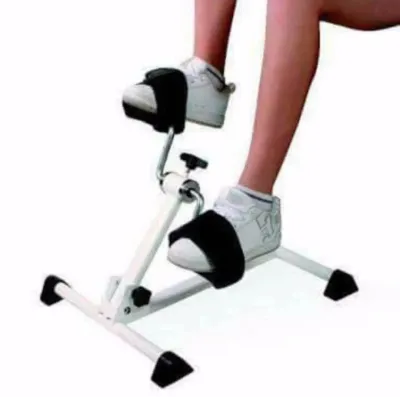
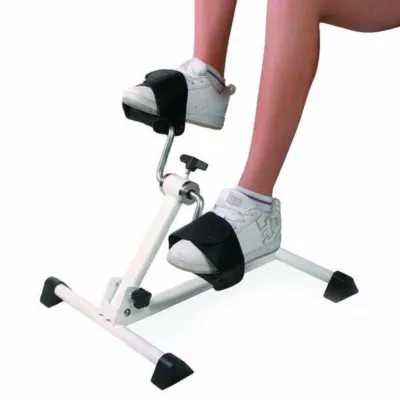
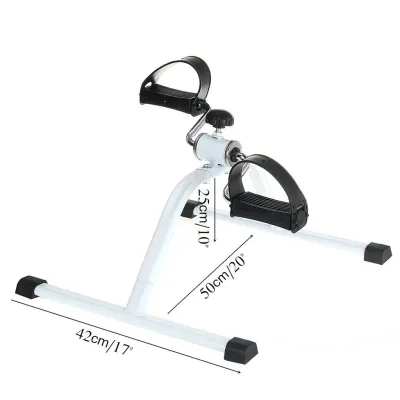
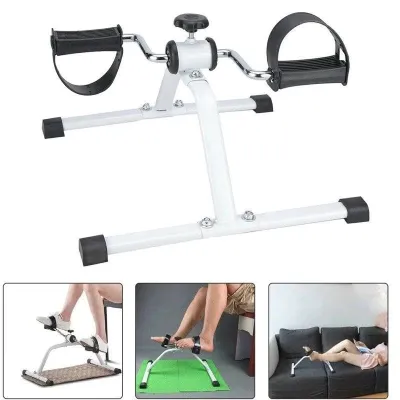
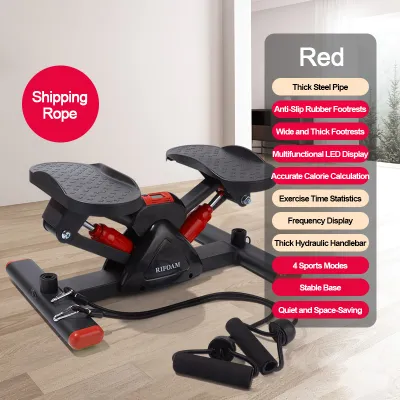
Prices are valid at publication and may change. Please refer to the product page for the latest price.
To prevent painful bumps, sit in your intended chair and mimic the pedaling motion, measuring the height of your knees at their highest point. Compare this measurement with the height of your desk’s lower edge, factoring in the height of the pedal unit itself. Most manufacturers list the minimum clearance height required for comfortable use, which you should cross-reference with your home setup.
Storage and portability are equally critical in a multi-functional condo layout where every square meter counts. Consider where the unit will rest when it is not in use, such as under a bed, inside a closet, or tucked behind a sofa. Check the product specifications for weight and handle design to ensure you can easily lift and move the equipment without straining your back.
A unit that is too heavy or awkward to slide away quickly will likely end up as a permanent tripping hazard in your living room. Look for models with integrated carry handles and a weight that matches your physical lifting comfort.
Align the Equipment with Your Actual Fitness Goals
A foot pedal for exercise is designed for specific, low-impact movement patterns rather than high-intensity athletic training. If your primary objective is to improve lower-body blood circulation, maintain joint mobility, or engage in light rehabilitation, this equipment is highly effective. It allows you to keep your joints moving during long hours of remote work or sedentary leisure time.

You should carefully review product labels and specifications to understand the resistance mechanisms available. Magnetic resistance models generally offer smoother pedal strokes and more adjustable tension levels compared to friction-based models. However, even at the highest resistance setting, a mini pedal exerciser cannot replicate the intense cardiovascular challenge or muscle-building capacity of a full-sized spin bike or a heavy strength-training routine.
Recognizing these physical limits prevents post-purchase disappointment. If your fitness goals involve significant calorie burning, building explosive lower-body power, or engaging in full-body aerobic workouts, a seated pedal exerciser will fall short. It is a tool for active recovery and consistent, low-intensity movement rather than a replacement for dedicated athletic training.
Always prioritize safety by ensuring your seating is completely stable before you begin pedaling. Avoid using wheeled office chairs without locking casters, as the pushing force of your legs can push your chair backward, leading to poor posture or sudden falls.
Check Noise Levels, Floor Safety, and Building Guidelines
Living in a shared condominium building means your workout choices can directly impact your neighbors. The repetitive mechanical motion of a foot pedal exerciser can generate noise and vibrations that travel through concrete floors. Before purchasing, review manufacturer specifications and user feedback regarding the decibel levels and the type of resistance system used.
Magnetic resistance units are typically the quietest option, making them ideal for shared living spaces and video calls. Friction-based units, which rely on a brake pad or strap pressing against a flywheel, can produce a consistent whirring sound or squeak over time as the parts wear down. This noise can quickly become disruptive in a quiet condo or during late-night exercise sessions.
Floor protection is another essential consideration to prevent damage to your unit and maintain good neighborly relations. Repetitive pedaling forces can cause the machine to slide forward, scratching delicate engineered wood, laminate, or ceramic tile floors. Placing a dedicated high-density rubber mat under the exerciser prevents slipping, absorbs mechanical vibrations, and dampens any sound traveling to the unit below.
Additionally, check your condominium association’s house rules regarding fitness equipment in residential units. While small pedal exercisers rarely violate noise ordinances, understanding your building’s guidelines for noise transmission ensures you can exercise peacefully at any hour without receiving complaints from neighbors.
Compare with Other Compact Home Gym Alternatives
Before committing to a foot pedal for exercise, weigh its utility against other space-saving fitness tools that fit a condo lifestyle. For instance, resistance bands take up virtually zero storage space and offer incredible versatility for full-body strength training. If your goal is functional strength rather than continuous cardio, a set of high-quality bands might serve you better.
Under-desk ellipticals offer a similar low-impact, seated workout but utilize a gliding motion rather than a circular pedal stroke. This gliding path often requires less vertical knee clearance, making them a superior choice for exceptionally low desks or taller users. However, they tend to be heavier, bulkier, and more expensive than basic pedal exercisers.
Foldable exercise bikes provide a more traditional cycling experience with a proper seat and handlebars, allowing for higher-intensity workouts. While they fold down for storage, they still require a dedicated corner of your room and are much harder to hide away than a mini pedal unit.
Evaluate the cost-to-benefit ratio based on your budget, which typically ranges from ₱1,500 to ₱5,000 for decent quality pedal units. If you require a comprehensive workout that targets both the upper and lower body, investing in a combination of resistance bands and a yoga mat may offer greater fitness value per peso spent.
Your Final Decision Checklist
To make an informed choice for your condo gym, run through this quick diagnostic checklist to see if the green lights outweigh the red flags.
You have a green light to purchase if you have at least 30 centimeters of clearance between your knees and the desk underside, your primary goal is low-impact movement or circulation, and you have a stable, non-wheeled chair. You also have a green light if you have a suitable spot to store a 3-to-5-kilogram device out of sight when guests arrive.
You should look for alternative equipment if you expect high-intensity cardiovascular workouts, want to build significant muscle mass, or lack the floor space to sit comfortably without blocking high-traffic walkways in your condo.
If you decide to proceed, your next step is to check the return and warranty policies on your chosen e-commerce platform to protect against mechanical defects. Alternatively, visit a local sporting goods store in your area to test a floor model, paying close attention to how the resistance feels and how much noise the unit makes under load.
Frequently Asked Questions (FAQ)
Can a foot pedal exerciser help with weight loss?
A foot pedal exerciser can support weight management by increasing your daily non-exercise activity thermogenesis, which is the energy expended during non-sleeping, non-athletic movement. While it does not burn calories at the rate of high-intensity running or rowing, consistent use over several hours while working can contribute to your overall daily energy expenditure. To maximize results, combine its use with a balanced diet and check the product specifications to ensure you are utilizing the highest comfortable resistance setting.
Do I need a mat under the foot pedal exerciser?
Yes, using a dedicated non-slip mat under your foot pedal exerciser is highly recommended for safety and floor protection. The forward pushing motion of pedaling naturally coaxes the lightweight machine to slide forward on smooth condo surfaces like polished tiles or varnished wood. A thin, high-density rubber or PVC mat keeps the unit firmly in place, protects your flooring from unsightly scratches, and absorbs minor mechanical vibrations that could otherwise disturb your downstairs neighbors.
Community discussion
Share your experience or ask a question. Comments are reviewed before publication.