
Playing golf in a tropical climate like the Philippines presents unique challenges for maintaining a secure hold on your club. High humidity and intense afternoon heat often lead to sweaty hands, which can cause your club to slip mid-swing. To compensate, many golfers squeeze the handle much tighter than necessary, introducing unwanted tension into their forearms and shoulders. This excess tension can ruin your swing tempo, limit your wrist release, and rob you of distance on the fairway.
Upgrading your equipment is a common way to address these issues, but the solution might not lie in a new driver. Often, the most impactful adjustment you can make is changing the interface between your hands and the club: the grip. Transitioning to a jumbo or oversized grip, such as a Golf Pride jumbo model, is a highly effective way to manage grip pressure, improve comfort, and stabilize your release. This guide walks you through a practical self-diagnosis process to help you decide if an oversized grip is the right choice for your game before you spend your hard-earned ₱ on a full set of replacements.
Assess Your Hand Size and Current Glove Fit
Your physical hand dimensions are the most logical starting point when evaluating whether to transition to a larger grip size. A simple way to gauge this is by looking at how your current golf glove fits. If you consistently wear a men’s large or extra-large glove, or if standard gloves feel excessively tight across your palm, your hands are likely large enough to benefit from a jumbo grip.
Products mentioned in this guide
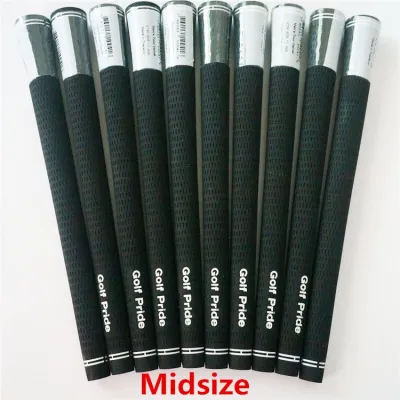
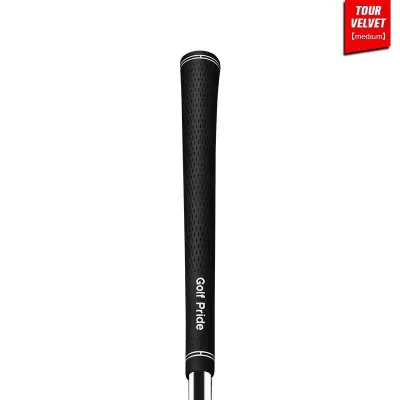
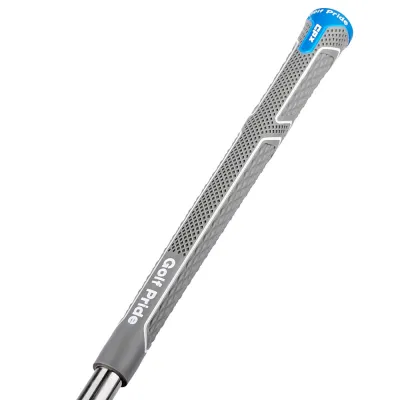
Prices are valid at publication and may change. Please refer to the product page for the latest price.
Another practical test is to observe how your fingers wrap around your current club handle at address. When holding the club with a standard grip, your fingertips should ideally rest lightly against your palm. If your fingers dig deeply into your palm, or if your fingernails press painfully into your skin, the grip is too small. This excessive wrap-around forces your hand muscles to overwork just to keep the club stable, which can lead to inconsistent face angles at impact.
While self-assessment is a great starting point, relying solely on generic online sizing charts can sometimes be misleading. Hand shape, finger length, and personal preference all play significant roles in how a grip feels during a swing. For the most accurate assessment, consider visiting a professional club fitter who can measure your hand from the crease of your wrist to the tip of your longest finger.
Evaluate Your Grip Pressure and Swing Tension
Grip pressure is one of the most critical, yet frequently overlooked, aspects of a consistent golf swing. When your grip is too thin, you must exert more muscular effort to keep the club from twisting, especially when playing in humid conditions where moisture reduces friction. This over-gripping often manifests physically as white knuckles, tense forearms, and a rigid upper body. If you finish a round feeling excessive fatigue or soreness in your hands and forearms, your grips may be forcing you to hold on too tightly.

A thicker grip naturally allows your hands to relax because the increased surface area distributes the holding force more evenly. By reducing the need to squeeze, a jumbo grip helps eliminate forearm tension, which in turn promotes a smoother, more fluid swing. This relaxation allows for a more natural wrist hinge during the backswing and a more controlled release through impact. For players who struggle with an overactive lower hand that causes hooks or pulls, the reduced wrist action associated with a larger grip can help straighten out their ball flight.
However, it is important to recognize that a grip can also be too large for your specific swing mechanics. If a grip excessively restricts your hand and wrist action, you may struggle to release the clubhead properly through the hitting zone. This restriction can lead to a blocked shot or a slice, as the clubface remains open at impact. Therefore, before committing to a full set of jumbo grips, you must carefully evaluate whether your current tension issues warrant a larger size or if a midsize option would offer a better balance.
Check for Joint Pain or Arthritis Symptoms
Physical discomfort can severely limit your enjoyment of the game and cut your rounds short. If you experience pain, stiffness, or swelling in your fingers, hands, or wrists during or after a round of golf, your body may be signaling that your current grips are not providing enough support. This is particularly common for golfers dealing with arthritis or tendonitis, where gripping a thin handle requires a tight, painful pinch that inflames sensitive joints.
Oversized grips are highly beneficial for players with joint issues because they require less finger flexion to hold securely. By allowing your hand to remain in a more open, relaxed position, a jumbo grip minimizes the strain placed on the small joints of your fingers and wrists. While these grips can significantly improve your comfort on the course, they are not a cure for chronic medical conditions. If you experience persistent joint pain, you should always consult a medical professional for a proper diagnosis and treatment plan.
When shopping for jumbo grips to alleviate discomfort, look for models that offer specific cushioning or shock-absorbing properties. Many manufacturers design oversized grips with soft, polyurethane materials or specialized textured patterns that help dampen the vibrations traveling up the shaft upon impact. These features are especially helpful when playing on firm turf, as they protect your joints from the harsh feedback of a poorly struck ball.
How to Test an Oversized Grip Before Buying
Before investing in a complete set of new grips and paying for installation, it is wise to test the feel of a larger diameter in a low-risk manner. One of the easiest ways to simulate a jumbo grip is by adding layers of masking tape or specialized grip-building tape under your current grip. By applying several wraps of tape to a single club, such as your favorite mid-iron, you can temporarily increase its thickness to see how the larger profile affects your comfort and swing.
Once you have modified a single club, take it to the driving range to observe how the change impacts your performance. Pay close attention to your shot dispersion, the overall feel of the club during your swing, and whether your hands feel less fatigued after a bucket of balls. If you notice that your shots are flying straighter and your hands feel significantly more relaxed, it is a strong indication that a larger grip size is suited to your game.
Another excellent option is to visit a local golf shop or a dedicated fitting center that features demo clubs equipped with actual Golf Pride jumbo grips or equivalent oversized models. Testing these clubs in a simulator or on a practice green allows you to feel the actual texture and weight of a manufactured jumbo grip. This hands-on experience is invaluable, as it helps you compare different materials, such as all-rubber compounds versus corded options, to find the exact texture that feels most secure in your hands.
When to Stick With Standard or Midsize Grips
While jumbo grips offer numerous benefits, they are not a universal solution for every golfer. If your swing relies heavily on active hand rotation to square the clubface and generate clubhead speed, a standard or midsize grip is often the better choice. The smaller diameter of these grips allows your hands to work dynamically, which is essential for players who like to shape their shots or who need maximum wrist release to maximize their distance off the tee.
If you test a jumbo grip and notice a sudden loss of distance or a persistent tendency to push or slice the ball, the grip is likely too large for your swing mechanics. A grip that is too thick can make the clubhead feel disconnected from your hands, reducing your awareness of the face angle during the swing. If you feel like you are fighting the club to get it through the ball, you should avoid upgrading to a full jumbo set and stick to a size that allows for better control.
For golfers who find standard grips too small but feel that a full jumbo grip is too restrictive, midsize grips offer an excellent middle ground. Alternatively, you can customize standard grips by adding two or three extra layers of tape underneath during installation. This approach allows you to fine-tune the diameter of your handles to achieve the perfect balance of comfort, tension reduction, and control without sacrificing your natural swing mechanics.
Frequently Asked Questions (FAQ)
Does installing a jumbo grip change the swing weight of my club?
Yes, installing a larger grip can alter the overall balance and feel of your golf club. Because jumbo grips generally contain more material than standard grips, they are often heavier, which shifts the balance point of the club closer to your hands. This shift typically decreases the measured swing weight, which can make the clubhead feel lighter during your swing.
To minimize this effect, you should check the manufacturer’s weight specifications for specific jumbo models before purchasing. Some modern oversized grips are designed with lightweight materials to keep their weight close to standard models, preserving the original feel of your clubs. If you find that your clubs feel too light after regripping, you can consult a professional club builder to adjust the swing weight using lead tape or tip weights.
How often should I replace my oversized golf grips?
As a general rule, you should inspect your golf grips for wear and tear at least once a season, or every forty rounds of play. For golfers playing regularly in hot, humid tropical conditions, the combination of sweat, dirt, and UV exposure can accelerate the degradation of the grip material. Look for visible signs of wear such as shiny spots, a loss of texture, cracking, or a noticeable hardening of the rubber compound.
To extend the lifespan of your oversized grips, it is essential to clean them regularly according to the manufacturer’s care instructions. Gently scrubbing the grips with warm, soapy water and a soft brush removes accumulated hand oils, sweat, and dirt, restoring the tacky feel of the material. After washing, rinse them thoroughly with clean water and pat them dry with a towel, keeping them out of direct sunlight to prevent the rubber from drying out prematurely.
Community discussion
Share your experience or ask a question. Comments are reviewed before publication.