
Deciding whether to buy a gravel bike comes down to where you actually ride and how you want to feel while doing it. While these versatile machines are highly popular, they are not a mandatory upgrade for every cyclist. If your typical routes consist entirely of smooth asphalt or highly technical mountain trails, a specialized road or mountain bike remains the superior tool. However, if you find yourself constantly wishing you could detour onto rough provincial roads, unpaved bypasses, or sandy coastal paths without losing speed, a gravel bike might be the exact solution you need.
Assess Your Typical Riding Terrain
To determine if a gravel bike is truly necessary, start by tracking your actual routes over a typical month rather than relying on idealized riding plans. Take note of the surfaces you encounter daily. Smooth, well-maintained asphalt represents classic road bike territory, where narrow tires and aerodynamic positions excel. In contrast, hardpacked dirt, loose gravel, volcanic ash paths, or broken concrete roads with deep potholes demand wider tires and more stable handling. If your routes involve highly technical singletrack with large rocks, exposed roots, and steep drop-offs, you are firmly in mountain bike territory.
Calculate the approximate percentage of mixed-surface riding you do each week. If more than 70 percent of your riding is on clean pavement, a dedicated road bike with slightly wider tires is usually more efficient. If your rides are split evenly between paved highways and rough, unpaved provincial roads, the gravel bike becomes highly practical.
Products mentioned in this guide
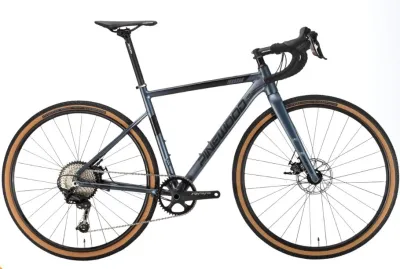
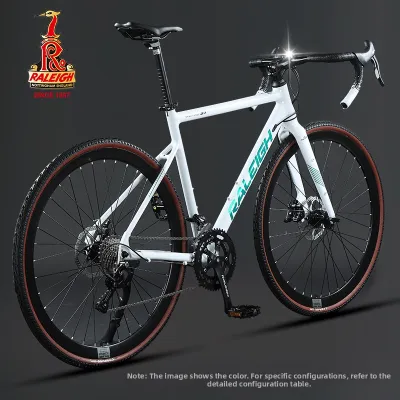
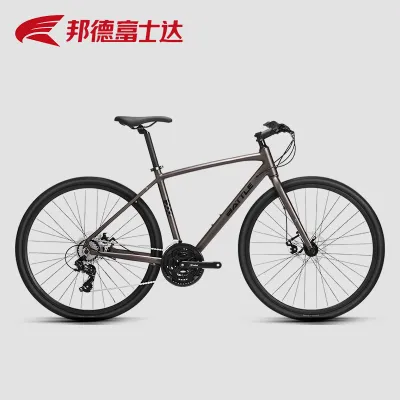
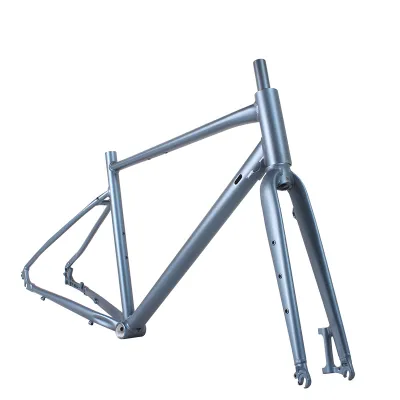
Prices are valid at publication and may change. Please refer to the product page for the latest price.
Local weather and seasonal changes also play a major role in this decision. In tropical climates like the Philippines, the dry season can turn dirt paths into fast, dusty tracks, while the wet season transforms those same routes into thick, sticky mud. A gravel bike with generous tire clearance allows you to run knobby tires that shed mud easily, keeping you moving when sudden downpours turn secondary roads into challenging terrain. If your local riding environment is prone to seasonal flooding or frequent road construction, the added durability of a gravel-oriented setup provides a significant safety margin.
Match Your Riding Goals to Bike Categories
Your choice of bicycle should align directly with your primary cycling objectives and how you prefer to experience the road or trail. If your main goal is pure speed, climbing efficiency, and keeping up with fast-paced weekend pacelines on smooth highways, a traditional road bike is designed specifically for this purpose. The aggressive, forward-leaning geometry minimizes wind resistance, and the lightweight frame ensures that every watt of energy translates into forward momentum on asphalt.

If your goals lean toward long-distance exploration, multi-day touring, or self-supported bikepacking, a gravel bike offers distinct design advantages. These bikes feature a more upright, relaxed geometry that reduces strain on your lower back, neck, and shoulders during long hours in the saddle. They are also equipped with multiple frame mounts, allowing you to securely bolt on frame bags, fender kits, and extra bottle cages. This cargo capacity is essential for carrying hydration, tools, and gear through remote areas where convenience stores are scarce.
For riders whose primary goal is conquering steep, technical descents, navigating loose rock gardens, or jumping over obstacles, a mountain bike remains irreplaceable. Mountain bikes utilize active front and rear suspension systems to absorb heavy impacts, along with wide flat handlebars for maximum leverage and control. Trying to ride a rigid gravel bike down highly technical, rocky singletrack requires extreme skill and often results in a harsh, exhausting ride. Understanding these design trade-offs prevents you from buying a bike that struggles in your preferred riding environment.
Identify the Limits of Your Current Bike
Before shopping for a new bicycle, evaluate whether your current ride is genuinely holding you back or if it simply needs a few minor adjustments. The most critical physical limitation of any bicycle frame is tire clearance. Traditional rim-brake road bikes often max out at tire widths of 25mm or 28mm, which cannot safely handle loose gravel or deep potholes. Modern disc-brake road bikes may accommodate up to 32mm or 35mm tires, which can handle light dirt but still struggle on chunkier gravel or muddy trails.
Pay close attention to how your body feels after a long ride on rough surfaces. If you experience severe physical fatigue, hand numbness, or lower back pain, your current setup may lack the compliance needed for your routes. Rigid frames paired with high-pressure, narrow tires transmit every vibration directly to your contact points. While lowering your tire pressure can help, doing so on narrow tires greatly increases the risk of pinch flats unless you are running a tubeless setup.
It is important to distinguish between a bike that is fundamentally incompatible with your terrain and one that just needs a component swap. For example, if you ride a hardtail mountain bike on paved roads and find it sluggish, swapping the heavy, knobby tires for fast-rolling slick tires can dramatically improve your speed. Conversely, if your road bike frame physically prevents you from installing tires wider than 28mm, no amount of component upgrading will make it comfortable or safe on loose, unpaved trails.
The Decision Matrix: Buy, Adapt, or Keep?
To make a practical decision, you can use a simple framework based on your terrain, comfort, and budget. You should buy a dedicated gravel bike if you regularly ride routes that are 30 to 70 percent unpaved, plan to go bikepacking, or suffer from chronic discomfort on rough roads due to the stiff geometry of your current road bike. Investing in a gravel bike is also justified if you want a single, versatile “do-it-all” machine that can handle daily commuting, light trail riding, and weekend road group rides with minimal compromise.
You should adapt your current bike if your frame already has decent tire clearance and you only occasionally venture onto unpaved paths. For road bike owners with disc brakes, check if your frame can clear 32mm or 35mm gravel-lite tires. Installing these, along with a slightly shorter or higher-rise stem, can provide the comfort and grip needed for light gravel without the expense of a new bike. For mountain bike owners, fitting narrower, semi-slick tires and locking out your suspension can make your bike much more efficient on paved roads.
You should keep your current setup exactly as it is if your riding falls into extreme categories. If your weekly mileage is 90 percent paved and you rarely encounter rough roads, a road bike remains the most rewarding option. Likewise, if your rides are almost entirely on technical, rocky mountain trails, sticking with your full-suspension or hardtail mountain bike is the safest and most capable choice.
Frequently Asked Questions (FAQ)
Can I just put wider tires on my road bike instead of buying a gravel bike?
Whether you can use wider tires depends entirely on your road bike’s frame clearance and brake system. You must check the manufacturer’s specifications for the maximum tire width your frame and fork can safely accommodate. Traditional rim brakes physically limit tire width to about 28mm, whereas modern disc-brake road frames often allow up to 32mm or 35mm. Keep in mind that running tires at the absolute maximum clearance can cause the tire to rub against the frame when the wheel flexes under load, potentially damaging your paint or carbon fiber.
Is a gravel bike too slow for group road rides?
A gravel bike is generally slower than a dedicated road bike on asphalt, but it can still keep up with casual or moderate group rides. The main factors reducing speed are the heavier, knobby tire tread patterns and the slightly more upright, less aerodynamic riding position. If you frequently alternate between fast group road rides and solo gravel adventures, you can bridge the gap by keeping two sets of tires. Swapping to a set of fast-rolling, slick 30mm or 32mm road tires will significantly reduce rolling resistance and allow you to maintain road paceline speeds.
Community discussion
Share your experience or ask a question. Comments are reviewed before publication.