
A mini elliptical is one of the most space-efficient cardio options for a small condo, but whether it is the absolute best choice depends on your specific fitness goals, ceiling height, and tolerance for lower-intensity workouts. For residents navigating the tight quarters of modern high-rise developments, balancing physical fitness with limited square footage is a constant challenge. Traditional exercise equipment often dominates a room, turning a cozy living area into a cluttered gym. The mini elliptical offers a compelling compromise, providing a low-impact cardiovascular workout within a footprint barely larger than a pair of shoeboxes.
While it may not deliver the intense, full-body burn of a commercial-grade treadmill, its ability to slide under a bed or sit discreetly under a work desk makes it highly practical. For those prioritizing noise reduction, joint protection, and space preservation, this compact machine presents a viable path to staying active at home. However, understanding its mechanical limitations and how it compares to other compact fitness tools is essential before making an investment.
Is a Mini Elliptical Practical for Condo Living?
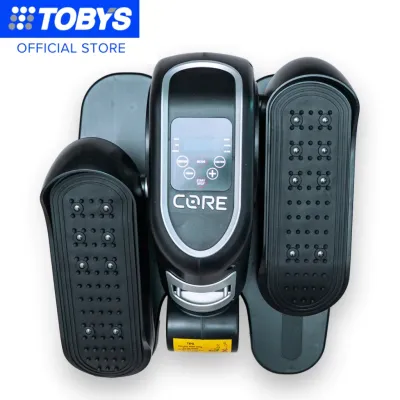
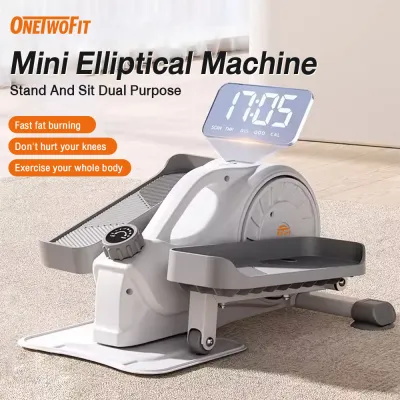
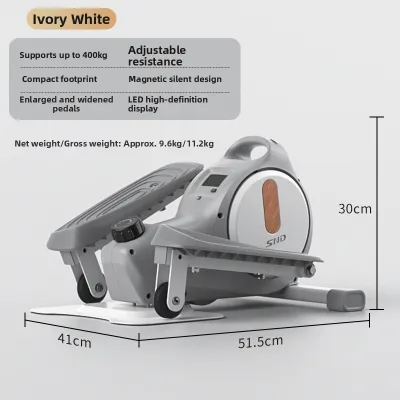
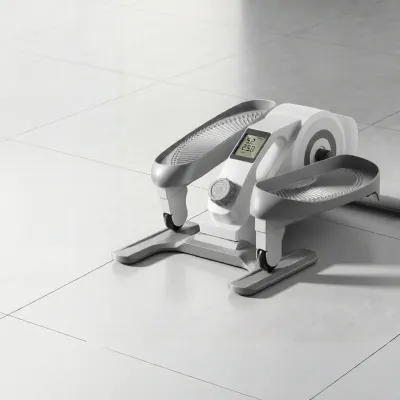
The primary appeal of a mini elliptical lies in its minimal physical footprint and versatile storage options. Unlike standard fitness equipment, these compact devices are designed to operate without a bulky frame, console, or overhead handlebars. An under-desk model can easily be tucked beneath a dining table or home office desk, allowing you to pedal while working or watching television. Standalone models, which may feature small stabilizing handles or resistance bands, require slightly more vertical space but still occupy only a fraction of the floor area demanded by traditional cardio machines. When your workout is complete, the lightweight design allows you to lift and store the unit in a closet, under a sofa, or in a utility balcony.
Products mentioned in this guide
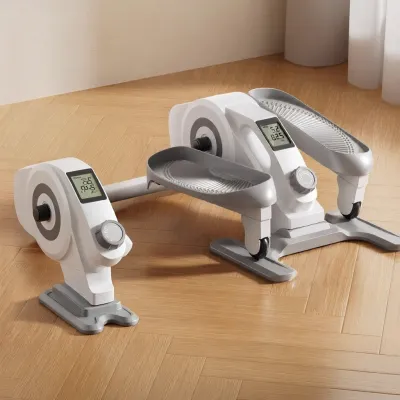
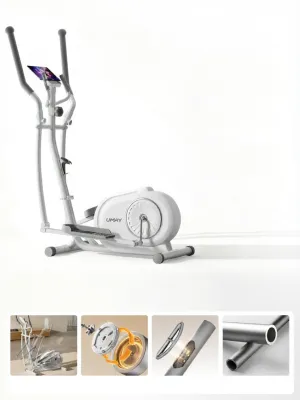
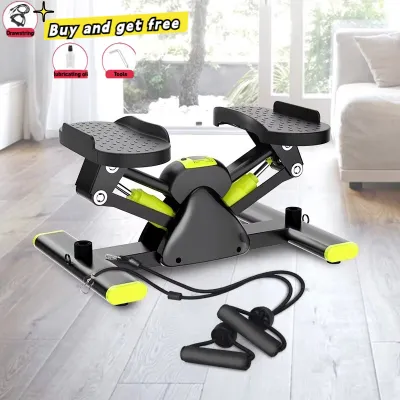
Prices are valid at publication and may change. Please refer to the product page for the latest price.
Noise generation is a critical factor when living in close proximity to neighbors, especially in high-rise concrete structures where impact sounds travel easily through floors. Traditional cardio activities like running on a treadmill or jumping rope create repetitive, high-impact vibrations that can easily disturb the occupants in the unit below. A mini elliptical, by contrast, relies on a continuous, fluid gliding motion. Because your feet never leave the pedals, there is virtually zero impact force transferred to the floor. When properly maintained and lubricated, the internal magnetic or friction resistance mechanisms operate almost silently, allowing you to exercise early in the morning or late at night without causing noise complaints.
Despite these practical advantages, users must recognize the inherent limitations of a scaled-down machine. The most significant trade-off is the stride length, which typically ranges from 10 to 14 inches, compared to the 18 to 22 inches found on full-sized gym ellipticals. This shorter path can feel somewhat choppy or unnatural, particularly for taller individuals who require a wider range of motion. Additionally, the compact flywheels used in these machines limit the maximum resistance ceiling, making it difficult for advanced fitness enthusiasts to perform high-intensity interval training. Finally, because most mini ellipticals lack moving handlebars, they offer minimal upper-body engagement, focusing almost exclusively on the lower muscle groups.
Mini Elliptical vs. Compact Alternatives: Which Saves More Space?
When planning a condo home gym, it is helpful to compare the mini elliptical against other popular space-saving cardio machines. Folding treadmills are a common consideration, but even the most compact models require a significant horizontal running deck when in use. When folded, they still present a substantial vertical obstacle that can block natural light or disrupt the aesthetics of a small room. Compact exercise bikes have a relatively small footprint but remain a permanent fixture that cannot be easily hidden away. Foldable rowing machines offer an excellent full-body workout, but their long slide rails require a clear pathway through your living space, often forcing you to rearrange furniture before every session.

In terms of noise and vibration, the mini elliptical holds a clear advantage over most alternatives. Air-resistance rowers and treadmills generate substantial ambient noise from fan blades and belt friction, which can be amplified by the reflective concrete walls common in modern condos. While magnetic exercise bikes are similarly quiet, they do not offer the same level of portability as a mini elliptical, which can be picked up with one hand and moved from the bedroom to the living room. For those living in studio apartments where every decibel and square inch counts, the mini elliptical minimizes both visual clutter and acoustic disruption.
The decision ultimately comes down to balancing space savings with your personal fitness objectives. If your goal is to maintain daily movement, burn extra calories during sedentary hours, and protect your joints from high-impact stress, the mini elliptical is an exceptionally practical tool. However, if you are training for a competitive event, require high-intensity cardiovascular conditioning, or want a single machine that engages both your upper and lower body simultaneously, you may find the limitations of a mini elliptical frustrating. In such cases, the larger footprint of a compact exercise bike or a folding rower may be a necessary trade-off to achieve your desired workout intensity.
Essential Condo Constraints to Check Before Buying
Before purchasing any fitness equipment for a high-rise home, it is crucial to verify your building’s specific rules and structural limitations. Some condominium associations have strict guidelines regarding the use of heavy exercise machinery, particularly concerning noise levels and vibration transfer during quiet hours. While a mini elliptical is inherently quiet, it is still wise to review your building’s tenant handbook or consult with property management to ensure your planned workouts comply with community standards.
Ceiling clearance is another vital measurement that is frequently overlooked. While under-desk models are used exclusively while seated, standalone mini ellipticals are designed for standing workouts. When standing on the pedals, your height will increase by several inches—typically between 6 to 10 inches depending on the machine’s pedal height at its highest point. You must measure your ceiling height and compare it to your own height plus the machine’s maximum pedal elevation. Ensure there is comfortable clearance to prevent your head from coming too close to light fixtures, ceiling fans, or concrete beams during use.
The type of flooring in your condo also dictates how you should set up your equipment. Hardwood, laminate, and vinyl tile floors can easily be scratched or scuffed by the metal or hard plastic base of a shifting machine. Furthermore, the high humidity typical of tropical climates can cause sweat to pool on the floor, potentially damaging sensitive wood surfaces. To protect your flooring and enhance stability, always place a high-density rubber or PVC equipment mat beneath the mini elliptical. This mat not only prevents the machine from slipping during vigorous pedaling but also absorbs any minor residual vibrations, ensuring a completely silent workout.
What to Look for When Choosing a Mini Elliptical
Selecting the right mini elliptical requires a careful examination of manufacturer specifications to ensure the machine matches your physical needs and living environment. The type of resistance mechanism is the most critical technical detail to verify. Magnetic resistance systems are highly recommended for condo settings because they adjust resistance using magnets that do not physically touch the flywheel. This results in a completely silent operation and a smooth, fluid pedal stroke. Friction resistance models, which use felt pads or bands to create tension, are often less expensive but can produce a slight whistling or rubbing noise and require regular replacement of worn parts.
Stability and build quality are equally important, especially since compact machines have a narrower base than full-sized equipment. Check the overall weight of the machine; while a lighter unit is easier to carry, a slightly heavier machine (around 10 to 15 kilograms) provides a much more stable foundation that will not rock or slide during use. Look for models with a wide stabilizer base and built-in transport wheels or a heavy-duty carrying handle to facilitate easy relocation.
Finally, pay close attention to the physical contact points and safety ratings. The pedals should feature a deep, non-slip textured pattern to ensure your feet remain secure, particularly when exercising in warm, humid conditions. Verify the manufacturer’s maximum user weight capacity to ensure the internal bearings and frame can safely support your body weight. If you plan to use the machine in a standing position, prioritize models that explicitly state they are engineered for both standing and seated use, as some under-desk models are structurally rated only for seated pedaling.
Frequently Asked Questions (FAQ)
Can I use a mini elliptical while working at my desk?
Yes, mini ellipticals are highly effective for under-desk use, provided you have adequate clearance. To prevent your knees from knocking against the underside of your desk, you will need a desk with a clear opening and sufficient height—typically a clearance of at least 75 to 80 centimeters from the floor, depending on your height and the machine’s pedal rise. It is also important to adjust your chair height so that your hips are slightly higher than your knees, which helps maintain an ergonomic posture and reduces strain on your lower back.
Do mini ellipticals provide a full-body workout?
No, mini ellipticals are primarily designed to target the lower body, focusing on the quadriceps, hamstrings, glutes, and calves. Because they lack the moving upper-body handlebars found on full-sized gym ellipticals, they do not actively engage your chest, back, or shoulders. To achieve a balanced, full-body fitness routine within a limited condo space, you can easily complement your pedaling sessions with compact resistance training tools, such as resistance bands anchored to a door, light dumbbells, or simple bodyweight exercises like push-ups and planks.
Community discussion
Share your experience or ask a question. Comments are reviewed before publication.