
The Short Answer: Pros and Cons for Condo Living
Deciding on the right fitness equipment for a compact condominium requires balancing physical space, exercise goals, and neighborly peace. A mini stepper is one of the most space-efficient cardio options available, offering a practical way to maintain cardiovascular health without sacrificing valuable floor space. Its footprint is barely larger than two shoeboxes placed side by side, making it highly suitable for multi-purpose rooms or small studio units where larger machines simply cannot fit.
However, this compact design comes with specific trade-offs. While a mini stepper excels at low-impact, steady-state cardio, it is not built for high-intensity interval training (HIIT) or sprint-level workouts. Additionally, the mechanical nature of the machine can generate localized heat, squeaks, and low-frequency vibrations that easily transfer through thin condo floors to the unit below. If your goal is to find a highly portable, low-impact machine for consistent daily movement, the mini stepper is an excellent choice—provided you take steps to manage noise, heat, and safety clearances.
Measuring Your Space: Footprint, Ceiling Height, and Clearance
Before purchasing a mini stepper, you must look beyond its static dimensions. While the physical base of a standard mini stepper typically measures only about 30 centimeters wide by 40 centimeters long, the actual space required during a workout is significantly larger. This is known as the active zone. When you step, your body naturally sways from side to side, and your feet may extend slightly past the edges of the pedals. If your chosen model includes resistance bands or integrated handlebars, your active zone expands to accommodate your full arm swing and upper-body movement.
Products mentioned in this guide
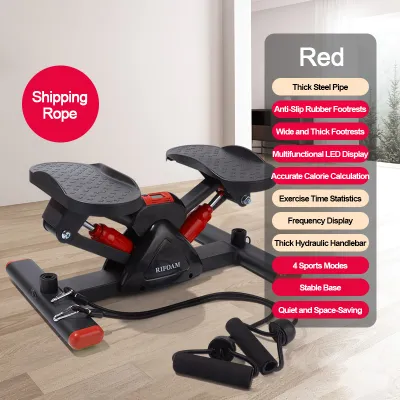
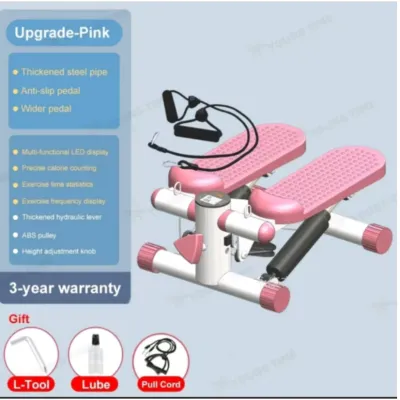
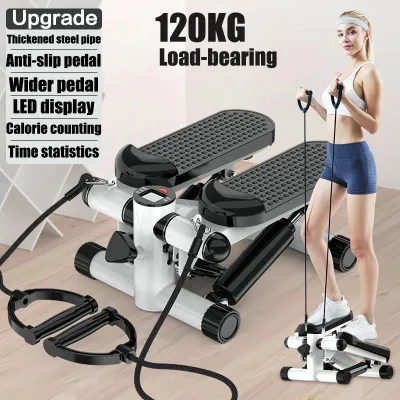
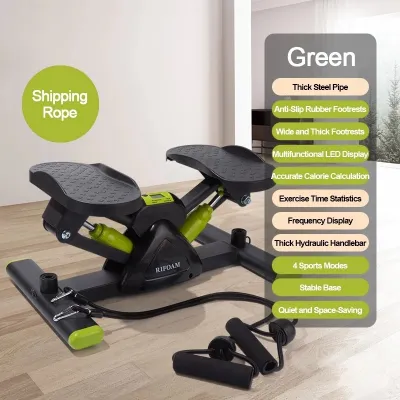
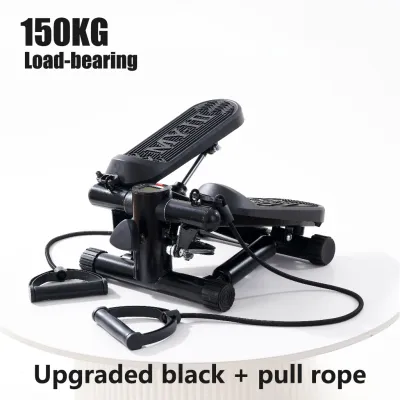
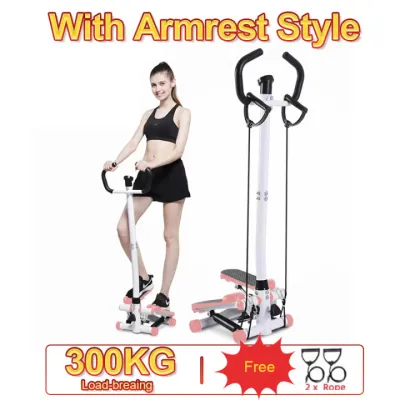
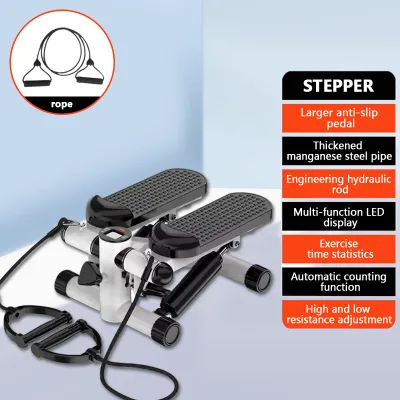
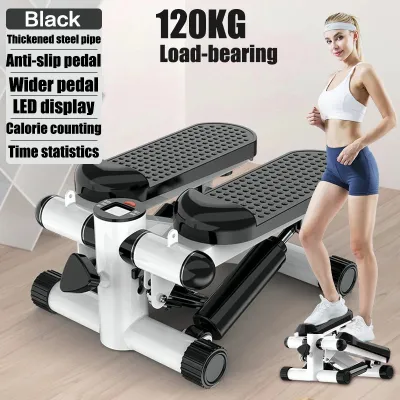
Prices are valid at publication and may change. Please refer to the product page for the latest price.

Ceiling height is another critical safety factor that condo owners frequently overlook. Unlike a treadmill where your height remains relatively constant, a mini stepper raises your entire body with every step. To ensure you do not bump your head against the ceiling or light fixtures, use this simple formula to calculate your clearance:
Your Height + Maximum Pedal Height + Safety Clearance = Minimum Required Ceiling Height
For example, if you stand 170 centimeters tall and the mini stepper has a maximum pedal height of 35 centimeters at its highest resistance setting, your active height is 205 centimeters. Adding a safe buffer of at least 30 centimeters for natural body bounce and head clearance results in a minimum required ceiling height of 235 centimeters. If your condo has low ceilings—which are common in older high-rises or loft-style units—or if you have a low-hanging ceiling fan, you must measure carefully to avoid painful accidents.
Finally, consider the pathways and entry points of your room. Never position your exercise equipment in narrow hallways, directly in front of doors, or blocking emergency exit routes. A safe setup requires at least 0.6 meters of clear, unobstructed space on all sides of the mini stepper. This clearance ensures that if you lose your balance or need to step off the machine quickly, you can do so safely without colliding with walls, sharp furniture corners, or glass doors.
Managing Noise and Vibration in Multi-Level Buildings
Living in a multi-level condominium means your floor is someone else’s ceiling. Because concrete and wooden floor slabs transfer sound easily, managing the noise profile of your workout is essential to maintaining good relationships with your neighbors. A mini stepper generates two distinct types of noise: airborne sound and structure-borne vibration. Airborne sound includes the soft whooshing of the hydraulic cylinders, mechanical clicking from the pivot points, or high-pitched squeaks that develop as the machine’s moving parts heat up.
Structure-borne vibration is far more disruptive to neighbors. Every time you push a pedal down, the impact transmits a low-frequency vibration directly through the frame of the machine and into the building’s structure. To your downstairs neighbor, this does not sound like a squeak; it sounds like a rhythmic, dull thudding or hammering noise vibrating through their ceiling.
Fortunately, you can minimize these disruptions with a few practical adjustments:
- Use a High-Density Mat: Place a thick, high-density rubber or PVC equipment mat directly under the stepper. Standard yoga mats are too soft and will bottom out; look for specialized anti-vibration mats designed for heavy fitness gear.
- Control Your Cadence: Avoid slamming the pedals all the way down to the base frame. By reversing your stepping motion just before the pedal hits the bottom stopper, you eliminate the impact thud entirely and get a better muscle workout.
- Perform Regular Maintenance: Keep the pivot joints and hydraulic shafts clean. Apply a suitable lubricant according to the manufacturer's care instructions to prevent metal-on-metal squeaking.
- Check Building Rules: Review your condominium association's house rules or strata guidelines. Many buildings have designated quiet hours, so scheduling your workouts outside of these windows is a simple way to prevent complaints.
Dealing with Heat and Ventilation in Compact Rooms
Working out in a small, enclosed space in a tropical climate presents unique environmental challenges. When you exercise, your body acts as a radiator, quickly warming up a small room. This effect is compounded by the mini stepper itself. The hydraulic cylinders that provide resistance work by converting your physical energy into heat. After 15 to 20 minutes of continuous use, these cylinders can become hot to the touch, radiating additional warmth into your immediate surroundings.
High indoor humidity combined with heavy sweating can also damage your fitness equipment. Sweat contains salt and moisture, both of which accelerate the rust and corrosion of steel frames, hydraulic seals, and basic digital consoles. If sweat is allowed to pool on the machine, it can degrade the rubber footpads and cause the electronics to malfunction.
To maintain a comfortable and safe exercise environment, position your mini stepper in a well-ventilated area. Setting up near an open window allows for natural cross-ventilation, while a dedicated standing fan or air circulator directed at your body will help evaporate sweat and keep you cool. If you use air conditioning, ensure the unit is set to a moderate, dehumidifying setting. Always keep a clean microfiber towel nearby to wipe sweat from your face and hands during your workout, and make it a habit to thoroughly wipe down the entire machine immediately after you finish.
Key Features to Look for in a Condo-Friendly Mini Stepper
When shopping for a mini stepper, selecting the right configuration can make a significant difference in how easily the machine integrates into your daily life. The first major decision is choosing between a model with handlebars and a handleless design. Handlebars provide excellent stability and are highly recommended for beginners or those with balance concerns, but they increase the physical footprint and cannot be easily hidden away. Handleless models are the ultimate space-savers, allowing you to slide the machine under a bed or into a closet when not in use, though they require greater core engagement and balance.
Next, evaluate the resistance mechanism. Most budget-friendly mini steppers utilize hydraulic cylinders. These are incredibly compact and lightweight, but they have a limited continuous run time—often 20 to 30 minutes—before the oil inside heats up, reducing resistance and requiring a cooling-down period. Magnetic-resistance steppers offer a smoother, virtually silent workout and do not suffer from heat-related resistance loss, but they are generally larger, heavier, and carry a higher price tag.
Storage and portability are paramount for condo dwellers. Look for a unit that weighs between 6 to 10 kilograms, which is heavy enough to remain stable during use but light enough to lift without straining your back. Check the vertical clearance of your storage spaces; if you plan to slide the stepper under your sofa or bed, measure the height of the frame first to ensure the machine will fit. Built-in carrying handles are a highly convenient feature for moving the stepper from its storage spot to your active workout area.
Finally, consider the console and tracking features. For a small condo, simple is usually best. A compact, battery-operated LCD monitor that displays basic metrics like step count, elapsed time, and estimated calories burned is highly practical. Avoid overly complex consoles that require a continuous connection to a wall outlet, as power cords create tripping hazards in tight spaces and limit where you can position your machine.
Compact Cardio Alternatives to Compare
To ensure you are making the best choice for your home, it is helpful to compare the mini stepper against other popular space-saving cardio options. Each option has distinct advantages and limitations depending on your space, budget, and noise tolerance.
- Jump Ropes: While a jump rope is highly affordable and takes up virtually zero storage space, it is generally unsuitable for upper-floor condo living. The high-impact landing creates significant noise and structural vibration, and you need a clear area with high ceilings and no nearby breakables to swing the rope safely.
- Under-Desk Ellipticals: These low-profile machines allow you to pedal while seated or standing. They are exceptionally quiet and gentle on the joints, making them perfect for multi-tasking during work hours. However, they generally offer a lower workout intensity and do not elevate your heart rate as effectively as a standing mini stepper.
- Foldable Treadmills: A foldable treadmill offers excellent running mechanics and high calorie burn. However, even compact, flat-folding models are heavy, expensive, and require a significant amount of dedicated floor space when unfolded. They also generate substantial impact noise when running, which requires heavy floor dampening to manage.
To choose the right option, identify your primary constraint. If your absolute priority is saving space while maintaining a moderate standing workout, the mini stepper is the clear winner. If you must have absolute silence and low-impact movement while working, look toward an under-desk elliptical. If you have the budget, floor space, and robust soundproofing to support running, a foldable treadmill may be worth the investment.
Frequently Asked Questions (FAQ)
Can I use a mini stepper on my condo balcony?
You can use a mini stepper on a balcony, but you should not store it there permanently. Tropical humidity, direct sunlight, and rain will quickly rust the steel frame, degrade the rubber components, and damage the hydraulic cylinders and digital console. Additionally, check your condominium’s house rules regarding balcony usage, as some associations prohibit exercising on balconies for safety and aesthetic reasons. Always bring the machine indoors immediately after your workout.
Will a mini stepper damage my laminate or vinyl flooring?
Yes, a mini stepper can damage delicate flooring over time. The concentrated pressure of your body weight combined with the minor shifting of the machine during use can scratch, dent, or leave permanent scuff marks on vinyl, laminate, or engineered wood floors. To protect your flooring and prevent the machine from slipping, always place a thick, non-slip rubber or high-density PVC exercise mat underneath the stepper.
How do I lubricate a squeaky mini stepper without making a mess?
First, refer to your specific model’s manufacturer instructions for approved maintenance steps. To protect your floors, place a piece of cardboard or a plastic sheet under the machine before starting. Use a high-quality silicone lubricant or a dry PTFE (Teflon) spray with a precision applicator nozzle on the pivot joints and moving metal parts. Avoid using WD-40, as it is a degreaser rather than a long-term lubricant, and steer clear of heavy oils that can drip and attract household dust. Wipe away any excess lubricant with a clean cloth before using the machine.
Community discussion
Share your experience or ask a question. Comments are reviewed before publication.