
Choosing the right shelter is one of the most critical decisions you will make for your outdoor adventures. The market offers a wide array of options, but the modular camping tent has emerged as an intriguing solution for those seeking maximum flexibility. If you are trying to decide whether this customizable setup is worth the investment, the answer depends on your specific camping habits, group dynamics, and how you transport your gear.
Understanding Modular Camping Tents
A modular camping tent is a customizable shelter system that consists of a central hub or base tent which can be expanded using connectable pods, add-on vestibules, and interchangeable footprints. Unlike standard, fixed-shape tents that offer a single, uncompromising footprint, a modular system allows you to scale your living space up or down depending on your needs.
These systems utilize heavy-duty zippers, specialized sleeves, or interlocking poles to secure additional compartments to the main structure. This design allows you to create separate sleeping quarters, dedicated gear storage areas, or large communal living spaces. The primary appeal lies in this adaptability, contrasting sharply with traditional dome or cabin tents that remain the same size regardless of whether you are camping alone or with a large group.
Products mentioned in this guide
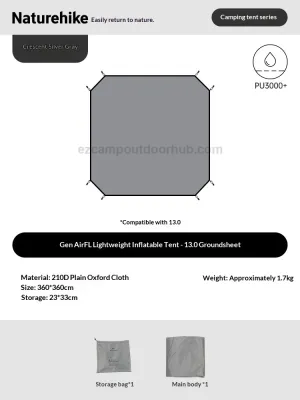
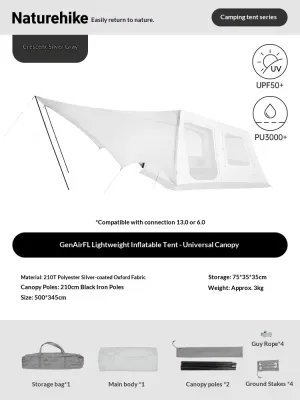
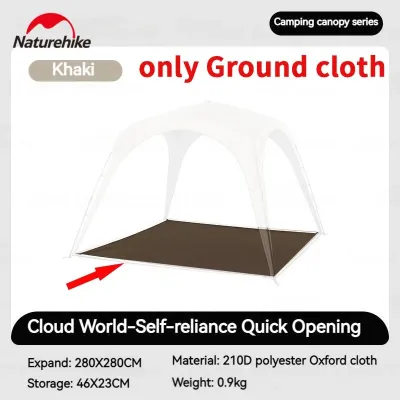
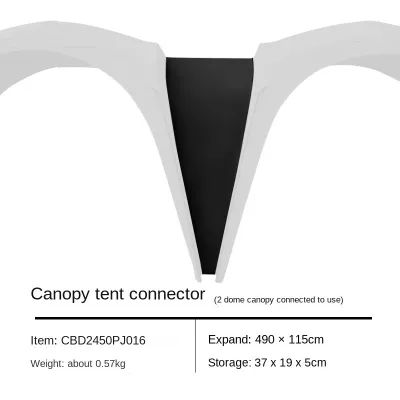
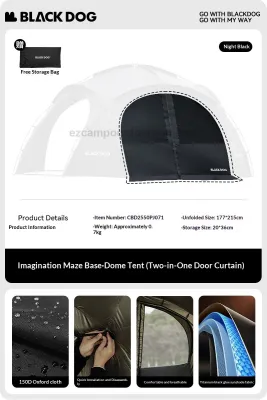
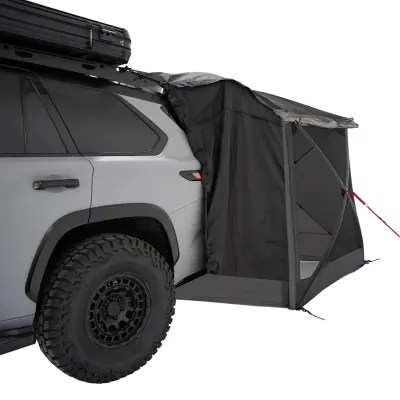
Prices are valid at publication and may change. Please refer to the product page for the latest price.
The Self-Assessment: Is a Modular System Right for You?
To determine if a modular camping tent is the right fit for your gear shed, you need to evaluate your real-world camping habits. This self-assessment focuses on three critical dimensions: your typical group dynamics, your preferred camping style, and your long-term budget.

Evaluating Your Group Size and Dynamics
Your typical camping roster is the most significant factor in deciding whether to go modular. If your group size fluctuates wildly from one trip to the next, a modular system offers a level of utility that standard tents cannot match. For instance, you might camp solo or as a couple during a quick weekend getaway, requiring only the compact central hub. On a long holiday weekend, however, you might host a larger group of friends or extended family, prompting you to attach two or three additional sleeping pods.
Privacy is another key consideration, especially for family camping. Traditional large cabin tents offer spacious communal sleeping areas, but they lack physical separation. If you camp with older children, teenagers, or friends, a modular tent allows you to establish distinct sleeping zones. Parents can enjoy a private pod on one side of the central hub, while children or guests sleep in their own connected modules, maintaining a comfortable balance of proximity and personal space.
Conversely, if your camping group is highly consistent, the benefits of modularity quickly fade. If you almost always camp as a couple or with a fixed group of four, a standard dome or tunnel tent designed for that specific capacity is far more practical. You will avoid the unnecessary complexity of managing multiple modules and enjoy a simpler, more streamlined camping experience.
Analyzing Your Camping Style and Trip Frequency
Your transport method and how you access your campsites will heavily influence whether a modular tent is practical for you. Modular systems are inherently heavy and bulky because they require extra zippers, connection sleeves, robust fabrics, and multiple pole sets to support their expandable structures. If you primarily enjoy car camping in accessible sites—such as established campgrounds in Tanay, Rizal, or beachside spots in Batangas—the weight and packed size of your gear are secondary concerns. You can easily load the modules into your vehicle and unload them directly at your pitch.
However, if your camping style leans toward backpacking, motorcycle camping, or hiking up steep trails like Mt. Pulag, a modular system is highly impractical. Every gram and liter of pack space is vital when you are carrying your shelter on your back or strapping it to a bike. The physical penalty of carrying extra connection hardware and heavy-duty fabrics will quickly outweigh any benefits of a customizable layout.
Additionally, consider your trip frequency and setup patience. Pitching a modular tent requires more time, coordination, and effort than setting up a standard dome tent. If you camp frequently and enjoy the process of customizing your campsite layout, you will likely find the setup rewarding. If you only camp once or twice a year, the learning curve and physical effort required to align and secure multiple modules may turn your weekend getaway into a stressful chore.
Assessing Your Budget and Gear Evolution
A modular camping tent represents a significant financial investment that requires careful long-term planning. The initial cost of a high-quality base hub is often comparable to or higher than that of a premium standard tent. Each additional sleeping pod, specialized vestibule, or connecting tunnel must be purchased separately, with costs easily running into thousands of Pesos (₱). You must decide if you are committed to camping frequently enough to justify this premium upfront cost.
However, a modular system can be highly cost-effective if you view it as a long-term investment that evolves with your lifestyle. If you are a young couple starting your camping journey, you can begin with just the base tent. As your family grows or your friend group expands over the years, you can purchase additional modules as needed, rather than buying an entirely new, larger tent each time. This gradual scaling prevents you from outgrowing your gear.
If you are new to the activity, starting with an expensive modular system carries financial risk. If you find that camping is not a long-term hobby for you, or if your preferences shift toward fast-and-light backpacking, you may find yourself with expensive, heavy gear that is difficult to resell. For beginners, starting with a budget-friendly standard tent is usually the safer financial path.
Practical Considerations for Tropical and Humid Climates
Camping in the Philippines requires gear that can withstand intense tropical sun, high humidity, and sudden, heavy downpours. When evaluating a modular camping tent, you must look closely at how its design interacts with these specific environmental challenges.
Ventilation is your primary defense against the stifling heat and condensation common in tropical climates. When multiple sleeping pods are connected to a central hub, they can block natural cross-breezes and trap warm, humid air inside. To prevent your shelter from turning into a greenhouse, verify that each module features large, high-quality mesh windows and adjustable ground vents. Proper airflow is essential for comfort and for minimizing the condensation that naturally builds up on the inner walls overnight.
Waterproofing is equally critical, especially during the monsoon season. Every connection point, zipper, and sleeve between modules represents a potential entry point for water. Before purchasing, check the manufacturer’s product label for the hydrostatic head rating, which should ideally be at least 1,500mm to 3,000mm for reliable tropical rain protection. Inspect the quality of the seam sealing at all connection joints, and ensure that the rainfly provides comprehensive coverage over the entire connected structure, including the transition zones between pods.
Finally, remember that no tent, regardless of its price or design, can replace proper outdoor safety practices. Always monitor local weather advisories from PAGASA before your trip. Choose a campsite on elevated, well-draining ground away from riverbeds or steep slopes prone to landslides. If severe weather or high winds are forecasted, the safest decision is always to postpone your trip, as sprawling modular structures present a large surface area that can be vulnerable to strong gusts.
When a Standard Tent is the Better Choice
While the idea of a customizable outdoor home is appealing, traditional tent designs remain the superior choice for many campers. A standard dome, tunnel, or lightweight backpacking tent is often the better option if you fall into any of the following categories:
- Strict Weight and Space Limits: If you are trekking through the backcountry, traveling by motorcycle, or have limited storage space at home, a compact standard tent is essential.
- Exposed or Windy Campsites: A single, aerodynamic dome or tunnel tent handles strong winds much better than a sprawling, multi-pod modular structure, which can act like a sail in high winds.
- Tight Budgets: Standard tents offer excellent weather protection and durability at a fraction of the cost of a modular system.
- Rapid Setup Needs: If you want to pitch your shelter in under ten minutes after a long day of travel, a simple two-pole standard dome is unmatched.
Making Your Final Shelter Decision
To finalize your decision, review this quick checklist to see which path aligns with your needs:
- Choose a modular system if: You primarily car-camp, your group size changes frequently, you value distinct privacy zones, and you have a flexible budget to invest in high-quality, expandable gear.
- Choose a standard tent if: You hike or backpack, your camping group is small and consistent, you camp in windy or highly exposed environments, or you want a simple, budget-friendly setup.
If you decide a modular tent fits your lifestyle, research reputable brands, read user reviews on local outdoor forums, and carefully verify the product labels for compatibility between the base hub and add-on modules. Always check the retailer’s return policy to ensure you can test the setup at home before heading into the wild.
Frequently Asked Questions (FAQ)
Can I use a modular tent for backpacking?
Generally, no. Modular camping tents are designed with heavy fabrics, robust zippers, and multiple pole systems to support their expandable structure. This makes them far too heavy and bulky for backpacking. Unless you invest in a highly specialized, ultra-expensive, lightweight modular system, carrying a standard backpacking tent is much more practical for trail use.
Are modular tents difficult to set up?
They do have a steeper learning curve than standard tents. Aligning multiple modules, securing the connection sleeves, and maintaining proper fabric tension across a larger footprint requires patience and practice. It is highly recommended to perform a trial pitch in your backyard or a local park before your first trip to ensure you understand how to seal the joints against rain and wind.
Community discussion
Share your experience or ask a question. Comments are reviewed before publication.