
Using a roller bike inside a condominium is an excellent way to maintain cycling fitness without dealing with heavy traffic, unpredictable weather, or outdoor air pollution. However, the close proximity of neighbors in shared residential buildings makes noise and vibration management a primary concern. While a roller bike can be suitable for condo living, success depends heavily on understanding how sound travels through your unit and taking proactive steps to isolate your equipment. By analyzing the difference between airborne noise and structure-borne vibration, you can configure a setup that keeps your workouts challenging and your living environment peaceful.
Understanding Roller Bike Noise and Vibration Sources
To manage the sound of an indoor workout, you must first distinguish between the two primary types of acoustic energy your roller bike produces: airborne noise and structure-borne vibration. Airborne noise is the sound that travels directly through the air. This includes the whirring of the rollers, the hum of the resistance unit, the spinning of tires, and the mechanical clicking of your drivetrain. For immediate neighbors sharing a wall, airborne noise is usually manageable, as standard concrete partition walls in modern condominiums do a reasonable job of blocking mid-to-high frequency sounds.
Structure-borne vibration poses a much greater challenge in multi-family buildings. As you pedal, the physical movement of your body and the rotation of the bike’s internal components generate low-frequency kinetic energy. This energy travels down through the bike frame, into the support feet, and directly into the building’s floor slab. To a neighbor living directly beneath your unit, this vibration does not sound like a bicycle; instead, it manifests as a continuous, low-frequency hum or rumble, similar to a heavy washing machine on a spin cycle.
Products mentioned in this guide
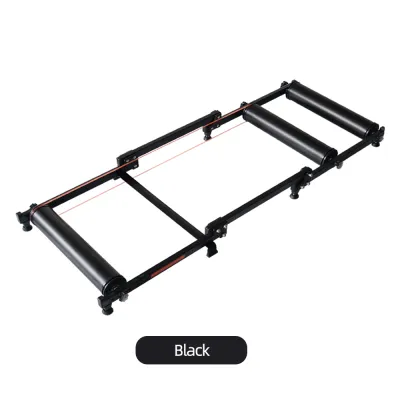
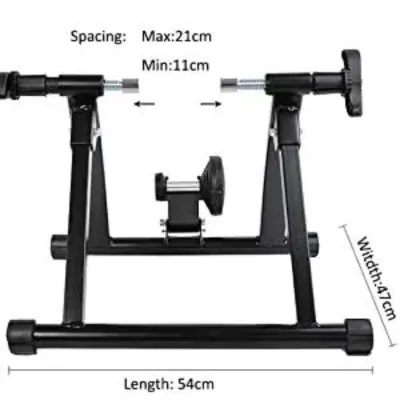
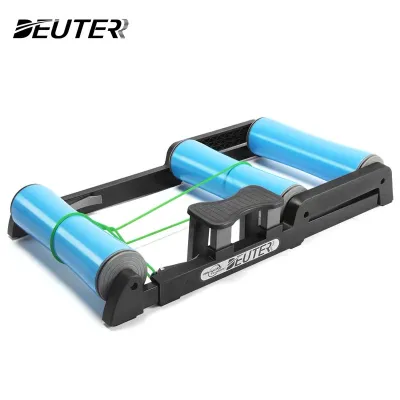
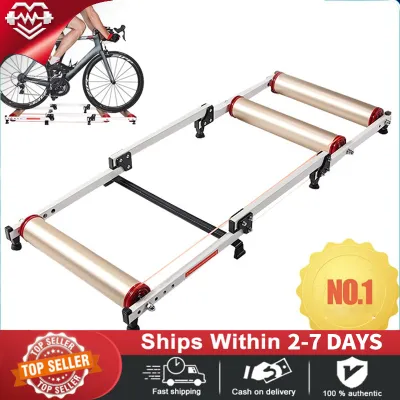
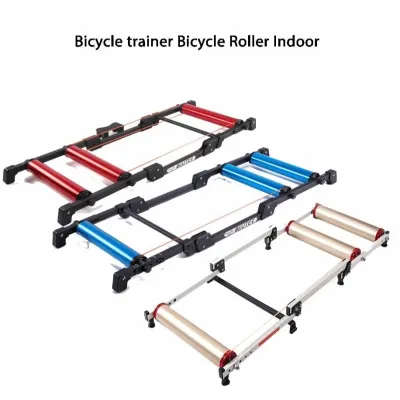
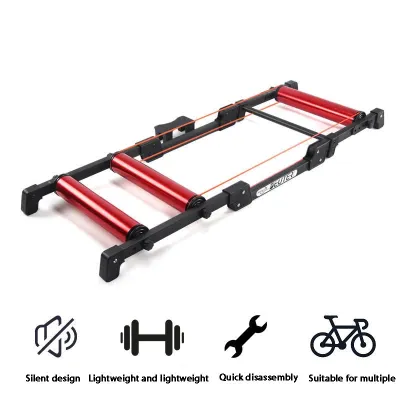
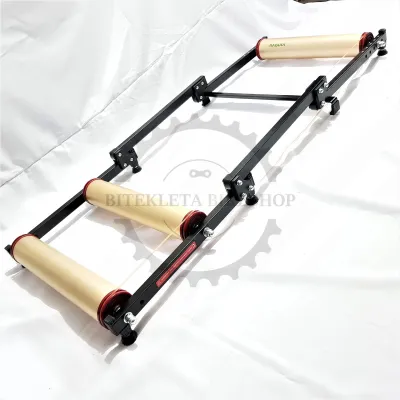
Prices are valid at publication and may change. Please refer to the product page for the latest price.
The type of resistance mechanism your roller bike uses plays a major role in its acoustic profile. Wind or air-resistance trainers use fan blades to generate load, which produces a loud, high-pitched rushing sound that increases with speed. Magnetic and fluid resistance units are generally much quieter because they rely on closed magnetic fields or internal fluid chambers to create drag. However, even the quietest magnetic trainer will produce significant structure-borne vibration if the unit lacks a heavy, stable frame geometry and a balanced flywheel to damp internal resonance.
Assessing Your Condo Environment for Indoor Cycling
Before setting up your indoor training station, evaluate the structural characteristics of your condominium. The construction materials used in your building dictate how sound and vibration travel. Modern high-rise developments in tropical urban areas typically utilize thick concrete floor slabs. While concrete is highly effective at absorbing airborne noise, it is an excellent conductor of low-frequency structure-borne vibrations. Conversely, if your building features engineered wood flooring, laminate, or elevated wooden subfloors, the floor can act like a giant soundboard, amplifying both the physical vibrations and the airborne hum throughout the structure.

Conducting a simple, practical at-home test is the most reliable way to gauge how your workouts will affect others. Set up your roller bike in your intended training space and have a family member, housemate, or cooperative neighbor assist you. Ride the bike at various intensities, starting with a gentle spin, progressing to a moderate tempo, and ending with a high-cadence effort. Have your assistant stand in adjacent rooms, hallway corridors, or the unit below to listen for any audible hums or physical vibrations. This test helps you identify the exact threshold where your training transitions from a quiet hum to a potential disturbance.
Your daily schedule and the layout of your apartment also influence your setup’s suitability. Low-frequency vibrations are far more disruptive during quiet hours, such as early mornings or late at night when ambient city noise fades. If you plan to train during these times, avoid placing your roller bike directly above a neighbor’s bedroom. Instead, position your training area over utility spaces, kitchens, or hallways where minor vibrations are less likely to interfere with anyone’s sleep.
Proven Setup Adjustments to Reduce Noise and Vibration
Minimizing the acoustic footprint of your roller bike does not require buying a brand-new machine; simple adjustments to your physical setup can yield dramatic improvements. The single most effective step you can take is to decouple the trainer from the floor. Standard yoga mats are insufficient because they compress completely under the combined weight of the bike and rider, allowing vibrations to pass straight through. Instead, invest in a high-density equipment mat made of thick rubber or specialized anti-vibration pads designed for heavy gym machinery. These materials absorb the low-frequency kinetic energy before it can penetrate the building’s structure.
Routine mechanical maintenance is another critical factor in keeping your indoor rides quiet. Over time, continuous vibrations can loosen frame bolts, causing minor rattles that quickly escalate into loud squeaks. Regularly inspect and tighten all fasteners on both your bicycle and the roller unit. Keep your bicycle’s chain, cassette, and chainrings clean and properly lubricated. In humid, tropical climates, sweat and moisture can accelerate drivetrain wear and cause dry links, which generate a harsh grinding sound that resonates through the trainer’s frame. Additionally, use the adjustable leveling feet on your roller bike to ensure the unit sits perfectly flat on your floor, preventing any rocking or tapping during your ride.
Finally, consider adjusting your riding style to match your living situation. High-cadence sprints and heavy, out-of-the-saddle climbing efforts place the greatest physical stress on the trainer, resulting in maximum frame movement and vibration. If you must perform high-intensity intervals, schedule them during daytime hours when the building’s ambient noise floor is naturally higher. For early morning or late-night sessions, focus on smooth, seated, steady-state endurance riding, which keeps mechanical noise and floor vibrations to an absolute minimum.
Key Features to Look for in a Condo-Friendly Roller Bike
If you are in the market for a new roller bike, prioritizing specific design features can save you from future neighbor disputes. First, look for units that utilize magnetic or fluid resistance systems rather than open-fan air resistance. These closed systems are engineered to operate smoothly and quietly, making them far more appropriate for shared residential spaces.
Next, pay close attention to the physical build of the trainer. A heavy, wide-set base made of steel or robust aluminum provides the stability needed to prevent wobbling and rocking on slightly uneven tiled or concrete floors. Adjustable leveling feet are essential, as they allow you to fine-tune the contact points and eliminate any gaps between the trainer and your isolation mat. A well-balanced, heavy flywheel is also crucial, as its rotational inertia helps smooth out your pedal strokes, reducing the micro-stutters that generate low-frequency floor vibrations.
Lastly, review the manufacturer’s technical specifications for any declared noise ratings or acoustic test results. While these decibel ratings are recorded under ideal laboratory conditions and may vary depending on your condo’s unique acoustics, they serve as a valuable baseline for comparing the relative quietness of different models. Always cross-reference these specifications with user reviews from other apartment dwellers to verify how the unit performs in real-world residential settings.
Frequently Asked Questions (FAQ)
Can I use a roller bike on an elevated wooden floor without causing damage?
Using a roller bike on elevated wooden, laminate, or engineered wood floors carries a risk of both cosmetic and structural damage. The concentrated dynamic weight of the equipment and rider, combined with continuous high-frequency vibrations, can scratch floor finishes, dent wood surfaces, or loosen floorboards over time. Additionally, wooden subfloors tend to act like a drum, amplifying the sound throughout your home. Before setting up your trainer, check your building’s guidelines or consult your condominium administration regarding floor load limits and noise regulations. To protect your flooring and distribute the weight evenly, always place a wide, thick, high-density rubber equipment mat beneath the entire setup.
Do roller bikes require special maintenance to stay quiet over time?
Yes, regular maintenance is essential to prevent your roller bike from becoming noisier over time. Dust, debris, and sweat—which can be particularly corrosive in warm, humid environments—can accumulate in the rollers, bearings, and resistance units, leading to friction, squeaks, and increased operational noise. To maintain a quiet ride, wipe down the frame and rollers after every session to remove sweat. Periodically clean and lubricate your bicycle’s drivetrain, check that the roller belt tension matches the manufacturer’s specifications, and inspect all frame joints and fasteners to ensure nothing has vibrated loose.
Community discussion
Share your experience or ask a question. Comments are reviewed before publication.