
Quick Answer: Signs a Roof Tent Matches Your Needs
A roof tent is a major investment that transforms how you travel, but it is not a universal upgrade for every camper. You are likely an ideal candidate for a roof-mounted shelter if you camp multiple times a month, frequently change locations during a single trip, and regularly encounter muddy, rocky, or uneven ground where pitching a traditional tent is difficult. Elevating your sleeping quarters keeps you away from ground moisture, crawling insects, and pooling water, which is especially beneficial during sudden tropical downpours.
However, there are clear indicators that a roof tent might not suit your lifestyle. If your vehicle must regularly enter low-clearance parking structures, or if you operate on a strict budget where spending tens of thousands of pesos on camping gear is impractical, a ground tent remains the better choice. Additionally, if you prefer to set up a single basecamp for a week and use your vehicle daily to explore nearby trails, the constant need to pack down your elevated tent will quickly become a frustrating chore.
Assess Your Camping Frequency and Travel Style
To determine if a roof tent is worth the physical and financial commitment, you must honestly evaluate how often you camp and the specific way you travel. Weekend basecampers who drive to a managed campsite, park, and stay in one spot for two or three days generally find that traditional ground tents offer more living space for the cost. In contrast, overlanders and multi-stop road trippers who sleep in a new location every night benefit immensely from the rapid deployment of a roof-mounted system.
Products mentioned in this guide
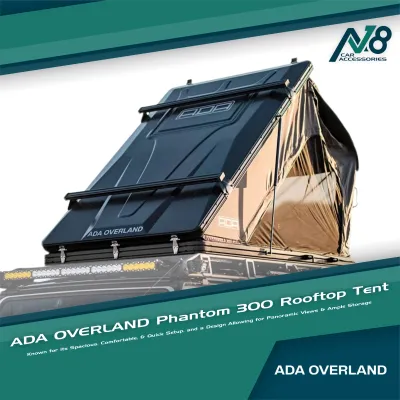
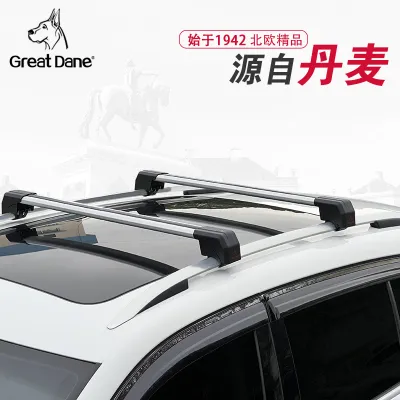
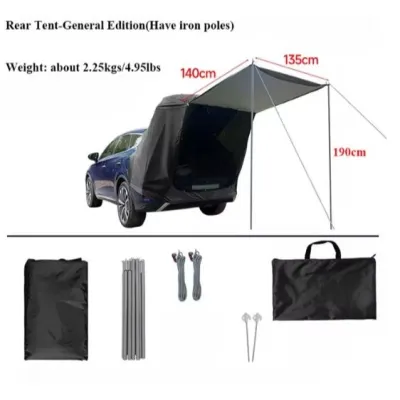
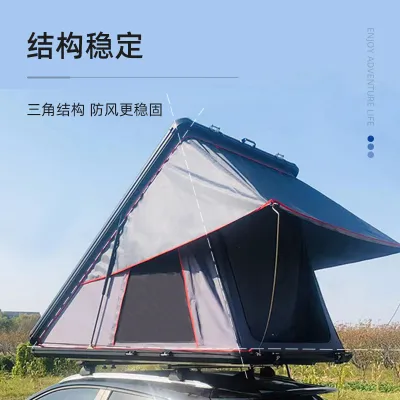
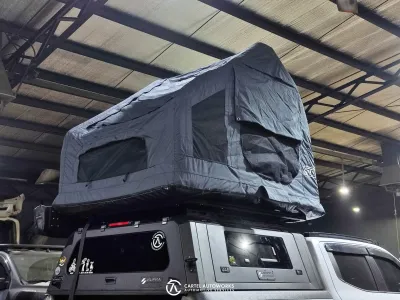
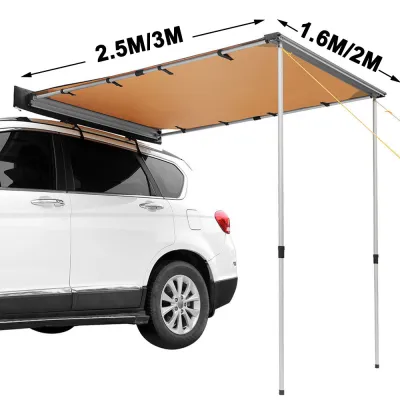
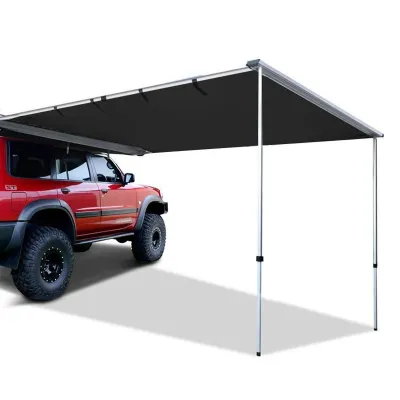
Prices are valid at publication and may change. Please refer to the product page for the latest price.

Your preferred terrain also plays a critical role in this decision. In many tropical destinations, finding a flat, dry, and rock-free patch of ground to pitch a tent can be incredibly challenging. Muddy clearings, sandy beaches, and rocky riverbeds can make ground camping uncomfortable or even hazardous during heavy rain. A roof tent bypasses these ground-level obstacles entirely, allowing you to sleep comfortably as long as your vehicle is parked on relatively level ground.
Another key factor is the daily friction of packing up your campsite. If your travel style involves waking up early, cooking a quick breakfast, and immediately hitting the road to explore the next destination, a roof tent can save you valuable time. Traditional ground tents require you to sweep out dirt, pull up stakes, fold damp fabric, and pack everything back into tight storage bags. Minimizing this daily packing friction can significantly improve the pace and overall enjoyment of a multi-day journey.
Evaluate Your Vehicle's Compatibility and Load Limits
Before purchasing any roof-mounted gear, you must perform critical mechanical and structural checks on your vehicle. Every vehicle has strict weight limits that dictate what can be safely carried on its roof, both while in motion and when parked. You must locate these specifications in your vehicle’s owner’s manual rather than relying on general advice online.
There are two distinct weight ratings you need to understand:
- Dynamic Load Limit: This is the maximum weight your vehicle's roof can safely support while the vehicle is moving. This limit is typically much lower because of the aerodynamic forces and shifting weight distribution experienced during cornering and braking. Your roof tent, along with the mounting racks, must weigh less than this dynamic limit.
- Static Load Limit: This is the weight the roof can support when the vehicle is stationary and parked. This rating is significantly higher to account for the weight of the tent, the ladder, and the occupants sleeping inside.
You must also evaluate your roof rack or crossbar system. Standard factory-installed side rails are rarely strong enough to support a roof tent. You will generally need to invest in heavy-duty aftermarket crossbars or a dedicated platform rack. Always verify the specific weight rating of the rack system itself, as the overall capacity is always limited by the weakest link in the chain—whether that is the vehicle’s roof limit or the rack’s limit.
Finally, consider the physical dimensions of your vehicle once the tent is installed. Adding an extra thirty to fifty centimeters of height can restrict your access to standard parking garages, low-clearance toll booths, and residential carports. If your daily commute involves navigating tight urban spaces or parking in basement garages, you must measure your vehicle’s total clearance carefully before making a purchase.
Weigh the Trade-offs: Roof Tent vs. Ground Tent
Understanding the daily practical realities of both shelter types will help you avoid buyer’s remorse. The setup and teardown routines differ vastly in physical effort. While a roof tent can often be opened in under two minutes using gas struts or simple folding hinges, you must still climb up and down a ladder to secure rainflies, adjust windows, and pack away the cover. This physical climbing can be challenging in wet weather or for campers with limited mobility.
Interior space and comfort are areas where the two designs diverge significantly. Roof tents typically feature built-in high-density foam mattresses, allowing you to leave your sleeping bags and pillows inside the tent when it is folded flat. This saves valuable cargo space inside your vehicle. However, ground tents generally offer much more headroom, separate living areas, and the ability to stand up fully while changing clothes—a luxury that most compact roof tents cannot provide.
Climate control and weather resistance are also vital considerations, particularly in hot and humid environments. When selecting a tent, you must carefully inspect product specifications and material labels for ventilation features. Look for models with large mesh windows, overhead skylights, and durable ripstop fabrics that can withstand heavy tropical downpours. While elevated tents benefit from better airflow and breeze, they are also more exposed to high winds, which can cause the fabric to flap loudly and disrupt your sleep.
Making the Decision: When to Upgrade and When to Wait
An upgrade to a roof tent is highly justified if you have verified that your vehicle can safely support the weight, you camp frequently throughout the year, and you prioritize fast setups on unpredictable terrain. If these conditions are met, the convenience and elevated comfort of a roof-mounted system can significantly enhance your outdoor adventures.
However, there are many scenarios where waiting or choosing an alternative is the more logical path. If you only camp a few times a year, investing a significant amount of money in a roof tent may not be financially practical. Instead, you can dramatically improve your ground camping comfort by upgrading to a high-quality, thick sleeping pad, utilizing a folding camping cot, or investing in an easy-to-pitch instant ground tent. These alternatives provide excellent comfort at a fraction of the cost and weight.
If you are still uncertain about your vehicle’s structural capacity, mounting configurations, or potential warranty implications, do not guess. Always consult directly with your vehicle manufacturer or a professional off-road outfitter. They can help you calculate your exact load capacities and recommend appropriate mounting hardware for your specific vehicle model.
Frequently Asked Questions (FAQ)
Can I try a roof tent before committing to a purchase?
Yes, testing a roof tent before buying is highly recommended to ensure it fits your physical capabilities and camping style. You can look for local outdoor outfitters or specialized vehicle rental companies that offer overland rigs equipped with roof tents for weekend trips. Alternatively, joining local camping communities or attending outdoor expos allows you to interact with experienced owners, test the physical effort required to open and close different models, check ladder stability, and assess the overall comfort of the built-in mattresses.
Does a roof tent affect my vehicle's fuel consumption?
Yes, mounting a heavy, bulky object to your vehicle’s roof will inevitably impact its aerodynamics and fuel efficiency. The added weight and wind resistance will cause your vehicle’s engine to work harder, especially at highway speeds. You should expect a noticeable decrease in fuel economy, which can vary depending on your vehicle type, driving speed, and the profile of the tent. It is wise to monitor your fuel usage during your first few trips and adjust your travel budgets accordingly.
Community discussion
Share your experience or ask a question. Comments are reviewed before publication.