
If you are looking to simplify your daily journey, a folding bike small wheel design might be the ultimate solution. These ultra-compact bicycles are engineered specifically for urban environments where space is limited and flexibility is key. By combining tiny wheels with a folding frame, they offer a unique way to bridge the gap between active riding and public transit. However, they are not a universal solution for every rider, as their compact nature requires clear trade-offs in speed, comfort, and stability.
The Short Answer: Who Benefits Most from a Folding Bike Small Wheel Design?
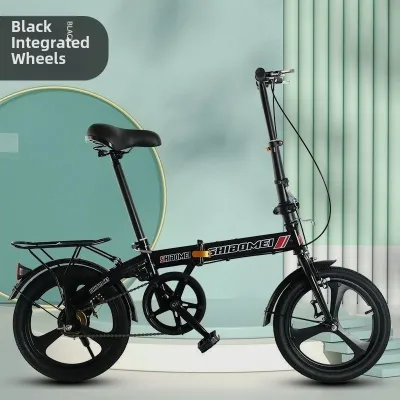
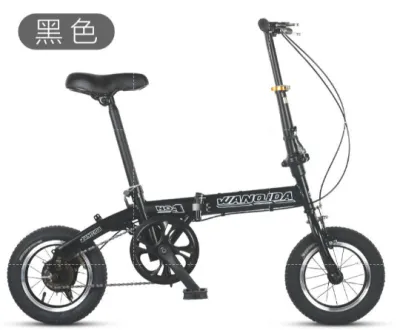
A folding bike small wheel configuration—typically featuring 16-inch wheels—is best suited for multi-modal commuters who travel short to medium distances. If your daily trip involves riding two kilometers to a transit station, folding the bike to carry onto a train, and then riding another two kilometers to your office, this design is unmatched. It solves the last-mile problem efficiently, eliminating the need to wait for local transport or ride-shares.
This bike type is also ideal for those with highly restricted indoor storage. If you live in a compact condominium, a shared apartment, or work in an office without secure outdoor racks, a small-wheel folder can easily tuck under a desk or inside a closet. This keeps your investment safe from theft and harsh weather.
Products mentioned in this guide
Prices are valid at publication and may change. Please refer to the product page for the latest price.
Conversely, you should avoid this design if your commute involves long distances, high-speed open roads, or rough, unpaved terrain. The physical limitations of small wheels make them inefficient for sustained high-speed cruising and uncomfortable on broken asphalt. Ultimately, choosing a small-wheel folder is a conscious decision to trade raw riding performance for maximum portability and urban agility.
Assess Your Daily Route: Distance, Surface, and Traffic
Before purchasing, carefully analyze your daily route. Distance is the most critical factor in determining if a small-wheel bike is practical. For commutes under 5 kilometers, these bikes are exceptionally efficient. Between 5 and 10 kilometers, they remain highly viable, though you will begin to feel the extra physical effort required to maintain speed. Once a single-way commute exceeds 10 kilometers, the mechanical efficiency of larger wheels becomes necessary to prevent rider fatigue.

The physical size of a 16-inch wheel also changes how the bike interacts with the road. While a standard 26-inch wheel easily rolls over small cracks and minor potholes, a small wheel has a much steeper angle of attack. A pothole that a standard bike would glide over can cause a small wheel to stop abruptly, potentially throwing you off balance. You must actively scan the road several meters ahead to steer around hazards.
Tropical urban environments present unique challenges, particularly during sudden downpours. Small-wheel bikes sit lower to the ground, meaning the drivetrain and your feet are closer to wet roads. When assessing your route, look for areas prone to standing water. If your path frequently floods, a small-wheel bike’s low bottom bracket and rear derailleur may become submerged, leading to accelerated rust and bearing damage.
Smooth Pavement vs. Uneven Urban Streets
On smooth, well-maintained pavement or dedicated bike lanes, a small-wheel folding bike is incredibly agile. The low rotational weight of the wheels allows for rapid acceleration from a complete stop, making it easy to navigate tight, slow-moving traffic. You can quickly steer around obstacles and make sharp turns that would feel clumsy on a larger bicycle.
However, this responsiveness means the steering is inherently sensitive, or “twitchy.” Because the front wheel axle is close to the steering column, minimal handlebar movement results in a sharp turn. On uneven urban streets, broken asphalt, or loose gravel, this sensitive steering requires a firm, dual-handed grip to maintain control. Map your route beforehand to identify sections with severe road damage, as these will require slower riding speeds.
Check Your Storage Space and Transit Integration
One of the most common mistakes is assuming any small-wheel bike will automatically fit into your designated storage spot. While the wheels are small, the overall folded envelope depends on the frame design, handlebar folding direction, and pedal type. Before purchasing, measure the exact dimensions of your target storage areas—such as under your office desk, inside a closet, or on a compact balcony. Compare these measurements against the manufacturer’s folded specifications, allowing for an extra two inches of clearance for protruding levers or clamps.
Integrating your bike with public transit requires a seamless, rapid folding process. If you plan to carry your bike onto trains during peak hours, you must comply with local transit authority guidelines regarding maximum allowable dimensions for folded packages. A crowded train car leaves no room for struggling with a complicated latch. Look for bikes featuring intuitive hinges that allow you to fold the frame in under 20 seconds, keeping the greasy chain tucked inward to prevent staining your clothes or other passengers.
Portability is also highly dependent on weight. Most entry-level steel folding bikes weigh upwards of 13 kilograms, while mid-range aluminum models typically range between 11 and 12 kilograms. Think about your daily commute: do you need to carry the bike up stairs, over pedestrian footbridges, or through transit turnstiles? If so, verify that you can comfortably lift this weight with one hand. Broad price bands reflect this weight difference; entry-level models in the Philippines typically range from ₱10,000 to ₱20,000, while premium, ultra-lightweight options can exceed ₱50,000.
Evaluate Ride Comfort, Speed, and Ergonomics
A common misconception is that small wheels require you to pedal twice as fast to maintain normal speeds. While smaller wheels cover less distance per revolution, manufacturers compensate for this by using specialized gearing, such as a massive front chainring (often 52 teeth or larger) paired with a small rear sprocket. However, maintaining a cruising speed of 20 to 25 kilometers per hour still requires a steady, disciplined pedaling cadence. If you enjoy fast, effortless cruising, a small-wheel folder will feel mechanically limited.
Ride comfort is another major trade-off. Large bicycle tires act as natural shock absorbers, smoothing out road vibrations. Small wheels lack this natural dampening effect due to their lower air volume and shorter, stiffer spokes. Consequently, you will feel a significant amount of road vibration. To improve comfort, look for models that accommodate wider tires (such as 1.75 inches) which can be run at slightly lower pressures, or consider investing in a suspension seatpost and ergonomic handlebar grips.
Folding bikes use highly adjustable, telescoping seatposts and handlebar stems to accommodate different rider heights. However, when these components are extended near their maximum limit, the long metal tubes are subject to increased leverage. Taller or heavier riders may experience noticeable “frame flex” when pedaling hard, which can affect handling. Always verify the manufacturer’s maximum weight capacity—typically ranging from 100 to 110 kilograms—and ensure the geometry allows you to achieve a safe, comfortable riding position.
When to Choose a Different Bike Type Instead
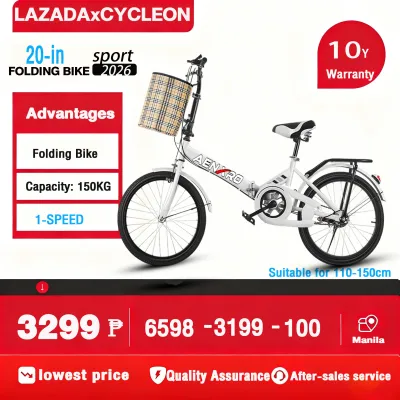
If you love the concept of a folding bike but are hesitant about the handling and comfort trade-offs of 16-inch wheels, a 20-inch folding bike is the most logical middle ground. While slightly larger when folded, 20-inch wheels offer a vastly superior riding experience. They roll over road imperfections with much greater ease, provide a more stable steering feel, and allow for standard gearing components that are easier to replace and maintain.
If your workplace or apartment building provides secure, covered bicycle parking and your commute does not involve public transit, a traditional, non-folding city bike is often a superior choice. Traditional frames offer unmatched structural rigidity, a highly comfortable riding position, and superior durability. Without the hinges and latches of a folding frame, traditional bikes require significantly less maintenance and offer better long-term reliability.
For those facing hilly routes, strong headwinds, or commutes exceeding 12 kilometers, a folding electric bike (e-bike) is an excellent alternative. The integrated motor provides a helpful boost, allowing you to maintain speed and climb inclines without arriving at work completely exhausted and sweaty. While folding e-bikes are heavier and more expensive, they expand the practical range of a compact folding bike immensely.
Frequently Asked Questions (FAQ)
Are small-wheel folding bikes safe in heavy rain and flooded streets?
Small-wheel folding bikes can be ridden in the rain, but they require extra caution. Their low ground clearance means that critical mechanical components, such as the bottom bracket, chain, and rear derailleur, sit close to the wet road surface. Avoid riding through standing water or flooded streets that rise near the height of the bottom bracket, as water can wash away bearing grease and cause rapid rust. Additionally, ensure your bike is equipped with disc brakes rather than rim brakes, as disc brakes maintain reliable stopping power when wet.
Do I need special accessories for a small-wheel commuter bike?
Yes, several specialized accessories are highly recommended for daily commuting. High-quality, full-coverage fenders are essential to block the aggressive water spray kicked up by fast-spinning small wheels. Because of the bike’s low profile, you sit lower in the line of sight of motorists, making bright, active front and rear LED lights critical for safety. Finally, check the frame’s mounting points carefully, as many folding bikes cannot accept standard rear racks, requiring specialized front luggage blocks or proprietary racks.
Community discussion
Share your experience or ask a question. Comments are reviewed before publication.