
A stair stepper can be a highly effective cardio tool for a small condo home gym, but its suitability depends entirely on your specific spatial constraints, noise tolerance, joint health, and fitness objectives. Before investing in one, you must evaluate whether its vertical stepping motion and physical footprint align with your living environment and workout needs compared to other compact alternatives. While a stepper offers an intense lower-body workout, bringing one into a multi-story residential building requires careful planning to ensure it does not disrupt your living space or your neighbors.
Assessing Your Condo Space and Layout Constraints
To determine if a stepper fits your condo, start by measuring your designated workout area. While compact steppers occupy very little floor space compared to treadmills, you must account for operational clearance. Ensure there is at least half a meter of open space around the machine to allow for safe mounting, dismounting, and natural body sway. If you choose a model with handlebars or lateral resistance bands, factor in the extra width needed to prevent your hands or elbows from striking nearby walls or furniture.
Vertical clearance is the most critical and frequently overlooked measurement in condo gym planning. Unlike horizontal cardio equipment, a stepper elevates your entire body with every stride. To calculate your required ceiling height, add the maximum pedal height of the machine at its peak extension to your own height, then add a safety buffer of at least thirty centimeters. This buffer prevents your head from coming dangerously close to low-hanging ceiling fans, light fixtures, or concrete beams common in modern residential developments.
Products mentioned in this guide
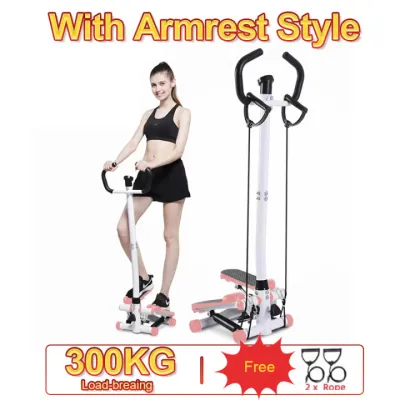
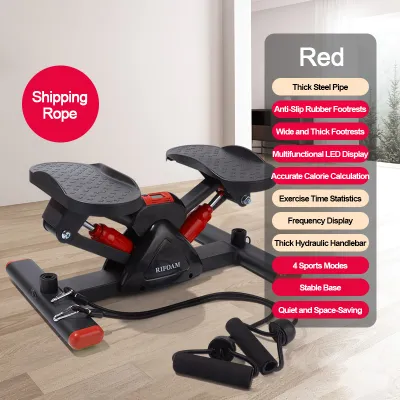
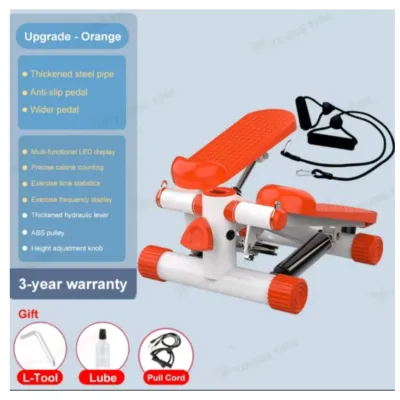
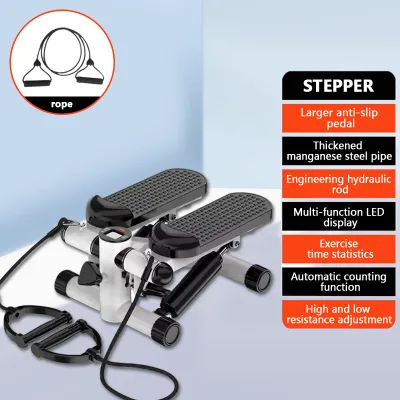
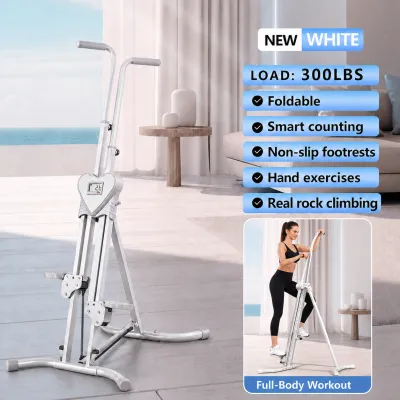
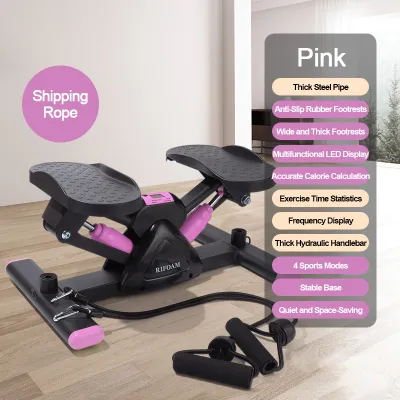
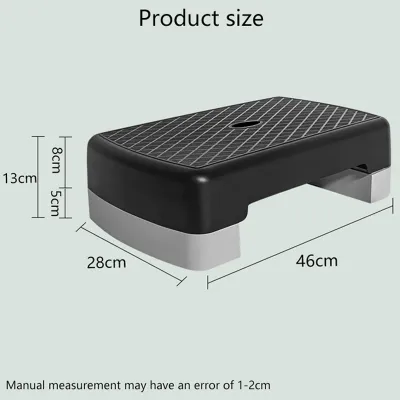
Prices are valid at publication and may change. Please refer to the product page for the latest price.
Additionally, consider the structural and storage aspects of your unit. While lightweight hydraulic mini steppers are easily moved, larger commercial-style stepmills are heavy and exert significant dynamic force when in use. Check your building’s floor load-bearing guidelines if you plan to install a heavy-duty machine, especially in loft-style layouts. For daily convenience, evaluate whether the machine features transport wheels, a folding frame, or a design that allows it to be stored vertically in a utility closet or under a bed when your workout is complete.
Evaluating Your Fitness Goals and Joint Health
The biomechanics of a stepper differ fundamentally from other cardio options, making it essential to align the machine with your physical capabilities. Stepping is a vertical climbing movement that places a high demand on your cardiovascular system while heavily targeting the glutes, hamstrings, quadriceps, and calves. This makes it highly efficient for building lower-body muscular endurance and burning calories in a short period. However, if your primary goal is low-intensity, steady-state recovery or training for a flat-surface road race, a compact walking pad or an indoor cycle may be a more appropriate choice.

Your joint health must be a primary factor in this decision. Although stepping is generally considered a low-impact exercise because your feet do not leave the pedals, the repetitive, deep knee flexion can place stress on your joints. If you have a history of knee pain, patellar tendonitis, or lower back issues, the continuous climbing motion may aggravate these conditions. It is wise to consult a medical professional or physical therapist before committing to a stepper, and to verify if your joints can tolerate the specific range of motion without discomfort.
To maximize the utility of your home gym, consider whether you need a full-body workout or a targeted lower-body session. Basic steppers focus almost exclusively on the legs and core. If you want upper-body engagement, look for models equipped with integrated resistance bands or moving handlebars that mimic an elliptical trainer. These features allow you to pump your arms and engage your upper back and shoulders, distributing the physical effort across your entire body and helping to elevate your heart rate more rapidly.
Managing Noise, Vibration, and Neighbor Impact
Living in a shared condo building means your workout choices directly affect those around you. The noise profile of a stepper depends heavily on its resistance mechanism. Hydraulic cylinder systems are common in compact models; they operate quietly at first but can develop a soft hissing sound or metallic squeaks as the fluid heats up during a session. Magnetic or motorized resistance systems offer a smoother, virtually silent operation, but they typically require a larger frame and a higher initial investment.
Even if the machine’s mechanical parts are quiet, the physical impact of your feet hitting the pedals can transmit low-frequency vibrations through the floor. In buildings with thin concrete floor slabs, this rhythmic thumping can easily travel into the apartment below. To maintain good neighbor relations, you must implement vibration-dampening strategies. Placing a high-density, heavy-duty rubber equipment mat beneath the stepper is highly effective at absorbing these structural vibrations and protecting your flooring from scuffs.
Proactive maintenance is also essential to keep your workouts quiet and safe, particularly in warm, humid tropical climates. High humidity can accelerate the breakdown of lubricants and cause metal joints to squeak. Regularly inspect your stepper for any signs of hydraulic fluid leaks, tighten loose bolts, and apply a manufacturer-approved silicone lubricant to the pivot points. Additionally, plan your workouts during reasonable daytime or early evening hours to ensure your fitness routine does not disrupt your neighbors’ sleep.
Comparing the Stepper Against Compact Alternatives
When space is at a premium, every square meter of your condo must be utilized efficiently. A compact stepper or mini stepper has one of the smallest active footprints of any cardio machine, often requiring less than half the floor space of a folding treadmill or a rowing machine. While a treadmill must be unfolded and positioned with ample rear clearance, a mini stepper can be placed in a corner and used immediately. However, treadmills and rowing machines offer a wider variety of movement patterns and are often preferred for long-duration endurance training.
In terms of versatility, a stepper bridges the gap between aerobic conditioning and lower-body strength training. While an exercise bike provides an excellent cardiovascular workout, it does not challenge your glutes and calves with the same resistance as a vertical climber. On the other hand, a stepper can feel highly repetitive over time. If you easily become bored during workouts, the linear motion of a stepper might lead to low engagement, turning your investment into an expensive clothes rack. Consider whether you need a machine with a tablet holder or app integration to keep you motivated.
Long-term ownership costs and maintenance should also influence your budget. Entry-level hydraulic steppers are highly affordable, often priced at a few thousand ₱, but their cylinders have a limited lifespan under heavy daily use. Higher-end magnetic steppers represent a larger upfront cost but generally require fewer part replacements and offer better durability. Factor in the potential cost of replacement parts, shipping, and local technician availability when deciding how much to invest in your home gym setup.
Making the Final Decision: Buy, Adjust, or Skip?
To make the final call, synthesize your spatial, physical, and environmental assessments into a clear decision path. You should proceed with buying a stepper if your condo has sufficient ceiling clearance, your joints are healthy and pain-free, you want a high-intensity lower-body workout, and you can effectively manage noise with a high-density mat. This combination ensures the equipment will be a safe, effective, and frequently used addition to your fitness routine.
Conversely, you should adjust your plans or skip the stepper if you have low ceilings, suffer from chronic knee or lower back pain, or live in a building with strict noise rules and highly sensitive neighbors. In these scenarios, a compact magnetic exercise bike or a slim, under-desk walking pad paired with thick acoustic tiles will provide a much safer and quieter alternative. Before making any purchase, visit a local fitness showroom or commercial gym to test different stepper models, allowing you to verify the stepping feel, resistance levels, and joint comfort in person.
Frequently Asked Questions (FAQ)
Can I use a stepper on a carpeted condo floor?
Yes, but you should always place a high-density equipment mat underneath the machine. Carpeted floors can compromise the stability of a compact stepper, causing it to wobble or tilt during intense workouts, which increases the risk of injury. Furthermore, carpet fibers can restrict airflow around hydraulic cylinders, causing them to overheat and wear out prematurely. A solid mat also protects your carpet from potential hydraulic fluid leaks and sweat stains.
How much ceiling clearance do I need for a stepper?
To determine your required ceiling clearance, add the maximum height of the stepper’s pedals at their highest point to your own height. You must then add a safety buffer of at least 25 to 30 centimeters to account for natural head movement and arm reach during exercise. Ensure the total sum is less than your condo’s ceiling height to prevent painful head strikes against concrete beams, light fixtures, or ceiling fans.
Community discussion
Share your experience or ask a question. Comments are reviewed before publication.