
Adding a swim parachute to your training gear can feel like a major step toward elite athletic performance. This simple tool—consisting of a small nylon canopy attached to a waist belt by a long strap—is designed to catch water behind you, creating constant drag as you move. However, because it significantly increases the physical load on your muscles and joints, it is not a universal accessory for every swimmer.
Before purchasing a swim parachute, you must evaluate whether your current technique, physical strength, and training environment are suited for this type of resistance work. For the right swimmer, it is an excellent tool for building explosive power and improving stroke rate. For others, introducing heavy drag too early can lead to severe technique breakdown, shoulder injuries, and frustrating sessions in the pool. This self-assessment will help you decide if you are ready to add a swim parachute to your gear bag.
Quick Diagnosis: Who Actually Needs a Swim Parachute?
A swim parachute is a highly specialized resistance tool designed for specific athletic adaptations, rather than a general fitness accessory. To determine if you can benefit from one, you must honestly assess your current swimming level and athletic goals.
Products mentioned in this guide
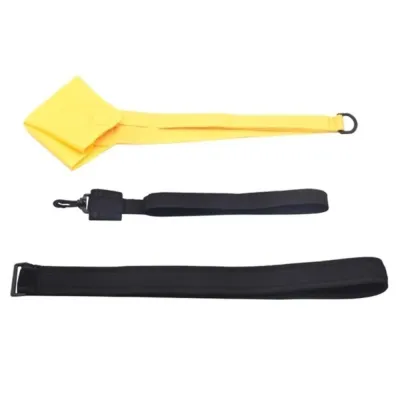
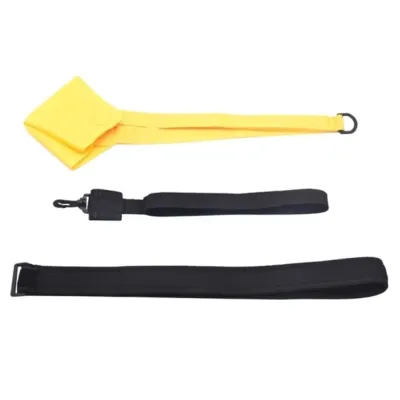
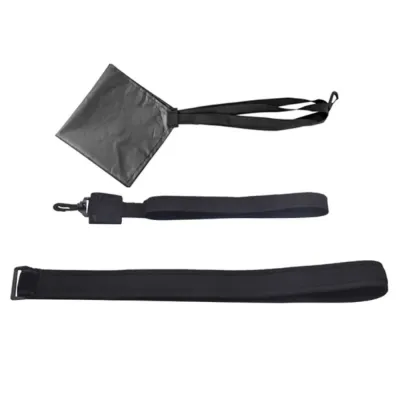
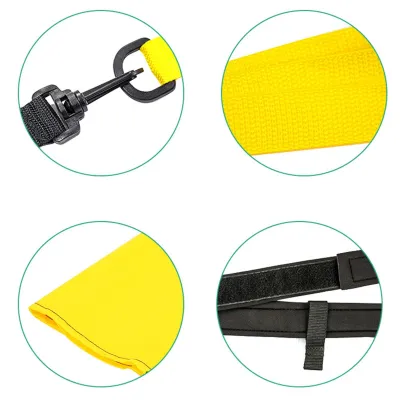
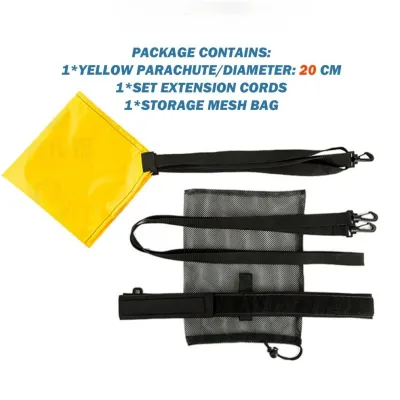
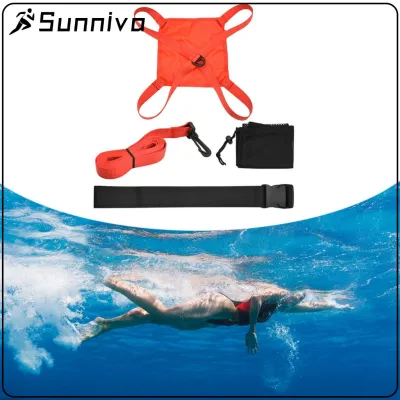
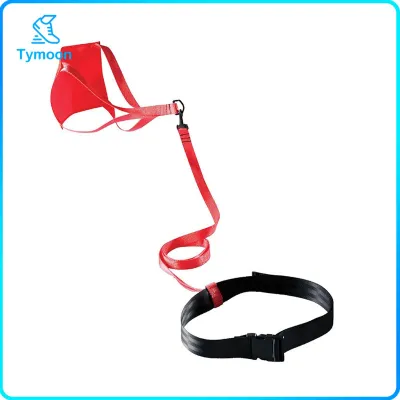
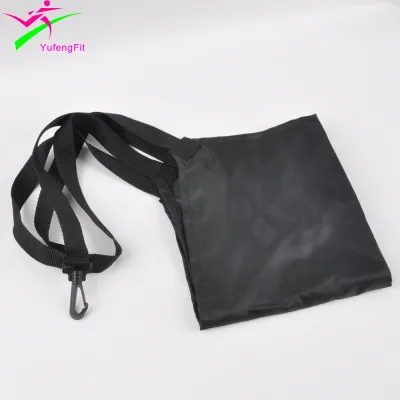
Prices are valid at publication and may change. Please refer to the product page for the latest price.
The Ideal Candidate Intermediate to advanced swimmers who have already established clean, repeatable stroke mechanics are the primary beneficiaries of drag training. If you are a competitive pool swimmer focusing on short-distance sprints, a triathlete preparing for the high-intensity surges of open-water racing, or an experienced fitness swimmer who has hit a performance plateau, a swim parachute can help you build the specific muscular power needed to break through. You should already be capable of swimming continuous, long-distance sets with stable body alignment before introducing external resistance.
Who Should Avoid It Beginners who are still mastering basic buoyancy, breathing patterns, and fundamental stroke mechanics should steer clear of drag equipment. If you struggle to keep your hips high in the water or find yourself fatigued after just a few laps, adding a parachute will only worsen these issues. Additionally, anyone recovering from a shoulder injury—such as rotator cuff strains or impingement syndrome—must avoid swim parachutes, as the added resistance places immense stress on the shoulder joints. This tool is built to amplify power, not to correct foundational technique flaws.
What a Swim Parachute Actually Does to Your Stroke
To understand if you need a swim parachute, it helps to understand the physics of drag-based resistance. Unlike elastic resistance bands that pull you backward with increasing tension as they stretch, a swim parachute provides constant, velocity-dependent drag. The faster you attempt to swim, the more water the canopy catches, and the harder you must work to maintain your momentum.

This drag forces your major swimming muscles—including your latissimus dorsi, pectorals, deltoids, and core—to recruit more muscle fibers to complete each stroke. Over time, this targeted overload builds explosive pulling power and increases your overall sprint speed.
Beyond pure strength, a swim parachute is highly effective for improving your “feel for the water,” also known as proprioception. When you pull against the heavy drag of the parachute, you become hyper-aware of any slip in your hand position or entry angle. Once you remove the parachute, your nervous system experiences a temporary contrast effect. You will feel incredibly light and fast, allowing you to maintain a higher stroke rate with significantly less perceived effort.
However, the parachute has clear limitations. It is not designed to improve your joint flexibility, nor is it an efficient tool for building long-distance aerobic endurance. Because the muscular load is so high, using a parachute for extended, slow distances will likely cause your muscles to fatigue long before your cardiovascular system is fully challenged, leading to a rapid decline in stroke quality.
Skill Level Check: Is Your Technique Ready for Resistance?
Before clipping a resistance belt around your waist, you must perform a technique self-assessment. Adding external drag to a flawed stroke is a recipe for injury and bad habit reinforcement.
Signs You Should Master Basics First
If you experience any of the following technical challenges during your regular swim sessions, you should focus on mastering the basics before introducing a swim parachute:
- Sinking Hips and Legs: If your lower body naturally drags deep in the water, adding a parachute will pull your hips even lower. This increases frontal drag exponentially, ruins your streamline, and forces you to arch your lower back to keep your head up, leading to lumbar strain.
- Inefficient Breathing: If you must lift your head high out of the water to breathe instead of keeping one goggle in the water and rotating your body, your forward momentum will stall. A parachute will amplify this stall, causing you to sink and lose all rhythm.
- Centerline Crossing: If your hands cross over the center line of your body during the entry phase of your stroke, adding heavy resistance will place lateral torque on your shoulder joints. Under load, this movement pattern can quickly lead to painful subacromial impingement.
Signs You Are Ready to Add Resistance
Conversely, you can feel confident introducing a swim parachute into your routine if you display these indicators of physical readiness:
- Stable Horizontal Alignment: Your hips, thighs, and heels naturally ride high near the surface of the water throughout your entire workout, even when you begin to tire.
- Consistent Stroke Count: You can swim multiple consecutive lengths of the pool while maintaining a stable, predictable number of strokes per lap.
- Established Catch-and-Pull Mechanics: You consistently execute a clean "early vertical forearm" catch, grabbing the water with your forearm perpendicular to the pool floor rather than letting your elbow drop.
- Core Engagement: You can maintain a tight, rigid torso that prevents your hips from swaying from side to side during high-effort swimming.
Training Goals: When to Use a Parachute vs. Other Gear
Not all swimming goals require a swim parachute. Depending on what you want to achieve in the water, other training tools might offer a safer and more effective path to improvement.
Goals That Match Parachute Training
A swim parachute is the ideal tool if your training goals align with high-intensity power development:
- Developing Sprint Power: If you want to improve your explosive speed for the first 15 to 25 meters of a race, short, high-effort parachute blasts are highly effective.
- Simulating Open-Water Challenges: For triathletes training in calm pools, a small parachute can simulate the heavy, dragging feel of swimming against ocean currents or navigating choppy lake water.
- Overcoming Speed Plateaus: If your times have stagnated, incorporating resistance-and-release sets (swimming a lap with the parachute, removing it quickly, and immediately swimming a lap without it) can shock your neuromuscular system into firing faster.
Goals Better Served by Other Gear
If your primary focus is different, consider these alternative tools instead:
- Correcting Low Hips: If your main struggle is lower-body buoyancy, a pull buoy is far more appropriate. Placing a foam buoy between your thighs keeps your hips high, allowing you to focus entirely on upper-body alignment without the added stress of drag.
- Building Leg Endurance: If your kick is your weak point, stick to a standard kickboard or short-blade training fins to isolate and strengthen your quadriceps, calves, and ankles.
- Isolating Hand Entry and Catch: If you want to build upper-body strength while receiving direct feedback on your hand placement, hand paddles are a better choice. They increase the surface area of your hand, making any entry errors immediately noticeable without dragging your entire body down.
Practical Considerations for Local Pools and Open Water
Beyond your physical readiness, you must consider the practical environment where you plan to train. Swimming conditions in the Philippines present unique factors that can affect how and where you use a swim parachute.
Pool Length and Layout To use a swim parachute effectively, you need space. Standard 25-meter (short course) or 50-meter (long course) pools—such as those found in sports complexes, university campuses, or athletic clubs—are ideal. The parachute requires several meters of forward movement to fully deploy, open, and stabilize behind you. If you primarily train in a 10-meter to 15-meter backyard or condominium pool, a parachute is highly impractical. By the time the canopy opens and provides resistance, you will already be approaching the opposite wall.
Pool Etiquette and Rules Public pools and private subdivision lanes in major Philippine cities can get highly crowded, especially during early morning or weekend lap hours. A swim parachute floats on a long nylon strap about 1.5 to 2 meters behind your feet. In a shared lane, this trailing canopy poses a severe risk of tangling with other swimmers or catching on lane lines. Always check with pool management, coaches, or lifeguards before using drag equipment. If allowed, limit your parachute sets to low-density hours or secure a dedicated lane where you will not disrupt others.
Open-Water Safety Limits While triathletes often train in open-water destinations like Batangas, Subic Bay, or Cebu, using a swim parachute in open water is highly discouraged. Sudden changes in currents, tidal pulls, or marine life interactions can turn a trailing parachute into a dangerous safety hazard. If you experience sudden fatigue or cramping far from the shore, a deployed parachute can act as an anchor, pulling you under or making it difficult to float on your back. Keep your parachute training strictly confined to the controlled environment of a swimming pool.
Equipment Maintenance in Tropical Climates Because of the high humidity and intense sun exposure in the Philippines, swim gear degrades quickly. Chlorine, salt water, and UV rays can weaken the nylon canopy and the stitching of your parachute. After every use, thoroughly rinse your parachute with fresh, clean water to remove chlorine or salt. Hang it to dry in a shaded, well-ventilated area rather than leaving it crumpled in a damp gear bag, which can lead to mold growth and material rot.
Frequently Asked Questions (FAQ)
Can I use a swim parachute for breaststroke or butterfly?
While you can technically use a swim parachute for breaststroke and butterfly, doing so requires extreme caution and advanced core strength. Both of these strokes rely on a highly undulating, wave-like body motion. Because your forward velocity naturally surges and drops during different phases of these strokes, the parachute will repeatedly collapse and snap open. This creates a jerky, inconsistent resistance pattern that can place severe, sudden loads on your lower back during butterfly and put unnatural twist and strain on your knees during the breaststroke kick. For safety and consistency, it is highly recommended to limit your swim parachute training to freestyle (front crawl) and backstroke.
What size swim parachute should I buy?
Choosing the right size depends on your current strength, body weight, and training objectives. Most manufacturers offer canopies ranging from small (around 8 inches or 20 centimeters in diameter) to large (12 inches or 30 centimeters or more).
Smaller canopies provide lighter resistance, making them ideal for junior swimmers, triathletes focusing on longer endurance sets, or anyone introducing drag training for the first time. Larger canopies generate heavy resistance, which is best suited for heavyweight sprinters or short, explosive power sets of 15 to 25 meters.
Always consult the specific manufacturer’s sizing charts before purchasing. It is highly recommended to start with a smaller size to ensure your stroke mechanics remain intact; if you find your hips sinking or your stroke rate dropping dramatically, the canopy is too large. In the Philippines, high-quality, durable swim parachutes generally range in price from ₱800 to ₱2,500 depending on the brand and canopy size.
Community discussion
Share your experience or ask a question. Comments are reviewed before publication.