
A tennis ball pressurizer is a highly practical tool for recreational players who hit two to three times a week and want to extend the life of their gear, but it is rarely a necessity for casual weekend players or high-volume academy players. Your decision to buy one should hinge on how quickly you currently discard balls, your sensitivity to bounce consistency, and whether you can tolerate slight variations in playability. By understanding how these devices work and evaluating your personal court habits, you can easily determine if this accessory deserves a permanent spot in your tennis bag.
Why Tennis Balls Lose Bounce and How It Affects Your Game
Tennis balls are manufactured with internal pressure that exceeds the surrounding atmospheric pressure, which gives them their signature lively bounce. However, the rubber core of a tennis ball is naturally porous. Over time, and accelerated by the high-velocity impacts of racket strings, the compressed air inside slowly leaks out through the rubber shell. In tropical climates like the Philippines, where high humidity and intense court heat can accelerate material expansion, this depressurization process often feels even more rapid once a can is unsealed.
You can easily spot a depressurized ball by its behavior on the court. It will exhibit a noticeably lower bounce height, requiring you to bend lower and adjust your swing timing constantly. When struck, a dead ball produces a hollow, dull thud rather than a crisp, satisfying pop. Furthermore, flat balls absorb less impact energy upon contact, transferring more shock up your racket frame and into your arm, which can contribute to joint fatigue or tennis elbow over long sessions.
Products mentioned in this guide
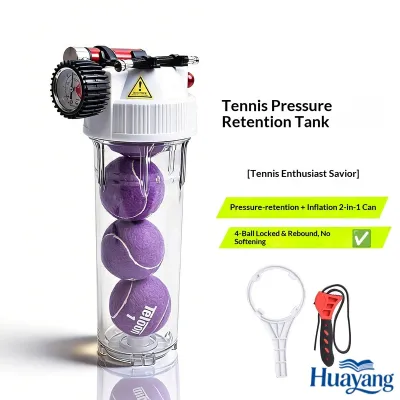
![[LA1R]Tennis Ball Pressure Maintain Repair Container for Beach Tennis Ball Shape Restore Bounce Ball Protect Pressurizer Saver](https://img.lazcdn.com/g/p/3b704cfd63f0f9b404e5f2764c62f589.jpg_400x400q80.jpg_.webp)
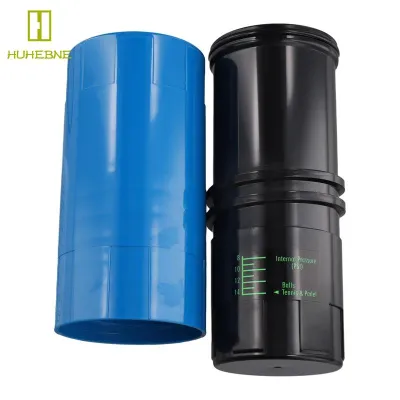
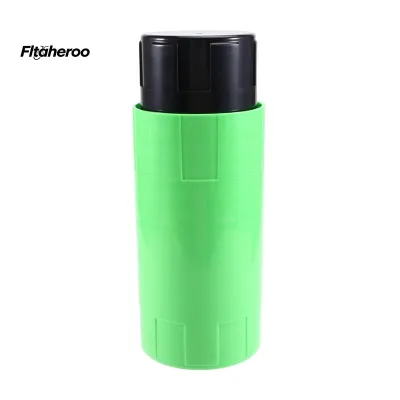
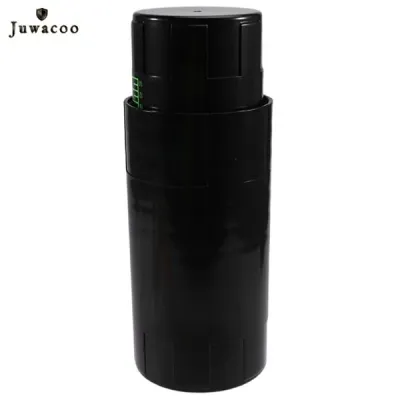
Prices are valid at publication and may change. Please refer to the product page for the latest price.
It is also important to distinguish between pressurized and pressureless balls. Pressurized balls rely on internal gas for their bounce and offer a lighter, more responsive feel preferred for competitive matches. Pressureless balls, on the other hand, derive their bounce entirely from the thickness and elasticity of their rubber shell. While pressureless balls do not lose bounce over time, they feel significantly heavier and harder on impact, making them less ideal for players sensitive to arm strain.
Self-Assessment: Does Your Playing Routine Require a Pressurizer?
To determine if a pressurizer fits your routine, start by tracking your weekly court time and ball consumption. If you play once a week and open a fresh can every time, a pressurizer can help save those balls in near-perfect condition for your next session. However, if you play four or five times a week and go through multiple cans, a single pressurizer tube—which typically holds only three to four balls—cannot keep up with your rotation unless you purchase multiple units.

Your skill level and sensitivity to ball performance also play a major role. Beginners and casual recreational players often focus on making clean contact and maintaining basic rallies. For these players, a slight drop in ball pressure is barely noticeable and rarely affects the enjoyment of the game. Conversely, intermediate and advanced players rely heavily on precise spin, depth control, and consistent bounce heights to execute their strokes, meaning even a minor loss in pressure can disrupt their practice.
Finally, consider your training context. If your court time consists mostly of competitive match play or intense baseline drilling, you need balls that perform exactly like those used in tournament settings. A pressurizer helps maintain that standard over multiple sessions. However, if you are using a large basket of balls for serving practice, target hitting, or feeding simple drills to a partner, the absolute precision of the bounce is less critical, making a pressurizer a luxury rather than a necessity.
Cost vs. Benefit: Calculating the Value for Your Budget
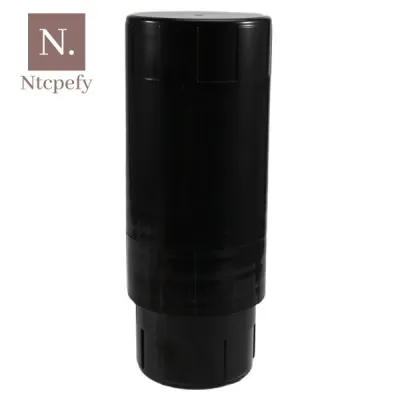
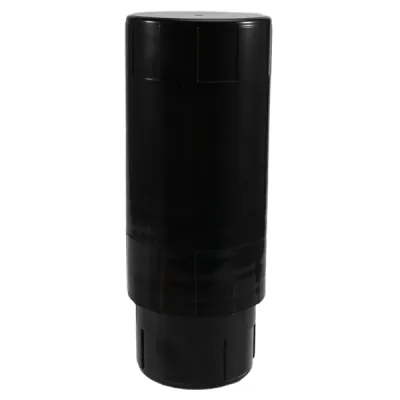
Deciding on a pressurizer requires a simple mathematical comparison between its upfront cost and your recurring ball expenses. Quality pressurizers, which work by sealing the balls in a chamber and using a built-in screw cap or a separate pump to increase the external air pressure, generally require an initial investment of around ₱1,000 to ₱3,500. This physical device is highly durable and can last for several years if the rubber O-rings are kept clean and free of court grit.
To calculate your potential savings, estimate your monthly ball expenditure. If a standard three-ball can costs around ₱200 to ₱300, and you open two new cans every week, your monthly expenditure sits between ₱1,600 and ₱2,400. If you do not use a pressurizer, those balls are likely discarded or downgraded after a single match because they lose their optimal bounce within a few days of being unsealed.
The break-even point occurs when the pressurizer successfully extends the life of your balls enough to reduce your purchase frequency. For example, if using a pressurizer allows you to use a single can for three or four sessions instead of just one, you could cut your monthly ball consumption in half. In this scenario, a ₱2,000 pressurizer pays for itself within two to three months, making it an exceptionally cost-effective addition to your gear collection.
Practical Alternatives: Managing Old Balls Without a Pressurizer
If you decide that a pressurizer does not align with your playing habits, you can still manage your ball inventory efficiently without wasting money. A highly effective approach is to implement a tiered downgrade system. Use brand-new, freshly opened balls exclusively for competitive matches or high-intensity singles play. After one or two sessions, transition these balls to your practice basket for serving drills, multi-ball feeding, or casual hitting.
Once the balls have lost too much bounce for court use, they can still serve valuable purposes off the court. Many players use dead tennis balls for physical therapy, rolling them under their feet or against a wall to massage tight muscles after a grueling match. They can also be donated to local schools, used as protective covers for chair legs to prevent floor scuffs, or given to pet owners for fetch sessions.
For players who engage in high-volume training or use ball machines, switching to pressureless balls is a highly viable alternative. While they have a stiffer feel and a different sound on impact, their bounce remains consistent for months, completely eliminating the need for pressurized storage. Additionally, always store your unopened cans in a cool, dry place away from direct tropical sunlight, as extreme heat can degrade the factory seal and cause the balls to lose pressure before you even open the can.
Frequently Asked Questions (FAQ)
Can a pressurizer restore completely dead tennis balls?
No, a standard tennis ball pressurizer cannot restore balls that have gone completely flat or have been sitting unpressurized for weeks. These devices are designed to maintain the existing pressure of relatively fresh balls by preventing the internal gas from escaping. Once the rubber core has fully lost its elasticity or the internal pressure has equalized with the outside air, a consumer-grade pressurizer cannot force enough air back through the rubber membrane to revive them.
Does a pressurizer prevent the felt from wearing out?
No, a pressurizer only addresses the internal air pressure of the ball. It has no effect on the external felt cover, which naturally wears down, thins, and becomes fuzzy or bald through friction with the court surface and racket strings. Even if a ball retains perfect internal pressure thanks to a pressurizer, you will still need to replace it once the felt becomes heavily worn, as bald balls fly faster through the air and do not take spin effectively.
Community discussion
Share your experience or ask a question. Comments are reviewed before publication.