
Deciding whether to add a vibration plate machine to your home gym depends entirely on your specific fitness goals, budget, and current training routine. If you are looking for a shortcut to build massive muscles or replace traditional weightlifting, a vibration plate is not the answer. However, if you view it as a supportive tool to enhance your warm-ups, boost muscle activation, and assist with active recovery, it can be a highly effective addition to your fitness space.
For fitness enthusiasts in the Philippines, managing workout recovery in a warm, humid climate requires smart strategies. While a vibration plate machine can help stimulate blood flow and prepare your joints for heavy lifts without causing excessive sweat before you even begin, it represents a distinct financial and spatial investment. Understanding how this technology interacts with your muscles will help you determine if it deserves a spot in your home workout setup.
Understanding the Role of Vibration Plates in Strength Training
To make an informed decision, you must first understand how a vibration plate machine operates. These devices utilize whole-body vibration to send rapid oscillations through your body. When you stand, plank, or squat on the vibrating platform, your muscles undergo rapid, involuntary contractions as a reflex to maintain balance. This stretch reflex stimulates neuromuscular pathways, engaging more muscle fibers than static standing alone.
Products mentioned in this guide
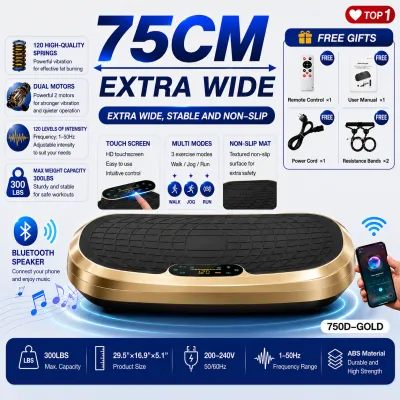
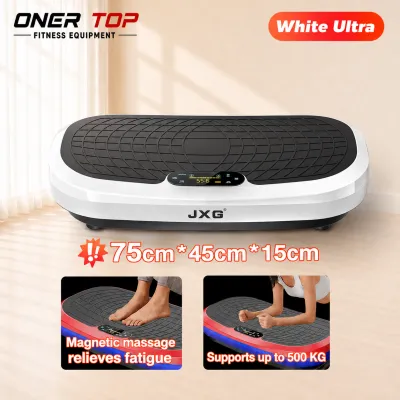
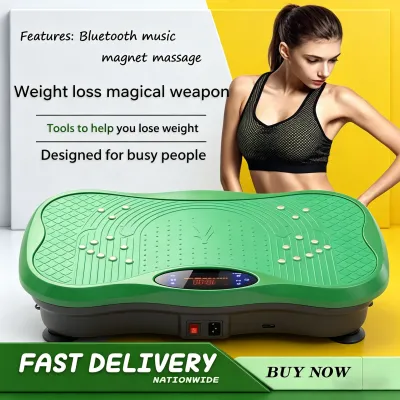
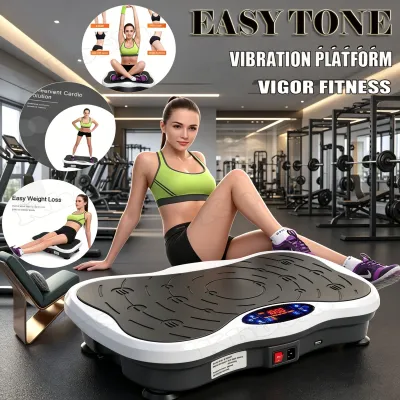
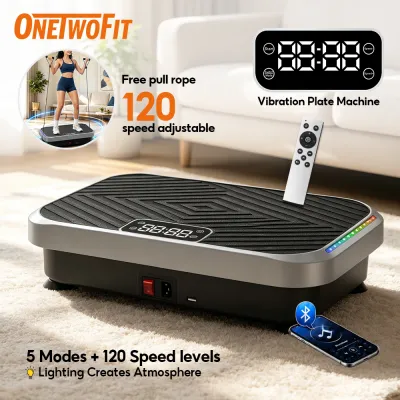
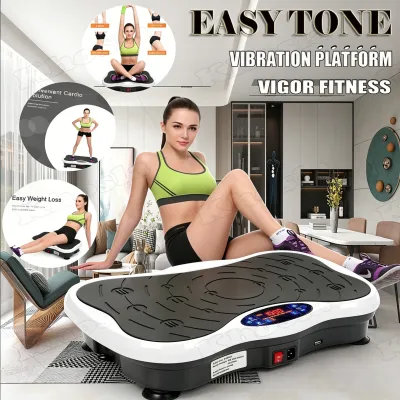
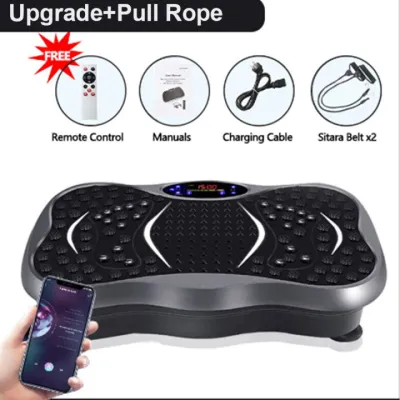
Prices are valid at publication and may change. Please refer to the product page for the latest price.
However, it is crucial to position the machine correctly within your fitness hierarchy: it is a supplementary tool, not a primary driver of muscle growth. In exercise science, building strength and muscle size requires progressive overload—gradually increasing the physical tension placed on your muscles over time. A vibration plate cannot replicate the heavy mechanical tension provided by barbells, dumbbells, or resistance bands.
When shopping, you will likely encounter bold marketing claims promising effortless weight loss or instant muscle building. It is essential to check these claims against established exercise science principles. While the rapid muscle contractions can increase local circulation and temporarily enhance muscle activation, they do not create the structural micro-tears in muscle tissue necessary for significant hypertrophy. Treat the machine as a high-tech warm-up and recovery partner rather than a replacement for your core lifting routine.
Signs a Vibration Plate Aligns With Your Fitness Goals
A vibration plate machine may be a highly suitable addition to your routine if your primary training bottlenecks involve warm-up efficiency, joint stiffness, or recovery. In tropical climates where high humidity can make joint mobility feel sluggish at the start of a workout, using a vibration plate for a few minutes can rapidly prep your body. Performing dynamic stretches or light bodyweight squats on the plate enhances muscle activation and flexibility, allowing you to transition into heavy lifting with better movement patterns.

Active recovery is another area where these machines shine. On rest days, when your muscles are sore from intense strength training, a low-frequency vibration session can support circulation and ease muscle tightness without adding mechanical stress to your joints. This low-impact stimulation is particularly beneficial if you want to stay active on recovery days without committing to a full cardio session that might leave you feeling drained in the tropical heat.
Additionally, certain demographics can benefit from the gentle, low-impact nature of whole-body vibration. Older adults looking to maintain balance, individuals undergoing physical therapy, or those with limited mobility often find the platform helpful for gentle joint stimulation. However, because the rapid vibrations place unique demands on your skeletal and cardiovascular systems, anyone with pre-existing health conditions must obtain professional medical clearance before incorporating this equipment into their daily routine.
Scenarios Where Traditional Equipment is a Better Investment
While vibration plates offer unique benefits, there are clear scenarios where purchasing one is unnecessary or even counterproductive. If your primary fitness goal is maximizing absolute strength, powerlifting, or bodybuilding, your resources are far better spent elsewhere. Progressive overload requires heavy external resistance. A budget of several thousand pesos (₱) spent on a vibration plate would yield a much higher return on investment if directed toward high-quality adjustable dumbbells, a sturdy barbell, or a versatile set of heavy resistance bands.
Space is another critical constraint for home gym owners, especially those living in compact urban condominiums or apartments. A vibration plate machine takes up valuable floor space and can be heavy to move. If your workout area is limited, prioritizing multi-functional equipment that allows for a wide range of compound movements is a smarter spatial strategy.
Furthermore, safety considerations must take precedence. Certain physical conditions serve as strict contraindications for whole-body vibration. If you are pregnant, have recently undergone surgery, or have joint implants, pacemakers, or acute hernia issues, you must strictly avoid vibration plates due to the risk of hardware displacement or internal irritation. In these cases, traditional, controlled resistance training under professional guidance is a much safer path to building strength.
Pre-Purchase Checklist for Your Home Gym
Before clicking buy or heading to a fitness store, run through a practical checklist to justify adding a vibration plate to your home setup. First, audit your current routine. Are you already consistently performing foundational compound movements like squats, lunges, and push-ups? Are your sleep and nutrition optimized? If your training foundation is shaky, a vibration plate will not rescue your progress; master the basics before adding specialized recovery tools.
Second, evaluate the financial trade-offs. Compare the cost of the vibration plate machine—which can range from budget-friendly models to premium units costing tens of thousands of pesos (₱)—against other home gym upgrades. Ask yourself if this money would be better spent on a solid utility bench, a pull-up bar, or even a gym membership that grants access to a wider variety of heavy weights.
Finally, if you decide to proceed, verify the essential technical specifications of the machine. Look for adjustable frequency settings so you can customize the intensity of the vibration. Check the amplitude types; pivotal vibration platforms tilt like a seesaw and mimic natural walking, while linear platforms move strictly up and down. Lastly, always verify the maximum weight capacity limits in the manufacturer’s manual to ensure the machine can safely support your body weight plus any additional hand weights you plan to hold during use.
How to Test the Equipment Before Committing
Because whole-body vibration is a highly subjective physical sensation, you should never buy a machine sight unseen. Some individuals find the rapid movement highly therapeutic, while others experience immediate discomfort or motion sickness. To avoid purchasing an expensive paperweight, make an effort to test the equipment in person before committing.
Look for local fitness centers, physical therapy clinics, or specialized fitness retail showrooms in major commercial areas where you can try out different models. When testing a machine, pay close attention to your body’s subjective feedback. Monitor how your joints feel during and after a short session. If you experience joint pain, excessive muscle strain, or dizziness, the rapid oscillation may not suit your physiology.
Additionally, use this trial to evaluate the physical build quality of the machine. Check the noise levels during operation, as high-vibration machines can produce a loud hum that vibrates through concrete floors—a major consideration if you have close neighbors. Test the console usability, the responsiveness of the remote control, and the stability of the platform when performing basic movements like a plank or a squat.
Frequently Asked Questions (FAQ)
Can a vibration plate replace traditional weightlifting?
No, a vibration plate machine cannot replace traditional weightlifting. While the platform increases neuromuscular activation and causes rapid reflex muscle contractions, it does not provide the mechanical tension or progressive resistance required to build significant muscle mass or absolute strength. To achieve hypertrophy, you must still lift external weights that challenge your muscles through a full range of motion. Use the vibration plate as a supportive tool for warming up or cooling down, rather than the core of your strength program.
Are there any safety risks to using a vibration plate daily?
Yes, daily use without proper progression or recovery can lead to overuse injuries, joint irritation, or headaches from the continuous head vibration. Your body needs time to adapt to the rapid mechanical stress of whole-body vibration. To minimize risks, always check the manufacturer’s guidelines for recommended daily limits, start with low-frequency settings, and consult a healthcare provider if you have any underlying joint or spinal concerns.
How long should a typical vibration plate session last?
A typical session on a vibration plate machine is relatively short, usually lasting between 10 to 15 minutes. Because the rapid muscle contractions accumulate quickly, extended sessions are unnecessary and can lead to excessive fatigue or joint strain. Always refer to your specific device’s user manual for exact timing recommendations, start with shorter sessions of 5 minutes to assess your tolerance, and stop immediately if you experience any discomfort, dizziness, or pain.
Community discussion
Share your experience or ask a question. Comments are reviewed before publication.