
Quick Answer: Who Actually Needs an Aero Type Road Bike?
An aero road bike is designed specifically for riders who prioritize speed on flat to rolling terrain, participate in competitive road races, and ride in fast group pacelines. If your cycling goals revolve around chasing Strava segments on flat highway stretches, joining fast weekend rides along Daang Hari or the Mall of Asia (MOA) bypass roads, or competing in local road races, a road bike aero type is engineered to help you slice through the wind with maximum efficiency.
Conversely, this category is generally not the right fit for beginners, riders who spend most of their time tackling steep mountain passes like those in Sierra Madre or Marilaque, long-distance touring cyclists, or individuals with limited physical flexibility who prioritize an upright, comfortable riding position. The aggressive riding posture and stiff frame of an aero bike can turn a long day in the saddle into an uncomfortable chore if your body or riding environment is not suited for it. This self-assessment guide will help you analyze your typical routes, physical capabilities, and performance goals to determine if investing in an aero road bike is the right decision for your cycling journey.
Understanding the Aero Design: Features and Trade-Offs
To make an informed decision, you must first understand the engineering principles that define a road bike aero type. Unlike traditional round-tubed road bikes, aero bikes are shaped by extensive wind tunnel testing and computational fluid dynamics to minimize aerodynamic drag, which is the primary physical force resisting a rider at higher speeds.
Products mentioned in this guide
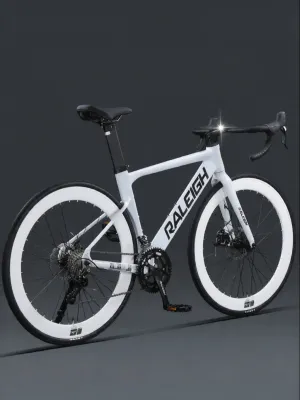
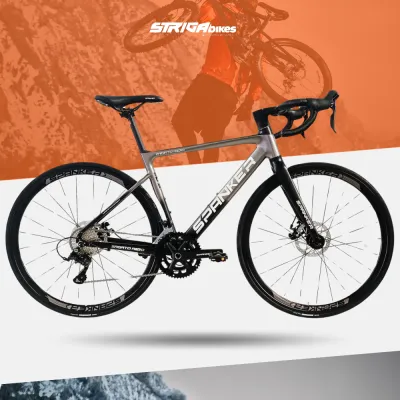
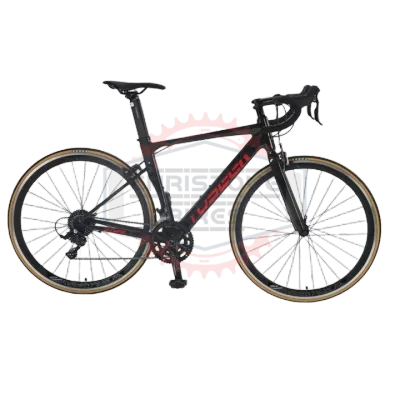
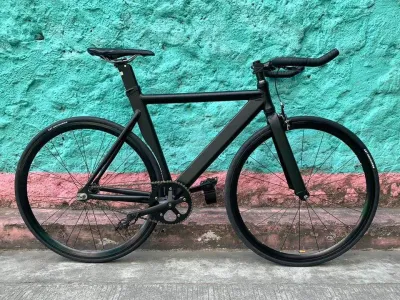
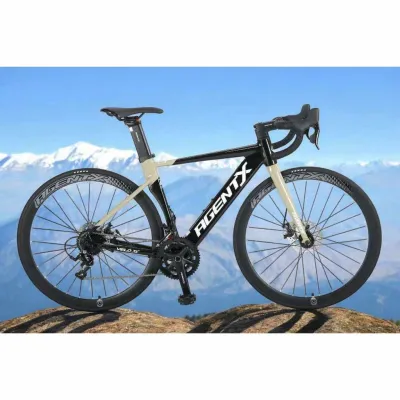
Prices are valid at publication and may change. Please refer to the product page for the latest price.

Aerodynamic Tube Shapes The most defining visual feature of an aero road bike is its frame tubing. Instead of traditional cylindrical tubes, manufacturers use deep, bladed, or truncated airfoil profiles (often referred to as “Kammtail” shapes). These profiles allow air to flow smoothly around the frame, reducing low-pressure wakes behind the tubes that cause drag. While highly efficient, these elongated tube shapes require more carbon fiber material, which directly impacts characteristics such as weight and vertical compliance.
Stiffness and Power Transfer Aero frames are engineered with massive bottom bracket junctions, oversized chainstays, and specific carbon layups designed to maximize lateral stiffness. This construction ensures that every watt of energy you press into the pedals is transferred directly into forward momentum, making these bikes incredibly responsive during sudden accelerations and high-speed sprints. However, this extreme rigidity comes with a distinct trade-off: ride quality. Aero frames offer very little vertical compliance, meaning they do not absorb road vibrations well. On typical Philippine roads—which frequently feature concrete expansion joints, patch repairs, and unexpected potholes—this stiffness can result in a harsh, fatiguing ride over long distances.
Aggressive Geometry An aero bike is built to make the rider’s body as aerodynamic as possible, as the human body accounts for roughly 75 to 80 percent of total wind resistance. To achieve this, the frame geometry features a very low stack height and a long reach. This design forces you into a low, stretched-out position, lowering your torso and shoulders to minimize your frontal surface area.
Weight and Maintenance Trade-offs Because of the extra carbon fiber required to construct deep, aerodynamic tube profiles, aero road bikes are generally heavier than their lightweight, climbing-focused counterparts. Additionally, modern aero bikes feature highly integrated cockpits where the handlebars and stem are a single unit, and all gear cables and brake hoses are routed internally through the frame. While this integration looks incredibly clean and saves valuable watts of drag, it significantly complicates routine maintenance. Simple adjustments, such as swapping a stem to change your fit or replacing a worn headset bearing, often require completely disconnecting and bleeding hydraulic brake lines—a process that is both time-consuming and expensive at local bike shops.
Self-Assessment: Match Your Riding Profile to the Bike
Determining whether a road bike aero type is right for you requires an honest evaluation of where you ride, how fast you ride, and how your body handles the physical demands of cycling.
Terrain and Route Profile
The geographic layout of your regular cycling routes plays a massive role in whether you will actually benefit from an aerodynamic frame design. Aero road bikes deliver their maximum performance advantages on flat, straight, or gently rolling roads where you can maintain a high, steady speed for extended periods.
If your typical weekly rides consist of flat loops in Nuvali, fast laps around the Mall of Asia, or long flat stretches through the plains of Central Luzon, an aero bike will help you maintain those high cruising speeds with noticeably less effort. However, if your favorite routes involve climbing the steep, winding mountain roads of Antipolo, the Sierra Madre range, or the grueling climbs of Tagaytay via Talisay, the weight penalty of an aero frame becomes a clear disadvantage. On steep gradients where gravity, rather than wind resistance, is your primary opponent, a lightweight climbing bike will always feel more agile and efficient. Furthermore, if your local routes are plagued by poorly maintained asphalt or rough concrete roads, the rigid nature of an aero frame will quickly fatigue your muscles, making a more compliant endurance bike a much more practical choice.
Riding Pace and Performance Goals
The physics of aerodynamic drag dictate that wind resistance does not increase linearly with speed; instead, it increases exponentially. This means that the faster you ride, the more energy you spend fighting the air, and the more beneficial an aerodynamic frame becomes.
Mathematically, the drag-reducing benefits of an aero road bike only become significant once you consistently exceed speeds of 30 to 35 kilometers per hour. If you are a competitive racer, a criterium specialist, or someone who regularly takes long pulls at the front of a fast weekend group paceline, an aero bike is the ideal tool to save valuable energy or gain a competitive edge in a sprint finish. However, if your primary goal is casual fitness, exploring scenic routes at a relaxed pace, or enjoying solo coffee rides at an average speed of 20 to 25 kilometers per hour, the aerodynamic advantages of an aero frame will be virtually imperceptible. In this scenario, the trade-offs of increased frame weight, complex maintenance, and a harsher ride quality will far outweigh any negligible speed gains.
Physical Flexibility and Comfort Requirements
No matter how aerodynamically efficient a bicycle frame is in a wind tunnel, it will not make you faster if your body cannot tolerate the riding position. To ride an aero bike effectively, you must be able to sustain a low, aggressive posture for hours at a time.
This low stack and long reach geometry demand excellent hamstring flexibility, lower back mobility, and a highly conditioned core to support your upper body without placing excessive weight on your hands. If you have a history of chronic lower back pain, neck stiffness, shoulder strain, or limited overall flexibility, forcing your body into an aggressive aero position can quickly lead to discomfort, fatigue, or even overuse injuries. While you can technically add spacers under the stem or swap to a shorter handlebar stem to make the fit more relaxed, doing so raises your body into the wind, which defeats the primary aerodynamic purpose of the bike. If you require a more upright posture to ride comfortably, an endurance road bike is a far safer and more enjoyable option.
Comparing Alternatives: Aero vs. Endurance vs. Climbing Bikes
To help you visualize where the road bike aero type sits within the broader spectrum of road cycling, it is helpful to compare it directly against the other two primary categories: endurance road bikes and lightweight climbing road bikes. Choosing the category that aligns with your physical limits and riding environment will have a far greater impact on your overall performance and enjoyment than any high-end component upgrade.
| Comparison Dimension | Aero Road Bike | Endurance Road Bike | Lightweight / Climbing Bike |
|---|---|---|---|
| Primary Use Case | High-speed flat riding, criteriums, and competitive road racing | Long-distance endurance rides, rough roads, and recreational touring | Steep mountain climbs, hilly terrain, and technical descents |
| Frame Geometry | Aggressive (low stack, long reach) for minimum frontal area | Relaxed (higher stack, shorter reach) for upright comfort | Balanced (moderately low stack) for agile handling and stability |
| Ride Quality | Highly stiff and rigid; minimal vibration dampening | Highly compliant; designed to absorb road vibrations and bumps | Responsive and lively; balanced stiffness for efficient climbing |
| Weight Profile | Heavier due to deep, aerodynamic tube profiles and extra carbon | Moderate weight; built for durability and comfort features | Lightest weight; minimal frame material and thin tube walls |
| Ideal Rider Type | Racers, sprinters, and high-speed group riders | Recreational cyclists, gran fondo riders, and long-distance tourers | Climbers, hill-climb competitors, and weight-conscious riders |
Selecting a bike from the wrong category can severely limit your cycling experience. For example, riding a stiff aero bike on a 150-kilometer ride over rough provincial roads can leave you feeling battered and exhausted, whereas an endurance bike would keep you fresh and comfortable. Conversely, trying to maintain a fast paceline on a highly upright endurance bike will require significantly more effort than doing so on a streamlined aero machine.
Next Steps: Test Rides, Fitting, and Finalizing Your Choice
Once you have completed your self-assessment, you can confidently take the next steps toward acquiring your ideal road bike.
If the Assessment Points to “Yes” If your riding style, local terrain, and physical flexibility align perfectly with a road bike aero type, your next step is to research specific models and visit authorized local bike shops. When evaluating different aero models, pay close attention to the cockpit integration. Ask the shop about the availability, sizing options, and replacement costs of proprietary parts, such as the integrated handlebar-stem unit or the aero seatpost. Because these components are often specific to a single frame model, ensuring you can source replacements locally in the Philippines is crucial for long-term ownership.
If the Assessment Points to “No” If you realize that your routes are too mountainous, your average speeds do not justify the aerodynamic trade-offs, or your body requires a more comfortable riding position, do not be discouraged. Redirecting your research and budget toward a high-quality endurance or lightweight all-rounder road bike is a highly practical decision. These categories offer a much more versatile balance of comfort, climbing efficiency, and real-world speed that will ultimately make your rides far more enjoyable and sustainable over time.
The Crucial Role of a Professional Bike Fit Regardless of which road bike category you choose, investing in a professional bike fit is highly recommended—and it is absolutely essential if you decide to purchase an aero road bike. Because the aggressive geometry of an aero frame leaves very little margin for error, even a minor misalignment in saddle height, cleat position, or handlebar reach can quickly manifest as acute knee, neck, or lower back pain. A professional bike fitter at a reputable local studio will analyze your biomechanics, flexibility, and pedaling efficiency to set up your bike precisely. This ensures that you can comfortably maintain an aerodynamic posture, maximize your power output, and prevent long-term injuries on the road.
Frequently Asked Questions (FAQ)
Are aero road bikes too heavy for climbing?
While modern manufacturing techniques and advanced carbon layups have significantly narrowed the weight gap between frame types, aero road bikes remain heavier than dedicated lightweight climbing bikes. On flat or rolling terrain, the aerodynamic advantages of an aero frame easily offset its slight weight penalty. However, when you encounter steep, prolonged climbs where gradients exceed 7 to 8 percent, your speed drops to a point where aerodynamic drag is no longer the primary resisting force. In these steep climbing scenarios, gravity becomes your main obstacle, and the extra weight of an aero frame becomes a distinct disadvantage compared to a lightweight climbing bike.
Do I need a professional bike fit for an aero road bike?
Yes, a professional bike fit is highly recommended when purchasing an aero road bike. The aggressive, low, and stretched-out riding position of an aero frame puts significant physical demands on your lower back, neck, shoulders, and core muscles. If your bike is not fitted precisely to your unique anatomical measurements and flexibility limits, you will likely experience discomfort or injury, which will prevent you from staying in the aerodynamic position. A professional bike fit ensures that your skeletal structure is properly supported and your joints are aligned, allowing you to comfortably sustain a fast, aerodynamic posture and ride efficiently without pain.
Community discussion
Share your experience or ask a question. Comments are reviewed before publication.