
Choosing how to navigate your daily commute requires balancing speed, comfort, and cost. If you are tired of sitting in gridlock or arriving at your destination drenched in sweat, an electric bicycle might seem like the ideal solution. These vehicles combine the agility of a traditional bicycle with the power of an electric motor, offering a middle ground for daily travel.
However, transitioning to an e-bike is a financial and lifestyle commitment. Before making the investment, you must evaluate how well this technology fits into your daily routine, your physical environment, and your personal budget. This self-assessment will help you determine if an electric bicycle aligns with your specific commuting needs.
Evaluate Your Daily Route and Terrain
Your daily route is the most critical factor in determining whether an electric bicycle is a practical choice. Start by calculating your total round-trip distance. Commutes that stretch beyond 10 kilometers can become physically exhausting on a traditional bicycle, especially when completed daily. An e-bike’s pedal-assist system helps bridge this gap, allowing you to cover longer distances in less time without overexerting yourself.
Products mentioned in this guide
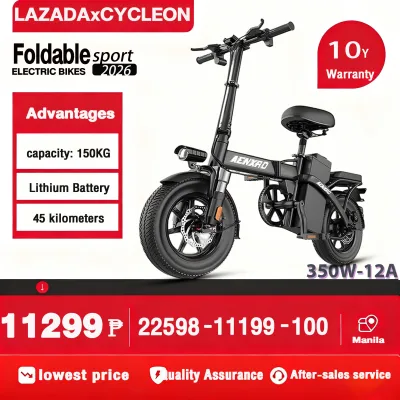
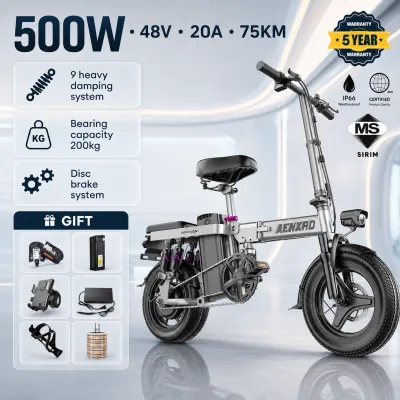
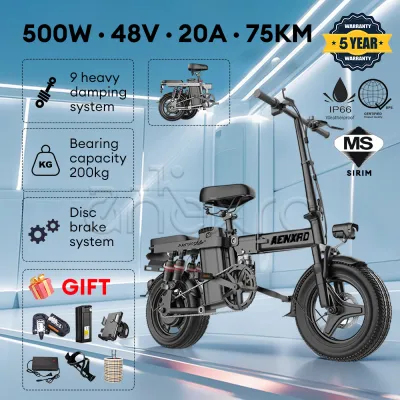
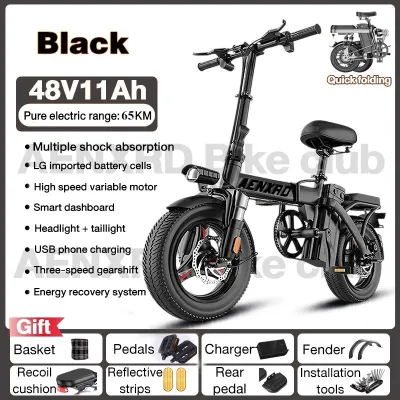
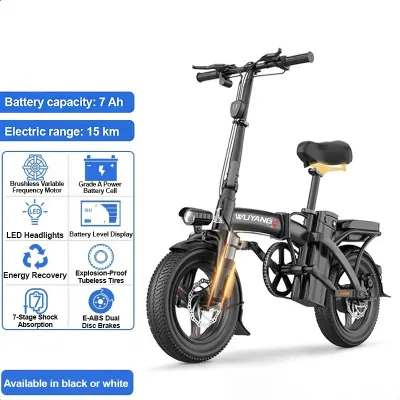
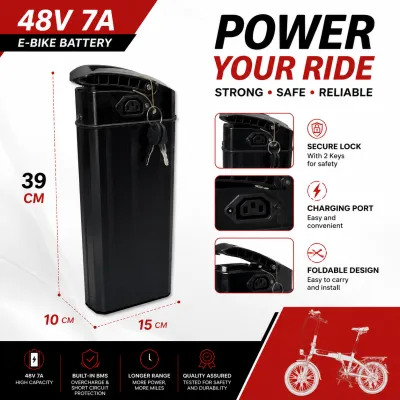
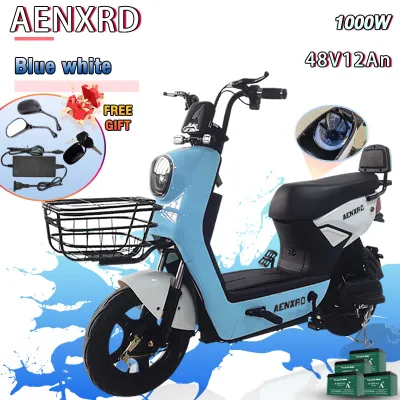
Prices are valid at publication and may change. Please refer to the product page for the latest price.
Terrain plays an equally important role in your decision. If your daily ride involves steep flyovers, rolling hills, or poorly paved roads, a standard bicycle requires significant physical effort to maintain momentum. Electric motors provide the necessary torque to climb inclines smoothly, reducing strain on your knees and joints. You should inspect your route for steep sections and consider how much assistance you will need to conquer them comfortably.
Local weather conditions also heavily influence the practicality of your commute. In tropical climates characterized by intense heat, high humidity, and sudden downpours, physical exertion quickly leads to heavy sweating. Riding a traditional bicycle to work often requires packing a change of clothes and arriving early to freshen up. An e-bike allows you to control your level of effort, meaning you can let the motor do the heavy lifting on hot mornings to arrive at your destination looking and feeling presentable.
Finally, observe the infrastructure along your route. Dedicated bike lanes, wide shoulders, and low-speed side streets make for a safer and more enjoyable e-bike experience. If your only path to work involves high-speed highways with heavy truck traffic and no protective barriers, you must carefully evaluate whether riding any two-wheeled vehicle on that route is safe for your skill level.
Compare E-Bikes Against Regular Bikes and Motorcycles
To make an informed decision, you must compare electric bicycles with the two closest alternatives: traditional bicycles and light motorcycles. Each option presents distinct trade-offs in terms of physical effort, ongoing costs, and legal responsibilities.

Traditional bicycles are unmatched in their simplicity and low cost. They require no electricity, have very few moving parts to maintain, and provide excellent cardiovascular exercise. However, they demand constant physical output. If you lack the stamina for daily long-distance riding, or if you simply do not want to turn your daily commute into an intense workout, the electric motor of an e-bike offers a welcome compromise by letting you choose when to pedal and when to rely on assist.
Motorcycles offer superior speed and unlimited range, making them highly efficient for very long commutes. However, they come with substantial recurring costs. Gasoline prices fluctuate, and internal combustion engines require regular oil changes, spark plug replacements, and mechanical tune-ups. In contrast, charging an e-bike battery costs only a fraction of a liter of fuel, and the electrical components generally require minimal maintenance beyond keeping the battery healthy and dry.
Regulatory requirements represent another major point of comparison. Motorcycles require registration with the Land Transportation Office (LTO), and riders must hold a valid driver’s license, wear certified helmets, and adhere to strict highway rules. Traditional bicycles face almost no registration requirements or licensing laws. Electric bicycles occupy a evolving regulatory space; depending on the motor’s wattage and top speed, they may be subject to specific local ordinances, helmet mandates, or lane restrictions. You should research current local traffic codes to understand exactly where and how you are permitted to ride an e-bike in your municipality.
Assess Your Storage, Charging, and Security Constraints
Owning an electric bicycle introduces practical logistical challenges that do not exist with traditional bikes. Because e-bikes contain sensitive electronic components and valuable batteries, they cannot simply be left exposed to the elements or parked in unsecured areas. You must have access to safe, dry, and weather-protected storage both at home and at your workplace.
Charging logistics require careful planning. You need a reliable, grounded power outlet near your parking spot, or you must choose an e-bike model with a removable battery pack. Removable batteries are highly practical for apartment dwellers or office workers, as they allow you to carry the battery indoors to charge at your desk or home while leaving the heavy bicycle frame locked in a designated parking area.
Weight is another critical factor that many first-time buyers overlook. Due to the added weight of the motor and battery, electric bicycles are significantly heavier than traditional models, often weighing between 20 and 30 kilograms. If your daily routine requires you to carry your bicycle up multiple flights of stairs, load it onto public transit, or mount it onto a car rack, this extra weight can become a major physical obstacle. Ensure you can comfortably lift and maneuver the bike before committing to a purchase.
Security must be a top priority. Because of their high market value, e-bikes are prime targets for thieves. Investing in high-quality U-locks, heavy-duty chains, or even GPS tracking devices is essential if you plan to leave your bike unattended. If your workplace does not offer secure, monitored parking, the risk of theft may outweigh the convenience of commuting on an e-bike.
Your Decision Path: Buy, Wait, or Keep Your Current Ride
With these factors in mind, you can now map out your decision path. An electric bicycle is likely the right choice for you if your daily commute falls between 5 and 20 kilometers, your route features moderate hills or flyovers, and you want to avoid arriving at your destination sweaty. It is also an excellent fit if you have secure ground-floor storage, a reliable place to charge the battery, and a desire to reduce your carbon footprint while bypassing heavy traffic gridlock.
Conversely, you should probably wait or stick to alternative transport if your daily route consists entirely of high-speed highways without bike lanes, or if you lack a secure, dry place to store and charge the vehicle. If your budget is highly constrained, a traditional bicycle remains a much more affordable entry point into cycling, while public transportation or a light motorcycle may be more practical if you regularly need to travel extremely long distances in short timeframes.
If you decide that an e-bike fits your lifestyle, your next step should be to visit a local bicycle shop. Request a test ride to experience how different motor types—such as hub motors versus mid-drive motors—feel under pedal pressure. Always inspect the manufacturer’s official specifications, paying close attention to weight limits, battery capacity, and replacement part availability to ensure your investment serves you reliably for years to come.
Frequently Asked Questions (FAQ)
Do I need a driver's license to ride an electric bicycle?
In the Philippines, licensing and registration requirements for electric bicycles depend on the vehicle’s maximum speed and motor wattage. Low-speed, pedal-assist electric bicycles that require pedaling to activate the motor generally do not require a driver’s license or vehicle registration. However, faster electric models or those equipped with full throttles that operate without pedaling may fall under stricter classifications. You should consult the latest guidelines from the Land Transportation Office (LTO) and your local government unit to verify the exact rules for your specific e-bike category.
How long does an e-bike battery typically last on a single charge?
The distance you can travel on a single charge varies widely based on several real-world factors. Your total weight, the level of pedal assistance you select, the steepness of your route, and even headwind resistance all impact battery consumption. Most standard commuter e-bikes offer an estimated range of 30 to 60 kilometers per charge under normal conditions. To get an accurate estimate, check the manufacturer’s specifications and look for real-world user reviews that match your typical riding conditions.
Can I ride an electric bicycle in the rain?
Most high-quality electric bicycles are designed to withstand light rain and wet road conditions, but they are rarely completely waterproof. The motor, battery, and display screen are typically sealed to resist water splashes, which you can verify by checking the product’s Ingress Protection (IP) rating. However, you should avoid riding through deep puddles that submerge the motor or battery hub, and never use a high-pressure power washer to clean your e-bike, as this can force water past the protective seals and damage the electronics.
Community discussion
Share your experience or ask a question. Comments are reviewed before publication.