
Using a generic heavy duty nylon rope for climbing is highly dangerous and can lead to catastrophic equipment failure. While nylon is the primary material used in modern climbing ropes, utility ropes sold at hardware stores are not engineered to handle the dynamic forces of a human fall. Unless a rope is explicitly certified by recognized climbing authorities, it must never be used to support a climber.
Climbing safety relies on a rope’s ability to stretch and absorb energy. Generic utility ropes are designed to be static, meaning they do not stretch under load. If a climber falls on a static utility rope, the sudden stop transfers extreme impact forces directly to the climber’s body, the harness, and the anchor points, which can cause severe internal injuries or cause the rope to snap instantly.
Before trusting your life to any piece of cordage, you must understand the critical differences between utility ropes and certified climbing gear, how to perform a rigorous physical inspection, and how to identify the warning signs of structural failure.
Products mentioned in this guide
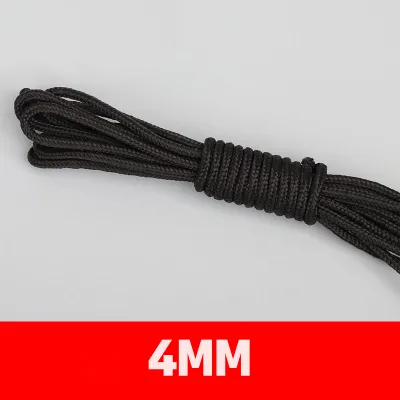
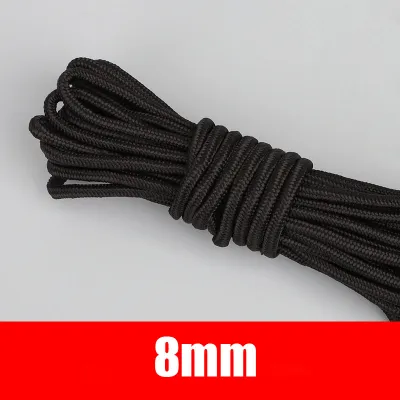
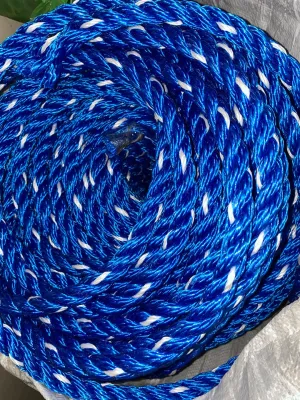
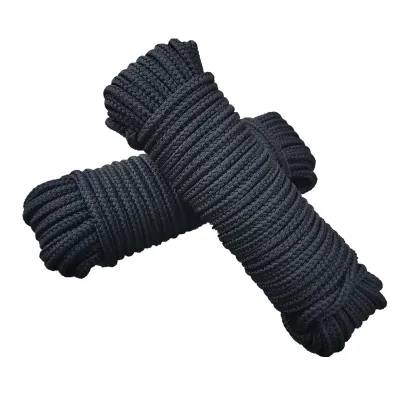
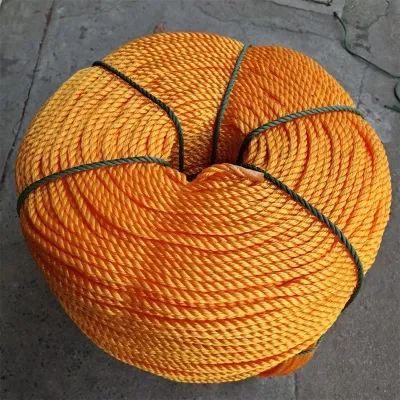
Prices are valid at publication and may change. Please refer to the product page for the latest price.
The Core Risk: "Heavy Duty" vs. Certified Climbing Rope
The label “heavy duty” is a marketing and utility term, not a safety rating for life-support equipment. Generic heavy duty nylon ropes are typically manufactured for static applications such as towing vehicles, securing cargo, or agricultural work. These ropes are designed to minimize stretch to keep loads stable, which is the exact opposite of what a climber needs during a fall.
Certified climbing ropes are engineered with dynamic elongation properties. They act like high-strength shock absorbers, stretching significantly when loaded to catch a falling climber gradually. This controlled stretch reduces the peak impact force on both the climber and the protection bolts in the rock, preventing severe physical trauma and anchor failure.
When a climber falls, the kinetic energy generated must be dissipated. In a dynamic climbing rope, this energy is converted into heat and stretch within the nylon core. In a non-dynamic utility rope, the energy is transferred almost instantly to the system, resulting in a violent shock load that can easily exceed the breaking strength of the rope or the human body.
To ensure a rope is safe for climbing, you must verify its official certifications. Look for the UIAA (International Climbing and Mountaineering Federation) logo or the CE (European Conformity) mark on the rope’s technical label. Specifically, dynamic ropes must comply with the CE EN 892 standard, while low-stretch or static ropes used for rappelling must meet the EN 1891 standard. If these certifications are missing, the rope is not safe for climbing.
Pre-Climb Inspection Checkpoints and Failure Signs
Regular physical inspections are mandatory for any climbing rope, especially when operating in challenging environments. In tropical climates like the Philippines, high humidity, intense ultraviolet (UV) radiation, and salt air near coastal crags can accelerate the degradation of nylon fibers. A systematic check should be performed before every climbing session.

Begin with a thorough visual and tactile inspection by flaking the rope from one end to the other. Run your bare hands slowly along the entire length, feeling for any inconsistencies in diameter, stiffness, or texture. Your hands will often detect internal damage that your eyes might miss.
Look closely for “core shots,” which occur when the outer protective sheath is cut or worn away, exposing the white inner core strands. The sheath protects the load-bearing core from abrasion; if the core is visible at any point, the rope is compromised and must be retired immediately.
Feel for flat spots, mushy sections, or areas that feel unusually hollow. These symptoms indicate that the internal core strands have suffered structural damage or have ruptured inside the sheath, even if the outer cover looks perfectly intact. A healthy rope should feel round, firm, and consistent throughout its length.
Check for severe sheath slippage, where the outer cover bunches up or slides independently of the inner core. This can cause dangerous friction during rappelling or lowering and indicates that the structural bond between the core and sheath has broken down.
Inspect the rope for environmental damage, starting with UV degradation. Intense tropical sunlight can weaken nylon fibers over time, causing the colors to fade and the sheath to feel stiff, dry, or brittle. If the rope has lost its flexibility and feels cardboard-like, it has lost its energy-absorbing capabilities.
Examine the rope for friction glazing, which appears as shiny, melted, or hardened patches on the sheath. This is caused by the extreme heat generated during rapid rappelling or lowering. Mild glazing stiffens the rope, while severe glazing melts the nylon fibers together, drastically reducing their strength.
Finally, check for chemical contamination. Nylon is highly vulnerable to acids, including battery acid, strong cleaning agents, and certain solvents. Chemical damage can destroy the molecular structure of nylon without leaving any visible marks or discoloration, making a known usage history absolutely critical.
Understanding Weight Ratings and Load Limits
Understanding how rope strength is measured is vital for climbing safety. Many utility ropes advertise a high “Minimum Breaking Strength” (MBS), which can give users a false sense of security. However, static strength ratings do not translate directly to safety in dynamic climbing scenarios.
Minimum Breaking Strength is the force at which a brand-new, undamaged rope fails under a slow, steady pull in a laboratory setting. Working Load Limit (WLL) is a much lower figure, usually calculated as a small fraction of the MBS, representing the maximum weight the rope should carry during routine, non-dynamic utility tasks.
In climbing, static tensile strength is secondary to dynamic performance. A utility rope might have an MBS of several thousand kilograms, but because it cannot stretch, a short fall can generate an instantaneous impact force that exceeds this limit. Certified climbing ropes are rated based on their ability to absorb energy, not just their static breaking point.
When reviewing certified climbing rope specifications, pay close attention to the impact force rating. This metric indicates the maximum force transmitted to the climber during a standardized UIAA fall test. A lower impact force rating means the rope absorbs more energy, resulting in a softer catch and less stress on your body and gear.
Additionally, check the UIAA fall rating, which measures how many consecutive high-impact falls a rope can withstand before breaking under laboratory conditions. While you should never subject a rope to these extreme forces in real-world climbing, a higher UIAA fall rating indicates a more robust and durable core construction.
Usage Boundaries and When to Retire the Rope
Every nylon rope has a finite lifespan, and knowing when to retire your gear is a critical safety skill. Nylon is a synthetic polymer that naturally degrades over time, even when stored perfectly. You must establish strict boundaries for when a rope is no longer fit for service.
As a general guideline, a climbing rope that is used heavily every weekend should be retired within one to two years. Ropes used occasionally may last up to five years, while a rope that has been stored correctly and never used should be retired after a maximum of ten years from its manufacture date, regardless of its visual appearance.
There are several “hard stop” conditions that require immediate, non-negotiable retirement of the rope. If the rope has arrested a severe lead fall, it must be taken out of service immediately, as the internal fibers may have stretched past their elastic limit and lost their ability to absorb future impacts.
Never use a rope with an unknown history. If you find a rope at a crag, purchase a used rope online, or lose track of how a rope was stored, do not climb on it. The risk of hidden chemical exposure, severe falls, or age-related degradation is too high to justify the cost savings.
Proper storage is essential to prevent premature nylon degradation, especially in warm, humid environments. Store your rope in a cool, dry, and dark place away from direct sunlight, extreme heat, and concrete floors, which can leach chemicals into the fibers. Always use a dedicated rope bag to protect the nylon from dirt, moisture, and abrasive grit during transport and use.
Frequently Asked Questions (FAQ)
Can I use a thick heavy duty nylon rope for top-rope climbing?
No, you should never use a generic thick utility rope for top-rope climbing. While a larger diameter might make the rope look strong and durable, thickness does not compensate for a lack of dynamic elasticity.
Even in top-rope climbing, where falls are generally short, a static utility rope cannot stretch sufficiently to absorb the energy of a slip. This can result in a harsh, jarring stop that can injure your spine, damage your harness, or pull out anchor bolts. Always use a certified dynamic climbing rope that carries UIAA or CE EN 892 certification, regardless of the climbing style.
How do I clean a nylon climbing rope without damaging it?
To clean your rope safely, hand-wash it in a tub of lukewarm water using a specialized rope wash or a mild, non-detergent soap. Gently agitate the rope by hand to loosen dirt, mud, and salt buildup, which can act as internal abrasives if left inside the sheath.
Avoid using harsh household detergents, bleach, or hot water, as these can damage the nylon fibers. Do not wash the rope in a washing machine with an agitator, as it can tangle and damage the core. Once clean, rinse the rope thoroughly with fresh water and flake it out to air dry in a cool, well-ventilated, shaded area away from direct sunlight and direct heat sources.
What is the difference between dynamic and static nylon ropes?
Dynamic and static nylon ropes are engineered for entirely different purposes, and confusing the two can be fatal. Dynamic ropes are designed with high elasticity, stretching up to thirty percent or more under load to safely absorb the energy of a climber’s fall during lead climbing or top-roping.
Static ropes, on the other hand, have very low stretch and are designed to remain stable under load. They are used for rappelling, ascending, hauling heavy gear, or rescue operations where rope stretch would make movement difficult or cause the rope to rub dangerously against sharp rock edges. You must never use a static rope for lead climbing, as it cannot safely absorb the impact of a fall.
Community discussion
Share your experience or ask a question. Comments are reviewed before publication.