
Quick Answer: Is Kiting Safe for Young Children?
When planning a family day under the sun, many parents ask: is kiting safe for young children? The short answer is yes. Kite flying is a fantastic, low-impact outdoor activity that helps children develop coordination and spatial awareness. However, its safety is entirely dependent on active adult supervision, appropriate equipment selection, and choosing the right environment.
While letting a lightweight frame drift on the breeze carries minimal inherent risk, real dangers arise when children fly kites near hazards like overhead power lines, busy roads, or crowded public spaces. Furthermore, using adult-sized kites or abrasive strings can turn a pleasant afternoon into an emergency. By understanding these variables and managing the risks proactively, you can ensure that your child’s introduction to this classic pastime is both memorable and completely safe.
Is Kiting Safe? Primary Safety Risks to Watch Out For
To keep your family outings secure, it is essential to recognize that safety is not a passive state. It requires anticipating potential hazards before they manifest. When children are focused on a colorful object dancing in the sky, their situational awareness drops to near zero. They are not looking at where they are stepping, nor are they aware of what is happening around them.
Products mentioned in this guide

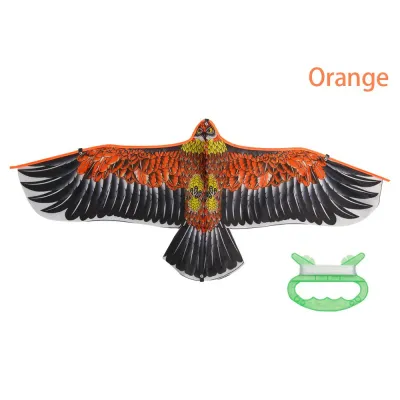
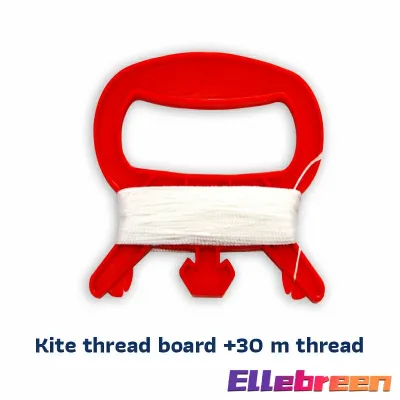
Prices are valid at publication and may change. Please refer to the product page for the latest price.

As a parent, you must act as their eyes and ears on the ground. Understanding the physical, environmental, and meteorological risks associated with kite flying is the first step in creating a secure environment for your little ones.
String and Line Hazards
The line connecting your child to the kite is one of the most common sources of injury. When a kite catches a strong breeze, the string becomes highly tensioned and can act like a thin, moving blade. If a child tries to grab a fast-unwinding line with bare hands, it can cause severe friction burns, deep cuts, or painful lacerations.
In some regions, competitive kite fighting involves using glass-coated strings (often referred to locally as manila or glass-covered lines). These strings are designed to cut other lines but pose an extreme hazard to human skin. You must strictly avoid these abrasive threads. Standard synthetic lines, such as high-tensile nylon, can also cause severe cuts if wrapped around fingers, limbs, or the neck during a sudden gust of wind.
Additionally, a trailing line can easily trip passing pedestrians, cyclists, or other children playing nearby. If a line wraps around a child’s fingers or wrist while the kite is subjected to a violent updraft, it can cut off circulation or cause joint sprains. Regular inspection of the line for knots, frays, and tension spikes is vital.
Environmental and Location Dangers
The space where you choose to fly your kite determines the baseline safety of the activity. The most critical environmental hazard is the presence of overhead power lines. If a kite or its string makes contact with an electrical wire, it can create a path for high-voltage electricity to travel directly down to the person holding the spool, resulting in severe electrocution or fatal injuries.
Another major risk is the physical terrain. Children naturally run backward while launching a kite or trying to keep it airborne. This backward movement makes them highly susceptible to tripping over hidden obstacles, such as tree roots, rocks, driftwood on beaches, or sudden drops in elevation. In the worst-case scenario, a distracted child could stumble into a busy street, highway, or drainage canal.
Public parks and beaches in the Philippines can become incredibly crowded during weekends and holidays. Flying a kite in a packed area increases the risk of collisions with other beachgoers, vendors, or joggers. If the kite crashes, its rigid frame (often made of bamboo or fiberglass spars) can strike bystanders, potentially causing eye injuries or bruising.
Weather-Related Risks
Weather conditions can shift rapidly, especially in tropical climates. A gentle breeze can quickly transform into strong, unpredictable wind gusts. For a young child weighing under 30 kilograms, a sudden updraft acting on a medium-to-large kite can generate enough pulling force to drag them across the ground, cause painful shoulder strains, or knock them off their feet.
Lightning is another catastrophic hazard. Wet kite strings, especially those damp from sea spray, high humidity, or light drizzle, can act as excellent conductors of electricity. If a thunderstorm develops nearby, a kite flying high in the air can function as a lightning rod. Never allow your child to fly a kite if you hear thunder or see dark storm clouds approaching.
Lastly, the tropical sun in the Philippines poses a constant threat of heat exhaustion, dehydration, and severe sunburn. Young children have a harder time regulating their body temperature than adults. Spending hours looking up into a bright sky without adequate protection can quickly lead to painful sunburns, heat cramps, or even heat stroke.
How to Choose Safe Kiting Gear for Kids
Selecting the right equipment is your primary defense against physical strain and injury. Many parents make the mistake of buying the largest, most impressive kite they can find, assuming it will be more fun. In reality, oversized or overly complex gear can quickly overwhelm a young child and turn a fun activity into a stressful struggle.
Kite Size and Weight
For young children, especially those under the age of eight, simplicity is key. Look for small, lightweight, single-line kites. Traditional diamond shapes or simple delta (triangular) kites are ideal because they are easy to launch, require very little wind to stay aloft, and generate minimal pulling force.
Avoid steerable stunt kites, dual-line kites, or large foil paragliders. These models are designed for older teenagers and adults who have the physical strength and coordination to handle high tension and rapid directional changes. A small, lightweight kite ensures that if a sudden gust of wind hits, the child can easily maintain control without being pulled or jerked forward.
String Selection
The safety of the line is just as important as the kite itself. For young children, choose thick, blunt cotton strings or braided polyester lines specifically labeled as child-safe. These materials are much softer on small hands and are less likely to cause deep cuts compared to thin, high-tensile monofilament fishing lines or nylon strings.
Before heading out, inspect the entire length of the string and the spool. Look for any fraying, knots, or weak points that could cause the line to snap unexpectedly. A snapped line can send the kite drifting into unsafe areas, prompting a child to chase after it blindly.
Protective Gear
Equipping your child with basic protective gear can prevent the most common minor injuries. A pair of lightweight, breathable gardening or athletic gloves will protect their palms and fingers from friction burns if the string slips quickly through their hands.
Additionally, ensure your child wears high-quality, UV-protection sunglasses. Staring up at a bright sky, even on overcast days, exposes their eyes to intense solar radiation and glare, which can cause eye strain and temporary vision impairment. A wide-brimmed hat and closed-toe athletic shoes are also essential to protect their skin from the sun and prevent stubbed toes on uneven ground.
Setting Up a Safe Kiting Environment
Once you have the right gear, the next step is finding a location that minimizes environmental risks. A safe kiting environment is one that offers plenty of open space, clear ground, and zero overhead obstructions.
Ideal Locations
Look for wide-open public parks, sports fields, or designated beach areas. In the Philippines, expansive coastal areas or wide community plazas during the dry season provide excellent wind conditions and ample space. The ideal spot should have a flat, even surface free of large rocks, holes, or low-lying vegetation that could trip a running child.
Avoid areas with dense tree cover. Not only do trees create turbulent, unpredictable wind currents that make flying difficult, but they also present a major temptation for children to climb if their kite becomes snagged in the branches.
The Power Line Rule
To eliminate the risk of electrocution, establish a non-negotiable safety zone. Never fly a kite within 100 meters of any overhead power lines, electrical poles, or substations. A good rule of thumb is to ensure that the distance between you and the nearest power line is at least twice the maximum length of your kite string.
If a sudden wind change carries the kite toward electrical infrastructure, instruct your child to let go of the spool immediately. No kite is worth the risk of contacting high-voltage wires.
Crowd and Traffic Management
Before letting your child launch their kite, conduct a quick sweep of the immediate area. Look for hidden hazards like broken glass, sharp metal pull-tabs, or animal waste in the grass. If you are on a beach, watch out for sharp shells, half-buried driftwood, or sudden drop-offs near the shoreline.
Ensure your child’s running path is completely clear of other people. Children flying kites often run backward while looking straight up, making them completely blind to what is behind them. Keep them far away from bicycle paths, jogging tracks, and parking lots to prevent dangerous collisions with moving vehicles or cyclists.
Supervision and Safe Flying Practices
No amount of safe gear or open space can replace active, hands-on adult supervision. Your presence and guidance are the most effective tools for preventing accidents and ensuring a positive experience.
Active Supervision
Active supervision means being within arm’s reach of your child, not watching from a distant bench or looking at your phone. For very young children, you should hold the spool together. Let them feel the tension of the line while your hands remain ready to take over if a sudden gust of wind increases the pull.
During the high-tension moments of launching and landing, your direct assistance is crucial. Teach your child to communicate clearly, using simple cues like ‘let go’ or ‘hold tight’ so you can coordinate your actions instantly.
Launching and Retrieving
Teach your child safe launching techniques that do not require frantic, blind running. Instead of running backward at full speed, have them stand with their back to the wind while you hold the kite about 10 to 15 meters downwind. When a gentle breeze catches the kite, release it, and let the wind do the work of lifting it into the air.
When it is time to bring the kite down, teach your child to wind the string slowly onto the spool while walking forward toward the kite. Advise them never to wrap the string around their hands or fingers to pull it down, as a sudden gust can cause immediate injury.
Hydration and Sun Protection
Because children easily lose track of time when they are having fun, you must manage their physical well-being. In hot and humid tropical conditions, apply a broad-spectrum, water-resistant sunscreen with an SPF of at least 30 before heading outside. Reapply it every two hours, especially if they are sweating.
Enforce mandatory water breaks every 20 to 30 minutes, even if your child claims they are not thirsty. Bring a cooler with cold water or electrolyte-rich drinks to prevent dehydration and heat exhaustion.
When to Stop: Clear Warning Signs
Knowing when to pack up and go home is a vital part of outdoor safety. Do not wait for an accident to happen before deciding to end your kiting session. Establish clear boundaries and stop the activity immediately if any of the following warning signs occur.
Weather Shifts
Keep a close eye on the horizon. If you notice darkening clouds, feel a sudden drop in temperature, or hear even a faint rumble of distant thunder, reel in the kite immediately. Tropical rainstorms can develop with astonishing speed, bringing dangerous lightning and violent wind gusts.
Equipment Failure
If you notice that the kite’s frame is cracked, a spar is splintered, or the string has developed a visible fray, stop flying immediately. A damaged kite can behave unpredictably, diving sharply toward the ground or snapping its line, which could result in the kite hitting someone or drifting into a dangerous area.
Entanglement Protocol
If your kite becomes tangled in a tree, on a roof, or near any utility wires, do not attempt to retrieve it. This is a critical safety rule. Climbing trees or structures near power lines carries an extremely high risk of falls and electrocution. Accept the loss of the kite, let go of the line, and leave the area safely.
Child Fatigue
Watch your child for signs of physical exhaustion, such as stumbling, slow reaction times, irritability, or complaining of a headache or dizziness. Operating a kite requires constant focus and physical effort; a tired child is much more likely to make careless mistakes or trip over obstacles.
Frequently Asked Questions (FAQ)
What is the best age to start kite flying?
While toddlers can enjoy watching colorful kites dance in the sky, children typically develop the necessary motor skills, hand-eye coordination, and attention span to actively fly a simple kite around ages 5 to 7. At this stage, they can understand basic safety rules, such as not running near roads and letting go of the line if instructed. However, even at this age, constant adult assistance and supervision are mandatory to manage sudden wind shifts.
Is it safe to fly kites on the beach?
Yes, beaches are excellent locations for kite flying due to steady coastal winds and wide-open spaces. However, beach kiting requires specific precautions. You must watch out for strong offshore winds that can quickly blow a kite out over the water, making retrieval impossible. Additionally, be mindful of hidden hazards in the sand, such as sharp shells, rocks, or debris, and maintain a safe distance from crowded swimming areas to prevent your lines from tangling with other beachgoers.
What should I do if a kite gets stuck in a power line?
If your kite or its line becomes caught in a power line, you must let go of the string immediately and step away. Never attempt to pull the string, climb the utility pole, or use sticks, metal poles, or water to retrieve it, as these can conduct deadly electrical currents. Keep your children and bystanders far away from the area, and contact your local electric utility company immediately to report the incident so their trained professionals can handle the removal safely.
Community discussion
Share your experience or ask a question. Comments are reviewed before publication.