
Determining whether you need lead tape for your golf clubs comes down to a fundamental question of feel, timing, and clubhead awareness. Lead tape is a highly accessible, inexpensive, and completely reversible tool used to adjust the swing weight and balance of a golf club. If you struggle to feel where the clubhead is during your backswing, or if your transition feels rushed and erratic, adding a small strip of lead tape can alter the club’s resistance to swinging, helping you establish a smoother, more repeatable tempo. However, while it is an excellent diagnostic aid for fine-tuning your equipment, it cannot replace proper swing mechanics or cure deep-seated technical errors.
Signs Your Golf Clubs Need Weight Adjustment
When playing golf in hot and humid tropical conditions, physical fatigue can set in quickly, making your equipment feel heavier or lighter as your round progresses. One of the most common signs that your clubs need a weight adjustment is a distinct “weightless” feeling at the top of your backswing. When a clubhead is too light relative to the shaft and grip, you lose the sensory feedback required to transition smoothly into the downswing. This lack of clubhead awareness often leads to a rushed tempo, as your hands and wrists attempt to force the club down rather than letting gravity and momentum do the work.
Inconsistent ball striking is another clear indicator of a weight mismatch. If you find yourself hitting shots all over the clubface—sometimes thin, sometimes fat, or spraying ball flights unpredictably—your club’s swing weight may not align with your natural strength and release timing. A clubhead that is too light can make it difficult to square the face consistently at impact, resulting in erratic pushes or pulls. Conversely, a clubhead that is too heavy can cause early release or casting, leading to fat shots and a noticeable loss of clubhead speed as your muscles tire.
Products mentioned in this guide
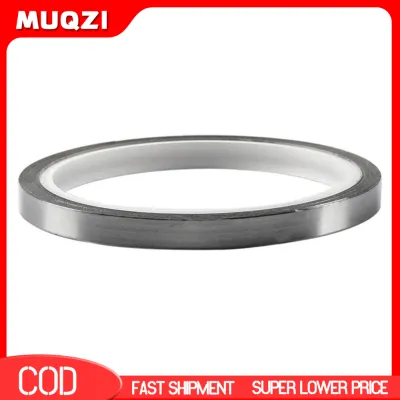
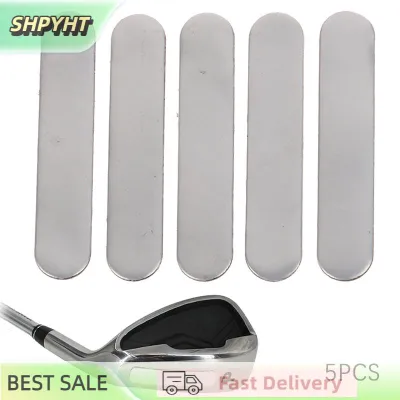
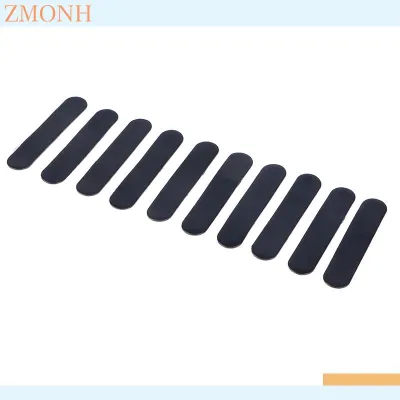
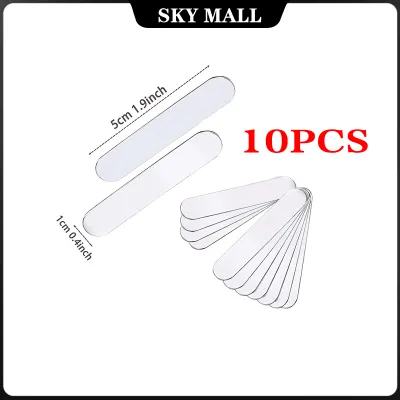
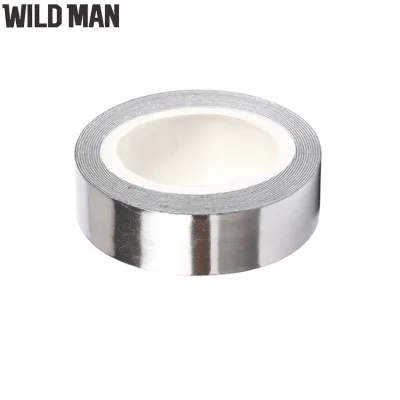
Prices are valid at publication and may change. Please refer to the product page for the latest price.
Before making any physical alterations to your clubs, it is crucial to distinguish between fundamental swing flaws and genuine equipment mismatches. If your swing path is severely out-to-in or your grip is fundamentally flawed, adding weight will not solve your directional issues. However, if your swing feels mechanically sound on the driving range but completely falls apart on the course due to a lack of physical feedback, a minor weight adjustment is a logical next step. Observing how your body responds to different weights under real playing conditions is the best way to identify if your current setup is holding you back.
What Lead Tape Can and Cannot Fix on the Course
Lead tape works by altering two primary physical properties of your golf club: swing weight and the center of gravity (CG). Swing weight is a measure of how heavy the club feels when you swing it, determined by the balance between the grip, shaft, and head. By placing lead tape directly on the clubhead, you increase this swing weight, which can slow down a quick transition, improve your overall timing, and help you deliver the clubface more consistently to the ball. Additionally, strategically placing tape on specific areas of the clubhead—such as the heel, toe, sole, or back—can subtly shift the center of gravity to encourage a slightly higher or lower launch, or assist in squaring the face.

Despite these benefits, it is vital to maintain realistic expectations about what lead tape can achieve. It cannot cure a severe slice or hook that stems from an incorrect swing path or an open clubface at impact. While placing tape on the heel of a driver can theoretically help the toe rotate closed faster, the physical shift in the center of gravity is usually too minor to overcome a major mechanical error. Similarly, lead tape will not restore massive distance losses caused by poor strike quality or inefficient energy transfer.
The true value of lead tape lies in its role as a temporary, reversible diagnostic tool. Unlike permanent modifications like changing shafts or buying new clubheads, lead tape allows you to experiment with different weight distributions without any financial risk or permanent damage to your gear. A roll of high-quality lead tape typically costs between ₱300 and ₱600 at local golf specialty shops or online marketplaces, making it an incredibly cost-effective way to test different setups. If an adjustment does not yield the desired feel or ball flight, you can simply peel it off and try a different configuration.
Handling Safety and Non-Toxic Alternatives
Because lead is a toxic heavy metal, handling lead tape requires strict adherence to safety protocols to prevent accidental ingestion or contamination. When applying or removing lead tape, always wear protective gloves to avoid direct skin contact with the metal. Once the tape is secured on the club, wash your hands thoroughly with soap and water before handling food, drinks, or touching your face. It is absolutely critical to keep lead tape rolls and discarded scraps out of reach of children and pets. Furthermore, never use sandpaper, wire brushes, or abrasive tools to smooth down or clean applied lead tape, as this can release fine lead dust into the air, presenting a severe inhalation hazard.
For golfers who prefer to avoid lead entirely, there are several non-toxic alternatives available on the market today. Tungsten tape has become increasingly popular because tungsten is denser than lead, meaning you can achieve the same weight adjustment with a smaller, more compact strip of tape. While tungsten tape is generally more expensive than traditional lead tape, it offers a completely safe, non-toxic alternative for club tuning. Additionally, many modern drivers, fairways, and hybrids come equipped with proprietary adjustable weight systems, allowing you to swap out screw-in weights to achieve the desired balance without using adhesives.
Before applying any strong adhesive tape to your clubs, always check the manufacturer’s guidelines regarding your specific clubhead finish. Some modern clubs feature delicate matte crowns, carbon composite materials, or specialized decals that can be easily damaged by strong adhesives. Applying tape directly to these sensitive areas can strip away the paint or clear coat when the tape is eventually removed. To protect your investment, stick to applying tape on the solid metal portions of the sole or back cavity, and avoid placing adhesives over intricate graphic designs or composite panels.
Next Steps: DIY Experimentation vs. Professional Fitting
If you decide to experiment with club weighting, starting with a DIY approach is an excellent way to discover your personal preferences. Begin by adding small increments of tape—usually about two grams at a time, which is roughly equivalent to a one-inch strip of standard half-inch lead tape. Take your modified club to the driving range and hit a series of shots, paying close attention to how the club feels during the transition and how your tempo responds. This low-cost, hands-on experimentation allows you to build a deeper understanding of how weight influences your swing rhythm and strike quality.
However, DIY adjustments have their limits, and there comes a point where you should stop experimenting and consult a certified club fitter. If you find yourself adding excessive amounts of tape to correct a persistent ball flight issue, or if you are struggling with complex factors like shaft flex, loft, lie angle, or severe distance gaps between your clubs, a professional fitting is necessary. A certified fitter uses advanced launch monitors to analyze your swing speed, launch angle, spin rate, and smash factor, providing precise data that no amount of guesswork with lead tape can replicate.
When transitioning from casual experimentation to precise tuning, it is highly recommended to verify your physical changes using a dedicated swing weight scale rather than relying on visual estimates. A swing weight scale measures the exact balance point of your club, ensuring that your entire set remains consistent from your driver down to your wedges. If you do not own a scale, a local golf workshop can quickly measure your clubs and help you translate your successful lead tape experiments into permanent, professional adjustments, such as installing heavier tip weights inside the shafts or adjusting the clubhead’s internal weighting.
Frequently Asked Questions (FAQ)
Does Added Clubhead Weight Increase or Decrease Swing Speed?
Adding weight to the clubhead generally decreases your raw, maximum swing speed because your muscles must work harder to move the increased mass. However, this minor reduction in raw speed is often offset by a significant improvement in swing tempo, timing, and strike quality. For many golfers, a slightly heavier clubhead prevents early release and helps deliver the clubface more square to the ball, resulting in better energy transfer and more consistent distance. It is important to monitor your personal tempo and physical fatigue during a round, as a club that feels perfect on the first hole may feel excessively heavy by the eighteenth hole in hot, humid weather.
Is Lead Tape Legal in Official Golf Tournaments?
Yes, lead tape is legal for use in official golf tournaments, provided it is applied before your round begins. Under the official Rules of Golf, lead tape is considered part of the club’s design once the round starts, meaning you cannot add, remove, or adjust the tape during competitive play. If a piece of tape accidentally falls off during a round, you are typically allowed to replace it with an identical piece to restore the club to its original state, but you must not alter the club’s playing characteristics intentionally mid-round. Always check current local rules or consult the tournament committee if you have questions about specific equipment regulations.
How to Safely Remove Lead Tape Without Damaging the Finish
To safely remove lead tape without damaging your club’s finish, start by applying mild heat to the tape using a hair dryer to soften the adhesive backing. Gently peel the tape away from the clubhead, taking care not to scrape the metal with sharp tools. Once the tape is removed, use a mild adhesive remover or rubbing alcohol that is specifically safe for golf club finishes to clean off any remaining sticky residue. If you notice any signs of the paint or clear coat peeling during the removal process, stop immediately and consult a professional clubmaker to prevent further cosmetic or structural damage to your equipment.
Community discussion
Share your experience or ask a question. Comments are reviewed before publication.