
Nylon is the foundational material for modern climbing ropes, valued for its exceptional strength, flexibility, and unique ability to stretch under load. However, before tying into any harness, every climber must understand that no piece of equipment can substitute for proper training, experience, and sound judgment. In high-risk vertical sports, selecting the correct rope is a critical safety decision that must match your specific climbing discipline, skill level, and the environmental conditions of your route.
While nylon string rope is highly versatile, its performance varies significantly depending on how the fibers are woven and treated. Understanding these material properties is essential for determining whether a nylon rope is suitable for your climbing needs or if an alternative material is required for your specific outdoor activities.
Core Material Properties of Nylon String Rope
The physical characteristics of nylon make it uniquely suited for vertical safety, but these same properties require careful management. The most critical feature of nylon is its elasticity, which allows the rope to absorb shock. When a climber falls, a dynamic nylon rope stretches to dissipate the kinetic energy, reducing the impact force on both the climber’s body and the anchor points. In contrast, static nylon ropes are designed with minimal stretch, making them highly efficient for holding loads without bouncing.
Products mentioned in this guide
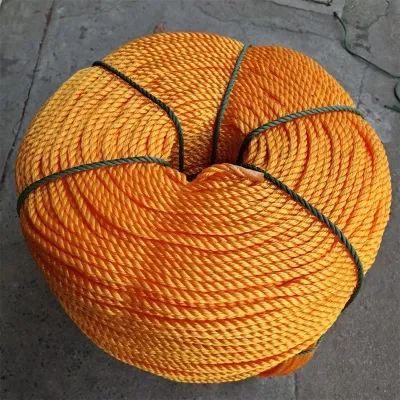
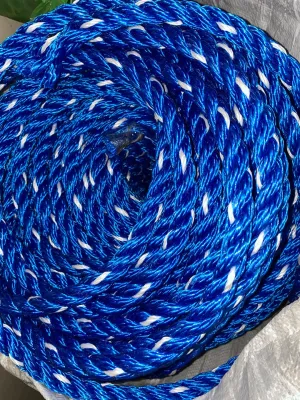
![[Hot style]Nylon Rope (Price is per 10 meters) (Lubid / Tali) 6 7 89101112mm/CARABINER](https://img.lazcdn.com/g/ff/kf/Sea076c153e2e469fbbbc0fb4c5cfc58cf.jpg_400x400q80.jpg_.webp)
Prices are valid at publication and may change. Please refer to the product page for the latest price.
Nylon also boasts an excellent strength-to-weight ratio, allowing climbers to carry long lengths of rope up steep rock faces without being weighed down. This flexibility directly influences handling, making it easier to tie secure knots, feed the rope smoothly through belay devices, and clip into quickdraws. A rope that is too stiff can be difficult to manage, especially when fatigue sets in during a long climb.
To protect the load-bearing core, climbing ropes utilize a kernmantle construction, where a braided outer sheath shields the twisted inner core. This sheath provides essential abrasion resistance, allowing the rope to withstand constant friction against rough rock surfaces, sharp edges, and metal carabiners. However, the sheath is not indestructible, and rough granite or limestone will gradually wear down the outer fibers over time.
Despite its strengths, nylon has distinct environmental vulnerabilities that climbers must monitor. Nylon naturally absorbs water, which causes the fibers to swell, increases the rope’s weight, and temporarily reduces its ability to absorb impacts. Additionally, prolonged exposure to ultraviolet (UV) radiation from the sun degrades nylon fibers, while contact with acids or harsh chemicals can cause catastrophic, unseen structural damage.
Evaluating Nylon for Different Climbing Scenarios
Choosing the right nylon rope requires matching the rope’s construction to your specific climbing activity. For lead climbing and top-roping, dynamic nylon ropes are mandatory. Because lead falls involve significant drop distances, only a dynamic rope can stretch sufficiently to keep impact forces within safe limits. Using a static rope in these scenarios can result in severe injury or gear failure.

For activities like rappelling, hauling gear, and ascending fixed lines, low-stretch or static nylon variants are preferred. When rappelling or hauling heavy packs, the elasticity of a dynamic rope becomes a disadvantage, causing frustrating bounce and wasting physical energy. Static ropes keep the line taut and stable, ensuring efficient movement up or down the rock face.
Environmental conditions also dictate your choice of nylon rope. In wet or highly humid environments, such as tropical climbing destinations in the Philippines, untreated nylon ropes can quickly become waterlogged. A wet rope is heavy to carry, difficult to handle, and prone to freezing in alpine settings. For these conditions, climbers should look for ropes treated with a manufacturer-applied hydrophobic or dry-treatment coating to resist moisture absorption.
Nylon vs. Other Climbing Rope Materials
While nylon is the industry standard for dynamic climbing, comparing it to alternative materials highlights why it remains the preferred choice for fall protection.
Polyester is a common alternative often compared to nylon. Polyester has excellent UV resistance and absorbs very little water, allowing it to maintain its strength when wet. However, polyester lacks the elasticity of nylon, meaning it cannot safely absorb the high impact forces of a lead climbing fall. This makes polyester highly suitable for static applications, such as rigging and hauling, but unsuitable as a primary dynamic climbing line.
High-modulus polyethylene (such as Dyneema or Spectra) and aramid fibers offer incredible strength-to-weight ratios and superior cut resistance. However, these materials have virtually no stretch and a significantly lower melting point than nylon. The friction generated during a rapid rappel can easily damage or melt these high-tech fibers. Consequently, while Dyneema is excellent for static slings, runners, and utility cords, it is never used for dynamic climbing ropes.
When selecting a rope, always read the manufacturer’s specification sheet rather than relying on generic marketing terms. Verify the core-to-sheath ratio, which indicates how much protective sheath material is present. Look for the dynamic elongation percentage to ensure the rope provides adequate stretch for lead falls, and check the static elongation rating if you are purchasing a rope primarily for hauling or rappelling.
Safety Checks, Maintenance, and Retirement Criteria
Because climbing is a high-risk sport, your rope must be inspected regularly to ensure its structural integrity has not been compromised.
Before every climb, perform a thorough tactile and visual inspection of the entire rope. Run the rope slowly through your bare hands, feeling for flat spots, stiff sections, or mushy areas that indicate internal core damage, often referred to as “core shots.” Visually inspect the sheath for severe fraying, cuts, sheath slippage, or glazing, which appears as melted, shiny patches caused by friction heat.
Proper maintenance extends the lifespan of your nylon rope and preserves its handling characteristics. Wash your rope by hand in cold water using a mild, rope-specific soap, and avoid harsh household detergents. Dry the rope completely in a cool, shaded, and well-ventilated area, keeping it away from direct sunlight. Store your rope in a dedicated rope bag in a cool, dark, and dry place, ensuring it is kept far away from household chemicals, acids, and battery fluids.
Knowing when to retire a rope is a critical safety skill. You must retire a rope immediately if it has sustained a severe, high-factor fall, if the core is visible through a cut in the sheath, or if the rope has come into contact with harmful chemicals. Even if a rope shows no visible damage, it must be retired once it reaches the manufacturer’s maximum recommended lifespan, which typically ranges from five to ten years depending on frequency of use and storage conditions.
Frequently Asked Questions (FAQ)
Can I use a static nylon string rope for lead climbing?
No, you must never use a static nylon rope for lead climbing. Static ropes do not have the elasticity required to stretch and absorb the energy of a fall. Falling on a static rope subjects your body, harness, and anchor points to extremely high impact forces, which can cause catastrophic gear failure or severe bodily injury. Always verify that your rope is certified as a dynamic climbing rope before lead climbing.
How does water affect the strength and handling of nylon climbing ropes?
When nylon absorbs water, its temporary strength and energy-absorption capacity are reduced, and the rope becomes significantly heavier and stiffer to handle. In wet or highly humid conditions, this can make belaying and knot-tying difficult. To mitigate these issues, climbers should check manufacturer labels for dry-treated or hydrophobic options that resist water absorption.
What safety certifications should I look for on a nylon climbing rope?
When purchasing a climbing rope, look for official safety certification marks from the UIAA (International Climbing and Mountaineering Federation) and the CE (European Conformity) standard on the physical label or manufacturer spec sheet. These certifications verify that the rope has undergone rigorous standardized testing for fall ratings, impact force limits, and sheath slippage to ensure it meets international safety requirements.
Community discussion
Share your experience or ask a question. Comments are reviewed before publication.