
Using a regular utility nylon rope for climbing is an extremely dangerous practice that carries a high risk of catastrophic equipment failure and severe personal injury. While a standard hardware store rope and a certified climbing rope may both be made of nylon, they are engineered for entirely different purposes. Standard utility ropes lack the structural design, energy-absorbing elasticity, and rigorous safety certifications required to protect a human life during a fall.
If you are currently using an uncertified utility rope, marine rope, or general-purpose hardware store cord in any part of your climbing safety system, you must stop immediately. These ropes are not designed to catch falls, support human weight in dynamic situations, or withstand the friction of climbing hardware. Replacing uncertified ropes with certified climbing gear is the only way to ensure your safety on the rock.
The Safety Verdict: Why Regular Nylon Rope Fails in Climbing
Generic nylon ropes sold at hardware stores, marine supply shops, or online marketplaces are manufactured for static utility tasks. These tasks include securing cargo, tying down tarps, or towing light loads. They are not rated for life-safety applications, which demand that a rope reliably catch a falling climber without breaking or causing severe bodily trauma.
Products mentioned in this guide
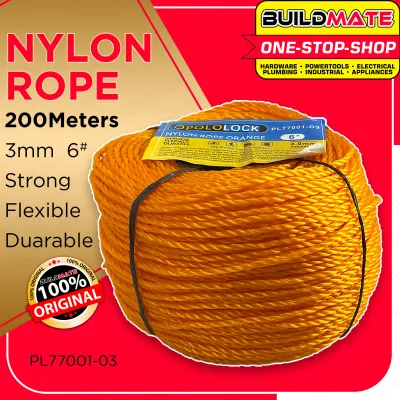


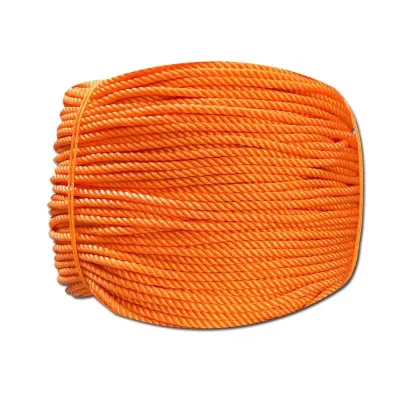
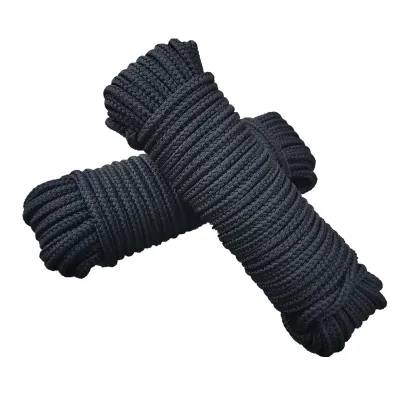
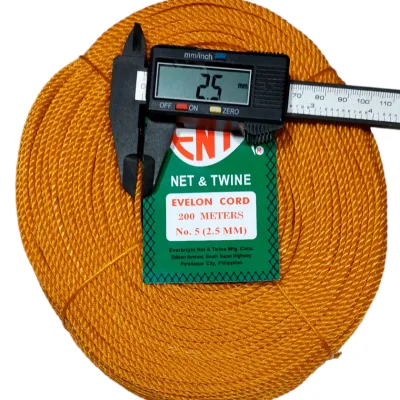
Prices are valid at publication and may change. Please refer to the product page for the latest price.
In climbing, a rope must act as a dynamic shock absorber. When a climber falls, the energy generated by the drop must be absorbed gradually to protect both the climber and the anchor points. Utility nylon ropes are typically stiff and have very little stretch, meaning they cannot absorb this energy. Using them for belaying, lead climbing, or top-roping can result in sudden rope snapping or severe impact injuries.
If you discover that any rope in your climbing kit is a non-certified utility rope, it must be retired from climbing use immediately. Do not attempt to use it for rappelling, anchors, or backup lines. Mark it clearly or cut it into short pieces so that it cannot be mistakenly used for life-safety applications in the future.
The Hidden Dangers: Impact Force and Structural Failure
When a climber falls, gravity accelerates their body downward until the rope catches them. A certified climbing rope stretches significantly to cushion this sudden stop. Regular utility nylon rope lacks this dynamic elongation, resulting in an almost instantaneous halt that generates massive impact forces.

This extreme impact force is transmitted directly to the climber’s body, the harness, the carabiners, and the rock anchors. Without the cushioning effect of a dynamic rope, the force can easily exceed the breaking strength of utility ropes or rip anchors straight out of the rock face. For the climber, this sudden deceleration can cause severe internal injuries, spinal trauma, or broken bones, even if the rope itself does not break.
Furthermore, utility ropes do not undergo the standardized, rigorous fall testing required for climbing gear. Certified climbing ropes must pass strict tests that simulate repeated, high-impact falls. Utility ropes have unknown tensile strengths under dynamic conditions, meaning there is no guarantee of how they will perform when subjected to the sudden shock of a human fall.
Environmental factors also pose a major threat to uncertified ropes. Regular nylon utility ropes are highly vulnerable to abrasion, ultraviolet (UV) degradation from intense tropical sunlight, and hidden core damage. Because they lack a specialized protective sheath, a single rub against a sharp rock edge under tension can easily slice through a utility rope, leading to immediate structural failure.
Choosing the Right Certified Rope: Dynamic vs. Static
To stay safe while climbing, you must understand the difference between the two primary categories of certified ropes: dynamic ropes and static ropes. Both serve specific roles in vertical sports, and using the wrong type for the wrong activity can be just as dangerous as using a hardware store rope.
Dynamic ropes are the standard choice for lead climbing and top-roping. They are engineered with highly twisted nylon core fibers that allow the rope to stretch by a significant percentage under load. This elasticity acts as a shock absorber, keeping the impact forces on your body and gear well within safe limits during a fall.
Static ropes, on the other hand, are designed to have minimal stretch. They are used strictly for activities where you do not expect to fall on the rope, such as rappelling, caving, ascending fixed lines, hauling heavy gear, or performing rescue operations. Never use a static rope for lead climbing or top-roping, as a fall on a static line can generate dangerous impact forces similar to those of a utility rope.
Both dynamic and static climbing ropes utilize a specialized kernmantle construction. This design features an inner core (the “kern”) that provides the rope’s strength and elasticity, protected by a tightly woven outer sheath (the “mantle”). The sheath shields the load-bearing core from dirt, grit, moisture, and abrasion, while also providing the smooth handling characteristics needed to run safely through belay devices and carabiners.
How to Inspect and Verify Your Rope's Safety Standards
Before trusting any rope with your life, you must verify that it meets international safety standards and is in pristine physical condition. Investing in certified gear is essential, and a high-quality dynamic climbing rope typically costs several thousand ₱—a small price to pay for reliable protection on the rock.
Always look for official safety labels on the rope’s end tags or packaging. Certified climbing ropes must carry certifications from the UIAA (International Climbing and Mountaineering Federation) or European standards such as CE and EN (specifically EN 892 for dynamic ropes and EN 1891 for static ropes). If a rope does not have these markings, do not use it for climbing.
Regular physical inspections are critical to maintaining safety. Before every climbing session, perform a visual and tactile check of your entire rope:
- Feel for core damage: Run the entire length of the rope through your hands, feeling for flat spots, soft or mushy sections, or stiff lumps that suggest internal core damage.
- Inspect the sheath: Look closely for "core shots," which occur when the outer sheath is cut or worn through, exposing the white inner core fibers.
- Check for wear: Look for excessive fuzziness, severe abrasion, or discoloration that might indicate chemical exposure or UV damage.
Knowing when to retire a rope is just as important as inspecting it. You must retire a climbing rope immediately if it has sustained a severe fall, been exposed to harmful chemicals (such as battery acid, fuels, or harsh solvents), or if the core feels compromised. Even if stored perfectly in a cool, dry place away from tropical humidity and direct sunlight, most manufacturers recommend retiring a rope after ten years from its manufacture date due to natural fiber degradation.
When Is Regular Nylon Rope Actually Safe to Use Outdoors?
While regular utility nylon rope has no place in a climbing safety system, it remains a highly useful tool for non-life-critical outdoor tasks. Understanding where utility rope is appropriate allows you to utilize its strengths without compromising your safety.
Utility ropes are excellent for camp organization and gear management. You can safely use them to secure gear to a vehicle roof rack, rig tarps and rainfly shelters to protect against sudden tropical downpours, hang wet clothes, or suspend food bags out of reach of wild animals. These applications do not involve dynamic forces or human weight, making utility-grade cordage perfectly acceptable.
When using utility ropes, always stay well below the manufacturer’s working load limit. Keep in mind that knots can reduce a rope’s strength significantly, and prolonged exposure to moisture, dirt, and sunlight will weaken utility fibers over time.
To prevent dangerous mistakes, maintain a strict physical boundary between your utility ropes and your climbing gear. Store them in separate bags and never use similar colors or diameters that could lead to a mix-up in a high-stress or low-light situation. Once a rope is designated for utility use, it must never be transitioned back to a life-safety role.
Frequently Asked Questions (FAQ)
Can I use paracord or utility cord for climbing anchors?
No, you should never use standard paracord or generic utility cord to build climbing anchors. Paracord (such as 550 cord) is designed for light utility tasks and lacks the tensile strength and abrasion resistance required to hold climbing loads. For anchor building, you must use certified accessory cords (typically 7mm or thicker) or sewn slings made of high-strength materials like nylon or Dyneema that are specifically rated for climbing forces.
How do I know if an old climbing rope is still safe to use?
An old climbing rope is only safe to use if it passes a thorough visual and tactile inspection, has been stored correctly, and falls within the manufacturer’s recommended lifespan. In warm, humid tropical climates, ropes must be stored in a cool, dry, and dark place to prevent mold, mildew, and accelerated fiber degradation. If the rope has a history of severe falls, shows visible core exposure, feels stiff or lumpy, or is older than the manufacturer’s retirement limit, it must be retired immediately.
Community discussion
Share your experience or ask a question. Comments are reviewed before publication.