
Quick Answer: Is the AquaFlask 40 oz Right for You?
The AquaFlask 40 oz is highly suitable for individuals with high daily hydration goals, those working long shifts, or outdoor enthusiasts who spend extended hours in hot, humid conditions. In the tropical climate of the Philippines, where rapid sweating accelerates fluid loss, this 1.18-liter capacity helps you maintain consistent hydration without requiring constant refills. However, this model is often too heavy or bulky for light daily commutes, small bags, or standard vehicle cup holders. Deciding on this size requires balancing your physical carrying capacity against your daily hydration needs. If you have easy access to water dispensers and prioritize a lightweight, compact bottle, a smaller size like the 22 oz or 32 oz may be a more practical choice.
Matching Capacity to Your Daily Hydration Goals
Living in a tropical environment means your body constantly works to regulate its internal temperature. High humidity levels in metropolitan areas like Manila, Cebu, or Davao mean sweat does not evaporate as quickly, requiring consistent fluid replenishment to avoid dehydration. For active individuals, outdoor workers, or those spending long hours in non-air-conditioned spaces, standard water bottles often fall short, necessitating frequent trips to water dispensers.

The AquaFlask 40 oz capacity translates to approximately 1.18 liters of fluid. For many, this volume represents more than half of the recommended baseline daily water intake in a single fill. If you work a standard eight-hour shift or engage in a two-hour high-intensity workout, carrying a 40 oz bottle ensures you have a continuous supply of cold water. This is particularly advantageous in settings where clean drinking water is not readily accessible, such as outdoor sports courts, construction sites, or long road trips.
Products mentioned in this guide
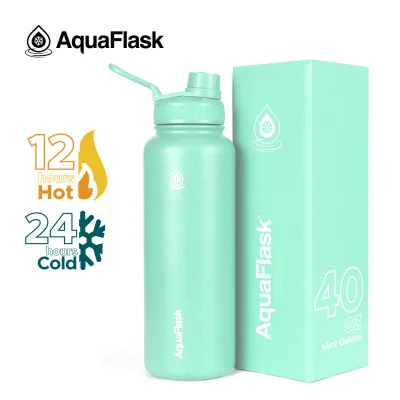
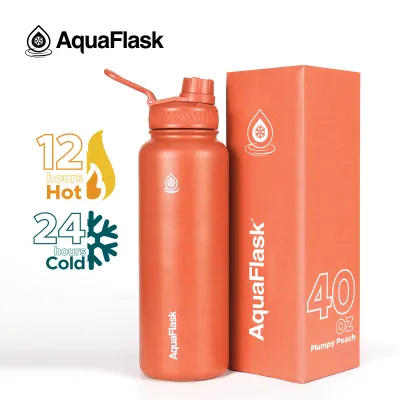
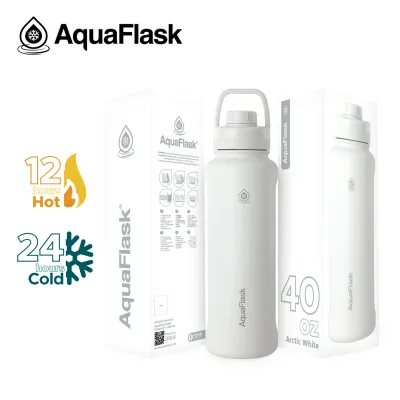
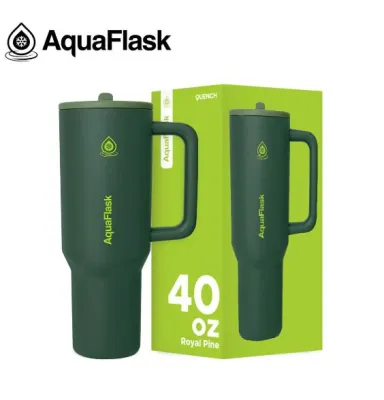
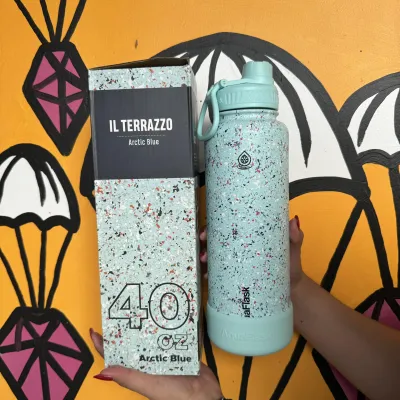
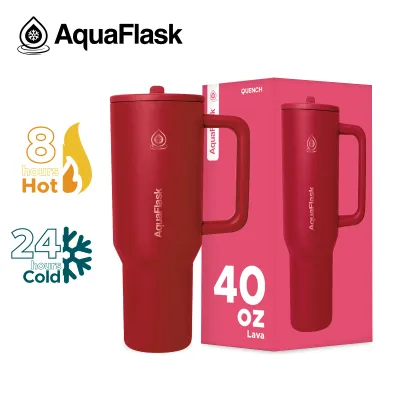
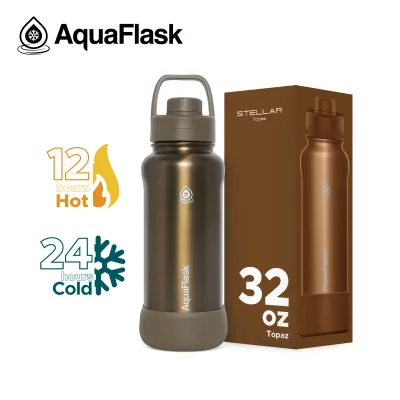
Prices are valid at publication and may change. Please refer to the product page for the latest price.
To determine if this capacity aligns with your routine, try tracking your water consumption for three consecutive days. Note how many times you refill a smaller glass or bottle. If you find yourself refilling a standard 500 ml bottle three or more times a day, upgrading to a 40 oz bottle will streamline your routine by reducing those interruptions. This capacity is especially beneficial for endurance training, all-day field assignments, or desk-bound professionals who want to maintain their hydration flow without leaving their workstations every hour.
Furthermore, the double-wall vacuum insulation technology works by creating a vacuum gap between two stainless steel walls, preventing heat transfer via conduction or convection. This physical property is more effective when the volume of cold liquid is larger, meaning a 40 oz bottle will naturally hold its temperature longer than a 14 oz or 18 oz bottle under identical external conditions. If you find yourself in environments where ice melts rapidly, the larger thermal mass of the 40 oz model provides a distinct advantage.
Additionally, having a large reservoir of cold water can be a lifesaver during sudden power outages or water supply interruptions, which are not uncommon in some regions. Knowing you have over a liter of ice-cold water at your desk or in your vehicle provides peace of mind, allowing you to focus on your tasks without worrying about where to source your next drink.
Portability, Weight, and Everyday Carry
While the benefits of a high-capacity insulated bottle are clear, the physical realities of carrying a 40 oz container require careful consideration before purchase.
Weight Considerations: A key factor is the total weight when the bottle is filled to capacity. One liter of water weighs exactly one kilogram, meaning the 1.18 liters of water inside a full 40 oz AquaFlask adds approximately 1.18 kilograms of weight. When you combine this with the empty weight of the double-wall vacuum insulated stainless steel flask—which typically ranges from 450 to 550 grams depending on the lid assembly—the total weight of a fully filled bottle approaches 1.7 kilograms. Carrying this weight by hand or in a tote bag during a walking commute can cause physical strain over time.
Bag and Backpack Fit: The physical dimensions of a 40 oz bottle are substantially larger than its smaller counterparts. These bottles generally feature a diameter of around 9 centimeters and a height exceeding 26 centimeters. Before purchasing, it is highly recommended to measure the elastic side pockets of your daily backpack. Standard side pockets designed for compact umbrellas or 500 ml plastic bottles may not stretch enough to accommodate a 40 oz stainless steel flask. Forcing a wide bottle into a tight pocket can damage the stitching or throw off your physical balance while walking.
Cup Holder Compatibility: Vehicle integration is another common challenge for owners of larger insulated flasks. Most standard car, jeepney, or ride-sharing vehicle cup holders are designed for containers with a base diameter of 7 to 8 centimeters. Because the 40 oz AquaFlask base is wider, it typically will not fit into these standard slots, forcing you to lay the bottle horizontally on a seat or floorboard. While the leak-proof seals generally prevent spills, a rolling heavy bottle can be a distraction or safety hazard while driving.
Handle and Lid Ergonomics: Given the weight and bulk of a 40 oz bottle, the choice of lid and handle design directly impacts usability. Models equipped with a wide, durable plastic loop handle or a flexible strap make carrying the bottle much more manageable. When drinking from a heavy bottle, a chug cap or a straw lid can prevent accidental spills on your face or clothing, as tilting a wide-mouth 1.7-kilogram bottle requires significant control.
Durability and Protection: The high kinetic energy of a fully filled 40 oz bottle means that accidental drops can lead to significant damage. If a 1.7-kilogram stainless steel container slips from your hands onto concrete or asphalt, it is highly likely to suffer deep dents or scratches, which can sometimes compromise the vacuum seal and ruin its insulation properties. To mitigate this risk, many users opt for protective silicone boots or paracord handles. While these accessories offer excellent protection and improved grip, they also add a small amount of extra weight and width to the bottle’s base, which you must account for when measuring your bags and cup holders.
AquaFlask Size Comparison: What to Verify Before Buying
To help you evaluate how the 40 oz option compares to other popular sizes in the product lineup, it is helpful to look at how different capacities align with typical daily routines. The table below outlines key practical considerations for each major size tier.
| Size Tier | Ideal Routine | Refill Frequency | Carry Style | Base Diameter Check |
|---|---|---|---|---|
| 18 oz / 22 oz | Short commutes, school days, quick gym sessions | High (3-4 refills/day) | Fits easily in small bags, hand carry, standard cup holders | Fits standard cup holders (approx. 73 mm) |
| 32 oz | Standard office days, moderate workouts, hybrid routines | Medium (2 refills/day) | Fits larger backpack side pockets, moderate hand carry weight | May fit some larger cup holders (approx. 90 mm) |
| 40 oz | Long shifts, outdoor sports, field work, minimal refill access | Low (1-2 refills/day) | Main backpack compartment, heavy hand carry, dedicated sling | Rarely fits standard cup holders (approx. 91-95 mm) |
Note: Always verify the exact millimeter dimensions and empty weight on the specific product packaging or the manufacturer’s official listing, as manufacturing tolerances and lid accessories can alter the total height and base width.
Choosing between these sizes involves a direct trade-off between thermal volume and physical convenience. Smaller sizes offer maximum portability, are easier to clean in standard kitchen sinks, and fit effortlessly into active lifestyles where mobility is key. Conversely, the 40 oz model provides superior total temperature retention volume—meaning a larger mass of ice and water stays cold longer in high ambient temperatures—but sacrifices compact handling.
When comparing these options, consider the cleaning process as well. A wider, deeper bottle like the 40 oz requires a long-handled bottle brush to clean the bottom effectively. If you do not have the proper cleaning tools, residue from sports drinks or tea can build up over time, especially in warm, humid climates where mold and bacteria thrive. Smaller bottles are generally easier to wash in standard sinks, making them slightly more convenient for daily maintenance.
Additionally, think about how you plan to transport the bottle. If you ride a motorcycle or a bicycle as your primary mode of transport, a 40 oz bottle will not fit into standard bicycle bottle cages or small under-seat storage compartments. In contrast, an 18 oz or 22 oz bottle is much more accommodating for active transport setups, allowing you to stay hydrated on the road without needing a large backpack.
Decision Guide: Which AquaFlask Size Fits Your Routine?
To finalize your decision, assess your daily environment, physical capabilities, and hydration targets against these specific criteria.
Choose the 40 oz if:
- You spend long hours away from clean water sources, such as during outdoor construction, field research, or extended road trips.
- You participate in strenuous sports or outdoor activities like hiking, basketball, or cycling where you require immediate access to large volumes of cold water.
- Your daily routine is primarily stationary, allowing you to keep the bottle on an office desk, a gym floor, or next to you in a workspace without needing to carry it over long walking distances.
- You want to ensure your water remains ice-cold throughout a long, hot day in a tropical setting without needing to search for ice refills.
- You work long shifts, such as in BPO centers or healthcare facilities, where leaving your workstation frequently for refills is inconvenient or disruptive to your productivity.
Choose a smaller size (such as the 18 oz, 22 oz, or 32 oz) if:
- Your daily commute involves extensive walking, public transit transfers, or tight spaces where a heavy, wide bottle would be a physical burden.
- You require your bottle to fit reliably into standard vehicle cup holders, bicycle bottle cages, or small backpack side pockets.
- You have access to clean water dispensers throughout the day and do not mind refilling your bottle multiple times.
- You prefer a bottle that is lightweight and easy to hold with one hand, making it suitable for quick sips on the move.
- You want a bottle that is easy to clean and maintain without requiring specialized long-handled brushes or deep-cleaning tablets.
Verify first if:
- You are purchasing the bottle for a child or an elderly family member, as the weight of a full 40 oz bottle can make it difficult for them to lift and pour safely.
- You have specific ergonomic grip limitations or joint pain that could be aggravated by lifting a 1.7-kilogram container repeatedly.
- You plan to use the bottle with specialized outdoor gear, such as hiking packs with integrated hydration sleeves or bicycle cages. Always cross-reference the manufacturer's exact specifications with your existing equipment to ensure a secure fit.
Ultimately, the most effective insulated bottle is the one that seamlessly integrates into your daily life. A bottle that is too large may end up left at home, while one that is too small may leave you dehydrated. Choose the size that matches your actual physical habits rather than just your aspirational hydration targets.
Frequently Asked Questions (FAQ)
How many liters is a 40 oz AquaFlask?
A 40 oz AquaFlask holds approximately 1.18 liters of liquid. This volume represents more than half of the standard daily fluid intake recommended for adults. In hot and humid climates like the Philippines, where active individuals may require higher fluid intake to offset sweat loss, one full 40 oz bottle provides a substantial foundation for your daily hydration needs.
Will a 40 oz AquaFlask fit in a standard car cup holder?
Generally, a 40 oz AquaFlask will not fit in standard car cup holders. These bottles typically feature a base diameter of over 90 millimeters, which exceeds the width of standard vehicle cup slots. To avoid the bottle rolling around during your drive, you can look for specialized cup holder expander accessories or opt for a smaller bottle size if vehicle compatibility is a priority for your daily commute.
Is the 40 oz AquaFlask too heavy for hiking?
Whether a 40 oz AquaFlask is too heavy for hiking depends on the trail length, your physical fitness, and your carrying setup. When fully filled, the bottle weighs approximately 1.7 kilograms. For short day hikes or stationary outdoor activities, the high capacity and excellent temperature retention are highly beneficial. However, for long, steep, or strenuous treks where minimizing pack weight is critical to reducing fatigue, hikers often prefer lighter, non-insulated bottles or flexible hydration bladders.
Community discussion
Share your experience or ask a question. Comments are reviewed before publication.