
Whether the Island Elephant belt bag is suitable for running depends on how well its physical design handles the unique demands of high-impact movement. While many casual waist bags work well for walking or travel, running requires a specialized balance of stability, moisture protection, and secure storage. In tropical climates where high humidity and sudden downpours are common, choosing the wrong gear can lead to chafing, water damage to your electronics, or an uncomfortable, bouncing load.
To determine if this belt bag fits your active lifestyle, you must evaluate its structural features against your specific running habits. By conducting a few simple physical checks and understanding the mechanics of running gear, you can decide if this accessory will support your training or if you need a more specialized athletic harness.
Evaluating the Island Elephant Belt Bag for Running
Before taking any new gear out on the road, you must understand the three core pillars of running belt performance: stability, accessibility, and moisture management. A quality running accessory must remain flush against your body without shifting, allow you to retrieve items quickly without stopping your stride, and protect your valuables from both external rain and heavy body sweat.
Products mentioned in this guide
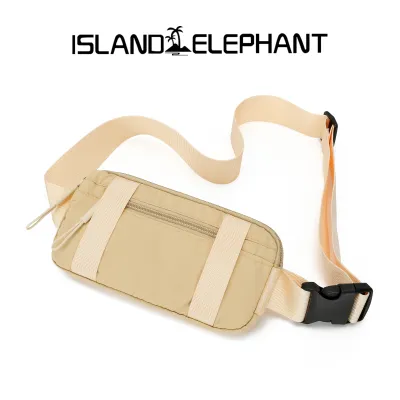
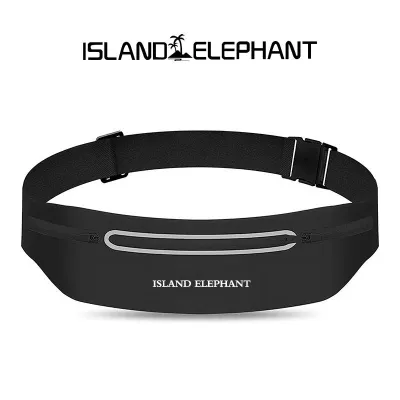
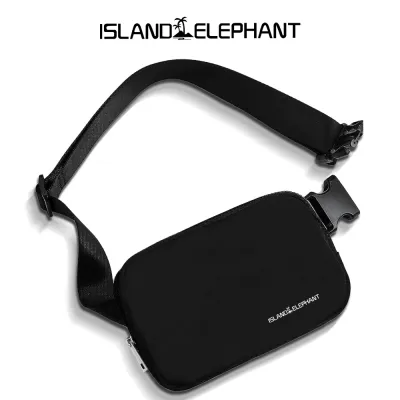
Prices are valid at publication and may change. Please refer to the product page for the latest price.
When assessing the Island Elephant belt bag, start by examining the manufacturer’s product labels and specifications. Look closely at the listed materials, dimensions, and intended use cases. Many lifestyle bags are designed primarily for aesthetic appeal and casual carrying, meaning they may lack the technical fabrics or tension systems found in dedicated marathon gear.
To verify if this bag is ready for the road, you should perform a manual inspection of its construction. Check the seams for reinforced stitching, observe how the strap connects to the main pocket, and feel the weight of the empty bag. A bag that feels heavy or rigid before you even pack your gear is highly likely to cause discomfort once you pick up your pace on a hot afternoon run.
Bounce-Free Fit and Adjustability
Vertical oscillation is an unavoidable part of running, meaning any loose item around your waist will bounce up and down with every stride. To prevent this, a running belt relies on a secure, adjustable strap system that distributes weight evenly across your hips or waist. When evaluating the Island Elephant belt bag, inspect the width and elasticity of the strap.

Strap Width and Elasticity
- Narrow Straps: Straps that are too thin tend to dig into the skin, especially when the bag is loaded with a heavy smartphone. This can cause localized pressure and painful chafing over longer distances.
- Wide Straps: A wider strap distributes the weight over a larger surface area, keeping the bag stable against your lower back or pelvis.
- Elastic Tension: Some elasticity is helpful to accommodate your breathing, but excessive stretch can cause the bag to sag and bounce when you run. Look for a firm, high-density weave that offers structural support.
Next, closely examine the buckle and adjustment sliders. During a run, the repetitive pulling motion of your hips can cause loose adjustment clips to slip, gradually loosening the belt. Test the buckle by pulling firmly on both ends of the strap; if the fabric slides easily through the plastic adjuster without manual assistance, the belt is likely to loosen during a workout.
Finally, consider how the strap accommodates your body’s natural movement. As you run, your midsection expands and contracts with your breathing. The belt must be adjustable enough to sit snugly on your hip bones—which minimizes bounce—without restricting your diaphragm. If the adjustment range is too limited, you may find yourself forced to wear the bag too high or too tight, leading to discomfort.
Phone Compartment and Storage Capacity
Carrying a modern smartphone is a necessity for many runners, whether for safety, navigation, or tracking workouts. However, because modern devices are relatively large and heavy, they require a dedicated, snug compartment to prevent shifting. If your phone is allowed to slide around inside a loose pocket, it will create an uneven weight distribution and potentially damage other items.
Before purchasing, measure your phone—including its protective case—and compare those measurements to the internal dimensions of the Island Elephant belt bag. A proper fit should be snug but not so tight that you struggle to slide the phone out in an emergency. If the compartment is too large, you can insert a small microfiber cloth to fill the empty space and damp down any internal movement.
Storage Organization Checklist
- Dedicated Phone Sleeve: Keeps the heaviest item close to your body to minimize leverage and bounce.
- Key Clips or Loops: Secures your house or car keys so they do not scratch your phone screen or rattle while you move.
- Card and Cash Slots: Eliminates the need for a bulky wallet, keeping your carrying profile as slim as possible.
- External Attachment Points: Useful for securing energy gels or small accessories, though these can increase bounce if overloaded.
- Zipper Security: Ensure the zippers feature locking pulls or fabric garages to prevent them from sliding open under constant vibration.
Accessibility is another critical factor to test. You should be able to reach into the bag, retrieve an energy gel or slide your phone out, and zip the compartment back up using only one hand. If the zipper sticks or the fabric collapses when empty, you may have to stop running entirely just to access your gear, disrupting your training rhythm.
Sweat Resistance and Material Durability
Running in tropical conditions means dealing with high humidity and intense perspiration. If a belt bag is made from highly absorbent, non-treated fabrics, it will act like a sponge, soaking up sweat and transferring moisture directly to your phone, cash, or car key fobs. Over time, salt buildup from sweat can also degrade fabrics and corrode metal components.
Inspect the outer shell and the inner lining of the bag for water-resistant properties. Look for materials like nylon or polyester with a polyurethane (PU) coating, or check the product specifications for water-repellent ratings. A truly protective running bag often features a moisture barrier between the main compartment and your body, preventing sweat from seeping through the back panel.
Hardware and Durability Checks
- Zipper Tracks: Look for rubberized or sealed zipper tracks, which help block rain and sweat from entering through the teeth.
- Pull Tabs: Large, textured plastic or cord pull tabs are easier to grip with sweaty fingers than small, polished metal tabs.
- Metal Hardware: Avoid bags with heavy metal buckles or non-treated iron zippers, as these will quickly rust when exposed to salty sweat and humid air.
- Stitching: Double-stitched seams and bound edges prevent fraying when the bag is subjected to frequent washing and stretching.
Proper maintenance is essential to preserve the life of your gear. Because running accessories accumulate sweat, oils, and bacteria, they require regular cleaning. Always check the internal care label of your Island Elephant belt bag before washing. Hand-washing in cool water with a mild detergent and allowing the bag to air-dry away from direct sunlight is generally the safest way to prevent the elastic and water-resistant coatings from breaking down.
Cross-Scenario Compatibility: Running vs. Daily Use
One of the main appeals of a versatile belt bag is its ability to transition from a morning workout to afternoon errands. Specialized running belts are often ultra-minimalist, looking out of place when worn with casual clothing. Conversely, a stylish belt bag like the Island Elephant can easily complement everyday streetwear, making it a highly practical multi-use accessory.
However, this cross-scenario design involves clear trade-offs. A bag designed to look good over a casual t-shirt or jacket may feel bulky or heavy when worn over a lightweight running singlet. When worn under running apparel, a structured bag can create noticeable bulges and rub against your skin, whereas specialized running bands are designed to lay completely flat.
If you plan to use the bag for both running and daily activities, evaluate how its materials hold up to different environments. The rugged canvas or thick polyester fabrics common in daily-use bags are highly durable against scratches and daily wear, but they lack the breathability of athletic mesh. If your primary goal is high-performance training or long-distance running, you may find that a dedicated, lightweight running belt serves you better, while the Island Elephant belt bag remains your go-to choice for casual walks, travel, and light jogging.
Frequently Asked Questions (FAQ)
Can I wear the Island Elephant belt bag over my jacket in cooler weather?
Yes, you can wear the belt bag over a jacket or windbreaker, but you will need to adjust your setup to maintain stability. Thicker clothing layers change the circumference of your waist, requiring you to loosen the strap. This extra fabric can also reduce the friction between the belt and your body, which may cause the bag to slide upward toward your chest or bounce more than usual during your run.
To minimize this issue, adjust the strap so that it fits snugly over your outermost layer without restricting your movement. Position the bag lower on your hips, where the natural flare of your body helps keep it from riding up. If your jacket is made of a slippery synthetic material, you may need to tighten the belt slightly more than you would when wearing a standard cotton t-shirt.
How should I clean the belt bag after a sweaty run?
To keep your belt bag hygienic and free of odors, you should clean it regularly after high-intensity workouts. Always start by checking the internal care label for specific manufacturer instructions. If no specific instructions are available, hand-washing is the safest method to protect the bag’s shape, elastic straps, and water-resistant coatings.
Fill a basin with cool water and add a small amount of mild, sports-specific detergent or gentle soap. Submerge the bag and gently agitate it with your hands, paying close attention to the back panel and straps where sweat accumulates. Rinse thoroughly with clean water, gently squeeze out the excess moisture without wringing or twisting the fabric, and hang it to air-dry in a well-ventilated area away from direct sunlight or heat sources.
Community discussion
Share your experience or ask a question. Comments are reviewed before publication.