
Evaluating whether a waist bag is suitable for running requires looking past basic aesthetics. While the Island Elephant waist bag is a popular choice on various online marketplaces, its performance on the road or trail depends heavily on how well its design handles the physical demands of high-impact movement. For runners in the Philippines, where tropical humidity and sudden downpours are common, a waist bag must do more than just hold keys; it must resist bouncing, protect electronics from sweat, and remain comfortable over long distances. Before making a purchase, runners should systematically evaluate several key design features to ensure the bag supports their training rather than causing distraction.
By focusing on practical design elements like strap elasticity, compartment layout, and material breathability, you can determine if this gear fits your running style. This guide provides a comprehensive pre-purchase checklist to help you assess the bag’s features and perform essential tests before your first workout.
Assessing Bounce Resistance and Fit for Running
When you run, your body experiences continuous vertical oscillation. Any gear worn around your waist must be able to absorb this movement without shifting, sliding, or bouncing against your body. To evaluate the bounce resistance of the waist bag, start by inspecting the belt material. A high-quality running belt typically features a wide, semi-elastic strap. The width is crucial because a wider strap distributes the weight of your items more evenly across your hips, preventing the band from digging into your skin or riding up toward your stomach as you stride.
Products mentioned in this guide
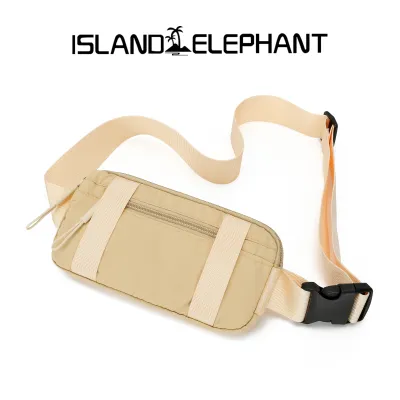
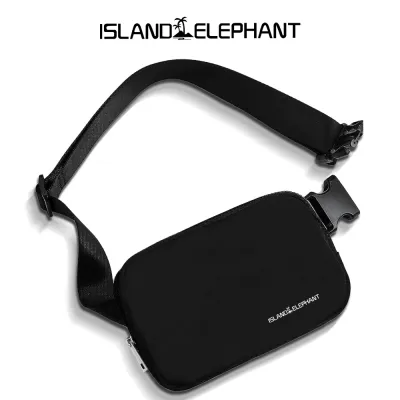
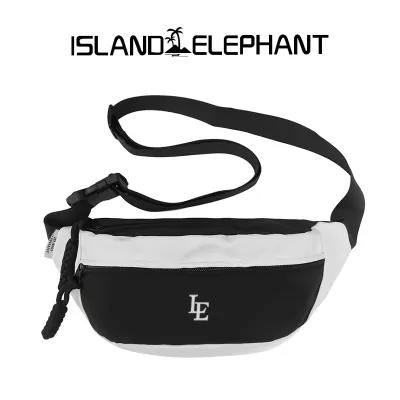
Prices are valid at publication and may change. Please refer to the product page for the latest price.
Next, examine the buckle mechanism. Many sports waist bags use quick-release plastic buckles, while others rely on hook-and-loop fasteners. For running, a heavy-duty quick-release buckle is generally preferred because it locks securely under tension. You should verify that the adjustment sliders hold the strap firmly in place. If the strap material is too slick, the sliders may gradually loosen under the repeated impact of your stride, forcing you to stop and retighten the belt mid-run.
Finally, check the adjustable length range against your actual body measurements. Keep in mind that many runners prefer to wear their waist bags low on the hips rather than at the natural waistline to minimize bounce. Measure your circumference at the exact position you plan to wear the bag. Ensure the bag’s minimum and maximum adjustment limits accommodate your size comfortably, leaving enough room for a snug fit over different types of running apparel.
Evaluating Phone Security and Storage Layout
Modern smartphones are larger and heavier than ever, making phone security a primary concern for runners. A bouncing phone not only causes physical discomfort but can also throw off your running gait. Before purchasing, compare the dimensions of the bag’s main compartment with your specific phone model. Do not rely solely on the phone’s base specifications; measure your phone with its protective case on, as thick shockproof cases can significantly increase the overall bulk.

Another critical factor is the internal storage layout. A single, undivided pocket forces your phone to share space with other essentials like keys, coins, or energy gels. During a run, these items will inevitably shift and rub against each other, which can scratch your phone screen or damage its camera lens. Look for a waist bag that features internal dividers, dedicated key clips, or separate side pockets. This separation keeps your heavy phone centered and secure while isolating sharp objects.
Additionally, inspect the closure type used for the main compartment. Zippers are the standard, but they must be durable enough to withstand the outward pressure of a packed bag. Look for zippers that feature a locking pull tab or a fabric garage at the end of the track. These features prevent the zipper from slowly sliding open due to the vibrations of your stride, ensuring your valuable electronics do not slip out onto uneven terrain.
Checking Sweat Management and Material Durability
Running in a tropical climate means dealing with high heat and heavy perspiration. If a waist bag lacks proper sweat management, moisture can easily seep through the fabric and damage your phone or car key fob. Begin your evaluation by reviewing the back panel material, which is the side that rests directly against your body. A breathable mesh backing or a moisture-wicking fabric is essential, as it allows heat to escape and reduces the risk of skin irritation, chafing, and heat rash.
Beyond breathability, you must check the outer fabric’s water-resistance. While very few running bags are entirely waterproof, the material should at least carry a splash-proof or water-resistant rating. This protection is typically achieved through tightly woven synthetic fabrics like nylon or polyester, often treated with a water-repellent coating. This barrier prevents sweat from penetrating the storage compartment from the inside, while also protecting your gear from sudden rain showers.
Durability is another key consideration, especially if you plan to use the bag for daily training. Inspect the stitching around high-stress areas, such as the points where the belt attaches to the main pocket. Double-stitched seams and reinforced bar tacks are indicators of a bag built to withstand repeated stretching. Because running gear requires frequent cleaning to prevent odor and bacteria buildup, the materials must also be durable enough to survive regular washing without losing their elasticity or water-resistant properties.
How to Test the Waist Bag Before Your First Run
Once you purchase a waist bag, performing a few simple indoor tests before heading out for a run can save you from discomfort and potential gear damage. First, load the bag with the exact items you plan to carry on a typical run, such as your phone, house keys, and hydration flasks if applicable. Put the bag on, adjust the strap to a snug fit, and perform a high-knee test or jump in place for thirty seconds. If the bag bounces excessively, sags, or rotates around your waist, try adjusting the tension or shifting its position on your hips.
During this indoor test, pay close attention to potential chafing points. Walk around your home and pay attention to how the strap, buckle, and zipper tabs interact with your body. If you feel any rubbing or pinching against your hip bones or lower back, the bag may cause painful chafing during a long, sweaty outdoor session. Adjusting your clothing layer—such as tucking in your shirt or wearing high-waisted shorts—can sometimes resolve these friction points.
Lastly, if you prefer running during the early morning or late evening to avoid the midday heat, check the bag for reflective elements. Turn off the lights in a room and shine a flashlight or smartphone light at the bag from a distance. Highly visible reflective strips or logos are crucial safety features, ensuring that motorists and cyclists can spot you easily in low-light conditions along your running route.
Frequently Asked Questions (FAQ)
Can I wash the Island Elephant waist bag after sweaty runs?
Yes, but you must check the manufacturer’s care label first to preserve the bag’s materials. Generally, hand-washing with cool water and a mild detergent is the safest method to clean running gear. Avoid using fabric softeners, as they can clog the pores of breathable mesh and degrade water-resistant coatings. Always air-dry the bag in a shaded, well-ventilated area; never use a machine dryer, as high heat can warp plastic buckles and ruin the elastic fibers in the belt.
Will the waist bag fit larger smartphones with thick cases?
This depends on the specific model of the waist bag and the dimensions of your phone case. To ensure a proper fit, measure your phone with its case on and compare those measurements to the bag’s stated pocket dimensions. Keep in mind that fabric stretch has limits; forcing a large, heavily cased phone into a tight compartment can strain the zippers and seams, leading to premature wear or zipper failure during your run.
Community discussion
Share your experience or ask a question. Comments are reviewed before publication.