
If you are trying to squeeze a functional workout space into a modern studio or one-bedroom condominium, finding equipment that fits your physical space without disrupting your daily life is a major hurdle. The kingsmith r1 pro is frequently highlighted as a practical solution for urban residents who want to maintain their fitness routines without sacrificing valuable floor space. However, before purchasing this folding treadmill, you must carefully evaluate how its physical dimensions, weight, and operational requirements align with your specific condo layout and lifestyle.
While the machine is designed to fold in half to minimize its footprint, its real-world usability depends on more than just folded storage. You need to account for active safety zones during workouts, the physical effort required to move a heavy piece of equipment daily, and the acoustic impact of your steps on the neighbors living directly below you. Reviewing these spatial and structural factors will help you determine if this model is truly the right fit for your home.
Unfolded Dimensions and Active Workout Clearance
To determine if this machine will physically fit your room during a workout, you must start with its operational footprint. When fully extended with the handrail raised, the treadmill measures approximately 1460 mm (57.5 inches) in length, 720 mm (28.3 inches) in width, and 900 mm (35.4 inches) in height. While this footprint is significantly smaller than that of a commercial gym treadmill, simply having a clear floor area of this exact size is not enough to guarantee a safe workout environment.
Products mentioned in this guide
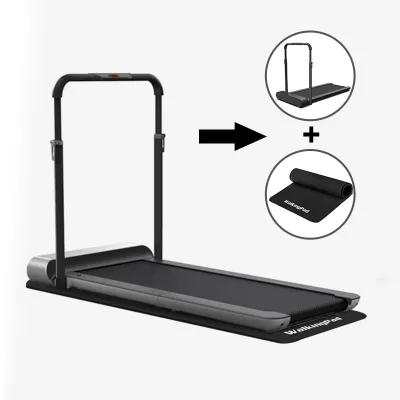
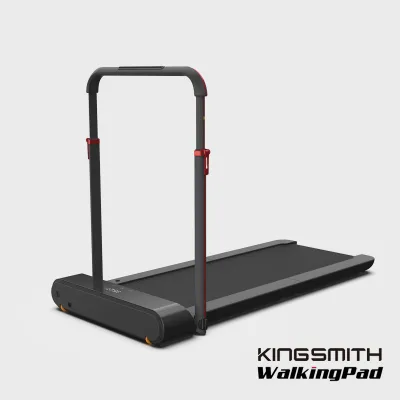
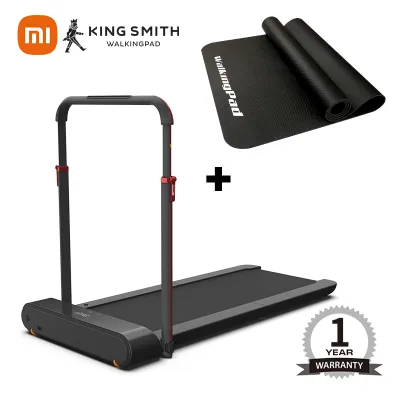
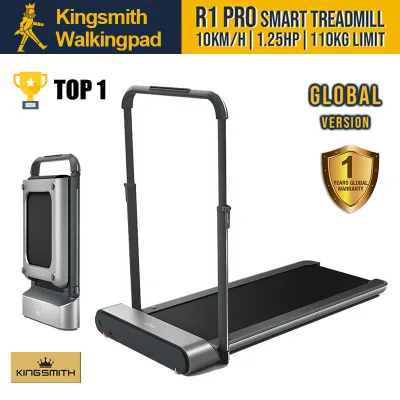
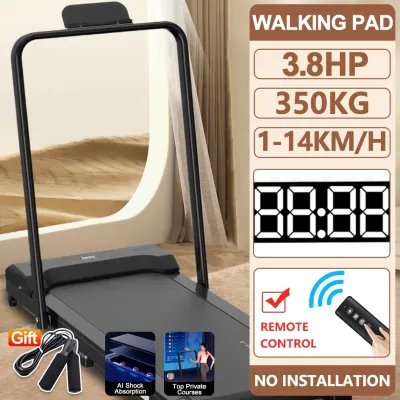
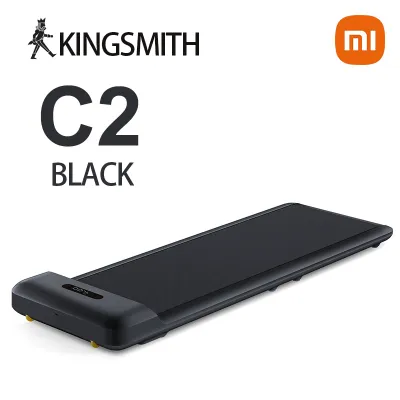
Prices are valid at publication and may change. Please refer to the product page for the latest price.
An active clearance zone is a mandatory safety requirement for any treadmill setup. When walking or running, you need a buffer zone of at least 1 to 1.5 meters of completely unobstructed space directly behind the running belt. If you trip, lose your footing, or need to decelerate suddenly, a lack of rear clearance can cause you to be thrown against walls, furniture, or glass balcony doors. Additionally, you should maintain at least 0.5 meters of open space on both sides of the deck to allow for natural arm swings and to give you room to step off onto the side rails in an emergency.
Ceiling height is another easily overlooked factor, particularly in compact condominiums or loft-style units where vertical space may be restricted. The deck of the machine sits roughly 15 cm (5.9 inches) off the ground. To calculate your minimum ceiling clearance, add your height to this deck height, and then add an extra 15 to 20 cm to account for the vertical bounce that naturally occurs when running. If your condo has low-hanging light fixtures, ceiling fans, or a low concrete beam, you must measure these areas carefully to avoid accidental head injuries.
Finally, you must ensure that your designated active zone is completely free of everyday hazards. Items such as loose area rugs, power cables, trailing curtains, or pet toys can easily get caught in the moving belt or cause you to slip. Before unfolding the machine, inspect the floor to ensure the surface is flat, level, and entirely clear of debris.
Folded Footprint and Realistic Storage Options
One of the primary selling points of this model is its patented double-fold technology, which reduces its storage footprint significantly. When folded, the machine measures approximately 980 mm (38.6 inches) in length, 720 mm (28.3 inches) in width, and a slim 155 mm (6.1 inches) in thickness. This compact form factor allows for several creative storage solutions, but each option requires careful physical verification before you buy.

If you plan to slide the folded treadmill under a bed or a sofa, you must physically measure the clearance height of your furniture frame. Many modern bed frames and low-profile sofas sit less than 15 cm off the floor, meaning the 15.5 cm thickness of the folded machine will not fit underneath. Do not rely on visual estimates; use a tape measure to check the clearance from the lowest support beam of your furniture to the floor. Alternatively, you can store the unit vertically inside a utility closet or behind a bedroom door, provided you have a flat, stable wall surface to lean it against.
Understanding the folding mechanism is crucial to evaluating how easily you can transition the machine from storage to active use. To fold the unit, you must first unlock the side handwheels, fold the handrail down flat against the deck, and then fold the running deck in half. If you purchase the version with a front safety bar, this bar must also be aligned properly to ensure the unit folds completely flat. If your furniture clearance is tight, even a slightly misaligned handrail can prevent the machine from sliding underneath.
Environmental factors in your condo also play a major role in determining where you should store the machine. In tropical climates like the Philippines, indoor humidity can fluctuate dramatically, especially during the rainy season. You should never store the treadmill on an open balcony, in a damp laundry area, or directly adjacent to a bathroom door. Prolonged exposure to high humidity, moisture, or salt air can corrode the internal motor components, degrade the electronic control board, and cause mold to grow on the running belt, which can void your manufacturer warranty.
Weight, Portability, and Daily Handling
While the folded machine is highly compact, it is not lightweight. The unit has a net weight of approximately 33 kg (72.7 lbs). Moving this amount of dead weight is a physical task that requires a realistic assessment of your own strength and the layout of your condo.
To assist with portability, the machine is equipped with two small transport wheels integrated into the front base, along with designated grip areas. To move the folded unit, you must lift it from the opposite end to tilt it onto these wheels, then roll it to your storage spot. This rolling action works well on hard, flat surfaces like ceramic tiles, vinyl planks, or polished concrete. However, if your condo features thick area rugs, decorative floor transitions, or raised door thresholds, rolling the machine across them will require significant physical effort and lifting.
Before committing to a daily routine of setup and teardown, honestly assess your physical capabilities. If you have history of lower back pain, joint issues, or limited mobility, lifting and maneuvering a 33 kg object every day can quickly become a chore that discourages you from working out. If you cannot comfortably tilt and guide this weight around tight corners or narrow hallways, you may want to consider leaving the treadmill permanently unfolded in a dedicated spot, which will permanently claim about 1.5 square meters of your living space.
Condo-Specific Factors: Noise, Vibration, and Rules
Living in a multi-story condominium means your workouts can easily impact your neighbors. The physical vibrations generated by your feet striking the treadmill deck can travel through the concrete floor slab and manifest as a loud, low-frequency thudding noise in the unit directly below you. Understanding this acoustic profile is essential for maintaining good relations with your neighbors.
In walking mode (speeds up to 6 km/h), the machine operates quietly, producing a low motor hum and soft footfalls that are easily masked by typical household background noise or a television. However, once you raise the handrail and switch to running mode (speeds up to 10 km/h), the impact force of your feet increases dramatically. Even if the motor remains relatively quiet, the structural vibration from running can be highly disruptive to neighbors, especially during early morning or late evening hours.
Before purchasing, it is highly recommended to review your condominium corporation’s house rules or consult your property management office (PMO). Many residential buildings have strict guidelines regarding the use of heavy fitness equipment in individual units, floor load limits, and designated quiet hours. Some buildings may prohibit running on treadmills during specific times to prevent structural noise transmission.
To minimize noise and vibration, you should implement a few practical mitigation strategies:
- Use a high-density mat: Place a thick, high-density PVC or rubber treadmill mat directly under the machine to absorb structural vibrations before they reach the floor.
- Position the machine strategically: Place the treadmill over a solid concrete slab or near a load-bearing wall, which is structurally stiffer and less prone to vibrating than the center of a wide, suspended floor span.
- Adjust your running form: Focus on landing lightly on your midfoot rather than striking heavily with your heels, which drastically reduces the impact energy transferred to the floor.
- Respect quiet hours: Schedule your high-speed running sessions during the middle of the day when neighbors are less likely to be sleeping or resting.
Step-by-Step Space Measurement Checklist
Before clicking the buy button, take thirty minutes to physically measure your condo using this step-by-step checklist. This exercise will prevent the frustration of receiving a machine that is too large for your space or cannot be easily stored.
Workout Zone Verification
- Measure a clear floor area of at least 1.5 meters in length and 0.8 meters in width for the machine itself.
- Verify that you have an additional 1.5 meters of completely clear space behind the rear roller of the treadmill.
- Ensure there is at least 0.5 meters of open space on both the left and right sides of the running deck.
- Measure your ceiling height, subtract your own height, and confirm you have at least 30 cm of remaining clearance to account for the deck height and running bounce.
Storage and Access Verification
- If planning under-bed or under-sofa storage, measure the exact vertical clearance from the floor to the lowest frame support. Ensure it is greater than 16 cm.
- If storing vertically, measure the available wall space and ensure the area is free of light switches, electrical outlets, or decorative trim.
- Measure the width of your condo's main entrance door, bedroom doors, and any narrow hallways the machine must pass through.
- Check your building's elevator door and cabin dimensions to ensure the boxed delivery unit can be brought up to your floor.
Power and Setup Safety
- Locate your nearest grounded wall outlet. Ensure it is close enough to the workout zone so that the power cord can plug in directly without stretching across a main walking path.
- Avoid using extension cords or multi-plug adapters, as treadmills draw significant current and can pose a fire hazard if plugged into low-rated extension lines.
- Use painter's tape to outline the unfolded dimensions (1460 mm x 720 mm) on your floor. Leave this tape in place for a day to visually assess how much physical space the machine will occupy during your daily routine.
Frequently Asked Questions (FAQ)
Can the KingSmith R1 Pro be stored vertically against a wall?
Yes, the manufacturer design allows the machine to be stored vertically. The unit features built-in standing feet and a small fold-out kickstand at the base to support its weight when stood upright. However, you must exercise caution when storing it this way. Because the unit weighs 33 kg, a sudden impact, seismic activity, or active pets and children can cause the vertically stored machine to tip over, risking severe injury or equipment damage. If you choose vertical storage, place it in a low-traffic corner, behind a secure door, or use a safety strap anchored to the wall to prevent accidental tipping.
Will the R1 Pro fit through standard condo doors when delivered?
Yes, the folded machine itself will easily fit through standard condo doors, which typically measure between 700 mm and 900 mm in width. However, you must account for the shipping box dimensions. The packaged unit is significantly bulkier and heavier than the machine alone, with box dimensions typically around 1080 mm x 780 mm x 220 mm. Before ordering, verify that your building’s elevator doors, lobby corridors, and your unit’s entryway can accommodate a box of this size. If your elevator is exceptionally small, you may need to unbox the unit in a secure ground-floor area and transport the folded machine up to your unit manually.
Community discussion
Share your experience or ask a question. Comments are reviewed before publication.