
Quick Answer: Is the Koprez Foot Sleeve Right for You?
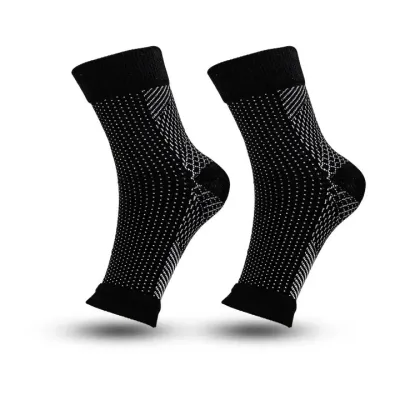
Whether the Koprez foot sleeve is right for your athletic needs depends entirely on matching its specific design to your sport, your physical anatomy, and the level of joint support you require. Foot sleeves are engineered primarily to provide mild compression, improve localized blood circulation, manage minor swelling, and enhance proprioception—which is your brain’s awareness of your joint’s position during movement. They are highly flexible, low-profile garments designed to move with your foot during active play.
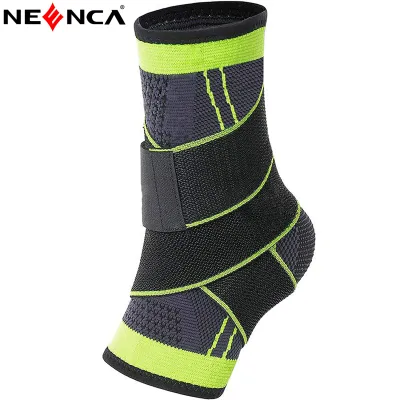
However, a soft compression sleeve is not a substitute for a rigid ankle brace or structural joint stabilization. If you are recovering from a severe ligament tear, a high ankle sprain, or require mechanical resistance against lateral ankle rolling, a fabric sleeve alone will not provide sufficient support. Before making a purchase, you must verify the product’s specific compression rating, evaluate your personal injury history, and understand the physical demands of your sport.
Key Criteria for Evaluating Athletic Foot Sleeves
To determine if any compression sleeve is suitable for sports and active recovery, you must evaluate it against several performance-based criteria. These standards ensure the garment supports your physiology without hindering your athletic performance.
Products mentioned in this guide
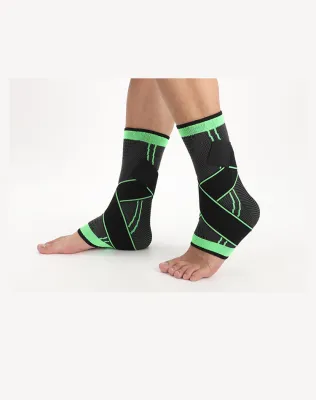
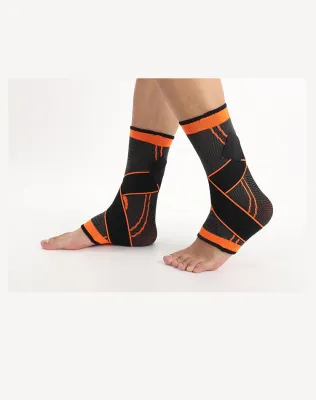
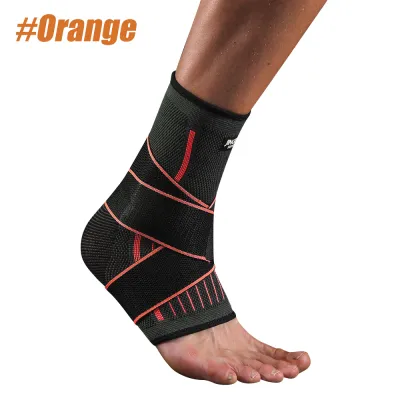
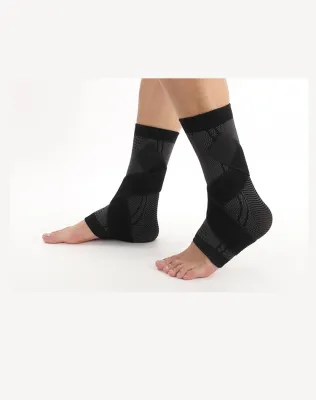
Prices are valid at publication and may change. Please refer to the product page for the latest price.

Compression Levels and Physiological Benefits
Compression garments function by applying external pressure to the soft tissues of the foot and ankle. This pressure is measured in millimeters of mercury (mmHg) and generally falls into three categories:
- Mild Compression (15–20 mmHg): Ideal for daily wear, mild soreness, and preventing minor swelling during long periods of standing or low-impact exercise.
- Moderate Compression (20–30 mmHg): Commonly used for active sports recovery, managing mild plantar fasciitis, and reducing muscle fatigue during high-impact activities.
- Firm or Medical-Grade Compression (30+ mmHg): Typically reserved for clinical management of severe edema or deep vein issues, requiring professional supervision.
In athletic scenarios, graduated compression—where the sleeve is tightest at the arch and gradually decreases in pressure toward the ankle—helps facilitate venous return. This assists your body in pumping deoxygenated blood back to the heart, reducing fluid accumulation and minimizing post-exercise muscle throbbing.
Material Properties for High-Sweat Environments
In tropical climates with high humidity, such as the Philippines, material selection is critical. A poorly ventilated sleeve traps sweat against the skin, leading to chafing, blisters, and fungal infections like athlete’s foot.
Look for synthetic performance blends containing nylon, polyester, and elastane (spandex). These materials utilize capillary action to pull moisture away from your skin to the outer layer of the fabric, where it can evaporate quickly. Avoid heavy cotton blends, which absorb moisture, lose their shape, and become heavy and abrasive when wet.
Targeted Design Features
An effective athletic foot sleeve must feature specialized knitting zones that correspond to the anatomy of the foot.
- Arch Support: A reinforced, high-tension band around the midfoot helps support the plantar fascia, reducing strain on the arch during repetitive jumping or running.
- Heel and Toe Openings: Many athletic sleeves feature an open-heel or open-toe design to preserve natural ground contact, improve grip inside the shoe, and prevent bunching.
- Flatlock Seams: Seams should be flat and low-profile to prevent painful friction points along the top of the foot or around the ankle joint.
Fit, Sizing, and Circulation Safety
A compression sleeve must fit snugly to deliver its physiological benefits, but it must never restrict peripheral circulation. If a sleeve is too tight, it can act as a tourniquet, causing your toes to become cold, numb, or tingly. Conversely, a sleeve that is too loose will slip down during dynamic movements, losing its compressive efficacy and causing painful friction blisters. Accurate sizing charts provided by the manufacturer are your primary tool for ensuring a safe, effective fit.
How to Verify Koprez Specifications Before Buying
Because you cannot physically try on a product when shopping online, you must take systematic steps to verify the specifications of the Koprez foot sleeve before finalizing your purchase on any ecommerce platform.
Step 1: Check the Stated Compression Rating
Search the official product packaging images or the manufacturer’s authorized store listings for the exact compression rating. Verify whether the sleeve offers graduated compression or uniform compression. If the listing only uses vague terms like “maximum support” without providing a numerical mmHg range, treat the product as a mild, everyday support sleeve rather than a high-performance recovery tool.
Step 2: Analyze the Material Composition
Read the product specifications carefully to find the exact fiber blend. Look for a high percentage of nylon and spandex, which indicates good elasticity, durability, and moisture management. If you have sensitive skin or contact allergies, verify that the material is latex-free and does not contain synthetic dyes or adhesives that could cause irritation when mixed with sweat in warm, humid conditions.
Step 3: Evaluate Verified User Feedback
When browsing online marketplaces, filter reviews to look for feedback from athletes who participate in your specific sport. Pay close attention to comments regarding:
- Sizing Accuracy: Do users recommend sizing up or down based on their actual foot measurements?
- Slip Resistance: Does the sleeve stay securely in place during lateral movements, such as those in badminton, tennis, or basketball?
- Elasticity Retention: Does the sleeve maintain its compressive tension after multiple wash cycles, or does it stretch out quickly?
Step 4: Review the Seller's Return and Exchange Policy
Because individual foot shapes, arch heights, and ankle circumferences vary widely, there is always a chance that the size you order will not fit comfortably. Verify that the seller offers a clear, hassle-free exchange policy for sizing adjustments. Avoid purchasing from listings that classify compression garments as non-returnable personal items unless you are absolutely certain of your measurements.
When to Use a Sleeve vs. Seeking Professional Care
While compression sleeves are excellent tools for managing minor discomfort, they have strict physical limitations. Knowing when to use a sleeve and when to seek immediate medical attention is vital for preventing long-term joint damage.
Appropriate Scenarios for a Compression Sleeve
You can safely use a compression sleeve for:
- Managing mild, generalized muscle soreness after a long run or workout.
- Reducing minor, temporary swelling after spending hours on your feet.
- Providing light proprioceptive feedback during low-to-moderate impact activities to help you feel more secure on your feet.
- Supporting your arch during recovery from mild, non-acute plantar fasciitis discomfort.
Red-Flag Symptoms Requiring Immediate Medical Attention
Do not attempt to self-treat your foot or ankle with a compression sleeve if you experience any of the following symptoms after an injury:
- An inability to bear weight on your foot or take more than four steps without severe pain.
- Visible deformity, unnatural joint angles, or rapid, extreme swelling around the ankle bones.
- An audible popping, cracking, or tearing sound at the moment the injury occurred.
- Numbness, tingling, or a cold sensation in your toes that does not resolve when you remove your footwear.
- Severe, localized pain when pressing directly on the bony protrusions of your ankle.
These symptoms often indicate structural damage, such as bone fractures, complete ligament ruptures, or severe tendon tears, which require professional diagnostic imaging (like X-rays or MRIs) and specialized medical treatment.
The Limits of Soft Compression
It is a common misconception that a tight sleeve can protect an unstable ankle from sprains. Soft fabric sleeves provide virtually zero mechanical resistance against the sudden, high-force twisting motions that cause ankle sprains. If you play high-risk, high-impact sports on uneven surfaces or outdoor concrete courts, you require a rigid or semi-rigid lace-up brace, professional athletic taping, and targeted physical therapy to rebuild your joint’s stabilizing muscles. Equipment can never replace proper physical conditioning, strength training, and professional medical guidance.
Frequently Asked Questions (FAQ)
Can I wear the Koprez foot sleeve inside my sports shoes?
Yes, you can wear the sleeve inside your sports shoes, but you must carefully evaluate how its thickness affects the internal volume of your footwear. Adding any extra layer inside a snug athletic shoe increases the pressure on your foot’s blood vessels and nerves. When you wear the sleeve, ensure your toes can still wiggle freely and that you do not experience localized pressure points, numbness, or friction along the top of your foot. If your shoes feel excessively tight with the sleeve on, try loosening your laces or using an alternative lacing pattern, such as a window lacing technique, to relieve pressure over the instep. Never force your foot into a shoe that has become painfully tight, as this can restrict circulation and cause nerve compression.
How should I wash and maintain the foot sleeve to keep its elasticity?
To preserve the elastic fibers and compressive properties of your foot sleeve, you must follow the manufacturer’s care instructions carefully. As a general rule, hand wash the sleeve in cold water using a mild, liquid detergent. Avoid using fabric softeners, as they leave a chemical coating on the fibers that clogs the fabric’s pores, destroying its moisture-wicking capabilities. Do not use bleach, which rapidly degrades elastane fibers. After washing, gently squeeze out excess water without wringing or twisting the fabric. Air dry the sleeve flat in a shaded, well-ventilated indoor area. Never place the sleeve in a high-heat clothes dryer or expose it to direct, intense sunlight, as extreme heat melts the delicate elastic threads, causing the sleeve to permanently lose its shape and compression.
Community discussion
Share your experience or ask a question. Comments are reviewed before publication.