
Deciding whether to swap your suspension fork for a rigid one is a pivotal choice that can completely redefine how your bicycle handles, climbs, and feels on the road. For many riders, the appeal of a rigid fork lies in its simplicity, dramatic weight savings, and direct power transfer. However, this upgrade is not a universal improvement for every cyclist. The value of making the switch depends heavily on where you ride, your physical comfort requirements, and your willingness to trade impact absorption for mechanical efficiency.
If your daily routes consist of paved city streets, smooth gravel paths, or flat urban commutes, a suspension fork is often unnecessary weight that saps your pedaling energy. On the other hand, if you regularly tackle technical mountain trails, steep descents, or rugged, unpaved terrain, keeping a suspension fork is vital for maintaining traction, steering control, and joint comfort. Understanding these core trade-offs is the first step in determining if a rigid fork upgrade is truly worth your investment.
Understanding the Shift: Suspension vs. Rigid Forks
To make an informed decision, it is essential to understand the mechanical and experiential differences between these two front-end setups. A suspension fork relies on internal springs, air chambers, and oil dampers to compress and rebound when encountering obstacles. This movement allows the front wheel to track the ground closely, absorbing sudden impacts and keeping your tire firmly planted for reliable steering and braking control.
Products mentioned in this guide
![[GBBS] Ragusa R300 Aluminum Alloy Rigid Fork 27.5 29 Mountain Bike MTB Gravel Bike Fork](https://img.lazcdn.com/g/p/7abaa1a3bf30b546d3e52aef8591c262.jpg_400x400q80.jpg_.webp)
269 Lazada user ratings
Top-notch quality materials, Sleek design, love it!, Easy to install and adjust, Enhances bike performance, Smooth ride on any terrain,
fast delivery ⭐⭐⭐⭐⭐ seller very accommodating ⭐⭐⭐⭐⭐ good packaging ⭐⭐⭐⭐⭐ good item⭐⭐⭐⭐⭐ recommended ⭐⭐⭐⭐⭐ goods na good sa 26er ws mas okey kesa universal
Napakasolid ng store na to As in Hindi kayo magsisisi kung usapang bike store lang Wala na may nanalo na hahahahah
Ngayon ko lang naikabitckaya ngayon ko lang na review. Ambilis ng delivery. Thanks seller.
Lightweight and durable, no issue
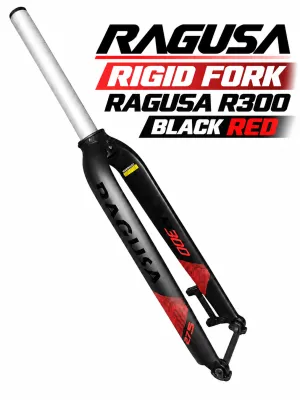
93 Lazada user ratings
Easy to install and adjust, Enhances stability and control, Reliable brand with excellent reputation, nice rigid fork ragusa 29er straight 2…Read full reviewShow less
Easy to install and adjust, Enhances stability and control, Reliable brand with excellent reputation, nice rigid fork ragusa 29er straight 28.6 tube bali 44 to 44 ang sealed bearings yes puwede rin sa 42 to 52 basta 28.6 recommended sa lahat ng siklista dito na kayo bumili nakanalot ng maayos ang order dito.
Great value for the price, Enhances stability and control, Smooth ride on various terrains, Smooth ride on various terrains, Smooth ride on …Read full reviewShow less
Great value for the price, Enhances stability and control, Smooth ride on various terrains, Smooth ride on various terrains, Smooth ride on various terrains,
Smooth ride on various terrains, Easy to install and adjust, Reliable brand with excellent reputation, Perfect fit for 27.5 and 29er bikes,
maganda at magaang. maporma pa. sumisibak ng nmax! pag naka tigil
legit, thank you po seller specially the rider❤️
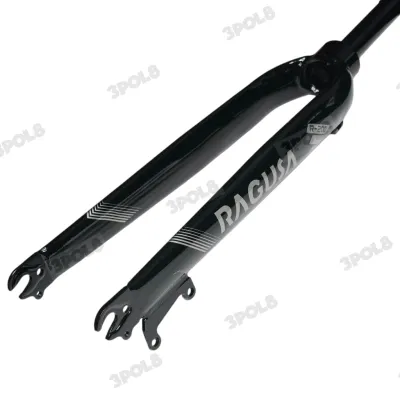
10 Lazada user ratings
🔨Durability:super goods nya and napakadali lang ikabit 🛠️Ease of Installation:super easy ikabit walang ka hassle hassle 🔌Compatibility:madali…Read full reviewShow less
🔨Durability:super goods nya and napakadali lang ikabit 🛠️Ease of Installation:super easy ikabit walang ka hassle hassle 🔌Compatibility:madali lang sya mag compatible sa color ng bike nyo
Well packed. Arrived on time. Yet to install. Light weight even twas steel. Looks durable. Size 26 for my 27.5er
it's good you can attach any kind of brakes and also durable
it's very good!
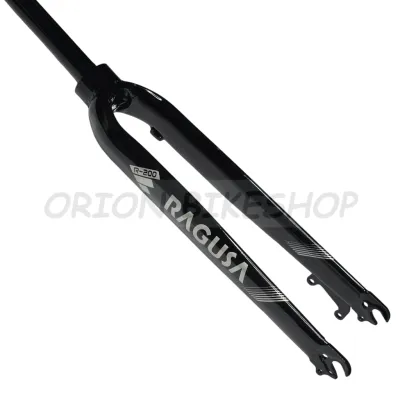
9 Lazada user ratings
🔨Durability:10 🔌Compatibility:10, depends on axle type 🛠️Ease of Installation:10 maganda, need mo ngalang ng starnut steel material
may konting gasgas nilagyan pa ng Pentel pen kita pero ok na rin di maiwasan talaga slamat sa rider at sa seller
ganda ng packaging,ok nmn ang item,may konting gasgas lng cgro bgo pa balutin meron na.thnx seller
Ragusa brand quality, verygood po sobrang salamat po😃
🔌Compatibility:sakto kahit gulong mo ay 27.5 x 2.25
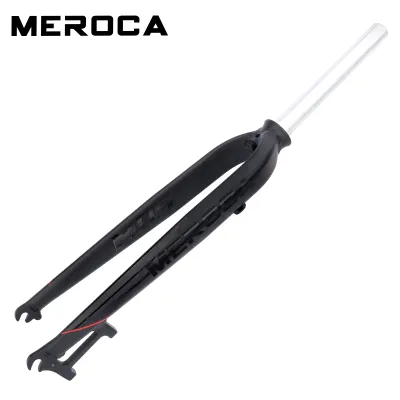
84 Lazada user ratings
It's a pretty good fork, the craftsmanship is decent. I tried it out and didn't have any issues. I just installed it today and haven't ridde…Read full reviewShow less
It's a pretty good fork, the craftsmanship is decent. I tried it out and didn't have any issues. I just installed it today and haven't ridden it yet, but I'll give it a go when I have time.
It's a pretty good fork, the craftsmanship is decent, I tried it out and didn't have any issues, I just installed it today and haven't ridde…Read full reviewShow less
It's a pretty good fork, the craftsmanship is decent, I tried it out and didn't have any issues, I just installed it today and haven't ridden it yet, but I'll give it a test soon.
A-post disc brake compatible, Versatile size options, Durable mountain bike fork, Fast shipping, Smooth ride experience, Reliable performanc…Read full reviewShow less
A-post disc brake compatible, Versatile size options, Durable mountain bike fork, Fast shipping, Smooth ride experience, Reliable performance,
The front fork is great. It transformed my mountain bike into a street machine, making the ride feel light and fast.
The previous fork was centered, but this one makes the wheel tilt about 1.5 millimeters to one side.
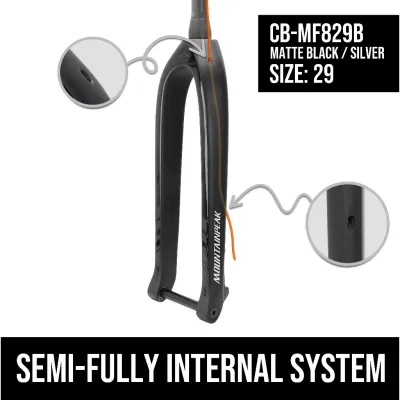
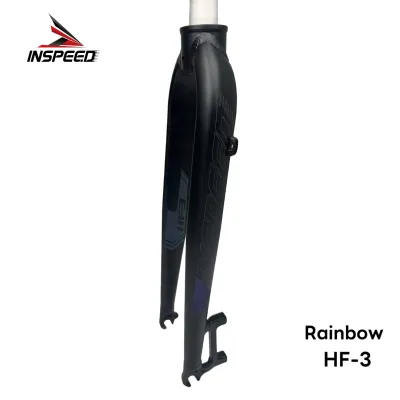
17 Lazada user ratings
kinansel ko na to order ko, tinuloy p din ni seller, pero oks lang maganda pala, kala mo mountainpeak monster
🛠️Ease of Installation:easy to set up 🔨Durability:high end 🔌Compatibility:easy to install
ok ang gnda ng fork Slamat GOD BLESS👍👍👍👍👍
Great quality thanks seller
legit at maganda
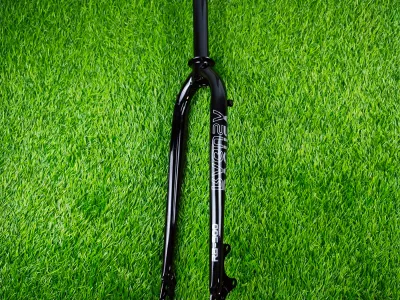
313 Lazada user ratings
Enhances the overall performance of my bike., Great for off-road adventures., Great for off-road adventures., Impressive quality at an affor…Read full reviewShow less
Enhances the overall performance of my bike., Great for off-road adventures., Great for off-road adventures., Impressive quality at an affordable price.,
Smooth and comfortable ride., Provides excellent stability and control., Sleek and stylish design.,
🔌Compatibility:Sleek and stylish design., 🛠️Ease of Installation:Lightweight and durable design.,
it's over size and without thread
goods na sana kaso Dami gasgas
Prices are valid at publication and may change. Please refer to the product page for the latest price.
In contrast, a rigid fork is a solid, static component made of steel, aluminum, or carbon fiber. Because it has no moving parts, it does not absorb impacts in the same manner; instead, it transfers direct feedback from the road or trail surface straight to your hands, wrists, and shoulders. While this means you will feel every crack and pebble, it also establishes an incredibly direct connection to the terrain, allowing for precise steering inputs and immediate handling response.
This mechanical difference creates a direct trade-off between plush comfort and pedaling efficiency. When you push down on the pedals—especially when standing up to climb a steep hill—a suspension fork will compress under your shifting weight, absorbing a portion of your pedaling energy in a motion known as “bobbing.” A rigid fork eliminates this energy loss entirely, ensuring that every ounce of effort you exert is converted directly into forward momentum.
It is also important to clarify that swapping your front fork only alters the behavior of the bike’s front end. If you are considering this modification for a full-suspension mountain bike, the rear shock will continue to compress and rebound independently. This can create a highly unbalanced ride dynamic, as the front of the bike will remain completely rigid while the rear continues to move, which can make handling unpredictable on rough surfaces.
When Upgrading to a Rigid Fork Makes Sense
Upgrading to a rigid fork delivers the most significant benefits when your riding style and terrain align with the strengths of a simplified front end. For urban commuters navigating paved roads in major metropolitan areas, a rigid fork is highly advantageous. The immediate steering response allows you to quickly maneuver around sudden obstacles, potholes, and traffic, while the lack of suspension bob makes stop-and-go riding much less tiring.

For bikepacking enthusiasts and long-distance touring cyclists, a rigid fork is often the preferred choice due to its unmatched mechanical reliability. When you are traveling through remote areas, the last thing you want is a suspension fork seal failure or air leak that leaves you stranded without front-end support. A rigid fork has no seals to blow, no air pressure to monitor, and no oil to leak, providing complete peace of mind on multi-day journeys.
Additionally, rigid forks designed for touring and adventure riding frequently feature dedicated mounting eyelets along the fork legs. These mounting points allow you to securely bolt on cargo cages, extra water bottles, or specialized gear racks, distributing your luggage weight evenly across the front axle. This carrying capacity is difficult to replicate on suspension forks without using heavy, specialized clamp-on systems that can slip or damage the fork sliders.
The weight reduction achieved by swapping to a rigid fork is another compelling reason to make the switch. Entry-level coil suspension forks can easily weigh over two and a half kilograms, whereas a quality aluminum or carbon rigid fork often weighs less than one kilogram. Shaving this much weight from the front of your bike makes the steering feel incredibly light, makes it much easier to lift the front wheel over curbs or obstacles, and significantly reduces the physical effort required on long, sustained climbs.
When You Should Keep Your Suspension Fork
While the benefits of a rigid fork are clear, there are many environments and riding styles where removing your suspension can compromise your safety, control, and physical well-being. If your primary passion is mountain biking on technical singletrack, steep rocky descents, or the muddy, root-covered trails common in the mountainous regions of the Philippines, retaining a suspension fork is critical. Without front suspension, your front tire will bounce off rocks and roots rather than tracking over them, leading to a severe loss of traction and steering control that can easily result in a crash.
Your physical comfort and joint health should also play a major role in your decision. Riding a fully rigid bike over rough surfaces for extended periods subjects your upper body to constant high-frequency vibrations and sharp jolts. If you suffer from chronic wrist pain, tennis elbow, or shoulder stiffness, a suspension fork acts as a vital protective barrier, absorbing these forces before they can reach your joints and cause fatigue or injury.
Before committing to the expense and effort of a full fork replacement, it is worth exploring the adjustment options already available on your current suspension fork. Many modern forks feature a manual lockout lever on the crown or handlebars, allowing you to temporarily stiffen the suspension when riding on smooth pavement or climbing, and then unlock it when you hit rougher terrain. This offers a highly versatile middle ground without requiring any component swaps.
You can also modify your bike’s ride quality by adjusting your tire setup. Upgrading to a wider, higher-volume tire and running it at a slightly lower air pressure allows the tire casing to deform over minor road imperfections, acting as a subtle form of suspension. This simple adjustment can significantly cushion a harsh ride, helping you decide if you can tolerate a rigid front end before you officially purchase a new fork.
Key Geometry and Compatibility Checks Before You Swap
If you decide to proceed with the upgrade, you must perform several critical technical measurements to ensure the new rigid fork is compatible with your frame and preserves your bike’s intended handling. The most crucial measurement is the axle-to-crown length, which is the distance from the center of the front wheel axle to the headset crown race. Because suspension forks are designed to compress under your weight, you must look for a “suspension-corrected” rigid fork that matches the length of your suspension fork when compressed by your typical riding sag (usually about 20% of its total travel).
Installing a rigid fork that is too short will lower the front end of your bike, steepening the head tube angle and lowering the bottom bracket. This change makes the steering incredibly fast and twitchy, which can feel unstable at high speeds, and increases the risk of striking your pedals on rocks, roots, or curbs. Conversely, a fork that is too long will slacken the steering angle, making the bike feel sluggish and slow to respond to your steering inputs.
You must also consider the fork offset, or rake, which is the perpendicular distance between the steering axis and the center of the front axle. The offset, combined with your head tube angle, determines your bike’s “trail”—a key geometric factor that influences high-speed stability and self-centering steering behavior. To maintain the handling characteristics you are accustomed to, try to select a rigid fork with an offset that closely matches your original suspension fork.
Mechanical compatibility is equally vital to prevent costly installation mistakes. You must verify your front wheel’s axle standard, ensuring the new fork dropouts match your wheel’s axle type, whether it is a traditional 9mm quick-release or a modern 15mm thru-axle. Additionally, inspect your front brake caliper mounting style—either post mount or flat mount—and check the fork’s maximum brake rotor size limit to ensure your existing braking system can be safely reinstalled.
Finally, pay close attention to tire clearance limits. Rigid forks often have different clearance profiles than suspension forks, particularly near the crown. Ensure the rigid fork you choose has ample space to accommodate your preferred tire width, leaving at least several millimeters of clearance on all sides to prevent mud, small stones, or road debris from jamming between the tire and the fork legs during wet-season rides.
Evaluating the Costs and Long-Term Maintenance
Weighing the financial investment of a rigid fork upgrade requires looking beyond the initial purchase price to consider long-term maintenance savings. A high-quality rigid fork made of chromoly steel, aluminum, or carbon fiber represents a one-time upfront cost. While premium carbon options can be a significant investment, they require virtually no ongoing financial upkeep once installed, making them highly cost-effective over the lifespan of the bicycle.
In contrast, suspension forks are highly complex mechanical systems that require regular, professional servicing to maintain performance and safety. Manufacturers typically recommend lower leg oil changes and wiper seal replacements every 50 to 100 riding hours, along with full damper rebuilds annually. In humid, tropical climates where mud, fine sand, and heavy rain are common, neglecting this maintenance can quickly lead to scratched stanchions and ruined internal components, resulting in expensive repair bills.
However, you should budget for potential hidden conversion costs when planning your upgrade. Depending on the design of the new rigid fork, you may need to purchase a new headset crown race, additional headset spacers to adjust your handlebar height, or specific brake adapters to align your calipers with the new mounting points. If you are transitioning to a carbon fiber steer tube, you must also purchase a specialized compression plug rather than using a standard star nut, as a star nut will scratch and compromise the structural integrity of the carbon tube.
Ultimately, the decision to upgrade to a rigid fork comes down to a balance of simplicity, efficiency, and terrain. By carefully measuring your bike’s geometry, verifying component compatibility, and honestly assessing where you spend the majority of your riding time, you can confidently choose the setup that delivers the safest, most enjoyable, and most efficient cycling experience.
Frequently Asked Questions (FAQ)
Can I put a rigid fork on a full-suspension mountain bike?
While it is technically possible if the steer tube and axle dimensions match, installing a rigid fork on a full-suspension mountain bike is highly discouraged. Full-suspension frames are engineered with specific rear suspension kinematics, such as anti-squat and leverage ratios, that rely on an active front suspension fork to maintain a balanced chassis. Running a rigid front end with an active rear shock creates an unpredictable handling dynamic where the rear of the bike compresses under load while the front remains static, severely compromising steering control and safety on rough terrain.
Will a carbon rigid fork break on rough trails?
High-quality carbon rigid forks are engineered to be exceptionally strong and are fully capable of handling rough terrain, provided they are used within their intended design limits. A carbon fork designed specifically for gravel riding or light cross-country use is not built to withstand the extreme impact forces of aggressive downhill mountain biking or heavy cargo touring. To ensure your safety, always verify that the fork is rated for your specific riding discipline, and strictly adhere to the manufacturer’s maximum weight limits, recommended bolt torque specifications, and terrain guidelines.

Community discussion
Share your experience or ask a question. Comments are reviewed before publication.