
Transitioning a child to a kids road bike is an exciting milestone that opens up longer rides, higher speeds, and a deeper appreciation for cycling. However, determining whether a young rider is ready for a drop-bar road bike involves evaluating their physical development, handling skills, and cognitive maturity rather than relying solely on their age. A road bike features a distinct geometry, narrower tires, and drop handlebars that require a different riding posture and higher level of control than a standard recreational bicycle. Ensuring a safe and enjoyable transition requires parents to carefully assess readiness, take precise body measurements, and select a setup tailored to their child’s specific riding environment.
Assessing Readiness: Is a Drop-Bar Road Bike the Right Choice?
Before investing in a dedicated kids road bike, parents should observe how their child handles their current bicycle. A key indicator of readiness is the mastery of basic handling milestones. The child should be able to operate hand brakes smoothly and bring the bike to a controlled stop without skidding or losing balance. They must also demonstrate confident cornering, the ability to ride in a straight line while looking over their shoulder, and the capacity to shift gears independently without looking down at the shifters. If a child still struggles with basic balance or relies heavily on coaster brakes, they are not yet ready for the complexity of a road bike.
Physical compatibility with drop handlebars is another critical factor. Unlike flat-bar hybrid or mountain bikes, a road bike places the rider in a more forward-leaning, aerodynamic position. This posture requires sufficient core strength to support the upper body without placing excessive pressure on the wrists and hands. Parents can perform a simple check by observing if the child can maintain a comfortable forward lean without resting all their weight on the handlebars. Additionally, neck flexibility is vital; the child must be able to look up and scan the road ahead clearly while riding in the drops or on the brake hoods. Their hands must also be large and strong enough to reach and fully compress the brake levers from both riding positions.
Products mentioned in this guide

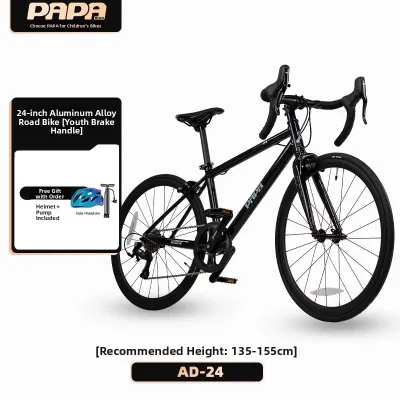
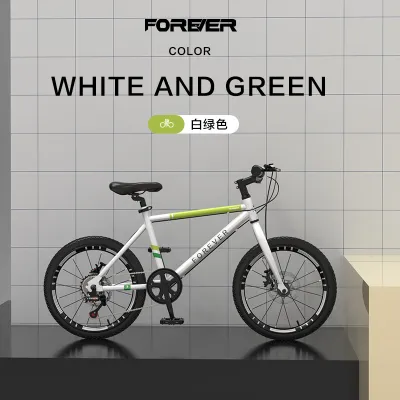
Prices are valid at publication and may change. Please refer to the product page for the latest price.
Cognitive development and safety awareness are just as important as physical skills. Road cycling often requires riding on paved shoulders, multi-use paths, or quiet neighborhood streets where the child must share space with other cyclists, pedestrians, and light traffic. The child must be mature enough to understand and follow basic traffic rules, maintain a predictable line of travel, and anticipate potential hazards like potholes, gravel, or wet patches. They must also possess the focus to remain alert during longer rides and follow safety instructions instantly. If a child is easily distracted or struggles to maintain a straight line, riding on open roads presents significant safety risks that equipment alone cannot mitigate.
If these physical or cognitive skills are still developing, alternative bike styles are often a more appropriate choice. A flat-bar road bike or a lightweight hybrid bicycle offers a more upright riding position, which improves visibility and control while still providing a fast, efficient ride on paved surfaces. A mountain bike fitted with slick, pavement-friendly tires can also serve as an excellent transitional option, offering greater stability and simpler handling. Starting with these alternatives allows the child to build confidence and strength without the added complexity of drop handlebars and integrated brake-shift levers.
How to Measure Your Child for the Correct Frame and Wheel Size
Selecting the correct size for a kids road bike is essential for safety, comfort, and proper physical development. Unlike adult bikes, which are primarily sized by the seat tube length of the frame, youth bikes are often categorized by wheel size, though frame geometry remains equally important. To find the right fit, parents must take accurate physical measurements at home using standard tools rather than guessing based on age or clothing sizes.

The two most critical measurements are the child’s total height and their cycling inseam. To measure total height, have the child stand barefoot with their back flat against a wall, and mark the top of their head. To measure the cycling inseam, have the child stand in the athletic shoes they plan to wear while riding, with their feet about 15 centimeters apart. Place a hardcover book between their legs, pulling it up gently to mimic the pressure of a bicycle saddle. Measure the vertical distance from the top edge of the book straight down to the floor. This measurement determines the minimum standover height the child requires to safely clear the frame’s top tube.
Once you have these measurements, compare them against the manufacturer’s specific geometry charts. Youth road bikes typically utilize wheel diameters ranging from 24 inches to 26 inches, or 650c, paired with proportionally smaller frames. These smaller wheels are crucial because they allow manufacturers to design a frame with a shorter top tube and lower standover height, preventing “toe overlap”—a common issue where the rider’s shoe strikes the front wheel during sharp turns. Ensure that the bike’s standover height provides at least 2.5 to 5 centimeters of clearance between the top tube and the child’s crotch when they are standing flat-footed over the frame.
In addition to standover clearance, pay close attention to the bike’s reach and stack. Reach refers to the horizontal distance from the saddle to the handlebars, while stack is the vertical distance from the bottom bracket to the top of the head tube. If the reach is too long, the child will be overstretched, leading to neck strain, lower back discomfort, and reduced control over the steering and brakes. If the measurements fall between two sizes on a manufacturer’s chart, or if the child experiences persistent discomfort during test rides, it is highly recommended to seek a professional youth bike fitting at a local specialty shop to ensure a safe setup.
Selecting the Right Setup for Your Child's Riding Environment
A kids road bike must be compatible with the specific conditions of your local riding environment. In tropical regions like the Philippines, paved roads can vary significantly, ranging from smooth asphalt highways to concrete barangay roads with prominent expansion joints, or even damp, debris-strewn shoulders after a sudden afternoon downpour. When selecting a bike, check the manufacturer’s specifications for tire clearance. Opting for a frame that can accommodate slightly wider tires, such as 28mm or 32mm, provides significantly better traction, stability, and comfort on uneven or wet surfaces without sacrificing too much rolling efficiency.
Component adjustability is another vital consideration for a growing child. Look for youth-specific road bikes that feature short-reach brake levers or levers with adjustable reach screws. This allows you to position the levers closer to the handlebars so smaller fingers can grip them securely. The stem angle and handlebar height should also be adjustable using spacers on the fork steerer tube. This adjustability allows you to raise the handlebars slightly as the child grows or as they transition from a more upright position to a more aerodynamic road posture.
The bike’s gearing specifications must also match the child’s physical strength and the local terrain. Youth riders do not have the leg power of adults, and pushing gears that are too heavy can lead to knee strain and early fatigue. Look for bikes equipped with youth-specific gearing, which typically features smaller front chainrings (such as a sub-compact 46/30T setup) and a wide-range rear cassette. This combination provides easier gear ratios that allow the child to maintain a high pedaling cadence, making climbs more manageable and reducing physical strain on developing joints.
While it is tempting to purchase a larger frame that the child can “grow into” to save money, doing so compromises safety and control. A bike that is too large makes it difficult for the child to reach the ground, stretch for the brakes, or steer predictably, increasing the risk of falls. Instead, plan for growth by selecting a properly sized frame with highly adjustable contact points. You can gradually raise the saddle, swap to a slightly longer handlebar stem, or adjust the handlebar angle to accommodate growth bursts while keeping the bike safe and comfortable to ride.
Frequently Asked Questions (FAQ)
At what age do kids typically transition to a drop-bar road bike?
There is no specific age at which a child must transition to a drop-bar road bike. While many youth-specific models are designed for children between 9 and 12 years old, readiness is determined by physical height, inseam length, and handling confidence rather than age. Always consult the manufacturer’s minimum height and inseam guidelines to ensure the child can safely control the bicycle.
Can my child ride a small-frame adult road bike instead of a youth model?
Riding a small adult road bike is generally not recommended for children. Adult frames are designed for adult body proportions, meaning the reach will be too long, the handlebars too wide, and the crank arms too long for a child’s legs, which can cause joint strain. Youth-specific road bikes feature scaled-down components, including shorter cranks and smaller brake levers, to ensure proper ergonomics and safety.
What essential gear should my child wear when riding a road bike?
A properly fitted bicycle helmet is the most critical piece of safety gear and must be worn on every ride. High-visibility or brightly colored clothing is highly recommended to help motorists and other cyclists spot the child, especially during overcast conditions or sudden tropical rains. Parents should also check local traffic regulations and municipal ordinances for any additional safety equipment requirements in their specific area.
Community discussion
Share your experience or ask a question. Comments are reviewed before publication.