
Choosing when to introduce your toddler to their first wheeled toy is an exciting milestone for any family. While many parents look for a scooter with seat for kids around their child’s first or second birthday, chronological age is only a rough guideline. Real readiness depends far more on physical development, coordination, and individual motor milestones than the number on a birthday card.
Whether navigating the smooth tiled hallways of an indoor play space on a rainy afternoon or cruising along the paved pathways of a local neighborhood park, a seated scooter offers a wonderful way to build confidence. However, rushing a child onto a scooter before they are physically ready can lead to frustration or preventable falls. Understanding what to look for ensures your child’s introduction to wheels is both safe and joyful.
Quick Answer: General Age and Core Readiness Signals
Most seated scooters on the market are designed for toddlers between the ages of 1 and 3 years old. During this window, children experience rapid growth in their gross motor skills, making it the ideal phase to introduce basic balancing toys. However, chronological age should always take a backseat to observable developmental milestones.
Products mentioned in this guide
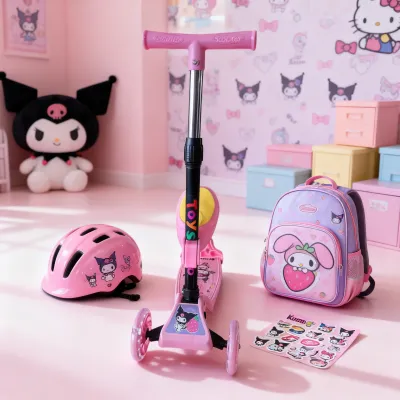
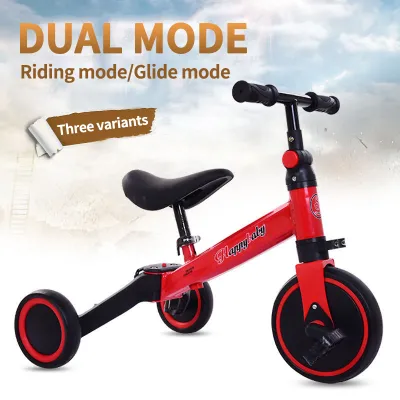
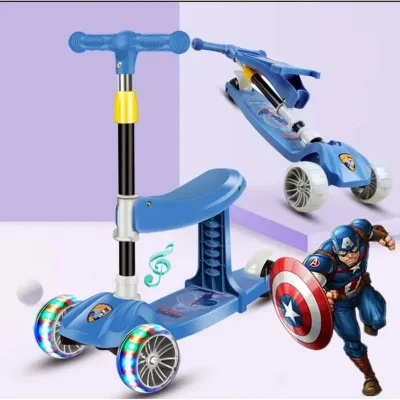
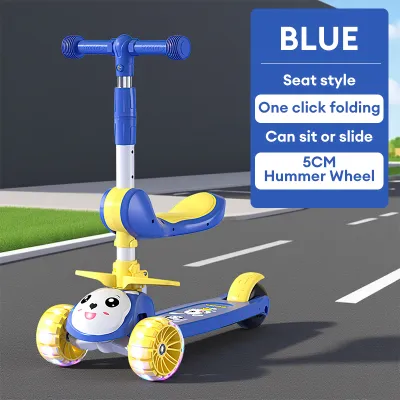
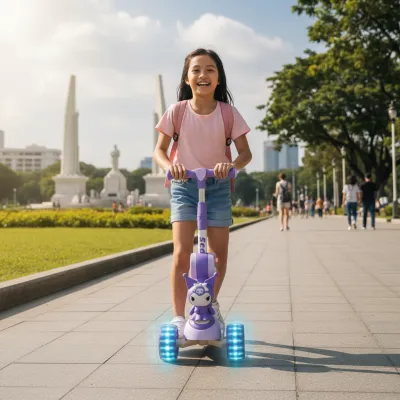
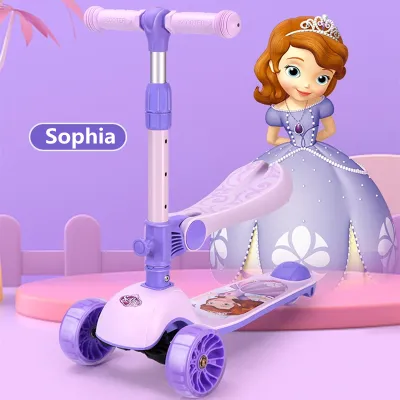
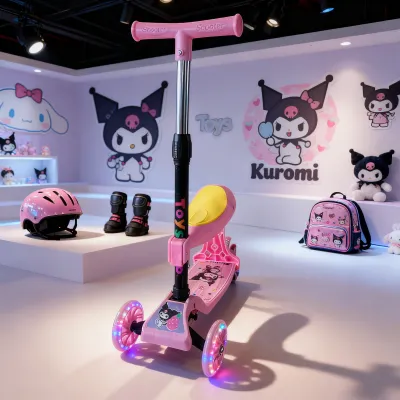
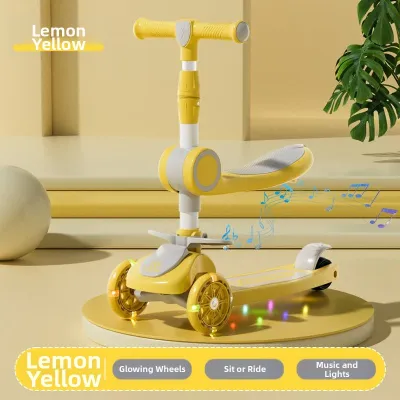
Prices are valid at publication and may change. Please refer to the product page for the latest price.
Before purchasing or assembling a scooter, look for these three core readiness signals in your child’s daily movement:
- Steady Walking: Your child should be able to walk completely independently without frequent trips, stumbles, or the need to hold onto furniture for balance.
- Independent Sitting and Standing: Your child must easily sit down on the floor and stand back up without needing adult assistance or structural support.
- Interest in Ride-On Toys: A natural curiosity toward push-toys, baby walkers, or foot-to-floor ride-ons indicates they are mentally and physically ready to explore wheeled movement.
Even if your child displays all these signs, always verify the specific manufacturer’s minimum age, height, and weight requirements on the product label or user manual. These structural limits are engineered for safety and must serve as your final authority before letting your child ride.
Physical and Motor Skill Milestones to Observe
To determine if your toddler can safely handle, balance, and propel a seated scooter, you need to observe their gross motor coordination in everyday play. A scooter requires a combination of upper-body stability and lower-body strength that develops gradually.

Balance, Posture, and Coordination
Before a child can enjoy a scooter, they must possess the core strength required to maintain an upright posture while in motion. Riding over small bumps or transitions in the pavement introduces vibrations that can easily throw off a child with weak core muscles.
Observe your child’s posture and coordination during normal play using these checkpoints:
- Upright Sitting Posture: Watch your child sit on a small stool, step stool, or low toy. They should sit upright easily without slouching, sliding forward, or leaning heavily to one side for support.
- Handlebar Grip and Forward Gaze: A ready child can grasp a toy's handles firmly with both hands while keeping their head up to look forward. If they constantly stare down at their hands or feet, they lack the spatial awareness needed to steer safely.
- Core Shock Absorption: When your child runs or jumps, observe how they land. Children with developed core strength absorb impact naturally through their knees and hips, which is crucial when riding over uneven surfaces.
Leg Strength and Steering Control
Propelling a seated scooter requires a repetitive, coordinated motion of pushing off the ground with the feet while maintaining a seated position. This action demands both leg strength and a basic understanding of cause and effect.
Evaluate your child’s lower-body mechanics and steering awareness with the following observations:
- Push-and-Glide Strength: Check if your child can push off the ground with enough force to glide forward for a brief second. If they simply drag their feet or struggle to move the weight of the scooter, their leg muscles need more time to develop.
- Lean-to-Steer Mechanics: Many modern toddler scooters utilize a lean-to-steer mechanism rather than a traditional turning handlebar. This means the child must shift their body weight left or right to tilt the wheels and change direction.
- Spatial Cause and Effect: Observe if your child understands how their body movements influence their direction. If they lean to the left, do they anticipate the turn, or do they look surprised and lose balance when the toy shifts?
Matching the Scooter Specifications to Your Child's Dimensions
Selecting the right scooter requires looking past the broad age recommendations printed on the packaging. To ensure a safe and ergonomic fit, you must compare the physical specifications of the scooter directly to your child’s current measurements.
Seat Height vs. Inseam: This is the most critical measurement for a seated scooter. To find your child’s inseam, have them stand against a wall with their usual riding shoes on, and measure from their crotch straight down to the floor. Compare this number to the scooter’s seat height. When sitting on the scooter, your child’s feet must rest completely flat on the ground with a slight bend in the knees. This position allows them to push off effectively, maintain stability, and use their feet as a reliable brake.
Weight Capacity Limits: Seated scooters often feature a multi-stage design where the seat can eventually be removed. It is vital to recognize that the weight limit for the seat attachment is almost always significantly lower than the weight limit for the standing deck. Always check the specific weight rating for the seat itself to prevent structural failure or sudden cracking of the support bracket.
Handlebar Adjustability: As your child sits on the scooter, the handlebars should be positioned at a height that sits comfortably between their waist and lower chest. If the handlebars are too high, your child will have to reach upward, reducing their steering leverage and tiring their shoulders. If they are too low, your child will hunch forward, straining their back and shifting their center of gravity too far over the front wheel. Look for models with highly adjustable T-bars to ensure a perfect fit as your child grows.
Before the first ride, always consult the manufacturer’s user manual. Pay close attention to the recommended tightening procedures for the seat bracket and handlebar clamps, and perform a physical shake-test to verify that all components are locked securely in place.
Safety Gear and Choosing the Right Riding Environment
Establishing strict safety habits from day one sets the foundation for a lifetime of safe riding. Even at slow toddler speeds, protective gear and a controlled environment are non-negotiable requirements.
Protective Gear: A properly fitted, certified toddler helmet is the single most important piece of safety equipment. Refer to the helmet manufacturer’s sizing chart, which is based on head circumference measured in centimeters just above the eyebrows. The helmet must sit level on the head, covering the forehead, and should not tilt backward or slide side-to-side. The chin strap should be snug enough that only one or two fingers fit underneath. Lightweight elbow and knee pads are also highly recommended to protect sensitive skin from scrapes during inevitable minor tip-overs.
Safe Riding Zones: Toddlers should only ride on flat, smooth, and dry paved surfaces. Ideal locations include private driveways (completely closed off from vehicles), smooth concrete backyard patios, or quiet park pathways. Avoid steep slopes, hills, and areas near streets or active traffic. Keep the scooter away from wet, muddy, sandy, or grassy terrain. Small polyurethane scooter wheels can easily stop abruptly when encountering dirt or wet patches, sending the child forward.
Adult Supervision: A toddler on a seated scooter requires constant, active adult supervision. An adult must remain within arm’s reach at all times. Toddlers lack the cognitive ability to judge speed, distance, or potential hazards like approaching pets, steps, or uneven pavement. Your physical proximity allows you to intervene immediately if they lose balance or head toward danger.
Signs It Is Time to Transition to a Stand-Up Scooter
As your child grows, they will eventually outgrow the seated configuration. Recognizing when to remove the seat allows your child to continue developing their balance and coordination without restriction.
Watch for these clear transition signals during their rides:
- Physical Cramping: Your child's knees begin to hit the handlebars or their chest while they are seated, indicating they have outgrown the seat height.
- Weight Limit Approaching: Their physical weight is nearing the maximum limit specified by the manufacturer for the seat attachment.
- Standing Instincts: Your child actively tries to stand up on the narrow foot deck while the scooter is in motion, or they prefer to push the scooter from behind rather than sitting on it.
Transitioning to a standard three-wheel stand-up scooter offers excellent developmental benefits. It encourages the use of core stabilizing muscles, refines their dynamic balance, and helps them master the lean-to-steer system with their entire body weight. If you want a product that adapts to these stages, look for convertible models that allow the seat to be folded away or completely removed without compromising the structural integrity of the standing deck.
Frequently Asked Questions (FAQ)
Are 3-in-1 convertible scooters worth the investment for toddlers?
Yes, convertible models generally offer excellent long-term value and help reduce household clutter. These versatile designs typically transition from a parent-assisted push trike to an independent seated scooter, and finally to a classic three-wheel stand-up scooter. This adaptability allows a single purchase to serve your child from their toddler years up into early childhood.
When evaluating a convertible model, pay close attention to the durability of the seat attachment mechanism. Ensure that any tools required for conversion are included and easy to use. Finally, verify that the standing deck height remains low to the ground and the handlebar adjustment range is broad enough to accommodate your child comfortably once the seat is permanently removed.
Community discussion
Share your experience or ask a question. Comments are reviewed before publication.