
Quick Answer: Can Your Condo Accommodate a JKExer Treadmill?
Setting up a fitness routine in a high-rise home requires balancing personal health goals with the physical realities of multi-family buildings. If you are considering bringing a JKExer treadmill into your condominium unit, success depends on three critical factors: physical space, electrical capacity, and structural limits.
Yes, a condo can accommodate a JKExer treadmill, provided you verify its specific footprint against your available floor area and ensure your electrical system can support its motor. Because these machines vary in size and power draw, you must cross-reference your unit’s specifications with the manufacturer’s manual before making a purchase or starting assembly.
Measuring Floor Space and Operational Clearance
Condo units in urban centers often feature compact layouts where every square meter counts. To safely integrate a treadmill, you must measure both its static footprint and its dynamic operational clearance.
Products mentioned in this guide
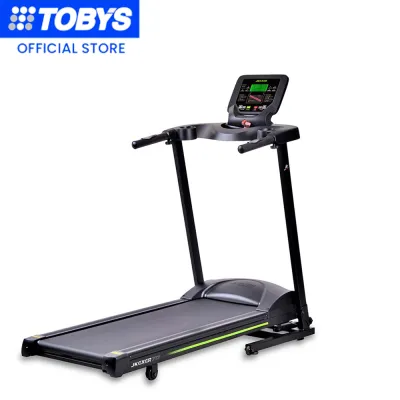
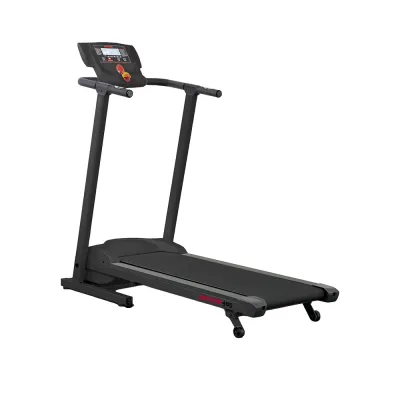
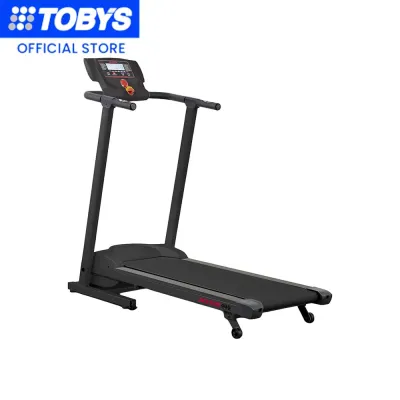
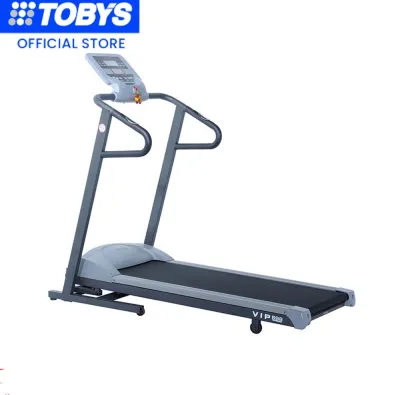
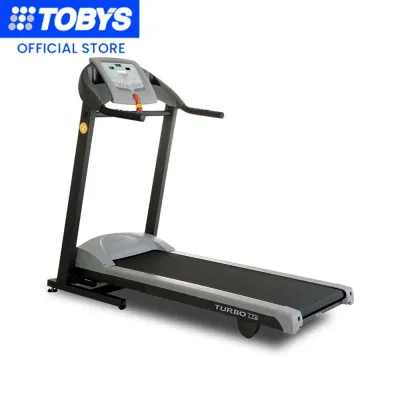
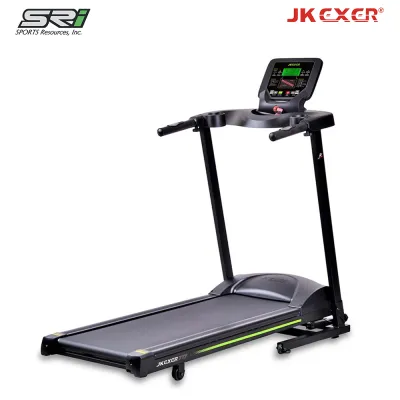
Prices are valid at publication and may change. Please refer to the product page for the latest price.

The static footprint is simply the length and width of the machine when it is fully assembled and ready for use. You can find these dimensions on the product box, the retailer’s specification sheet, or the user manual.
However, the space required for safe operation is significantly larger than the machine itself. Safety guidelines generally recommend maintaining a clear, unobstructed zone of at least two meters behind the running belt. This rear clearance is vital in case of a slip or fall, preventing you from being trapped against a wall or furniture while the belt is moving.
Additionally, aim for at least half a meter of open space on both sides of the treadmill. This lateral clearance allows you to mount and dismount safely and ensures easy access to the power switch and folding mechanisms.
Do not forget to measure your vertical space. To calculate the required ceiling height, add the height of the tallest runner to the height of the treadmill deck at its maximum incline setting. In many modern condos, ceiling heights can be relatively low, so verifying this sum prevents painful head clearance issues during high-intensity workouts.
Finally, plan for accessory storage and cord management. Ensure the power cord can reach the outlet without crossing high-traffic walkways, which creates a tripping hazard and risks damaging the cable.
Verifying Electrical and Power Requirements
Treadmills are high-draw appliances that require a stable and robust electrical connection. Before plugging in your machine, you must locate its rated amperage and wattage, which are typically printed on a silver specification label near the power switch or detailed in the user manual.
Most residential treadmills operate on standard household voltage, but their peak power consumption can be substantial, especially when the motor starts or operates under a heavy load. You must verify if your condo’s electrical outlet is connected to a dedicated circuit.
A dedicated circuit means no other major appliances, such as inverter air conditioners, refrigerators, or microwave ovens, share that specific breaker line. If you run a treadmill on a shared circuit, you risk tripping the circuit breaker in your unit’s electrical panel, interrupting your workout and potentially damaging the treadmill’s sensitive electronic console.
Check your condo’s electrical panel to identify the amperage limit of the breaker serving your workout area. Standard residential breakers are often rated for 15 or 20 amperes.
Always plug the treadmill directly into a properly grounded wall outlet. Grounding is essential for protecting the machine’s control board from voltage surges and preventing electrical shocks.
Avoid using extension cords, multi-outlet adapters, or standard power strips. These accessories are rarely rated to handle the continuous high current demanded by a treadmill motor, which can lead to overheating, melted plastic, and serious fire hazards in your home.
Evaluating Structural Limits and Delivery Access
Before the treadmill even reaches your living room, you must address the logistics of moving it into your building and the structural capacity of your floor.
Start by calculating the combined weight of the treadmill and the heaviest user. While modern concrete condominium buildings are engineered to support substantial loads, it is wise to consult your building’s Property Management Office (PMO) regarding floor load limits, especially if you plan to place multiple pieces of heavy gym equipment in one area.
Logistics can be a major bottleneck in high-rise living. Measure the dimensions of all doorways, narrow hallways, and elevator cabins along the delivery route. Many treadmill boxes are exceptionally long and heavy; knowing whether the package can fit into the service elevator or if it must be carried up the stairs is crucial for a smooth delivery day.
Another critical consideration is noise and vibration transfer. The impact of your feet hitting the deck during a run creates low-frequency vibrations that travel easily through concrete floor slabs, potentially disturbing neighbors below.
To maintain good relations with your neighbors, invest in a high-density rubber equipment mat. Placing this mat directly under the treadmill helps absorb impact energy, dampens operational noise, and protects your condo’s flooring—whether it is laminate, vinyl, or tile—from scratches and indentation marks.
Optimizing Placement and Space-Saving Features
If you are working with limited square footage, selecting a JKExer model with a folding deck can make a significant difference. However, folding features require their own set of precautions.
Verify the clearance needed for the machine in its folded state. Some models fold almost vertically, while others fold at an angle, which may alter the unit’s center of gravity. Ensure you have enough physical strength and space to safely lift and lock the deck into place without straining your back or hitting nearby walls.
Placement within your unit also affects the longevity of the machine’s motor and electronics. In tropical climates, high humidity and ambient heat can accelerate wear on mechanical parts.
Position the treadmill in a well-ventilated area, ensuring there is adequate airflow around the motor housing at the front of the deck. Avoid placing the machine in tight, enclosed closets or directly against heavy drapes that block the motor’s cooling vents.
Keep the equipment away from direct sunlight, which can degrade plastic components and overheat the console screen. Additionally, avoid areas prone to moisture, such as balconies or spots directly beneath air conditioning units that might leak condensation.
Frequently Asked Questions (FAQ)
Do I need a special electrical outlet for a treadmill in a condo?
Most residential treadmills are designed to plug into standard household wall outlets. However, they require a grounded, three-prong outlet to operate safely. If your condo only has older two-prong outlets, do not use an adapter to bypass the ground pin. Instead, hire a licensed electrician to install a properly grounded outlet connected to a dedicated circuit breaker. This ensures your electrical system can handle the load and protects the treadmill’s electronic components from damage.
Will using a treadmill in a condo cause noise complaints?
It can if proper precautions are not taken. The primary source of noise is the impact of your feet on the running deck, which transmits vibrations directly through the floor. To minimize this, place a thick, high-density rubber gym mat under the machine to absorb the shock. Additionally, try to schedule your workouts during reasonable daytime hours, keep the running belt properly lubricated to reduce motor strain, and check if your building’s PMO has specific guidelines regarding home gym equipment.
Community discussion
Share your experience or ask a question. Comments are reviewed before publication.