
Choosing the right judo gi is one of the most critical decisions you will make as a judoka. The weave and weight of your uniform directly impact your movement speed, stamina, and how easily your opponent can secure a grip on your lapel. Understanding these specifications ensures you select a uniform that keeps you comfortable during intense training sessions while meeting any competition requirements.
Historically, judo uniforms are crafted from woven cotton designed to withstand high-impact throws, continuous pulling, and floor friction. The fabric density, measured in grams per square meter (GSM), and the weaving style determine whether a gi feels like a heavy shield or a light, breathable second skin. Balancing these factors is especially important in tropical climates where heat and humidity play a massive role in your physical performance.
Judo Gi Weave Types Decoded: Single, Double, and Gold
The weave of a judo gi refers to how the cotton threads are interlaced to construct the jacket. This structural pattern dictates the overall thickness, stiffness, and flexibility of the uniform, which directly influences your defensive capabilities on the mat. A tighter, thicker weave makes it significantly harder for an opponent to establish and maintain a strong grip, while a looser weave offers greater freedom of movement.
Products mentioned in this guide
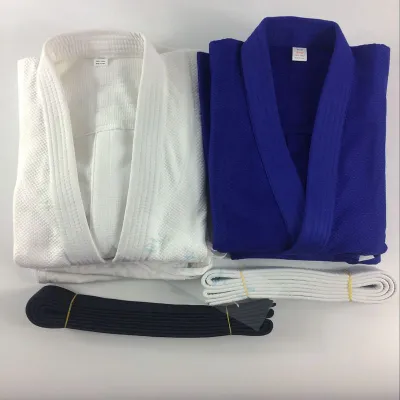
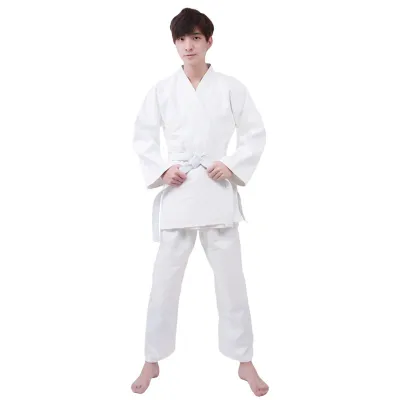
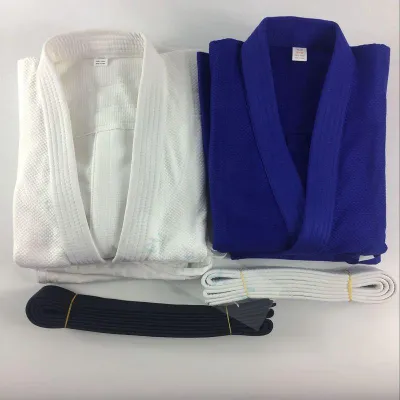
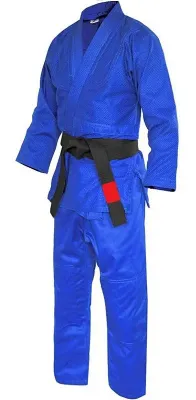
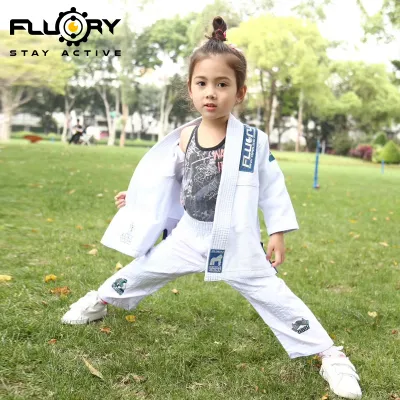

Prices are valid at publication and may change. Please refer to the product page for the latest price.
While the upper portion of the jacket utilizes these distinct weaves, the lower section and the pants typically feature traditional stitching patterns. The classic rice grain (Sashiko) stitch on the upper body and the diamond (Hishisashi) stitch on the lower skirt and knees serve as structural reinforcements. These traditional patterns are designed to prevent tearing during ground work (ne-waza) and do not alter the classification of the primary weave type.
Single Weave: Lightweight and Breathable
A single weave judo gi is constructed using a single layer of woven cotton fabric, resulting in a highly flexible, lightweight jacket that moves easily with your body. Because there is less material bulk, these uniforms offer superior breathability and fast drying times, which is highly convenient for daily practitioners. They provide maximum agility and freedom of movement when executing dynamic throws.
However, the lightweight nature of a single weave gi comes with specific trade-offs. The thinner material is more susceptible to tearing under heavy, continuous grappling stress over time. Additionally, the soft fabric makes it much easier for your sparring partners to sink their fingers in and secure a dominant, tight grip on your lapel and sleeves.
Double Weave: Heavy, Stiff, and Grip-Resistant
A double weave judo gi is created by weaving two layers of cotton fabric together, resulting in a thick, dense, and exceptionally durable uniform. This construction is favored by advanced practitioners and competitors who want to make it as difficult as possible for opponents to control them. The sheer stiffness of the lapel and sleeves makes securing a solid grip an exhausting task for anyone you face on the mat.
Despite these defensive advantages, double weave gis present distinct challenges, particularly in hot and humid environments. The heavy fabric retains a significant amount of body heat and sweat, which can accelerate fatigue and dehydration during long dojo sessions. Carrying the extra weight of a wet, sweat-soaked double weave gi requires excellent physical conditioning.
Gold Weave: The Versatile Middle Ground
The gold weave was developed to bridge the gap between the lightweight comfort of a single weave and the rugged durability of a double weave. It utilizes a specialized weaving technique that provides a dense, sturdy structure while keeping the overall fabric weight relatively low. This makes it an incredibly popular “daily driver” for dedicated judoka who train multiple times a week.
For intermediate to advanced practitioners, the gold weave represents a highly practical compromise. It offers enough stiffness to assist with grip defense during sparring while remaining flexible enough to allow for rapid, explosive movements. It also provides better airflow than a double weave, making it more manageable in warmer training environments.
How Gi Weight and Fabric Density Impact Your Grappling
When discussing judo gis, weight is closely tied to fabric density, which is measured in grams per square meter (GSM). Because uniform sizes vary significantly based on height and body shape, evaluating the density of the fabric is a more accurate way to understand how a gi will perform on the mat. Generally, lightweight gis range from 300 to 500 GSM, while heavyweight tournament-style gis can exceed 700 to 900 GSM.

Mobility and Heat Management The density of your gi directly impacts your physical stamina and heat regulation. In tropical climates like the Philippines, where dojos may rely on natural ventilation, managing body temperature is a critical safety consideration. A lighter gi allows sweat to evaporate more efficiently, reducing the risk of overheating and dehydration during intense randori (free sparring) sessions. Carrying less physical weight also delays the onset of muscle fatigue, allowing you to maintain your speed and transition quickly between techniques.
Grip Defense and Collar Stiffness Conversely, a heavier fabric density yields a much stiffer collar and lapel. A rigid collar is highly resistant to being folded or twisted, which is a major defensive asset. When an opponent tries to establish a collar grip to break your posture or set up a choke, they must exert significantly more hand and forearm strength against a stiff double weave. This extra effort rapidly drains their energy, giving you a tactical advantage as the match progresses.
The Ultimate Trade-off Choosing the right fabric density requires a careful assessment of your training environment and personal playstyle. If you prioritize speed, footwork, and staying cool during long, humid training sessions, a lighter fabric density is highly advantageous. If your strategy relies on strong posture control, close-quarters grappling, and neutralizing your opponent’s grip fighting, the defensive protection of a heavier, denser gi is well worth the physical toll of carrying the extra weight.
Matching Your Gi Specifications to Your Skill Level and Goals
Selecting the perfect judo gi requires matching the technical specifications of the uniform to your current experience level, training frequency, and long-term goals. Investing in a high-end uniform is only beneficial if it aligns with how and where you train.
Beginners and Casual Practitioners If you are new to judo, your primary focus should be on learning proper falling techniques (ukemi) and basic throws without being hindered by your uniform. A lightweight single weave or a light gold weave gi is highly recommended for beginners. These options are affordable—typically ranging from ₱2,500 to ₱5,000 in local martial arts specialty stores—and provide the flexibility needed to master fundamental movements. They are also much easier to wash and dry between weekly classes.
Intermediate and Regular Training As you progress to intermediate ranks and begin training multiple times a week, your uniform will face much more abuse. At this stage, transitioning to a gold weave or a mid-weight double weave gi is a smart investment. These uniforms are durable enough to withstand frequent, high-intensity gripping sessions and repeated washing cycles. They offer a realistic feel for grip fighting while remaining comfortable enough for consecutive hours on the mat.
Competitors and Tournament Athletes If you plan to compete in sanctioned tournaments, your gi choice must prioritize strict compliance with governing body regulations. For national and international events, you must verify the official rulebooks of the International Judo Federation (IJF) or the relevant national sports association. Competition rules strictly regulate fabric weight, collar stiffness, sleeve length, and even the distance between the fabric and your skin when your arms are extended. Always check the latest official guidelines before purchasing a competition-specific gi, as non-compliant uniforms can lead to immediate disqualification at the weigh-in or uniform control station.
Frequently Asked Questions (FAQ)
Do I need an IJF-approved gi for local tournaments in the Philippines?
Not all local events require a fully certified, IJF-approved gi with the official red or white optical label. While national championships and international qualifiers strictly enforce IJF standards, smaller club tournaments, inter-school meets, and regional novice competitions often have more relaxed uniform rules. Before purchasing an expensive certified gi, which can cost upwards of ₱8,000, consult your dojo instructor or the specific tournament organizers to confirm their uniform requirements.
How do I wash a heavy double weave gi without damaging it?
To preserve the integrity and fit of a heavy cotton gi, always wash it in cold water using a mild detergent. Avoid using bleach, as it weakens the cotton fibers over time and can cause premature tearing. Never put a heavy double weave gi in a high-heat tumble dryer, as the intense heat will cause severe, irreversible shrinkage, particularly in the sleeves and lapel. Instead, hang the gi to air-dry in a well-ventilated, shaded outdoor area or indoors under a ceiling fan to prevent stiffness and musty odors.
Community discussion
Share your experience or ask a question. Comments are reviewed before publication.