
Selecting the right boxing gloves is a critical decision for anyone stepping into a combat sports gym in the Philippines, whether you are a beginner starting fitness boxing or an experienced martial artist preparing for sparring. While K1 Extreme boxing gloves have become a familiar sight in local training centers, choosing them over other popular brands requires a clear understanding of how they align with your specific training goals, hand size, and budget. The right pair of gloves should provide adequate protection, fit comfortably, and withstand the demanding conditions of tropical training environments.
Before making a purchase, it is essential to recognize that combat sports carry inherent physical risks. No piece of equipment, regardless of brand or price, can fully eliminate the risk of injury or replace proper technique, professional coaching, and sound personal judgment. Your gloves are a tool to help mitigate impact, but they must be paired with correct punching form and a clear understanding of your physical limits. If you experience persistent hand, wrist, or knuckle pain during or after training, you should stop immediately and consult a qualified professional or coach.
To determine how K1 Extreme gloves compare to other options on the market, you must look past marketing claims and focus on observable physical characteristics. This guide establishes a practical framework for evaluating these gloves against competing brands, focusing on material quality, padding construction, wrist support, and overall value. By checking these specific details, you can make an informed decision that supports your safety and performance in the ring.
Products mentioned in this guide
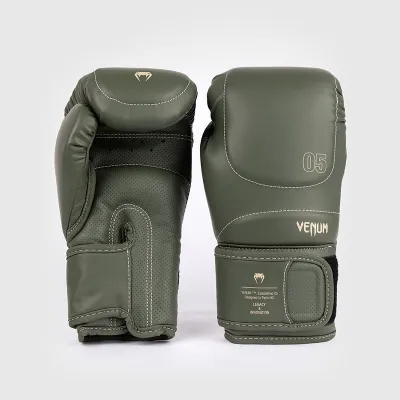
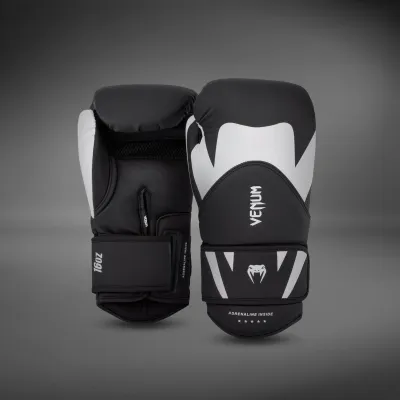
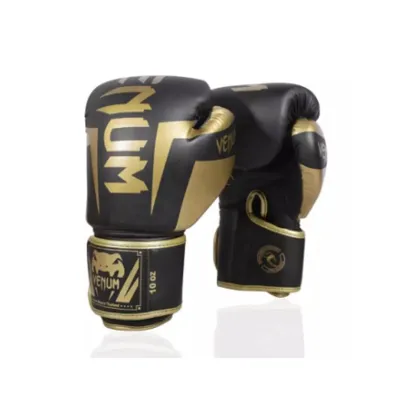

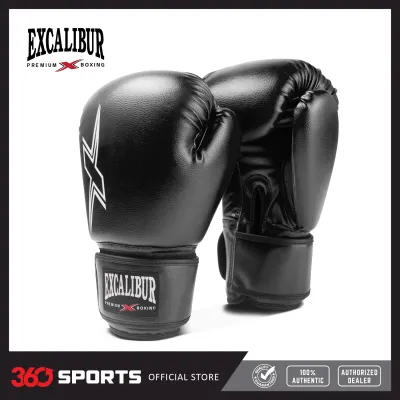
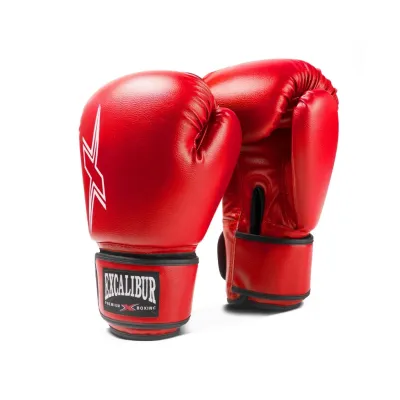
Prices are valid at publication and may change. Please refer to the product page for the latest price.
Understanding the Baseline: K1 Extreme Boxing Gloves
To compare K1 Extreme boxing gloves to other brands, you must first establish a clear baseline of their design, materials, and intended use. These gloves are widely distributed across sports shops and online marketplaces in the Philippines, making them highly accessible to local practitioners. However, their suitability depends heavily on the specific model you select and how its physical specifications match your training routine.
When examining K1 Extreme gloves, start by checking the manufacturer tags and product listings for material composition. Many entry-level and mid-range models in this line utilize synthetic leather, such as polyurethane (PU) or engineered microfibers, while premium versions may feature genuine leather. Synthetic leather is often more affordable and easier to wipe clean, but it may wear out faster under heavy daily use compared to genuine leather. In the hot and humid climate of the Philippines, synthetic materials can sometimes trap heat and moisture more than natural leather, which is an important factor if you train in non-air-conditioned gyms.
Next, identify the primary design focus of the glove. Some gloves are designed with a highly flexible palm and a shorter cuff, which are characteristics typical of Muay Thai gloves. This design allows you to open your hands to catch kicks, block strikes, and engage in clinch work. Other models feature a stiffer, more rigid profile with a longer cuff, which is optimized for standard Western boxing to provide maximum wrist alignment during straight punches. You should also verify the thumb attachment style; a fully attached thumb is a crucial safety feature that prevents accidental thumb hyperextension or eye gouging during training.
Finally, take note of the available weight options and closure systems. K1 Extreme gloves typically range from 8 oz to 16 oz, allowing you to choose the appropriate weight for bag work, pad drills, or sparring. The closure system is another key consideration. Hook-and-loop (Velcro) closures offer convenience, allowing you to put on and take off your gloves without assistance during fast-paced class transitions. Lace-up closures provide a highly secure, customized fit around the wrist, but they require a trainer or training partner to tie them for you, making them less practical for solo workouts.
Key Dimensions for Comparing Boxing Gloves
When comparing K1 Extreme to other popular brands available in the Philippines, you should evaluate three primary physical dimensions: padding and protection, material and breathability, and fit and wrist support. Assessing these factors through direct observation and physical checks will help you identify which glove offers the best performance for your specific needs.

Padding and Protection
The primary function of any boxing glove is to protect your hands and your training partners from impact forces. To assess the padding quality of K1 Extreme gloves against alternatives, press down firmly on the knuckle area with your thumbs. High-quality training gloves typically use multi-layered foam systems, combining high-density outer foam to disperse impact with softer inner foam for hand comfort.
If the padding feels excessively soft or bottoms out easily under moderate thumb pressure, the gloves may not provide sufficient protection for heavy bag work, as your knuckles could penetrate the foam and make direct contact with the hard target. Conversely, if the padding is extremely stiff and rigid, it may require a lengthy break-in period and could be too hard for safe sparring, potentially injuring your training partners. Compare how different brands distribute this padding; some brands concentrate the bulk of the weight directly over the knuckles, while others distribute it more evenly across the back of the hand.
Material and Breathability
The durability of a boxing glove is largely determined by its outer shell and stitching. Genuine leather gloves generally offer the highest resistance to tearing, scraping, and moisture damage, making them a preferred choice for long-term durability. However, high-grade synthetic leathers have improved significantly and can offer comparable performance at a lower price point.
In the Philippines, where high humidity and intense heat are constant factors, breathability is essential for preventing odor buildup and material degradation. Inspect the palm area of the gloves for ventilation features, such as mesh panels or ventilation holes. Brands that incorporate breathable mesh or moisture-wicking inner linings help sweat evaporate more quickly, which keeps the gloves lighter during long training sessions and prevents the inner lining from rotting. When comparing brands, feel the inner lining to ensure it is smooth and free of rough seams that could cause blisters or chafing on your hands.
Fit and Wrist Support
A glove that does not fit your hand properly increases the risk of wrist sprains and knuckle injuries. When trying on K1 Extreme and alternative gloves, pay close attention to the snugness of the hand compartment. Your fingertips should reach the end of the glove comfortably without being cramped, and you should be able to make a natural, effortless fist without straining your forearm muscles.
Wrist support is highly dependent on the design of the wrist strap and the stiffness of the cuff. Look for wide Velcro straps that wrap securely around the wrist joint, locking it in place to prevent bending upon impact. Some competing brands feature dual-strap systems or reinforced splints along the wrist to provide extra stability. Compare the alignment of the thumb as well; a natural, ergonomically curved thumb position reduces hand strain and ensures that your thumb is tucked safely away from the impact surface when you land a punch.
Evaluating Value, Durability, and Local Availability
To determine the overall value of K1 Extreme boxing gloves compared to other brands, you must look beyond the initial purchase price and consider long-term durability, local availability, and customer support. A cheaper glove that needs replacement after three months of training is ultimately more expensive than a premium glove that lasts for years.
Begin by inspecting the construction details of the gloves. Examine the stitching along the seams, particularly around the thumb attachment, the palm, and the edges of the wrist strap. Look for double-stitched seams and reinforced thread, which indicate a higher level of craftsmanship. Loose threads, uneven stitching, or exposed foam edges are warning signs of poor quality control, suggesting that the gloves may split or unravel under the stress of regular training.
In the Philippine market, pricing and availability can vary significantly. Entry-level synthetic gloves typically range from ₱1,000 to ₱2,500, while mid-range options and premium genuine leather gloves from established international brands can range from ₱3,000 to over ₱8,000. K1 Extreme gloves are often positioned as a budget-friendly to mid-range option, making them highly competitive for fitness enthusiasts and recreational martial artists. When comparing prices on online marketplaces or at local sports retailers, be sure to factor in shipping costs, delivery times, and the seller’s return policy in case the gloves do not fit properly.
Authenticity is another critical factor to verify when purchasing boxing gloves in the Philippines. Due to the popularity of combat sports, counterfeit gear is common on major ecommerce platforms. To ensure you are buying genuine products, purchase directly from authorized physical sports stores, official brand flagship stores online, or reputable local gym pro shops. Check if the seller offers a manufacturer warranty or a clear return and exchange policy, which provides essential protection if you discover a manufacturing defect after your first few training sessions.
Matching Gloves to Your Specific Training Needs
Your final decision between K1 Extreme and alternative brands should align with your primary training activities, skill level, and physical requirements. No single glove is perfect for every scenario, so matching the glove’s design characteristics to your routine is key to maximizing safety and performance.
Heavy Bag and Pad Work
If your training consists primarily of hitting heavy bags and focus mitts, your gloves must absorb repetitive, high-impact forces. For this type of training, prioritize gloves with dense, injection-molded foam padding that does not compress easily. Excellent wrist stability is also crucial, as off-center impacts on a heavy bag can easily twist your wrist. Look for gloves with a stiff, supportive cuff and a secure hook-and-loop closure that keeps your wrist aligned. Many practitioners prefer dedicated bag gloves or slightly heavier training gloves (12 oz to 14 oz) to provide extra protection during intense bag workouts.
Sparring
Sparring requires a completely different set of glove characteristics. The primary goal of sparring gloves is to protect your training partner from injury, which means you must use softer, more pillowy padding that distributes impact forces safely. Most gyms in the Philippines enforce strict safety rules requiring 14 oz or 16 oz gloves for sparring, regardless of your body weight, to ensure adequate padding thickness. When comparing K1 Extreme to other brands for sparring, ensure the foam is sufficiently soft and that the glove design does not have sharp edges, exposed Velcro, or hard plastic elements that could cut or scratch your partner during close-range exchanges.
Muay Thai vs. Western Boxing
Your choice of martial art should also dictate the style of glove you select. If you practice Muay Thai or kickboxing, you need gloves that facilitate clinching, catching kicks, and blocking strikes. Look for gloves with a flexible palm, a shorter cuff that allows for wrist mobility, and padding distributed along the sides of the hand for blocking kicks. If you focus exclusively on Western boxing, a glove with a longer, stiffer cuff and a highly structured hand compartment is generally preferred, as it locks the wrist into a rigid position optimized for punching and blocking straight punches. Compare the flexibility and shape of K1 Extreme gloves against specialized boxing and Muay Thai brands to see which style feels most natural for your sport.
Frequently Asked Questions (FAQ)
How do I determine the correct ounce (oz) size for my training?
Selecting the correct glove weight depends on your body weight, hand size, and the type of training you plan to do. For general fitness, pad work, and light bag training, smaller individuals (under 120 lbs) often use 10 oz or 12 oz gloves, while average-sized adults typically opt for 12 oz or 14 oz gloves. If you plan to engage in live sparring, you should generally use 14 oz or 16 oz gloves to ensure maximum safety for your training partners. Always check with your specific gym or coach, as many training centers have strict minimum weight requirements for sparring and partner drills to prevent injuries.
What is the best way to clean and maintain boxing gloves?
To extend the lifespan of your boxing gloves and prevent unpleasant odors, you must maintain them properly after every training session. Immediately after training, wipe down the exterior of the gloves with a damp cloth to remove sweat and dirt. Open the wrist straps fully and place the gloves in a well-ventilated, dry area away from direct sunlight, which can dry out and crack the leather or synthetic outer shell. You can use specialized glove deodorizers, cedar chips, or dry paper towels inside the hand compartment to absorb excess moisture. Never machine wash your gloves, submerge them in water, or use harsh chemical cleaners, as these actions can permanently damage the internal padding and ruin the outer material.
Community discussion
Share your experience or ask a question. Comments are reviewed before publication.