
Quick Answer: Is the K1 Extreme Right for Your Training?
Choosing the right boxing gloves in the mid-range price bracket depends heavily on your training style, hand shape, and environmental conditions. The K1 Extreme is generally built for structured heavy bag work, pad drills, and high-intensity fitness boxing. Its design profile prioritizes a compact fist pocket and firm, high-density padding to protect your knuckles during repetitive impact.
Whether this glove offers the best value for your budget depends on your primary martial arts activity. If you focus on Western-style boxing or cardio-heavy fitness classes, the K1 Extreme provides a solid balance of knuckle protection and wrist stability. However, if your training involves frequent sparring or the clinch-heavy maneuvers of Muay Thai, other specialized gloves in the same price tier may serve you better. Always verify current local stock, exact pricing in the Philippines, and official manufacturer specifications before making your final purchase.
Understanding the K1 Extreme: Design Profile and Target Audience
The K1 Extreme is engineered to cater to a specific segment of the combat sports community. It is primarily designed for beginner to intermediate practitioners, as well as fitness enthusiasts who require a dependable glove for regular studio workouts. The overall silhouette is streamlined and compact, which helps users maintain proper fist alignment without feeling like they are wearing overly bulky gear.
Products mentioned in this guide
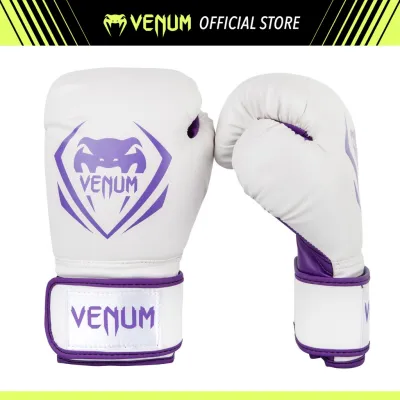
Prices are valid at publication and may change. Please refer to the product page for the latest price.

One of the defining characteristics of this model is its hook-and-loop closure system. This design allows you to secure and remove the gloves quickly without needing assistance from a coach or training partner. The internal hand compartment is typically snug, which prevents your hand from shifting inside the glove during high-velocity punches. This secure fit is highly beneficial for developing correct punching form and reducing the risk of minor hand scrapes.
When evaluating the K1 Extreme, it is vital to read the physical product label or the manufacturer’s official digital specification sheet. Mid-range gloves often utilize high-grade synthetic materials, such as polyurethane (PU) or engineered microfiber, rather than premium genuine leather. Understanding the exact material composition helps you set realistic expectations regarding the glove’s flexibility, break-in period, and overall lifespan under heavy use.
Sizing is another critical factor that directly influences the performance of the K1 Extreme. These gloves are distributed in standard ounce weights, typically ranging from 10oz to 16oz. A lighter ounce weight is ideal for speed and precision on the focus mitts, while heavier options provide the necessary resistance and mass for building shoulder endurance on the heavy bag. Ensure you factor in the thickness of your hand wraps when selecting your size to avoid restricting blood circulation in your fingers.
Key Comparison Dimensions for Mid-Range Boxing Gloves
Navigating the mid-range boxing glove market requires a clear understanding of what makes a glove functional and durable. In the Philippines, where training environments can range from air-conditioned commercial gyms to open-air, high-humidity garage setups, certain design elements become critical. Comparing the K1 Extreme against its peers requires looking closely at padding, wrist support, and material breathability.
Padding Density and Shock Absorption
Evaluating knuckle protection goes far beyond simply feeling the thickness of the glove. You must consider the type of foam used in the construction, such as injection-molded foam (IMF) or multi-layered hand-crafted foam. IMF technology provides a pre-curved, uniform shape that offers consistent protection across the knuckles, making it highly reliable for beginners who are still perfecting their impact angles.
Firmer, denser padding is highly effective at absorbing the sharp shock of a solid heavy bag. This density prevents the foam from bottoming out, which is when your knuckles penetrate the padding and make direct contact with the hard surface of the bag. However, this same firmness can make the glove unsuitable for sparring, as it does not compress easily enough to protect your training partner’s face from abrasion or impact injuries.
Conversely, softer, more pillowy padding is designed to disperse impact energy over a wider surface area. This characteristics is essential for safe partner drills and sparring sessions. Before you buy, check the manufacturer’s intended use tag; using a dense bag glove for sparring can lead to unnecessary gym injuries, while using a soft sparring glove on a heavy bag will rapidly degrade the foam and ruin the glove.
Wrist Support and Closure Systems
Wrist stability is your primary defense against hyper-extension and strain when delivering heavy punches. In the mid-range price tier, hook-and-loop (Velcro) closures are the standard due to their convenience and ease of use. A high-quality hook-and-loop system should feature a wide, thick strap that wraps completely around the wrist joint to lock it into a neutral, straight position.
When testing a glove, pay close attention to the stiffness of the cuff area. The cuff should act as a splint, bridging the hand and the forearm to prevent the wrist from bending upward, downward, or sideways upon impact. Some mid-range models incorporate dual-strap systems or reinforced foam panels along the wrist line to mimic the rigid support of professional lace-up gloves.
Lace-up gloves offer the ultimate level of customized wrist support because they can be tightened precisely to the contours of your forearm. However, they are highly impractical for solo training sessions, as you cannot tie them yourself. If your routine consists of independent bag workouts or quick transitions between boxing and floor exercises, a robust hook-and-loop system remains the most practical choice.
Material Durability and Breathability
In a tropical country like the Philippines, heat and humidity are major factors that dictate how long your gear will last. Mid-range gloves are commonly constructed from synthetic leather (PU) or genuine leather. Genuine leather is highly prized for its natural elasticity, durability, and ability to mold to the shape of your hand over time, though it requires regular conditioning to prevent cracking.
Modern synthetic leathers have improved significantly, offering excellent tear resistance and water repellency at a lower price point. However, synthetic materials do not breathe as naturally as genuine leather. This lack of natural ventilation can cause sweat to pool inside the glove, leading to rapid bacterial growth, persistent foul odors, and the eventual breakdown of the internal lining and stitching.
To combat this issue, look for gloves that feature integrated cooling technologies. Mesh palms, strategic pinhole perforations along the fingers, and moisture-wicking inner linings are essential for keeping your hands dry and cool. Proper ventilation not only enhances comfort during long, sweaty training sessions but also ensures that the internal foam dries quickly, preserving its structural integrity for years to come.
How the K1 Extreme Compares to Common Market Alternatives
To determine if the K1 Extreme is your best option, you must look at how its design compares to other styles of gloves available in the same price bracket. The market is generally split between traditional Western boxing designs, Muay Thai-specific gloves, and dedicated sparring models. Each style serves a distinct purpose and alters how you perform during training.
Traditional Muay Thai gloves are engineered with a flatter, more open-palm profile. This design allows the practitioner to open their hand slightly to catch kicks, parry strikes, and control their opponent’s neck during clinch work. Additionally, Muay Thai gloves typically feature extra padding distributed along the sides of the hand and the back of the wrist to shield against incoming kicks and elbow strikes.
In contrast, the K1 Extreme features a more rounded, pre-curved Western boxing profile. This design forces your hand into a tight, natural fist, which minimizes the muscular effort required to keep your hand closed. The thumb is often attached in a highly secure, tucked position to prevent accidental injury or hyperextension during straight punches. This makes it exceptionally comfortable for pure punching sports but less versatile for multi-discipline martial arts.
At this price point, you must decide whether you want a specialized tool or an all-rounder. If you are training exclusively in Muay Thai or kickboxing, a traditional Thai-style glove will offer the hand flexibility you need for grappling. If your focus is purely on boxing combinations, heavy bag conditioning, or fitness classes, the K1 Extreme’s structured fist pocket provides superior ergonomics for continuous punching.
Always verify the exact weight of the glove you are purchasing. A 12oz glove from one brand may have a very different hand compartment volume compared to a 12oz glove from another. Some brands design their gloves with a tight, compact hand pocket, while others offer a roomier fit that easily accommodates large hands with thick wraps. Trying on different styles at a local sporting goods store can prevent sizing mistakes.
Decision Framework: Which Gloves Should You Choose?
Making a final decision requires matching your specific training habits to the strengths of each glove design. Use this conditional framework to guide your purchase:
- Choose the K1 Extreme if: Your training consists primarily of heavy bag workouts, focus mitt drills, or cardio boxing classes. You prefer a snug, compact fit that naturally guides your hand into a secure fist, and you value quick-release wrist straps for independent training.
- Choose a traditional Muay Thai alternative if: You are actively practicing kickboxing or Muay Thai, where catching kicks, blocking elbow strikes, and engaging in active clinch work require a flexible, open-palm glove with lateral hand padding.
- Choose a dedicated sparring glove if: You are regularly engaging in controlled partner sparring and require a larger, softer glove (typically 14oz or 16oz) designed specifically to minimize impact force and protect your training partners from injury.
- Verify first if: You have a history of wrist or knuckle injuries, require thick custom hand wraps, or have exceptionally large or small hands. In these cases, physical fitting is highly recommended to ensure the glove's internal compartment does not pinch your fingers or restrict blood flow.
Remember that no piece of equipment can replace proper instruction and sound athletic judgment. If you are new to combat sports, seek guidance from a qualified coach to ensure your punching technique is correct before increasing the intensity of your workouts. If you experience sharp pain in your wrists or knuckles during training, stop immediately, inspect your gear, and consult a medical professional.
Pre-Purchase Checklist and Basic Glove Maintenance
Before finalizing your purchase from an online marketplace or local retail store, verify the seller’s return and exchange policies. Because hand sizes and wrap preferences vary greatly, you may need to exchange your gloves for a different size once you try them on at home. When trying them on for the first time, always wear your standard hand wraps to get an accurate feel for the fit.
Proper maintenance is essential for extending the lifespan of your gloves, especially in the warm, humid climate of the Philippines. Follow these low-risk, practical steps to keep your gear clean and odor-free:
- Wipe down the exterior: After every training session, use a damp microfiber cloth to wipe away sweat, dirt, and oils from the outer surface of the gloves.
- Dry them immediately: Never leave your wet gloves inside a closed gym bag. Take them out as soon as you get home and open the cuffs as wide as possible to allow fresh air to circulate inside.
- Air-dry in the shade: Place your gloves in a well-ventilated, shaded indoor area. Avoid exposing them to direct, harsh tropical sunlight, as extreme heat can warp the internal foam and cause synthetic or genuine leather to crack.
- Use moisture absorbers: Insert cedar chip inserts, glove dogs, or specialized deodorizing pouches inside the hand compartments to actively absorb residual moisture and neutralize odors.
- Consult the manual: Always check the manufacturer's specific care label before applying any chemical disinfectants, leather conditioners, or specialized cleaning sprays to avoid degrading the materials.
Frequently Asked Questions (FAQ)
How do I properly break in new boxing gloves?
To break in a new pair of gloves safely, start with light bag work, shadowboxing, and focus mitt drills. You can also gently squeeze the padding with your hands when you are not training to help soften the foam and make the hand pocket more pliable. Avoid using extreme heat sources, hair dryers, microwaves, or excessive physical force, as these methods can permanently damage the internal foam layers and void your product warranty.
Can I use the same gloves for heavy bag work and sparring?
While beginners often start with a single pair of gloves for all activities, using the same pair for both heavy bag work and sparring is not recommended as your training intensity increases. Striking a dense heavy bag repeatedly compresses the internal foam over time, causing it to become hard and rigid. If you use those same compressed gloves for sparring, you risk injuring your training partner’s face and head due to the lack of adequate shock absorption. It is best to maintain separate pairs for bag work and sparring.
Community discussion
Share your experience or ask a question. Comments are reviewed before publication.