
Quick Answer: Which Kawasaki Badminton Bag Should You Choose?
Selecting the right badminton bag depends on how many rackets you carry and how often you step onto the court. For casual players carrying one or two rackets for occasional weekend games, a compact single-shoulder bag or a lightweight tote offers the most practical, low-bulk solution. If you play weekly and need to carry three to four rackets along with a dedicated pair of court shoes and a change of clothes, a mid-sized badminton backpack or a dual-compartment shoulder bag is the ideal middle ground.
For competitive players, frequent club members, or tournament participants who carry six or more rackets, multiple tubes of shuttlecocks, and extensive gear, a large rectangular tournament bag with thermal-lined compartments is essential. This specialized design protects your equipment from tropical heat and humidity while keeping your gear organized during long training sessions.
Core Dimensions for Comparing Kawasaki Badminton Bags
When comparing different badminton bag models, evaluating specific design features ensures your selection matches your physical comfort and gear requirements. The first dimension to analyze is the racket capacity and compartment layout. Dedicated racket compartments are shaped specifically to hold the frames securely, preventing them from rubbing against each other or getting scratched by keys, water bottles, or grip tape. Some bags feature simple sleeves, while others offer full-length compartments that enclose the entire racket, including the handle, protecting the grip from dust and moisture.
Products mentioned in this guide
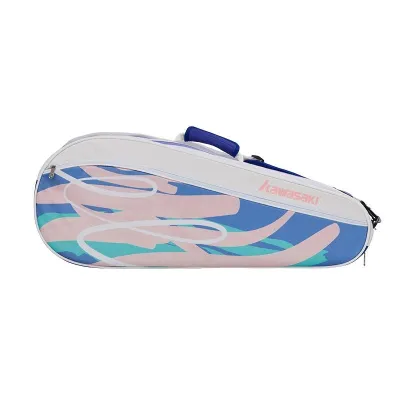
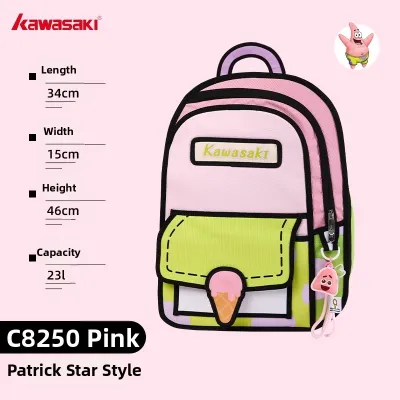
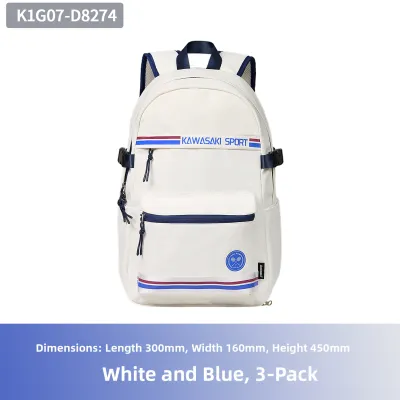
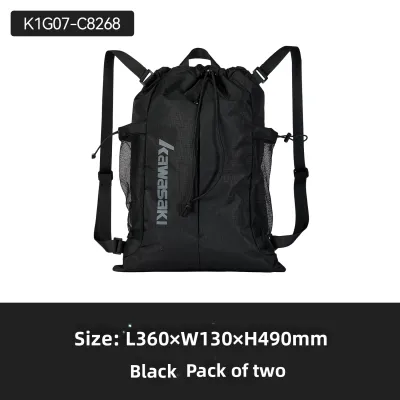
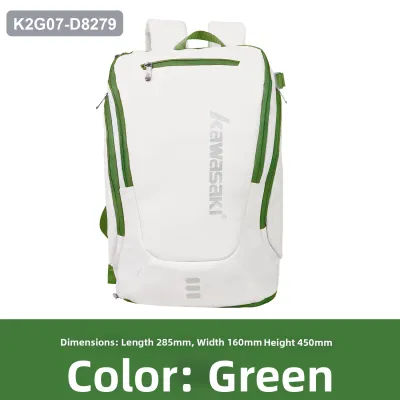
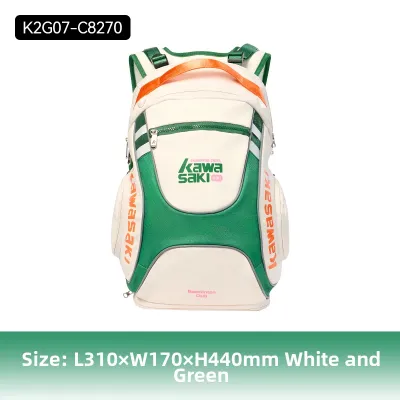
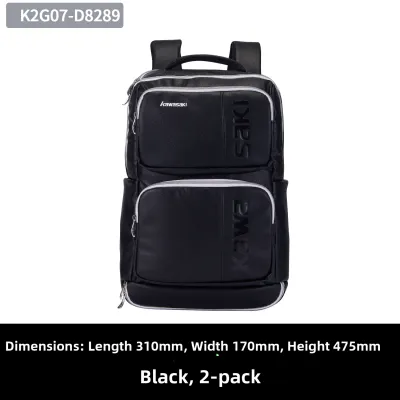
Prices are valid at publication and may change. Please refer to the product page for the latest price.

Carrying style and ergonomics play a critical role in how comfortable the bag is to transport, especially if you travel to courts via public transit, motorcycle, or on foot. Padded shoulder straps with breathable mesh backing help distribute weight evenly across your shoulders and back, reducing fatigue before you even start your match. Look for adjustable chest straps on larger backpacks to stabilize the load, or heavy-duty top handles on rectangular bags for quick grabs from car trunks or benches.
Specialized storage options are vital for maintaining hygiene and protecting expensive gear. An independent shoe compartment, typically accessed from the bottom or side of the bag, keeps dirty, sweaty court shoes completely separate from your clean apparel and towels. This is particularly important in humid climates where damp shoes can quickly transfer odors and moisture to other items. Additionally, thermal foil lining in racket compartments acts as an insulating barrier, shielding your racket strings and shuttlecocks from extreme temperature fluctuations that can compromise string tension and dry out shuttlecock feathers.
Finally, material durability and water resistance must be verified on the manufacturer’s tag. Badminton bags are frequently placed on dusty court floors, damp benches, or outdoor surfaces. High-density polyester, nylon, or TPU-coated fabrics offer excellent abrasion resistance and help repel light rain or spilled liquids. Checking the denier rating (such as 600D or 900D) on the product specifications gives a clear indication of the fabric’s thickness and overall durability.
Matching Bag Types to Your Playing Frequency and Gear Load
Choosing the right bag requires a realistic assessment of your playing habits and the volume of gear you actually bring to the court. Overpacking a massive tournament bag for a casual weekly game can make commuting unnecessarily cumbersome, while cramming too much gear into a small backpack can strain zippers and damage your rackets. By aligning your playing frequency with the appropriate bag category, you ensure your gear remains organized, protected, and easy to carry.
For Casual and Weekly Players (Light Gear Load)
Casual players who head to the court once a week or a few times a month typically require minimal gear. Your standard setup likely consists of one or two rackets, a single tube of shuttlecocks, a water bottle, and a small hand towel. For this light load, a single-shoulder racket bag or a compact sling bag is highly efficient. These designs are lightweight, easy to store in small spaces at home, and allow you to grab your gear and go without any fuss.
The primary trade-off with these smaller bags is the lack of specialized compartments. You will rarely find dedicated shoe pockets or thermal insulation in entry-level sling bags, meaning you will need to carry your court shoes separately or wrap them in a plastic bag before placing them inside. However, for players who change into their court shoes at home or do not require extensive gear protection, the simplicity and lower cost of a basic shoulder bag make it a highly practical choice.
For Regular Club Players (Medium Gear Load)
If you play two to three times a week in local clubs or community leagues, your gear requirements naturally expand. You likely carry three to four rackets to ensure you have backups in case of string breakage, along with a dedicated pair of court shoes, extra shirts to change into after intense matches, grip tape, and multiple shuttlecock tubes. A mid-sized badminton backpack or a double-compartment shoulder bag is designed specifically for this level of activity.
When choosing a mid-sized bag, the key is to verify that the shoe compartment is spacious enough for your specific shoe size without eating up all the space in the main compartment. Look for models that feature ventilated mesh panels on the shoe pocket to allow moisture to escape, which is crucial for preventing mold and odor buildup between sessions. Ensure the shoulder straps are wide and well-padded to handle the increased weight of multiple rackets and water bottles comfortably.
For Frequent and Tournament Players (Heavy Gear Load)
Competitive players, coaches, and tournament participants who spend four or more days a week on the court require maximum storage and premium protection. A typical tournament gear profile includes six or more rackets, multiple pairs of shoes, a comprehensive medical kit, extra grips, towels, and several tubes of shuttlecocks. For this heavy load, a large rectangular tournament bag or a high-capacity multi-compartment backpack is the standard choice.
These premium bags feature structured frames that maintain their shape even when empty, providing superior physical protection for your rackets. It is essential to confirm the presence of thermal-lined compartments in these models. High heat can cause racket frames to warp and strings to lose tension rapidly; a thermal barrier helps maintain a stable internal temperature. Multiple access points and heavy-duty, dual-direction zippers are also critical for quickly retrieving specific items during fast-paced tournament schedules.
What to Verify on the Product Tag Before Buying
Before finalizing your purchase from an authorized local sports retailer or official online store, carefully inspect the product tag and physical specifications to ensure the bag meets your expectations. First, check the stated racket capacity. Manufacturers often list maximum capacities (e.g., “6-Racket Bag”) based on bare frames without covers or grips. If you keep your rackets in individual soft covers or use thick overgrips, the actual number of rackets you can comfortably fit may be lower, so plan accordingly.
Next, examine the quality of the hardware and construction. Look for heavy-duty zippers, preferably from reputable manufacturers, and check if the stitching at major stress points—such as where the shoulder straps attach to the bag body—is reinforced with double stitching or cross-box patterns. The base of the bag should ideally feature a thicker, water-resistant material or small rubber feet to prevent direct contact with wet or dirty court floors.
The empty weight of the bag is another critical factor that is often overlooked. A bag that is heavy before you even put your gear inside will cause unnecessary strain on your shoulders and back. Compare the weight specifications on the tag, aiming for lightweight yet structured materials. Finally, verify the warranty terms and return policies. Purchasing from official channels ensures you are covered against manufacturing defects, such as zipper failures or seam splits, within the specified warranty period.
Frequently Asked Questions (FAQ)
Can I use a Kawasaki badminton backpack for daily commuting or gym use?
Yes, many mid-sized badminton backpacks are designed with versatility in mind, making them suitable for daily commuting, school, or gym use. These models often feature a dedicated rear compartment for rackets that can easily double as a secure sleeve for a laptop or tablet when you are not heading to the court. The main compartment provides ample space for books, documents, or standard gym clothes. However, keep in mind that badminton-specific backpacks are structurally taller than standard daypacks to accommodate racket handles, which may feel slightly bulky in crowded commuter spaces.
How should I clean and maintain my badminton bag to prevent odors?
To prevent persistent odors and mold, always empty your badminton bag immediately after returning from the court. Remove damp clothes, sweaty towels, and court shoes, leaving all compartments unzipped in a well-ventilated, shaded area to air out. For cleaning, wipe the interior and exterior surfaces with a soft cloth dampened with water and mild soap; avoid harsh chemical detergents, bleach, or machine washing, as these can degrade water-resistant coatings and damage thermal linings. Ensure the bag is completely dry before storing it in a closet.
Community discussion
Share your experience or ask a question. Comments are reviewed before publication.