
Selecting an electric treadmill for adult use requires looking past flashy console screens and focusing on the core mechanical specifications. In the Philippines, where tropical humidity and sudden downpours often move outdoor runs indoors, having a reliable home cardio machine is a major advantage. To ensure your machine can handle daily workouts over the long term, you must evaluate three primary specifications: motor power, weight capacity, and running surface dimensions.
Understanding these technical details helps you avoid common purchasing pitfalls, such as buying an underpowered machine that wears out prematurely or a model with a belt too short for your natural stride. By focusing on verifiable manufacturer specifications, you can select a durable machine that aligns with your fitness goals, space constraints, and budget.
Decoding Motor Power: Continuous vs. Peak Horsepower
When shopping for an electric treadmill for adult users, motor power is the most critical factor determining performance and longevity. However, retail listings often highlight “Peak Horsepower” (PHP) to make the machine appear more powerful than it is. Peak HP represents the absolute maximum power the motor can generate for a brief moment under extreme load, which does not reflect daily exercise conditions.
Products mentioned in this guide
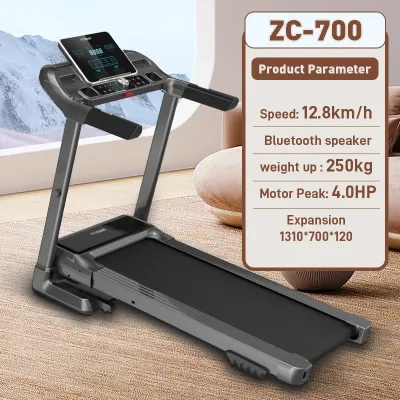
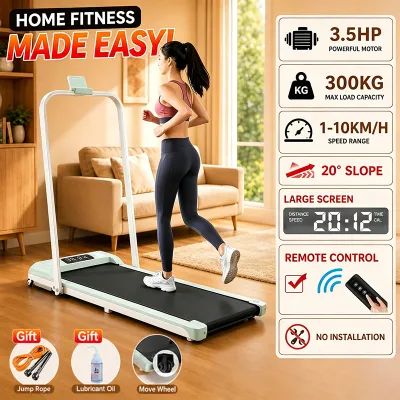
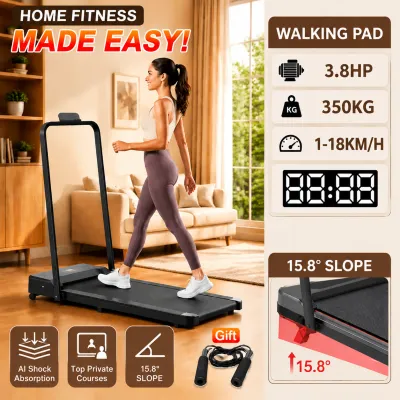
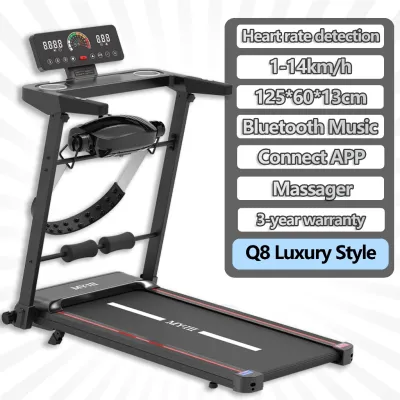
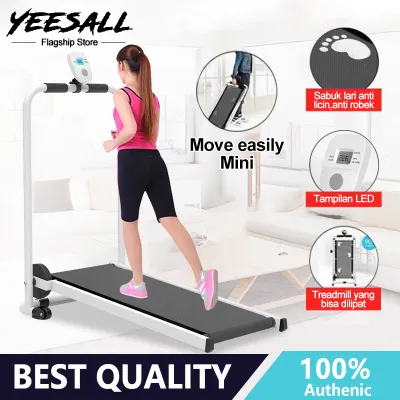
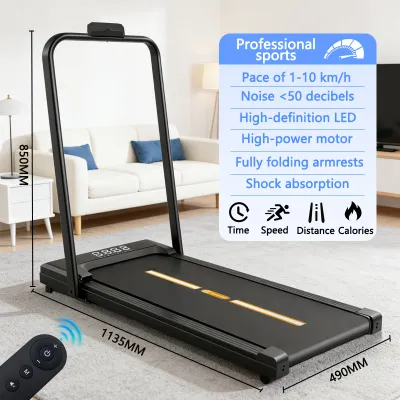
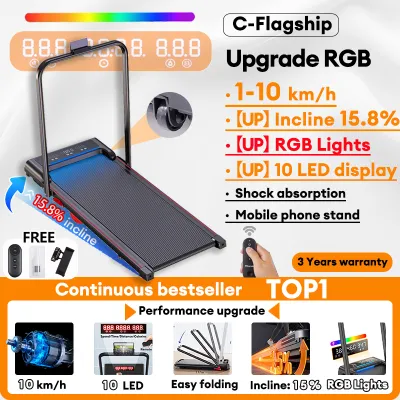
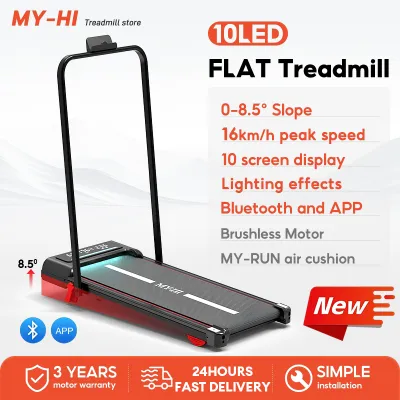
Prices are valid at publication and may change. Please refer to the product page for the latest price.
For a realistic measure of performance, you must look for the Continuous Duty Horsepower (CHP) rating. CHP indicates the motor’s ability to deliver sustained power over prolonged periods without overheating. To verify this rating, check the manufacturer’s official specification label, which is typically located on the motor hood cover or detailed in the technical specifications section of the user manual.
Matching the motor’s CHP to your workout routine is essential for preventing motor burnout. Walking routines generally require less sustained power, while jogging and running demand significantly more. If multiple family members plan to use the machine consecutively, or if you intend to perform high-intensity interval training, prioritize a higher CHP rating to ensure the motor runs cool and lasts for years.
Evaluating Weight Capacity and Frame Stability
An electric treadmill for adult fitness must be structurally sound enough to handle both your static body weight and the dynamic forces generated while running. When you run, the impact force you exert on the deck can be double or triple your actual body weight. Consequently, the treadmill’s certified maximum weight capacity should comfortably exceed your weight to prevent structural strain.

To assess frame stability, look closely at the construction materials and the overall weight of the machine. Heavy-gauge steel frames offer superior stability and reduce the shaking or swaying that can occur at higher speeds. While lighter, aluminum-framed models are easier to move, they may feel less secure during high-impact workouts.
Always verify weight limits using official product specification sheets or the manufacturer’s direct documentation. Avoid relying solely on third-party online marketplace descriptions, which can sometimes feature inaccurate or inflated limits. A stable frame not only ensures a safer workout but also protects the internal electronics from excessive vibration.
Choosing the Right Running Surface Dimensions
The dimensions of the running belt directly impact your safety, comfort, and freedom of movement. If a belt is too narrow or too short, you will constantly have to watch your footing, which disrupts your natural running form and increases the risk of stepping off the deck.
Your height and workout pace dictate the minimum belt length you need. Walking strides are shorter, meaning a standard belt length is often sufficient. However, as your pace increases to a jog or a full run, your stride naturally lengthens. Taller adults will require a longer deck to accommodate these extended strides safely without hitting the front motor cover or slipping off the back.
Belt width is equally important for lateral movement and balance. A wider belt provides a comfortable buffer, allowing you to drift slightly side-to-side without stepping onto the stationary side rails. Additionally, check the deck’s cushioning specifications. Quality shock absorption systems reduce joint impact, which is vital for long-term knee and ankle health, especially during high-impact indoor running sessions.
Secondary Specs That Impact Daily Use
Beyond the core mechanical specifications, several practical features dictate how easily a treadmill fits into your daily routine. Home space planning is a major consideration for many households. Evaluating the folded dimensions and checking for robust transport wheel mechanisms will help you determine if the machine can be easily stored away when not in use.
Incline ranges and maximum speed limits are also important for workout progression. Even if you start with flat walking, having the option to adjust the incline allows you to increase workout intensity without putting extra stress on your joints. Ensure the speed and incline controls are easily accessible and that the motor can transition between levels smoothly.
Finally, review the warranty coverage details before making your final decision. Manufacturers typically offer separate warranty periods for the frame, the motor, and the electronic components. A comprehensive warranty is a strong indicator of the manufacturer’s confidence in their product’s durability, giving you peace of mind as you invest in your long-term fitness journey.
Frequently Asked Questions (FAQ)
Does a heavier treadmill always mean better quality?
Not necessarily, but a heavier machine weight is generally a strong indicator of a robust steel frame and better overall stability. While heavier treadmills shake less during intense runs, you should still verify the official weight capacity and frame materials in the product specifications rather than relying on machine weight alone.
How do I know if a treadmill belt needs lubrication?
To check if your belt needs lubrication, turn off the machine, reach underneath the center of the belt, and feel the deck surface. If it feels dry to the touch, or if you notice friction marks, squeaking noises, or belt hesitation during use, it requires maintenance. Always consult your user manual for the correct lubrication intervals and approved silicone lubricants.
Can I use a walking treadmill for running?
Using a walking treadmill or a compact walking pad for running is not recommended. These machines typically feature lower CHP motors and shorter, narrower belts designed solely for low-impact walking. Running on them can quickly overheat the motor, strain the belt, and create a safety hazard due to the limited deck space.
Community discussion
Share your experience or ask a question. Comments are reviewed before publication.